Thirty-five years ago today, during Operation Desert Storm, the Canadian Navy came to the assistance of our US allies, in a characteristically classy way.1Today, we mark the anniversary of HMCS Athabaskan entering into a mined area of the Persian Gulf to assist the damaged cruiser USS Princeton. This episode marked a meaningful connection between the careers of two storied warships.2
“Rendering Assistance” by Maritime Artist Dale Byhre, which depicts the moment 35 years ago that HMCS Athabaskan (at left) escorted the damaged cruiser USS Princeton (right). This shows CH-124 Sea King helicopters transporting supplies. Used with the written permission of the artist, who has prints available for sale.
At daybreak, 18 February 1991, Captain Edward Hontz, USN, was speaking to the crew of his command, the guided-missile cruiser USS Princeton (CG-59) over the ship’s 1MC (PA system).3 The ship was crawling forwards at 3 knots through a suspected minefield, in shallow water near Falaika Island in the northern Persian Gulf. A crew member in a jury-rigged chair at the bows peered intently down into the water. Beside him, a shipmate manned a .50 caliber machine gun.
Crew members man the rails aboard the guided missile cruiser USS Princeton (CG-59) as the ship departs from Pearl Harbor soon after its return from Desert Storm, 1 June 1991 Credit: USN official (OS2 John Bouvia) via NARA DNSC9203674.
Princeton was using its AEGIS missile-defense system to protect a force of minesweepers that was tasked with clearing a corridor for Coalition ships through an Iraqi-laid minefield. There was a suspected “Silk worm” anti-ship missile site on the coast. Hontz had just notified the crew that USS Tripoli (LPH-10), an Amphibious Assault Ship, serving as flagship of the minesweeping force, had been damaged by a mine early that morning.
USS Tripoli (LPH-10), having hull damage repaired in Bahrain after striking a mine on 18 February 1991, while engaged in mine clearing with its helicopters. Tripoli was decommissioned in 1995 but used as a test ship, and was the last Iwo Jima class amphibious assault ship in existence, only being dismantled in 2018. Credit: USN official (JO1 Gawlowicz) via NARA DNSC9108075
At 7:15 AM local time – just as Hontz reminded crew to remain vigilant during their current mission – a mine exploded underneath the Princeton’s port propeller and rudder. Seconds later another mine detonated off the starboard bow.4 Crew members were thrown around like rag dolls all over the ship. The up-and-down whiplash motion was especially violent at both bow and stern. This terrifying movement was joined by gut-wrenching side-to-side seesaw. The ship bent and flexed beyond what it was designed to take. Deck seams opened up, frames were fractured, the deckhouse structure cracked, and aluminum flexed and distorted. The propeller shaft was damaged and the rudder was jammed.5 As crew struggled to get to their General Quarters posts, many thought they’d be abandoning ship. The damage was serious. Miraculously, no one had been killed.6
USS Princeton at Bahrain three days after the incident, showing a jury repair over the hull cracking near the stern. (CWO Bailey) NARA/DoD 330-CFD-DN-ST-91-05714.
At 09:05, Commander John Pickford, RCN, aboard the Canadian Iroquois-class destroyer HMCS Athabaskan (DDG-282), received information about USS Princeton’s damage. Athabaskan was deployed to the Persian Gulf, along with HMCS Terra Nova, an older Restigouche-class destroyer, and the replenishment vessel HMCS Protecteur, as the naval component of Operation FRICTION, Canada’s military contribution to Desert Storm. Athabaskan had been operating to the south, in the central Gulf, escorting coalition vessels.
HMCS Athabaskan (DDG-282) photographed during 1983 while serving with STANAVFORLANT. Credit: Department of National Defence / Library and Archives Canada ISC-83-227
Pickford was ordered to escort the tug Smit New York to Princeton. Reportedly, Capt. Hontz had specifically requested Athabaskan’s assistance, acknowledging the usefulness of the Canadian ships’ specialized mine-avoidance sonar and the deployed air component of recently-upgraded CH-124 Sea King helicopters.7Athabaskan had just refueled from USS Platte, “the preferred oiler of the Persian Gulf” the day before, and had received a visit from the commander of the Canadian naval forces in the region, CANCOMFORME, Commodore Kenneth Summers.
Extract of the 18 February 1991 Ship’s logbook entry of HMCS Athabaskan, deployed to Op Friction. This record was recently released through an Access to Information request to Library and Archives Canada where this can be found under RG24-D-2, Accession/BAN: 2017-00299-2, Box: 4.
Athabaskan immediately set a course north and assumed Defence Condition “Zulu,” bringing the ship and crew to full readiness while ensuring all watertight compartments were closed. Princeton’s crew were working to contain the damage, as the few serious injuries received medevac transport. The AEGIS system had not been disabled, and the ships’ 5″ guns and the missile systems were rapidly brought back online. Athabaskan rendezvoused with Princeton at 15:51 at position 28°37′ north, 49°59′ east and commenced the escort south towards Bahrain at 17:16. The Canadians handed the escort over to the elderly wooden-hulled minesweeper USS Adroit, while the tow was take up by the salvage ship USS Beaufort. While Princeton was repaired first in Bahrain and then in Dubai, Athabaskan replenished from HMCS Protecteur and then returned to escort work in the central Gulf.8
HMCS Athabaskan refuelling from HMCS Protecteur Persian Gulf 1990. This photo was likely taken from HMCS Terra Nova. LAC Credit: Canada. Department of National Defence / Library and Archives Canada / ISC 90 2080 (WO Wayne Loane)
Athabaskan’s next high-profile tasking involved escorting the hospital ships USNS Comfort and Mercy.9 As a parting gift for the exhausted crew of Princeton, a Sea King was used to “cross-deck” a pallet loaded with several cases of Labatt beer, and a bottle of Canadian Club whisky for Capt. Hontz.10
CH-124 Sea King helicopter 12404 “Black Horse,” performs Foc’sle transfer training aboard HMCS St. John’s, June 30, 2018, while deployed to Operation REASSURANCE. This same aircraft flew operations on 18 February 1991 from HMCS Athabaskan and is referenced in the ship’s log. Photo: Corporal Tony Chand, Formation Imaging Services RP17-2018-0028-15649
As a result of deployments to the Persian Gulf in 1990-1991, both Athabaskan and Princeton added new battle honours to the records of their illustrious forebears.11 HMCS Athabaskan served on until 2017, and was scrapped the next year.12 USS Princeton was set to rights and rejoined the US fleet, and continues to serve as one of the last Ticonderoga-class guided missile cruisers in commission.13 In Canada and the United States, former crewmembers of these outstanding vessels will continue to gather at reunions and online events, and, in their separate reminisces of their time in the Gulf, will think back to a remarkable episode of Operation Desert Storm.
HMCS Athabaskan led the Task Force out of Halifax on 24 August 1990 with fanfare. The author and his dad witnessed this memorable scene from onboard the CGS Acadia museum ship, which is immediately behind the red fireboat in this photo. The ships returned on 17 April 1991 to an exuberant welcome! Credit: Andrew Thomas from Shrewsbury, UK, CC BY-SA 2.0 https://creativecommons.org/licenses/by-sa/2.0, via Wikimedia CommonsCLICK FOR ENDNOTES
On that fateful day of May 19th, 1845, when the crews of Sir John Franklin’s last expedition in search of the Northwest Passage departed Greenhithe, England – never to return – they did so onboard two incredible vessels. Her Majesty’s Ships Erebus and Terror hadn’t originally been designed for polar exploration. Rather, these were both examples of a highly specialized type of warship called a “bomb vessel.” Why send a warship that was meant to bombard enemy positions on a polar exploration mission? This post briefly explores the history and design of the first bomb vessel that was sent north, HMS Furnace, which left England in 1741 on an earlier effort to locate that same illusive passage to the Pacific Ocean.1 Did Furnace blaze a trail across the frozen northern latitudes? Not exactly, but her modifications for exploration set an important precedent for a lineage of tough little ships which would be used on Arctic and Antarctic exploration missions.2
Maritime historian and former National Maritime Museum curator Chris Ware’s work on the history of bombs, The Bomb Vessel: Shore Bombardment Ships in the Age of Sail, explores the history of the Royal Navy’s bomb vessels, and highlights the careers of selected ships.3 The type had been created late in the 17th century to carry one or two heavy mortars amidships. Like many other great British naval developments, the idea had come from France, whose navy had built the first bomb vessels, galiotes à bombes, starting in 1681.4 The mortars (which had been developed originally for land warfare) fired types of fused shells called bombs (explosive) or carcasses (incendiary) on a high trajectory over the bulwarks. They were used against fortifications or cities and towns. The bombs would plunge downwards to explode against or over targets.
John Bower’s engraving of the Bombardment of Fort McHenry, near Baltimore, in September 1814 by the British fleet, including HMS Terror and an earlier generation of HMS Erebus, and several other bombs. Credit: Dr.frog at en.wikipedia, Public domain, via Wikimedia Commons
To carry the massive mortars and handle their powerful recoil, which was transmitted down from their carriage directly into the wooden timbers of the vessel, bombs had to be very strongly built: They were framed, decked, and reinforced much more stoutly than other ships of their relatively small size. While the first English bombs resembled small coastal craft, by the 1730s new designs appeared that were closer to naval sloops.5 There were usually only a handful of bombs active at any given time. Most spent the vast majority of their careers out of commission or converted to other roles. The Board of Ordnance, which had responsibility for both the guns and the specialist personnel to work them, would unship and land the mortars to help preserve these valuable weapons. When being used as patrol vessels, a stronger battery of cannon was installed along the gundeck.
This painting by Samuel Scott is a rare representation of a mid-18th Century bomb vessel. It depicts the capture of HMS Blast, lead ship of Furnace’s class, in 1745. Blast was captured while serving as a sloop, and would have been armed without the mortars but with ten 4-pounder cannon when captured by two Spanish privateers. Blast appears to have a full 5-light (windowed) stern, and the additional armament has been added to the stern cabin (seen in the lower siting of the gunports aft). Oddly, the ship is now depicted rigged in the reverse of a ketch, as a brig or a snow. Credit: Samuel Scott, (Earl of Pembroke. Paul Mellon Centre for Studies in British Art) Public domain, via Wikimedia Commons
In contrast to the great and tragic expeditions that came both before and after, Christopher Middleton’s Northwest Passage Expedition of 1741 is rarely mentioned, even in exploration literature. This 1741-1742 bid to locate the storied Passage, or “Straits of Anian” deserves more attention. Middleton was an experienced ship’s captain and a skilled navigator who had conducted a variety of scientific observations (including magnetic studies) while sailing to and from Hudson’s Bay, on annual supply missions for the Hudson’s Bay Company. He had an early enthusiasm for exploration, the search for the Northwest Passage, and also an interest in establishing the fate of the vanished James Knight expedition of 1719.6 Middleton had been nearby at the HBC Factory at the Churchill River (present-day Churchill, Manitoba) when, unbeknownst to anyone, the crews of Knight’s two small ships were marooned on Marble Island.7 In recognition of his scientific publications, Middleton was elected a Fellow of the Royal Society in 1737. In 1741, having left the employ of the HBC, the Royal Navy appointed him to command HMS Furnace. His orders were to seek a Northwest Passage somewhere along the Western coasts of the Bay. In reviewing the available units of the fleet, this new and rugged generation of bombs must have seemed ideal candidates for an exploration mission, where ships were in danger of colliding with icebergs, grounding, or being forced ashore out in Baffin Bay or the Hudson Strait, or being damaged or crushed by pack or land ice. Furnace would be accompanied by a hired collier, HMS Discovery, which was commanded by Middleton’s cousin, William Moor. The Admiralty optimistically believed that, a Passage having been located and exploited, the ships might link up with Commodore George Anson’s 1740-44 circumnavigation of the World, somewhere in the Pacific.
After crossing the Atlantic, the officers spent a terrible winter at Prince of Wales Fort to get an early start to the season. Expedition members stayed ashore in a disused wooden fort.8 They first prepared the ships for being iced into the harbour – with Furnace becoming the first bomb to overwinter. Once the exploration work commenced in July 1742 they quickly discovered that a promising inlet did not in actuality offer any corridor to the west (Middleton thought this a river and named it “Wager” after Sir Charles Wager, First Lord of the Admiralty, but it was later determined to be a bay). Other useful exploration work included the discovery of Repulse Bay (now known as Naujaat) and the assessment that the Frozen Straits offered no likely passage to the west. With the crew weakening from scurvy, and the major exploration work having led to dead-ends, Middleton hastened back to England.9
Middleton’s surveying work was attacked after his return, with Arthur Dobbs (a wealthy and influential Irish landowner who has supported Middleton’s original appointment) and Moor both coming around to the view that not enough had been done to rule Hudson’s Bay out as the beginning of a passage towards the Pacific.10 Moor departed on another expedition which explored more of the same coasts of the Bay. Future expeditions would take other reinforced bomb vessels further north to continue the search for a navigable passage amongst the Arctic islands. As William Barr has pointed out, the criticisms Middleton was subjected to were baseless, and the accuracy of his surveying was eventually confirmed.11
HMS Furnace was a Blast class bomb vessel, completed in October 1740 by Quallett (presumably the commercial yard of John Quallett of Rotherhithe in South London, which built other Royal warships such as HMS Chesterfield and several sloops). She was 91.5 feet long on the gundeck and 26’4” broad, with an 11-foot draft. All told she was almost 273 tons burthen.12 This new class of six bomb vessels were rushed into service as war broke out again against Spain in late 1739. As the War of the Austrian Succession (1740-1748) spread across Europe, a second group of five almost identical sisterships were constructed the next year. Among them was the second bomb vessel to be named HMS Terror.13
Like most early bomb vessels, Furnace was rigged as a ketch, with a tall mainmast and a shorter mizzen aft. This rig proved to be problematic for the complicated laying, or aiming of the mortars, as it left only a small arc of fire unimpeded by the masts, yards, rigging and shrouds. When it came to the deck machinery, earlier bombs had been fitted with windlasses (horizontal drums) to assist in heavy tasks such as lifting the anchor cables, or the complex effort of warping the ship around on the anchor cables to precisely aim the mortars. The Blast ships, by contrast, were also fitted with the more powerful capstan (vertical drum) on the quarterdeck.14
HMS Grenado, a near-contemporary of Furnace, is depicted in a superb sectional model at the National Maritime Museum, Greenwich, which helps us explore the peculiarities of the design:
HMS Grenado model showing both octagonal mortar pits, the new trunnioned mortars, and the exposed deck beams and hull framing. Credit: Rémi Kaupp, CC BY-SA 3.0, via Wikimedia Commons the original model was built by Robert A. Lightley and is catalogued at National Maritime Museum as SLR0331.
We can observe a robust, wide hull, with closely-spaced frames. The solid construction continued into heavy knees supporting the deck beams. In Grenado and Furnace, the mortars were originally sited forward and aft of the mainmast, while the mizzen mast rises above the deck just forward of the break on the quarterdeck. A new type of mortar had been developed, which could elevate and depress on trunnions, and rotate in its octagonal pit. The mortars could be lowered and covered over with sliding hatches, and protected from the elements. The long run of the open waist amidships was necessary to provide the room needed to work the mortars. These ships, like the later Franklin vessels, were originally armed with a 13″ and a 10″ mortar. The secondary weapons, a battery of six light 4-pounder cannon, created a modest broadside for defensive purposes. Additional empty gunports, evenly spaced along the gundeck, allowed for the augmentation of these cannon when the mortars were unshipped. The officers’ cabins were tucked aft under a small quarterdeck, on a deck stepped slightly lower than the main run of the gundeck. There was a very small covered foc’sl forward of the large windlass, and between those was the usual belfry with ship’s bell.
As can be seen by comparing the above Admiralty plans, preserved at the National Maritime Museum in Greenwich, with the Grenado model or the plans at the beginning of this post, Furnace was extensively modified for exploration. The masts were relocated, with a third mast making the vessel a sloop.15 There are many elements of the design that set the pattern for the Admiralty modifying ships for polar exploration, right down to those final modifications to Franklin’s two ships. Middleton’s input on this refit – reflecting his HBC service in the Company sloops – was important. Compared to the unmodified bomb vessels, this ship now has a shorter, less vulnerable stem, and higher sides. The open waist where the two mortars were once sited has been decked-over. The mortars, beds, and cribbing have been removed down to the keel. Furnace even has channels that have been reinforced with ice chocks to make them less vulnerable.16 The ship now has a larger double capstan, installed further forwards between the mizzen and mainmast, which could be worked by crew on both weather and lower decks. The windlass near the bows has apparently been removed.17 Middleton was able to influence the Admiralty into equipping Furnace with a complement of boats he wanted. He was even able to secure an “ice boat” for this mission, which was a specialized craft that HBC sloops used, but that had not previously been on the establishment of any British warship.18
Once the crews were wintering ashore at Churchill, Middleton held a council with his officers to discuss further modifications to Furnace. His journal, reproduced in Barr and Williams’ edited Hakluyt Society publication, provides detailed information about the March-April 1742 design modifications.19 The carpentry work that Spring optimized the bomb-exploration conversion. The quarterdeck was built up to the level of the new main deck, to make a continuous weatherdeck. This fixed an issue where the stepped-down aft deck shipped too much water during foul weather. Middleton also recognized the limitations of steering the ship in adverse conditions with an old-style tiller. He supervised the construction and fitting of a ship’s wheel, with the old curving iron tiller bar straightened out. All subsequent bomb-derived exploration vessels would be equipped with ship’s wheels.
HMS Furnace or sistership Firedrake at the bombardment of Gorée, 1758. [detail of] Attack on Goree, 29 December 1758 by Dominique Serres the Elder. National Maritime Museum, Greenwich, London, Caird Collection BHC0386.
Upon the expedition’s return to England, Furnace was modified back to her original design. The overwintering and exploration work do not appear to have shortened her career: She served longer than all the other 1740-constructed bombs, being eventually decommissioned in 1763, after participating in several bombardments during the Seven Years War.20 HMS Furnace’s 1741 refit, – and Middleton’s expert modifications at Churchill – set the pattern for the modification of six other bomb vessels to be sent on future Arctic and Antarctic missions.21 This era ended more than a century later when the last two serviceable bombs disappeared into the Canadian Arctic.
A model I worked on years ago, a modified Pyro British Bomb Vessel in (tiny) 1/150 scale. The design seems to be a simplification of a mid-eighteenth century bomb, which I modified as a fictional HM Bomb Vessel Cataclysm.ENDNOTES:
HMS Calypso was completed as a a steam-powered corvette – a uniquely Victorian mix of old and new technologies- in 1883. After a career of transformations, her hulk rests, all these years later, in a quiet cove in Newfoundland. She remains a historic artifact of Newfoundland’s important naval traditions. Years after adding a Google Earth view to my shipsearcher database, I recently got a chance to visit the site. Join me as I explore Calypso’s interesting past and current state!
Calypso’s port bows, including two large hawse pipes. This is one of the most recognizable sections of the derelict hull (Credit: http://www.warsearcher.com). Inset image shows Calypso under sail, driving before the wind, ca. 1898. Credit: Imperial War Museum, Symonds & Co. collection (Q 21057).
In 1883, Robert Falcon Scott, a young midshipman serving in HMS Boadicea, sat down to sketch a picturesque seascape and a lovely ship: The newly-commissioned HMS Calypso. Boadicea, an older corvette, was sold to the scrappers at the turn of the 20th Century. Scott went on to legendary fame as a polar explorer, before perishing in Antarctica after attaining the South Pole in 1912. All these decades later, Calypso remains.
Robert Falcon Scott sketch of Calypso, ca. 1883, sold at a 2007 Christie’s auction. Via wikimedia commons
Sir Nathaniel Barnaby, Director of Naval Construction, had designed this and several predecessor classes of corvettes, and sisterships Calypso and Calliope were both built at Chatham Royal Dockyards. Where earlier corvettes were built of a mix of iron frames and wood planking, the Calypso class had a steel hull, with wooden sheathing, and a copper-clad underbody. The modern steel hull was structural and complete, but the wood (mahogany planking above water) aesthetically linked the ships to the rest of the sail-and-steam navy. More wood below the waterline created a barrier between the steel and the same sheets of copper alloy that the Royal Navy had used to protect its ships from wood-boring marine life and biofouling since the mid-eighteenth Century.1
The view looking forwards towards the bows of the ship, with the inside of the distinctive hawseholes and some of the forecastle deck remaining above, including the cutout for the forward skylight, portholes, and a pair of heavy bollards. The steel hull is the reason that any of the structure of Calypso survives today, after deterioration and fire damage. Credit: http://www.warsearcher.com
The ship had vestigial features from the Victorian sailing navy: A towering three-masted sailing rig, a broadside layout of cannon, and elaborate stern galleries (which were merely decorative cladding).2 Contemporary photographs show that the Calypso had a spectacular appearance with all sails set, and, when running before the wind, studdingsails could extend the canvas outwards like wings. Improving on the Barnaby’s earlier Comus class, they were slightly longer, at 235’/71.6 m between perpendiculars, and heavier, at 2,700 tons. They were substantially more powerful, with larger engines that could propel the single screw with over 4,000 units of installed horsepower.3
HMS Calypso‘s original appearance, with a stately rig and aesthetic elements derived from the wooden-hulled sailing frigates. Allan C. Green original glass negative in State Library of Victoria, Australia, Public domain, via Wikimedia Commons
The class was armed with modern 6” breech-loading rifled guns.4 These were mounted in four sponsons (structures that mount armament which project out from the hull), with a wide field of fire. Five gunports were sited along the upper deck between the sponsons. A 5″ gun was mounted behind each port. Quicker firing light guns, Nordenfelts, were mounted high on the bulwarks, and were intended to protect from smaller, faster craft, such as torpedo boats. The two ships had a pair of 14″ diameter “carriage torpedoes.” These used compressed air to launch themselves out of cradles to start their run. Like the Comus class, the Calypsos had a partially-armoured deck of steel that protected some of the vital machinery – engines and boilers – low down in the hull just under the waterline.
Plan of Upper Deck of HMS Calliope (1884) National Archives and Records Administration 78116457A recent Google Earth capture from July 2023 of the remains of Calypso, with a smaller trawler outboard. The google earth historical imagery shows marked deterioration since the first image, from 2006.
Predecessor Royal Naval classes had abandoned the graceful clipper stem for an upright bow with a massive bronze ram installed underwater. These were the last Royal Navy corvettes with a full sailing rig. Gaping deck ventilators and a wide buff-coloured funnel broke up the run of the upper deck. The ships were designed to be economical for long-distance cruising about the far-flung British Empire, and could sail and steam between widely-dispersed coaling stations. A contemporary folio of design blueprints, today in the archival collection of the Maritime History Archive, Memorial University, Newfoundland and Labrador, helps us reconstruct some of these technical design features (look out for these structures in our photos of what remains of Calypso elsewhere in this post)5:
1881 Construction Journal, Maritime History Archive, Calypso fonds, P1.
Sectional view of a steel bulkhead with watertight doors and the supports for the sloping armoured deck. Maritime History Archive, Calypso fonds P58.
Hawse Pipes at bows, showing teak bolsters. Maritime History Archive, Calypso fonds P135.
Capstan design. Maritime History Archive, Calypso fonds P144.
Unfortunately, from the day they were designed, the idea of a sailing-steaming corvette cruising the world’s oceans was on borrowed time: A new generation of cruisers, the Leander class were being designed, and the Admiralty quickly halted plans to build more corvettes.6 The Leanders were larger, heavier, more powerful, and had more armour and more bunker capacity to steam to distant ports, or police merchant sea lanes. They improved upon the Iris class despatch vessels, and had a similarly cut-down barquentine rig.
Calypso’s Sistership HMS Calliope -completed in 1884- had an eventful career in the Far East, gaining fame for being the sole surviving warship from a terrible cyclone off Samoa in 1889. Calliope became a drill ship on the Tyne in 1907, and survived until dismantlement in 1951. Her name is perpetuated by the current shore establishment at Gateshead.
HMS Calliope at Blyth, ca. 1920 . This shows the trim appearance of the class, which is hulked with a built-up quarterdeck housing and rigging mostly unshipped, but still has the sponsons and funnel fitted. Credit: From an uncredited postcard collection, Public domain, via Wikimedia Commons
Calypso had a brief period of active service, cruising to distant ports as a member of the Sail Training Squadron. In 1895, Walter Hose, who would go on to serve as Director of the (Canadian) Naval Service during the Interwar era, was posted to Calypso. She was laid up at the end of the Nineteenth Century. In 1902, she was taken out of reserve and sent to Newfoundland to help train naval reservists in St. John’s for the newly-created Newfoundland Royal Naval Reserve. Newfoundland was the first colony where a naval reserve was formally established, and the Dominion was seen as a potential goldmine of seafaring experience, with many residents connected into seafaring traditions in the ports and outports of “the Rock.”7Calyspo’s sailing and steaming days were over; the vessel was quickly converted to a depot ship, with deck houses built over the weather deck, funnels and machinery taken ashore, and most of the masts taken down.
Across the North Atlantic from Calliope, at St. John’s, Newfoundland, here is a similar view of Calypso around 1915. The false gallery windows have been emphasized in white, which also are cut-through with two heavy stern hawse pipes. The standing lower mizzen mast, the only vestige of the original rig, would remain a feature of the ship until at least 1960. Credit: Maritime History Archive, Malcolm Griffin Sealing Album collection PF-345.004
During the First World War, the Calypso establishment trained many young Newfoundlanders for service with the Royal Navy. Almost 2,000 members served in everything from the massive battlewagons of the Grand Fleet, to armed trawlers, and 192 died.8 Alongside the Royal Newfoundland Regiment, the Forestry Corps, and merchant mariners, they represented the Dominion’s outsized-contribution to the Allied cause.
Reservists alongside the forward starboard side of Calypso, St. John’s, ca. 1916-1922. The ship still has armament in the sponsons, a Hotchkiss gun mounted near the gangway, and a heavy anchor suspended from the forward davit. Credit: The Rooms, Collection MG 110, Item A 142-30; B 3-29; NA 1529
The starboard bows, showing the remains of forecastle decking, skylights, paired bollards and a heavy fish davit for the anchors. Credit: http://www.warsearcher.com
Calypso was renamed HMS Briton in 1916, to leave the name available for the new “C” Class cruiser. Eventually, Briton was sold off in 1922 to become a salt hulk in St. John’s. Moved to Lewisporte in 1952, most of the interior was stripped of valuable items. Some local residents hoped to save the moldering vessel for preservation. Instead, during 1968 the hulk was towed slightly north to near Embree, and set on fire.9
Calypso/Briton hulk with both port sponsons removed, decks built-over, and the lower mizzenmast still stepped. The photo was taken at St. John’s before the tow to Lewisporte. The Crowsnest Vol.12 No.4 Feb. 1960 P.15, Department of National Defence CN-3077.
The derelict has slowly deteriorated there ever since.10 Today, she functions as a sort of jetty or breakwater, alongside an old fishing trawler. There is remarkable drone and video footage of the site from 2022 at “Discovering Newfoundland.”11 Take a look at the footage below to see the submerged portions:
On a recent trip to Newfoundland, I had a chance to visit Embree and swim around the remains. The hull has settled at a slight list to starboard. The bows are most recognizable, along with the some of the ship’s deck structures, which rise out of the muck. These tall boxy features originally housed a set of ventilators, connected by a louvered structure. As the above drone footage shows, the submerged stern section is recognizable, and, incredibly, Calypso still had the remains of the lower mizzen mast jutting upwards above the site in 2022!12 The capstan, about a third of the way aft from the bows, is one of the remaining distinctive naval artifacts.
Much of the starboard side, adjacent to a small pier, is collapsed and displaced outwards onto the bottom. A small portion rises where the wheel would have been, where a bulkhead still shows a doorway.
The now submerged starboard side, with a visiting jelly fish. Much of that side appears to have collapsed outwards onto the cove seabed. Credit: http://www.warsearcher.com
Immediately forwards of that is the housing for a large central ventilator with another distinctive louvered top. The port side elevation is more intact. In addition to this massive semi-submerged hulk, there are many artifacts which are preserved from Calypso.
On deck of HMS Calliope in July, 1901, at anchor in the Downs, looking after towards the poop with the ships double wheel. A 6” gun is at left, while at right there is a distinctive deck structure, near the ladders to the lower deck, that trunked up a single large ventilator. N18738 Credit: National Maritime Museum, Greenwich, London, Adams CollectionWe are roughly at the level of the upper deck, looking aft from the original break of the forecastle deck. A similar structure near the forward ladderway is one of the remaining highpoints of Calypso. It originally brought a matched set of ventilators above deck level (note two circular cutouts in the original roof). Credit: http://www.warsearcher.com
One of the ship’s large stockless anchors is now on display at Embree, while one of the 6” guns that originally was housed in one of the four sponsons is on display back in Portsmouth, UK. Two 3 pdr. Hotchkiss guns said to be from Calypso are also found at the shore establishment in St. John’s, HMCS Cabot, and near Cabot Tower at Signal Hill.13 This last still serves as a Noon Day Gun during the Summer!
HMS Calypso large anchor, on display in front of the Embree Town Hall. Credit:www.warsearcher.com
The picturesque siting of one of Calypso’s 3pdr. Hotchkiss guns at Cabot Tower, Signal Hill NL (Aug. 2023). Credit: http://www.warsearcher.com
Back where it all began, at Chatham dockyards, we are fortunate to have a preserved example of a smaller Barnaby design: A Doterel class sloop. HMS Gannet was about half the size of Calypso, and commissioned five years earlier. Like Scott’s old ship Boadicea, Her hull is composite – wood with iron frames – and she has a more traditional clipper bows.14 However, many of the interior spaces share much in common with Calypso, and this preserved museum ship has a sponson aft and quick-firing Nordenfelts installed!
There is an incredible ship, frozen in time down in the depths of Lake Ontario. HMS Ontario was a wooden warship that sank in a storm October 31st, 1780. This tragedy claimed the lives of as many as 129 sailors, soldiers, Indigenous warriors, American prisoners, women and children. All these decades later she is still down there, astonishingly intact. This ghostly Revolutionary War relic appears almost as if she is sailing west across the lakebed. After months of work, we have completed a model diorama to help interpret the history of this archaeological marvel.1
Early in 1779, with the American Revolutionary War raging along the Lower Great Lakes watershed, Master Shipwright Jonathan Coleman designed a British warship for service on Lake Ontario. He drafted out a scaled-down version of his Royal George, already active on Lake Champlain.
British vessels active on nearby Lake Champlain early in the Revolutionary War. These types are similar to those on Lake Ontario. The ship-rigged Inflexible (near left) was a similar size to Ontario, but had been taken apart at Quebec City and rebuilt. Lake Champlain was a more contested body of water, and many of these ships would fight an American flotilla at the Battle of Valcour Island, in 1776. Charles Randle Credit: Library and Archives Canada, Acc. No. 1996-82-1
This new vessel, to be named Ontario, had a pleasing sheer, a full underbody, and elegant decoration at the stern.2 The bows were adorned with a simple scroll. This impressive inland warship was built at Carleton Island (the dockyard facilities of the British on Lake Ontario near present-day Kingston). She was launched 10 May 1780, and when completed that summer, her twenty-two cannon made her the most powerful warship operating on the Lake.
The gundeck was 80’/24.4m long, the ship displaced about 220 tons and the two masts were set up as a snow (similar to a brig-rig but with a small pole mast running from deck up to the level of the maintop, which normally carried a loose-footed gaff sail). She was a beamy 25’/7.6m wide, and had a capacious hold, appropriate to her main role of military transport. Her armament consisted of sixteen six-pounder cannon, mostly disposed on the gundeck, and lighter pieces on the quarterdeck and focs’l. Her hull was somewhat shallower than an ocean-going vessel of this length.
A model of Ontario on display at the Aquatarium, Brockville ON (modeller unknown). From details, the model appears to have been completed before the discovery. The bowsprit has been forced up in the case. Credit:www.warsearcher.com
The careers of warships on the Great Lakes during the 18th and early 19th centuries were generally brief, as hulls were often hastily-constructed of green wood and wore-out quickly over the harsh winters. Even so, Ontario had a woefully short existence: a few months of ferrying troops and supplies. Under the command of Captain James Andrews, she supported the continuing “Burning of the Valleys” campaigns, helping to supply John Butler and Mohawk leader Thayendanegea (Joseph Brant)’s forces and other Indigenous allies fighting as part of the Haudenosaunee / Iroquois confederacy. On 26 October 1780, she departed Niagara bound for either Oswego or Carleton Island. Lt. Colonel Mason Bolton, Commanding Officer of the 8th King’s Regiment at Fort Niagara, was taking passage to England to convalesce. The crowded ship was sailing along the southern shore of the Lake.
Fort Niagara, now located in New York. This is the original French fort HMS Ontariodeparted from. Taken from a PBY Canso aircraft belonging to the Canadian Warplane Heritage Museum 2024/07/27. Credit: http://www.warsearcher.com
A violent storm swept from northeast to southwest across the Lake on 31 October. The crew were likely caught by surprise late at night, as a sudden squall overcame the ship in the darkness and laid her over on to her beam ends. Andrews, Bolton, and more than a hundred other unfortunates disappeared into the Lake.3 The next day, debris was found near Golden Hill by a party of Butler’s Rangers and others who were returning to Niagara from Oswego. Boats, hatch coamings, sails, hats (including Andrews’ own tricorn), the binnacle cabinet, and some sections of quarter lights (windows) had washed up. Much later, in July 1781, a macabre reminder of the loss surfaced–six bodies floated ashore. These victims had been trapped at some intermediate depth until the lake waters released them. No other discoveries would provide context to the loss. The War and life in the (warring) colonies moved on. Ontario’s place in the squadron was taken by a new sistership, Limnade, and the story faded from memory.
Historians of the frontier campaigns of 1780, maritime scholars, and history buffs did not forget about Ontario. Of the many ships that have come to grief in the Lake, her story remained unique. When new technologies were developed that allowed amateur shipwreck hunters to search in deeper areas (which had been the preserve of well-funded professional expeditions employing incredibly expensive specialist equipment), enthusiastic searchers set out on the Lake to find the resting place. There were several claims over the years announcing that Ontario had been located, and many other lost ships were discovered.
Jim Kennard, of Fairport, NY, had an interest in Ontario that stretched back to the 1970s. After retirement, he returned to searching and built his own sonar outfit. He partnered up with Dan Scoville, a recreational diver from Rochester who had experience building ROVs (Remote Operated Vehicles). On 24 May 2008 – after three years of dedicated searching – a promising target appeared on side-scan sonar images onboard their search boat. In common with almost every discovery story we have ever heard, they were packing up and turning for home when the target appeared! The find was confirmed two weeks later by footage from Dan’s ROV. The rich documentary record revealed a shocking sight 500’/152m down: During the twenty-two decades the ship had awaited discovery, she had barely decayed!4
Ontario’s decorative stern gallery, with the large ship’s launch sitting on the lake tucked against the starboard quarter. The rudder post is visible in the central stern light, climbing to the hard-over tiller on deck. There is a single stern-chaser cannon still poking through the carvings over the damaged port quarter-gallery.
The ship is deeply embedded in lake sediment, with a pronounced list to port. The two masts still tower over the site. The mainmast is fully intact to its topgallant mast cap. It is unusual for a wooden wreck to be leaning so steeply to one side, and may speak to a fatal shifting of ballast or guns under the onslaught of the storm. The bowsprit and decorative scroll points west, back towards Fort Niagara.
A large ship’s boat rests just off the starboard quarter above the sediment. The loss of lights from quarter and stern galleries opens up tantalizing views of the interior of the great cabin. On deck the tiller bar leans over hard, continuing the angle of the rudder tucked under the counter. It is as if the ship went down while the crew tried desperately to steer the vessel to starboard. Two cannon carriages appear to be wedged underneath it. There is very little visible damage, and few missing elements. On the whole, it is difficult to credit that an 18th Century ship could have survived into the 21st Century in this condition. The Ontario site endures as a lovely wreck of a beautiful ship. We hope the diorama helps interpret this site, and that the Ontario resting place is protected from harm.
This site has posted on topics related to the wreck of HMS Terror(1813-1849ish), Sir John Franklin’s second ship on the doomed 1845 Expedition to chart a Northwest Passage at the top of North America. That long-lost wreck, which began life more than three decades earlier as a bomb-vessel, was discovered September 2016 in a bay at King William Island, Nunavut. There have been several other commissioned Royal Navy ships named Terror, and at least one of these is also wrecked on the seabed today. This later British warship has not been explored, or even located, in the very different waters of the Mediterranean Sea north of the Libyan coast.1 This namesake should not be forgotten: She upheld the reputation of her famous predecessor as an incredibly tough warship. A fierce combatant in two global conflicts, she was scuttled eighty-three years ago today.
Terror, an Erebus class monitor, was built by the firm Harland & Wolff (known as the builders of several White Star liners, including RMS Titanic), at Belfast and completed in mid-1916. A monitor performed the traditional function a bomb vessel did during the age of sail –shore bombardment–albeit with a level of destructiveness that would have been barely imaginable when the 1813 Terror first tasted water. Of all twentieth-century monitors, the Erebus sisters were the only ones to continue the historic lineage of bomb vessel names. They also paid tribute to the memory of the specific Franklin ships. The lead ship, HMS Erebus, remained in commission until 1946.
A brief comparison of the 1813 and 1916-built Terrors: where the 1813 wooden sailing vessel was armed with two heavy mortars—a 13” and a 10” variety – and some light cannon, the 1916 armoured monitor was fitted with two 15” rifled battleship guns that fired a variety of explosive and armour-piercing ammunition. Secondary armament included anti-aircraft guns. Length: 1813- 100’ on deck, 1916-405’. Breadth: 1813-30’; 1916- 88’. Displacement 1813-330 tons; 1916-8,450 tons, (larger by the Second World War). 1813-wood, later reinforced for Arctic service with a heavy wood ice chock encircling the hull. 1916-High tensile steel armour up to 13” thick on the turret, with a large anti-torpedo bulge encircling the hull. Lastly, the installed power: HMS Terror (1813) was fitted with a single steam locomotive boiler in 1845, generating 25 horsepower for one retractable two-bladed screw – 4 knots maximum speed while under steam. 1916-four large oil-fired boilers generating 6,000 horsepower for the twin screws – 12 knots maximum speed.
The monitors were a novel way of fitting the 15″ guns of a more conventional design of British battleships, such as the Queen Elizabeth (1912) class – with four turrets and eight 15″ guns – to a smaller, lighter, shallower hull. Brassey’s Naval Annual, 1923 edition, artist not identified, Public domain, via Wikimedia Commons
Early in the First World War, a new design evolved for monitors. With Belgium in enemy hands, there was a role for heavy coastal bombardment of land targets. Battleships, with their deep draughts, could not work close enough inshore to strike deep into occupied territory with their 12′ or larger guns. A boxy, very wide, shallow hull was required to accommodate a rotating turret with what – to most observers – would look like absurdly oversized guns.
HMS General Wolfe, an earlier Lord Clive class monitor. In addition to the regular forward turret armed with twin 12″ guns, she was one of only two monitors to receive a single 18″ gun, the largest fitted to a warship until the Second World War Japanese Yamato battleships. This massive gun was fitted aft, in a fixed structure pointing off to starboard. Wolfe achieved the longest accurate bombardment in Royal Navy history: A target at Snaeskerke, Belgium, 32.2 km distant. Credit: William Lionel Wyllie, Royal Museums Greenwich PAE2675
As monitors went, the Erebus class pair of ships were enormous. They were a significant improvement on the preceding Marshal Ney class, and the design remedied shortcoming of all previous British monitors with heavy guns.2 Their length of 405′ was similar to the battleships of the 1890s that were still serving in the fleet. Their breadth (width) was proportionally even greater – on par with newest dreadnought battleships. This ensured the ships were stable firing platforms for their formidable armament: a rotating turret armed with twin 15” BL MkI guns with 42 caliber barrel lengths. These were the premier Royal Navy capital ship armament, and equipped generations of the Grand Fleet’s battlewagons, from 1915 to 1959. Where the 1813 Terror could lob a 13”, 200-pound explosive or incendiary shell about 3.8 kilometers, the 15” gun could fire a 1,940 pound shell out to about 24 km.
Animation of loading process of a 15” BL MK1 gun. This model of gun delivered one of the longest hits in battleship history when HMS Warspite struck the Italian battleship Guilio Cesare 23.8 km away in July 1940. Via wikimedia commons CC-BY SA
During their First World War service, the Erebus sisters bombarded targets in German-occupied Belgium, as units of the Dover Patrol, and assisted the Allied land armies in bombardments during the Fifth Battle of Ypres (28 Sep-2 Oct. 1918). On October 19, 1917, while operating off Dunkirk, against several German torpedo boats, Terror was torpedoed three times, and was severely damaged, with much of the bows blown off. After an agonizingly-slow tow from Dover to Portsmouth – with some of it backwards to try and keep the forward bulkheads from giving way – the ship was rebuilt. Back to the Dover Patrol to participate in famous April 1918 Raid on Zeebrugge, the Erebus sisters and Marshal Soult – another monitor – bombarded targets. Following the November 1918 Armistice, many of the monitors were decommissioned, laid up in reserve, converted to other purposes, or scrapped. Terror continued in commission on various peacetime assignments, and was assigned to HMS Excellent, the gunnery school at Whale Island near Portsmouth. She was used as a testbed for different artillery, firing on targets which included worn-out battleships.
With the outbreak of the Second World War, the sisters were again required for the bombardment of enemy fortifications and positions. Terror was under long refit in Singapore. Her anti-aircraft defences were upgraded-they would become vitally important to Terror’s survival. Returning to Europe in 1940 by way of the Mediterranean, the monitor became implicated in defending Malta, under siege from Italian air and naval forces. She endured aerial attacks, helping to defend the beleaguered garrison from Italian bombing. Her massive guns bulked up the Island’s coastal batteries. After a stint in Greece, her next assignment was to proceed to the North African coast in early 1941 to assist in the opening of the Libyan campaign against occupied North Africa.
HMS Terror under aerial attack 2 January 1941 off Bardia, Libya, in the lead up to the Australian assault on Italian fortifications: Operation Compass. Terror’s accurate bombardment caused the partial collapse of a cliff, which took Italian short fortifications and artillery positions with it. Credit: Damien Peter Parer, Australian War Memorial 127943
During mid-February the vessel was at Benghazi. On the 22nd, while leaving the port, Terror was damaged by two nearby mine explosions. The damage was not significant enough to delay the departure. The next day, off the African coast, a lone Hurricane fighter covering the embattled monitor had to turn back to refuel. Terror was soon under air attack from three German Junkers JU-88 bombers. Though there had been no single decisive hit, flooding from the accumulated damage was becoming uncontrollable. Though destroyers were coming to Terror’s aid, the help did not come soon enough to save the vessel. Lt- Cmdr John Kellar made the difficult decision to scuttle the ship.3 The entire crew of 300 were evacuated to nearby escorts and Terror sank at position 32.04N 24.05E. A careful perusal of the Commonwealth War Graves Commission’s site reveals that this Terror remained a lucky vessel: in both World Wars, despite torpedoing, air attacks, and mine damage, almost no one died while serving in Terror.4
We have not heard of any effort to locate and survey this wreck. Nor, happily, is there evidence it has been quietly found and salvaged for the significant metal content. The amount of information about the search for and exploration of HMS Terror (1813) effectively hampers research into this topic! The Terror (1916) wreck would be an outstanding example of an unusual type of warship. She had an important record of service with substantive contributions to First and Second World War campaigns. As we eagerly follow the archaeological study of the earlier ship, it is worth sparing a thought for this other Terror shipwreck.
A monitor at Chatham dockyard during the Second World War that we titled “target B”. The elevated large turret can be seen just to the right of midships, while the circular features show the powerful secondary and AA armament. This is one of the oldest captures in Google Earth catalogue. From identifying features, this is Erebus.
We have been unable to locate any sources suggesting the wreck location has been surveyed, or the wreck has been visited. Please let us know if it has! ↩︎
Though the primary role of a monitor at this time was to fit large guns for shore bombardment, there were several more balanced designs that were armed with 9.2″ or 6″ guns. One monitor of this type, HMS M-33 is preserved at Portsmouth. ↩︎
Using Google Earth imagery to document warships, the one problem is, you can never go back. Before about the year 2000, there are very few captures. This means the warship types documented in our pages overwhelming represent ship classes in service from the late 1970s (leaving service in the early 2000s) up to today.
HMCS Mackenzie Sep. 1962 (cropped), a fine example of the St. Laurent class and their derivatives, up to twenty units which served from the mid-1950s to the 1990s, with none preserved. Credit: Department of National Defence CN-6516/ Library and Archives Canada
Wouldn’t it be nice if older aerial imagery of naval ports could be incorporated into our database? Well, for our home fleet, the Royal Canadian Navy (RCN), we were able to do just that. In the Fall of 2022, as the World blundered out of Pandemic closures, the Shipsearcher Identification Section (SIS) deployed to the offices of the National Air Photo Library, at Natural Resources Canada. We have been updating our list with these unique views. We look forward to continuing the research.
Where the aerial mapping magic happens: Ottawa’s Booth St. National Air Photo Library, a federalist pile roughly contemporary with the early Cold War fleet.
Wading through photo reconnaissance flight lines and a challenging database, we called up aerials from Esquimalt, BC, and Halifax, NS, from the 1960s and early 1970s. What we found was a target-rich environment of Cold War fleet units on Atlantic and Pacific coasts.
The RCN Pacific Command fleet at Esquimalt BC on a sunny 12 April 1965. This view was captured by an aircraft of 408 RCAF Squadron at roughly 2,500 feet. Here we see three modern destroyer escorts, three Prestonian class escorts, HMCS Grilse (submarine) and a variety of auxiliaries. Credit: National Air Photo Library VRR2634 photo 1047 NRCAN. Crown Copyright.
The RCN of the early postwar era continued to be oriented to Anti-Submarine Warfare (ASW). The aerial mapping flights caught views of St. Laurent class and follow-on Destroyer Escorts, including some of the newer upgrades with helicopter flight decks or ASROC anti-submarine mortars replacing a Limbo ASW launcher.
A 1966 view of one of the RCN’s sleek 1950s designed Destroyer Escorts, at Esquimalt, showing both Limbo Anti-submarine mortars in uncovered wells aft, a 3″/50 caliber turret forward, and a 3″/70 caliber turret in the bows.
Older Prestonian-class ocean escorts, based on wartime River class frigate hulls, were economical conversions. To complement these surface combatants, we also have a view of both former USN submarines HMCS Grilse, a Balao class diesel-electric attack boat and veteran of World War 2 that had served six war patrols in the Pacific War, and HMCS Rainbow, a similar Tench class. Before the acquisition of new Oberon class boats, these two old boats –Rainbow succeeding Grilse– kept the submarine service afloat. Other long-gone RCN units we added range from Cape Class fleet maintenance ships (having posted about the last of these), HMCS Provider replenishment ship, HMCS Labrador icebreaker, and the list goes on down to the little Bird Class patrol boats.
A remarkable view of Baddeck R-103 experimental hydrofoil at the Government Wharf, Dartmouth June 1964. National Air Photo Library NRCAN VRR2647 photo 779 Crown Copyright.
We encourage you to visit the pages to see these views of a vanished era in Canadian naval history. It all adds up to a more robust documentation of the post-Second World War Canadian Navy: 18 new views that help add 10 new classes of RCN ships. We hope to continue to expand our listings to include new sources of aerial or satellite imagery.
This little fellow may help bridge the gap in capability until we can procure our fleet of aerial maritime reconnaissance drones. [Edited] Bundesarchiv_Bild_183-R01996,_Brieftaube_mit_Fotokamera.jpg: o.Ang.derivative work: Hans Adler, CC BY-SA 3.0 DE , via Wikimedia Commons
The crew of the Dutch deep-sea tug ALP Centre must be thoroughly tired of their latest charge, the 60-year old French aircraft carrier Foch, which served a second career in the Marinha do Brasil (Brazilian Navy) as the NAe São Paulo. Towing decommissioned carriers is always a demanding task. But the tow of this 870-foot long/270 m, 33,000-ton hulk started in controversy, which snowballed into a SNAFU of impressive proportions off the coast of Africa. Now back in Brazilian waters, and tethered to what some groups describe as a contaminated, environmental “time-bomb,” the crew must feel that they have been well and truly “Foched” this time.
NAe SAO PAULO A-12 (foreground) in formation with USS Ronald Reagan CVN-76, 2004 near San Diego. NARA: 330-CFD-DN-SD-05-02977 PH1 John Lill.
The ALP Centre, one of a fleet of eight similar ships, was supposed to deliver the giant hulk to the shipbreakers at Aliaga, Turkey. Commencing towing operations, it left the carrier’s longtime home port of Rio de Janeiro, Brazil, 4 August, 2022 on a planned 6,000 mile/ 9,650 km journey.
ALP Centre, Tug / Anchor Handling Vessel, showing enormous tow apparatus aft of the deckhouse. Nieuwe Waterweg, Netherlands, 2016. Credit: kees torn, CC BY-SA 2.0 https://creativecommons.org/licenses/by-sa/2.0, via Wikimedia Commons
Even as the tug and its charge left port, forces were mobilizing to halt this delivery. A court injunction attempted to prevent the former flagship from leaving Brazilian waters. The story is fairly complicated, but there is concern that the old carrier is riddled with asbestos, PCBs, and other contaminants, and that the hull may still be irradiated from the ship’s presence at the 1966 series of nuclear tests in French Polynesia. The Turkish shipbreaking corporation that now owns the carrier also reportedly did not file the right documents inventorying hazardous waste, and the hulk’s maritime insurance may also have lapsed. Groups in Brazil, Turkey, and across the Mediterranean are protesting that this is a violation of several international agreements restricting transboundary shipments of hazardous materials, notably the Basel and Barcelona Conventions.
Later that month, the tug was nearing the coast of West Africa, when, on 26 August, the Turkish government announced the carrier was barred from its waters, for the time being, and that the vessel should have returned from international waters to Brazil, based on the injunction. The federal Brazilian agency that had approved the shipment, the Brazilian Institute of Environment and Renewable Natural Resources (IBAMA), had to order an immediate return. The ALP Centre was moving North through the Canary Islands and approaching the Straits of Gibraltar, seeking to enter the Mediterranean Sea. It also seemed unlikely that they would be permitted to transit the territorial waters of Spain, Morocco, or Great Britain at the Straits. The tug slowly turned back 8 September.
***Update***
The Ex-Brazilian Navy Aircraft Carrier São Paulo (ex-French Navy carrier Foch), is currently near Canary Islands.
The ship was supposed to be going to Turkey for scrapping, but permission was denied so it has turned around. New declared destination = Brazil#AvGeekpic.twitter.com/C6u6TDIGTQ
The course initially set would have taken the pair all the way back to Rio. At the end of September, the tug turned North near the remote Ilha Martin Vaz islands. We were able to locate the pair with some effort a few days later, with the tow line stretching about 1200 meters / 0.75 of a mile between the ships.
ALP Centre towing São Paulo North towards Suape, with about 250 km left to go, 4 Oct. 2004.
The new destination was Suape Port, near Recife, Pernambuco State, Brazil, 1,850 kilometers / 1,150 miles NNW of Rio. For a time it was also escorted North by the Brazilian Navy’s Amazonas class corvette NPAoC Apa (P-121). ALP Centre arrived off the port 4 October.
A Google Earth rendering of an Amazonas class corvette docked at Ilha de Mocanguê, Rio de Janeiro.
As we have illustrated elsewhere, the process of dismantling the World’s largest warships is often full of protests, conflict, drama, and bankruptcies. Still, this botched transit is eerily similar to what occurred seventeen years ago when French authorities attempted to dispose of Foch’s sistership, Clemenceau.
Clemenceau at Brest in 2008, in between scrapping voyages. Credit: Moreau.henri [CC BY-SA]
The decommissioned Clemenceau had been sold in 2005 to an Indian company to be dismantled at the massive shipbreaking operation at Alang. The Indian Government had concerns about hazardous materials onboard. Protests erupted around the early 2006 voyage from Toulon, France, to India. Greenpeace and anti-asbestos groups raised concerns about discrepancies in the total amount of tons of asbestos removed in earlier decontamination efforts. The tow was briefly halted by Egyptian authorities, concerned about it transiting the Suez Canal. It was also boarded by activists. After all this, denied entry to Indian waters, while it was in the Arabian Gulf, France’s State Council ordered the ship back. It returned to Brest by rounding Africa. Despite similar community fears of an impending environmental or public health catastrophe, Clemenceau was safely scrapped 2009-2010 near Hartlepool, UK, by the specialized firm Able UK. However, the outcry about the ship’s asbestos appears to have been justified, as hundreds of tons of asbestos was indeed remediated during the dismantling.
Now, three months in to this tow, ALP Centre is waiting for permission to enter the port, and a pilot to guide it in. It is tracking slowly through enormous loops and figure-eights, just barely making headway outside the breakwater. The crew are keeping the tow of their enormous and troublesome charge, São Paulo/Foch, manageable.
We are awaiting details of the next disposal plan. Suape is a busy port, with large shipyards, repair facilities and berths that could probably host the dismantlement of the old flagship. If the fate of Clemenceau is the precedent, safe dismantlement will be a costly process requiring a specialized workforce.
Separated from mainland China by 80 miles of water, the Republic of China (Taiwan) has been in a difficult strategic position for 70 years. The communist regime of the People’s Republic of China represents the existential threat to Taiwan, which is the last remaining bastion of pre-1949 “Nationalist” Chinese government. For Taiwan, maintaining a strong navy –the Republic of China Navy (ROCN)–is one important safeguard of national survival. For views of the various warship types, consult our updated pages.
The Chinese People’s Republic Army Navy carrier Shandong SW of Taiwan, provocatively transiting the Straits on 2022-03-17. Contains modified Copernicus Sentinel data [2022] processed by Sentinel Hub
The fleet of their foe, the People’s Liberation Army Navy (PLAN), used to be a small collection of inadequate vessels, whose duty was to enforce a coastal presence and support in a limited way the enormous land forces. Jokes about the only threat to Taiwan being from a “million man swim” are no longer relevant, as the PLAN is rapidly expanding in the range of warship types it deploys, the overall number of units, and the range of missions they can perform. The construction of amphibious assault and landing ships may be particularly alarming for Taiwanese military planners.
Profile view of Kidd class destroyers ROCS Kee Lung DDG-1801 and Ma Kong DDG-1805 at Zhongzheng Naval Base, 2013. Credit: 2013. Credit:玄史生, CC BY-SA 3.0 <https://creativecommons.org/licenses/by-sa/3.0>, via Wikimedia Commons
Up until the early 2000s the ROCN destroyer force still consisted of veteran USN ships. Destroyers of the Gearing, Allen M. Sumner, and Fletcher classes all served incredibly long second careers.
There are still some active relics of the wartime US Navy. USN Tank Landing Ships that participated in some of the great amphibious landings of the Second World War still serve, 75 years later, in Taiwan.
ROCS Kao Hsiung LCC-1, Command and Control Ship and test ship, formerly USS LST-735/Dukes County, with service in the Pacific War and during the Korean War. This view is before the fitting of a large phased radar tower, Zhongzheng Naval Base, ca 2013. Credit: 玄史生, CC BY-SA 3.0 https://creativecommons.org/licenses/by-sa/3.0, via Wikimedia Commons. Credit: This active LST the ROCS Zhong Jian, in her previous service as USS LST-716, landed US GIs at Okinawa and Iwo Jima, in the Pacific War, 75 years ago!
Perhaps more remarkable is the veteran boats serving in the submarine fleet. Former US attack boats of the Balao and Tench classes are likely the oldest operational submarines in the World. The USS Cutlass SS-478 conducted a war patrol against Japan just as the War was ending in the Pacific, while the USS Tusk SS-426 was commissioned in early 1946. Both were upgraded to the GUPPY II standard during their long USN careers and then transferred to Taiwan in 1973. Now, they continue to serve alongside “modern” variants of the Dutch Zwaardvis class.
ROCS Hai Shih SS-791 during open to the pubic at Keelung, Sep. 2019. Credit: Solomon203, CC BY-SA 4.0 , via Wikimedia Commons
The ROCN has also broadened its procurement of surface combatants. During the 1990s, modified French-designed La Fayette class frigates joined the fleet.
ROCS Wu Chang FFG-1207, 2013. Credit: 玄史生, CC BY-SA 3.0 , via Wikimedia Commons
The indigenous shipbuilding industry has supplied increasingly capable ships from missile boats and corvettes to large replenishment / resupply vessels. The ROCS Tuo Chiang is an exciting development for the ROCN – an innovative catamaran design for a heavily-armed missile corvette.
ROCS PGG-618 model. Credit: Solomon203, CC BY-SA 4.0 , via Wikimedia Commons
Enjoy our newly expanded pages for the interesting fleet of the ROCN, with sharper satellite imagery added that has enabled us to incorporate smaller ships into the listing, including a new page for mine warfare ships. One old sweeper, ROCS Yung Yang MSO-1306, formerly the USS Implicit, served during the Vietnam conflict and had been the last wooden-hulled warship in the active USN fleet.
ROCS Yung Ku M-1308, served in the USN as USS Gallant, sistership to the still-serving ROCS Yung Yang. CREDIT: ROC Navy via wikimedia commons.
* The ROCS Hsu Hay succeeded two USN Casa Grande class Dock Landing Ships. ROCS Chung Cheng served in the ROCN from 1985-2012, after very long USN service. It was reportedly originally bought from the scrapyard!
This post totals up the number of currently operational ballistic missile submarines and their submarine-launched ballistic missile (SLBM) tubes.* These boats are mostly equipped with nuclear-armed missiles with Multiple Independently targetable Reentry Vehicle (MIRV). Missile boats or “boomers” are a premier strategic deterrence – as opposed to land-based stationary missile sites, they are difficult to target in any first strike and so present a potent retaliatory threat. Follow the links to see other submarines.
NATO Allies – 464 MIRV SLBM tubes:
United States Navy – 14X24 Ohio class SSBN LOA 560′ / 170.7 m TDISP 18,750 tons submerged
Royal Navy – 4X16 Vanguard class SSBN LOA 492′ / 150 m TDISP 15,900 tons
French Navy – 4X16 Triomphant Class SSBN LOA 453′ / 138.1 m TDISP 14,350 tons submerged
2X12 Arihant class SSBN LOA 364′ / 110.9 m TDISP 6,000 tons. Currently armed with short or intermediate-range missiles that do not break down into MIRVs.
1X1 OR 1X2 Simpo / Gorae class SSB (Ballistic missile conventionally powered submarine) (1 active) LOA ca. 225′ / 68.6 m TDISP 1,600 tons submerged (estimate). SLBM missiles, based on observed tests are short-ranged and do not break down into MIRVs.
*At any given time, several of these boats will be undergoing dockyard work. This list does not include submarines reported to be test beds, such as the last Russian Typhoon class, Dmitriy Donskoy, or the Chinese Type 032/Qing class.
The Shipsearcher Identification Section (SIS) has fully updated all ca. 380 warship lower-level pages. When we started this site, it was narrowly-focused on large USN warships, and so we went with our own way of thinking: Overall lengths of ships expressed in imperial measurements – feet! Now that there are more than fifty navies documented on here, with the site welcoming visitors from all over the World, it made sense to express all measurements in both metric and imperial – meters, rounded to .1 of a meter, and feet, rounded to the nearest foot. The site currently has 3,053 images of naval vessels that range in length from 36′-1,123′ or 11.0-342.3 m or ex-USS Enterprise CVN-65 to the Canadian sounding vessel Pogo YFL-104. Just for comparison, you could mount Pogo and 30 of her sister ships end-to-end along the flight deck of Enterprise, and still have enough room for a lawn chair to have a seat and just take it all in!
The longest ship on the site is the decommissioned nuclear super-carrier USS Enterprise CVN-65 at 1,123 feet long or 342.3 meters. USN – Retired CarriersThe smallest naval vessel on the site is the Canadian icebreaker HMCS Labrador’s famous sounding vessel, Pogo YFL-104, 36 feet or 11 meters long, which was used to chart portions of the Canadian Arctic, and assist Labrador in comprehensive surveying. Royal Canadian Navy current and retired auxiliaries and other ships.
The losses the Ukrainian Navy has sustained as a result of two occupations make it unique amongst 21st Century navies.1 The great navies of the World, since 1945, have undergone only gradual transition to more modern and capable classes of warship, with the tragic loss of units and crew being an exceptionally rare occurrence. By contrast, the Navy of Ukraine lost its headquarters, two major bases, and 75% of its fleet during the Russian Annexation of Crimea, 2014. In the current 2022 Russian War, it has already lost many of the remaining units. This post will provide a brief summary of the warships of Ukraine, and what happened to them. For a ship-by-ship accounting of the fleet, please see our newly-released pages.
Soviansk P-190, ex-USCGC Cushing, transferred to Ukraine from the US Coast Guard in 2018 and reported to have been destroyed, with no known survivors, on 3 March 2018. Credit Армія Інформ, CC BY 4.0 , via Wikimedia Commons
In the heady days following Ukraine’s Independence Day, 24 August 1991, the new navy was envisioned as a modern, well-rounded regional force, able to project naval presence in the Black Sea, with a mix of frigates, submarines, and corvettes. It was never intended to compete with the Russian Black Sea Fleet, which it had peacefully been created out of. January 1992 negotiations between presidents Boris Yeltsin of Russia and Leonid Kravchuk of Ukraine even agreed to an equitable split of the fleet. The first Ukrainian warship in the modern era was the Petya class light frigate SKR-112, whose crew and senior officer, Captain Mykola Zhybarev, declared their allegiance to the new state on 21 July 1992, before leaving the Russian base at Sevastopol for Odessa, under the real threat of destruction. The transfer of units, assets, and bases was established in a series of international agreements during the mid-1990s. It was a painful and drawn out separation, complicated by Ukraine granting the Russian fleet a lease to continue using facilities on the Crimean Peninsula, including major port facilities at Sevastopol. The terms for the 20-year lease would have expired in 2017.
Like many of the former Soviet Republics, Warsaw Pact countries, and those that had been in the orbit of the USSR, Ukraine inherited a mixed bag of legacy Soviet warships and vessels from the old KGB Border Guard; some units were relatively modern or in decent material condition, but quite a few were worn-out.2 Of the four guided missile frigates, two older Krivak II class were beyond all economical repair, and were promptly decommissioned. Of four submarines, only one elderly Foxtrot class submarine had any prospect of joining the fleet. A variety of missile corvettes of the Grisha and Tarantul classes were transferred along with Pauk class patrol boats.
Zaporizhya UA-01 Foxtrot class submarine, ca. 2012. Credit: Credit: Pavlo1 at Ukrainian Wikipedia, CC BY-SA 3.0, via Wikimedia Commons
Some remarkable ships were building at the 61 Communards shipyard at Mykolaiv at the very twilight of the Soviet empire: A Kuznetsov class aircraft carrier, a large depot ship for nuclear submarines, and a Slava-class cruiser.3 The transfer of ownership of the gargantuan facility left Ukrainian governments struggling with a way forward for disposing of these white elephants. For a time, work resumed on the massive 610-foot long, 11,500 ton cruiser, which was to have been named Ukrayina. It received a ship’s badge and a crew was even assigned to prepare for entry into service.
Ukrayina’s authorized ship badge for service in the Ukrainian Navy. Credit: Military Symbols and Heraldry Section, General Staff of the Ukrainian Armed Forces, Public domain, via Wikimedia Commons
Other project on the ways at Mykolaiv included what became the flagship, a Krivak III class frigate originally intended to join the other similar ships in KGB/FSB border guard service. A Grisha V class corvette, Ternopil, was eventually completed in 2003.
Hetman Sahaidachny, flagship of the Ukrainian Navy until recently scuttled at Mykolaiv, late February 2022. Ministry of Defense of Ukraine, CC BY-SA 2.0 , via Wikimedia Commons
The years after 2000 have been difficult ones for the Ukrainian Navy, as major procurement of new surface units to replace the aging Soviet ships has mostly not advanced, as the navy has been under-funded and had trouble retaining personnel. The relationship with Russia, and most immediately, the Black Sea Fleet, also deteriorated. Vladimir Putin’s regime, during the early 2000s, began stoking the flames of separatism in Crimea and Eastern Ukraine, and worse still, questioning the very existence of Ukraine as a separate entity. Because of the lease of the port facilities, there was little separation from Russian forces as Putin’s rhetoric ratchetted up.
The February 2014 Annexation of Crimea by Russia was almost the end of an independent Ukrainian Navy. All ships in Sevastopol, Ukraine’s main naval base, were immobilized, blockaded, and seized. The headquarters and the main docking area for the navy was captured, and other ships in Strilets’ka Bay were cut off, blockaded, and eventually also seized. Some senior officers defected to the Russian fleet, and the loyalties of the rank-and-file was also divided. Fortuitously, the flagship,Hetman Sahaidachny, was participating in international anti-piracy efforts off the coast of Somalia, and returned to Odessa, which became the new headquarters.
Seized units at Sevastopol, still interned Aug. 2020, including the Ropucha landing ship Konstantin Olshansky, the submarine Zaporizhya, and the intelligence ship Slavutich.
The Southern Naval Base on Lake Donuzlav was also bottled up, when the Russians sank a retired cruiser, Ochakov (originally built at Mykolaiv), and other small vessels across the narrow entrance to the lake. Despite efforts to escape, this entire force was seized by Crimean separatists.
Southern Naval Base, May 2014, interned Ukrainian ships. From left to right, these are the Grisha class ships Vinnytsia U-206 (returned and seized again 2022), Ternopil U-209 (not returned), Pauk class Khmelnytskyi U-208 (not returned), Minesweepers Chernigov U-311 and Melitopol U-330 (both not returned), Horlivka A-753 Freighter, another Pauk class, a Pozharny class fire boat.
Today, only the rusted hulk of the Ochakov remains near the former base, awaiting scrapping. The loss of both landing ships, the minesweepers, almost the entire force of Grisha corvettes, and the entire facility was a severe blow. Some ships were returned later, but these have mostly consisted of older ships.
The retired Kara class cruiser Ochakov on its side acting as a block ship across the Kerch Straits, early 2014. Mil.gov.ua, CC BY 4.0 , via Wikimedia Commons
The Russians came up with excuses not to return the updated Grisha corvettes, any of the minesweepers, the larger, more modern Ropucha-class landing ship, the single submarine, the intelligence vessels. Some of these remain interned. The landing ship Konstantin Olshansky U-402 appears to have been repainted to Russian Navy colours and given a new pennant number, and may have been used to ferry troops and vehicles to Syria.
Tragically, for the Ukrainian Navy, the Annexation has proven to be only the first costly maneuvers in a sustained Russian effort. During the 2022 Russian invasion/occupation, Russian forces have again seized many of the ships they had already returned to Ukraine after the last seizure. If reports of the aftermath of the Battle of Berdiansk February 28th, 2022, are accurate, many naval units there were captured.
Yuri Olefirenko U-401, a Polnocny-C class landing ship, 2016. This, the last remaining landing ship, was reportedly captured after the Battle of Berdiansk. Credit: Ministry of Defense of Ukraine, CC BY-SA 2.0 , via Wikimedia Commons
Consider for a moment the bizarre careers of several ships, including the Grisha class Vinnytsia U-206, the landing ship Yuri Olefirenko U-401, and the small minesweeper Henichesk. These vessels all started as units of the navy or border guard of the Soviet Union, before mid-1990s transfer to the Ukrainian Navy. They were then seized during February 2014 in Sevastopol or the Southern Naval Base, before being released to Ukraine, where they served a further 8 years before again being captured by Russian forces in the present War. We hope that Ukraine emerges from this terrible war intact, and that, on the naval side, it is able to ditch the Russian relics and finally receives the kind of agile, light, hard-hitting, missile-equipped forces it needs to protect its sovereignty from the Russian Black Sea Fleet. We also hope that the fleet is able to participate in multi-lateral exercises and operations outside of the Black Sea, bringing the Ukrainian navy in to close interoperability with international allies.
The next Ukrainian Navy? The Turkish Navy’s TCG Burgazada F-513, is an Ada Class Corvette. The Ukrainian Government signed a deal with Turkey to deliver two of these powerful, modern ships in 2023. Current experience indicates Ukraine needs corvettes and lighter ships that can carry a potent armament of anti-ship missiles. In a future conflict, these could help keep Ukraine’s territorial waters a contested space, against the powerful surface combatants and landing ships of the Russian Black Sea Fleet Credit: Mass Communication Specialist 3rd Class Louis Staats, Public domain, via Wikimedia Commons
Update 2024 – Vinnytsia was scuttled, reportedly by Ukrainian Forces, during June 2022 at Ochakov. Ternopil was destroyed by the Russian Navy Tarantul class corvette Ivanovets to test an antiship SS-N-22 missile 20 July 2023. ↩︎
For navies that started out with similar fleets, see Poland, Romania, Vietnam. The most complete list of these types is found under Russia. ↩︎
The Kuznetsov Aircraft Carrier wound up serving in China, which we explored elsewhere. The other two ships remain uncompleted at Mykolaiv, with the Slava class cruiser having been intended to join the Ukrainian Navy until the idea was shelved in the late 1990s. Some of the later ideas were to complete it for the Russians, to join the other units of the class, or modify it to suit Brazilian needs. ↩︎
This post will briefly compare the Columbia, a Disneyland sailing ship attraction, with the original HMAV Bounty. Previous posts explored the history of the original HMAV Bounty of 1787, the first replica Bounty , and the 1979 replica.
HMAV Bounty (1979 replica) on the left, and Sailing ship Columbia (1958), Disneyland, at right. Both are similar recreations starting from the same basic 1787 Admiralty plans. Bounty credit: OlyScientist, CC BY-SA 4.0 https://creativecommons.org/licenses/by-sa/4.0, via Wikimedia Commons Columbia credit: Patrick Pelletier, CC BY-SA 4.0 https://creativecommons.org/licenses/by-sa/4.0, via Wikimedia Commons
Bounty had a sistership!? Well, yes and no. One of the most accurate Bounty replicas is not Bounty at all! One of the benefits of Facebook groups about very specific topics is you learn some pretty interesting things. When I shared Part II of these Bounty posts, I learned from a former park employee at Disneyland (Anaheim, CA) that one of the ship attractions, the Columbia sailing ship, was actually based closely on the original Royal Navy dockyard draft of the Bounty.1 Park animators receive a detailed booklet about the attractions that lays out this interesting story. Columbia is featured in our sailing warships and replicas page, but we didn’t know how closely these vessels were connected.
During the mid-1950s, Walt Disney asked his team of theme park designers for a new attraction that would be a sailing companion to Mark Twain, the recently completed riverboat, on the Rivers of America lagoon rides. Joe Fowler, his Director of Construction and Maintenance, suggested a recreation of the Columbia Rediviva, the first American ship to circumnavigate the Globe. At the time, it was the second major recreation of a sailing ship in the park, joining the stationary “Chicken of the Sea”/Captain Hook’s pirate ship. Raymond Wallace designed and supervised the building of the replica.2
Mark Twain (1955), Columbia’s running mate on the Rivers of America lagoon rides, Disneyland, ca. 2005. Credit: bobyfume, Public domain, via Wikimedia Commons
The details about the original Columbia Rediviva are a bit vague, but she may have been built in the early 1770s in Massachusetts, and was extensively rebuilt in 1787, right about the time the British Admiralty were rebuilding Bounty for her long journey to Tahiti. At 83.5’ long on deck and about 210 tons burthen, Columbia Rediviva was slightly smaller than the original HMAV Bounty. A model at the Columbia Gorge Discovery Center, Oregon, shows a vessel that, all things considered, shares many features with Bounty and the 1770s-era converted Whitby collier HM Bark Endeavour, Captain James Cook’s vessel from his first voyage of discovery. The deck layout is similar to the Endeavour, with a small break at the mainmast to make a slightly raised quarterdeck, where the cannon are sited. Her armament seems to have been heavier , with gunports piercing the hull sides along the quarterdeck. In contrast, Bounty had a flush (or continuous) weather deck.
“Columbia in a Squall” by George Davidson, an artist who served on board the Columbia Rediviva, and so would have produced a good likeness of the ship. Public domain, via Wikimedia Commons
The ship, which was not a commissioned US warship, became the first American vessel to circumnavigate the Globe. On a commercial venture that also involved exploration, she was commanded by John Kendrick with Robert Gray as his second. Columbia left Boston with a hold full of trade goods in October 1787. For some of the way she was accompanied by the Lady Washington brig. Like Bounty’s commander, Lt. William Bligh, at least one of Columbia’s crew, Simeon Woodruff, had also served aboard HMS Resolution on Captain Cook’s third voyage of exploration to the Pacific. Columbia rounded Cape Horn on her passage to the Pacific, and was extensively damaged during March 1788. A month later, Captain Bligh would try the same passage in HMAV Bounty, and encounter even worse conditions. Bligh had to opt for the longer eastward passage around the Cape of Good Hope. One important legacy of the 1790-1792 journey is that large areas of the Pacific Northwest of North America are named after her – notably the Columbia River and the region which became the Canadian province of British Columbia. Columbia Rediviva was eventually dismantled in 1806.
Lady Washington, a replica of the ship that accompanied Columbia on the epic journey. Photographed at Morro Bay harbor. Credit: ALAN SCHMIERER, CC0, via Wikimedia Commons.
No accurate plans of this historic ship survive, and “Columbia in a Squall” is the only contemporary illustration of the ship. The Disney team located the plans of a similar pint-sized three-masted ship. They settled on adapting the original British Admiralty plans of the HMAV Bounty to represent Columbia Rediviva. Sections of the ship were built at the Los Angeles division of Todd Shipyards, which had also built the Mark Twain riverboat for Disney. In contrast to the Mark Twain, Columbia was a full-sized tall ship with none of the visual shortcuts that help shrink park attractions into usually tight spaces. She dwarfed her surroundings, and was actually several feet larger than Columbia Rediviva! Her length on deck is about 90 feet and the breadth across the deck is 24 feet, matching precisely the original Admiralty plans for HMAV Bounty. In terms of displacement and general dimensions she is the most accurate of all Bounty replicas! Like the New Zealand Bounty replica, she is based on a steel frame and everything under the waterline is also steel. Wood was laid over the steel frames above the waterline. The similarity ended there, as Columbia was given a very flat, barge-like bottom suitable to the shallow lagoon and running along the track. The water of the lagoon is coloured a murky green to camouflage the shallow lagoon, the track, and the shallow hulls. Columbia has two screws, which were powered originally by diesel engines. A Natural gas engine now propels the ship sedately around the lagoon. The Columbia began operations June 14th, 1958–two years before work began on the (much larger) 1960 Bounty replica–and she’s been giving visitors 12-minute rides around the Rivers of America lagoon ever since. For the night displays of Fantasmic!, Columbia is quickly converted to play the role of the Black Pearl, the pirate ship from Pirates of the Caribbean.
Composite view of Columbia at top and Bounty replica (1978) at bottom, from views used under each entry in our database. A 90′ line in yellow, Bounty’s length of deck, has been indicated.
The visible differences between this replica and the original Bounty are fairly minor. The most obvious distinguishing feature is that Columbia lacks the ornamental quarter badges (small bay window-like projections) on either side near the stern. Columbia’s bows also have simpler decorative head rails. Just aft of the projecting catheads that secure the anchors, the ship’s rails on either side are also more built up than Bounty’s. This may be inspired by something about the Columbia Rediviva, and certainly is safer for the hundreds of visitors that daily tread her decks. In contrast to Bounty’s figurehead “Bethia,” a demure lady fully-clothed in riding wear, Columbia, the female personification of the Americas, is depicted as a glowing, goddess-like figure. The Lady Columbia looks downright Bountiful!
Columbia from the bows, 2009. Credit: SolarSurfer, Public domain, via Wikimedia Commons
The Columbia replica is armed with a few swivel cannon along the rails and four small cannons, which are very similar to Bounty’s four-pounders. Two of these cannons are installed further aft near the taffrail, another difference with Bounty. Inboard, Columbia has her capstan fitted way forwards, near the windlass and the gleaming brass ship’s bell.
Sailing ship Columbia attraction at Disneyland, ca. 1959, with a very similar 5 light stern to Bounty. Credit: Orange County Archives, CC BY 2.0 , via Wikimedia Commons
Standing on the deck of this ship in the artificial lagoon in Disneyland, in Anaheim, California, park goers are unwittingly getting an accurate feel of the setting for the events of the 1789 Mutiny near Tahiti. Though we ardently hope that the Bounty replica languishing in Thailand will be rebuilt, and that further replicas will slide down the ways, it is nice to know that the Columbia, a very good likeness of the Bounty, has been delighting Disneyland visitors for almost 65 years!
Messaging with R. Villanueva, Museumships facebook group, 2022/02/05. Additional Information and great photos of the Columbia can be found in the Inventing Disney blog post ” Walt Disney’s Disneyland Mistake“. ↩︎
Ray Wallace founded a company that has continued to build many theme park maritime attractions ever since. ↩︎
The second replica of HM Armed Vessel Bounty has a colourful history. This little ship was built in New Zealand during 1978-1979 for a film project that didn’t initially materialize. Filmmaker David Lean had planned a massive two-movie project about both the mutiny and the aftermath. This ambitious project aimed at a more accurate depiction of the events, and part of that involved a new replica.
This new ship had wood cladding over a steel hull and frames. Modern construction methods meant that she could be built at a non-specialized shipyard in New Zealand –Whangarei Engineering Company. She would be built to updated safety standards and would be easier to maintain than a wooden ship. Compared to the traditionally-built 1960 replica, this Bounty was actually a more authentic reconstruction. The overall dimensions were closer to the diminutive size of the 1787 ship, with a deck 98′ long and an overall sparred length around 135′. The hull was 23’ wide. She was 247 tons burthen, which was only slightly larger than the original. Ornamentation at the bows and stern was also less elaborate. Like the other replica, she was fitted with engines. In this case two eight cylinder Kelvin diesel engines gave her the independent propulsion to keep on schedule getting to and from filming locations.
“Bethia” figurehead from this Bounty, ca. 2007 at Sydney. Credit: User:Bukvoed, CC BY-SA 3.0 , via Wikimedia Commons
This Bounty, sometimes called Bounty III, can be distinguished from the 1960 replica by her natural wood sides, with a blue band above deck-level near the stern. The deck furniture and inboard details were also left as natural wood. Materials for the construction were sourced from all over the British Commonwealth, including rigging and blocks from England, flax sails from Scotland, and masts made of Canadian Douglas Fir. The steel for the hull came from Australia and the wood on the hull sides was locally-sourced Iroko, a durable wood that gradually darkens with age.
With a steel hull, she had no need for coppering below the waterline – copper sheets protect wood hulls from boring worms (actually a tiny clam) and inhibit marine growth. A copper paint simulated the look. Whereas the 1960 replica was originally rigged with a full 3-masted ship rig, this smaller vessel was set up as a bark, which, in the 18th Century usage, means it had no mizzen topgallant yard or sail on the aft (mizzen) mast. To put it lubberly-like, it was missing the top square sail from the back mast! The building, and the uncertain film status is well-described in the 1981 New Zealand documentary A Fated Ship, available at the nzonscreen.com website.
Bounty replica near the National Maritime Museum, Sydney. Credit: User: Bukvoed, CC BY-SA 3.0 , via Wikimedia Commons
After years of on-again-off-again discussions about the films, and enquiries about selling her, the ship did finally get her chance to serve in her intended role, in the 1983 Dino De Laurentiis-produced Hollywood film “The Bounty.” It was an adaptation of the original project. This blockbuster starred Anthony Hopkins as Lt. Bligh and Mel Gibson as Fletcher Christian. Following a brief lay-up, she was refitted in Vancouver, Canada, and attended Expo 86 there. A highlight was her participation in the 1988 First Fleet Reenactment. After a Royal Inspection by Queen Elizabeth, Bounty and six other ships set sail from Portsmouth, UK, to retrace the route that the first fleet of ships bearing colonists had taken, two centuries before, to Australia.
Bounty in the midst of the fanfare surrounding the arrival of the First Fleet Reenactment ships, Sydney Harbour on Australia Day, 26 January 1988. Credit: Australian Overseas Information Service, FAL, via Wikimedia Commons
Years later, Bounty was based out of Darling Harbour, Sydney, Australia, and docked near the National Maritime Museum. This hardy little replica took visitors on tourist excursions. Bounty could be chartered for events, and continued appearing in various film and television projects. She was often located within sight of the very similar replica of the HM Bark Endeavour (1993). Both vessels, small bark-rigged converted British merchant ships from the same general period, have very similar paint schemes. The similarities have resulted in several archives and wikimedia contributors frequently confusing these ships.
Bounty has a flush deck and a more elaborate bow, with headrails and the figurehead. At the stern, Bounty has projecting lights at the quarter badge (“bay windows”). Endeavour is a bigger, tubbier, higher-set vessel with a stern raised far enough out of the water that she has room for stern-chaser gunports beneath the stern lights. During Cook’s famous voyages of exploration, the British Admiralty were not yet consistently coppering the hulls of their warships, so the Endeavour replica also has a distinctive band of white anti-fouling paint just visible around the waterline.
NOT BOUNTY! The Endeavour replica, Whitehaven Harbour, 2004 Credit: Peter Eckersley / Endeavour, Whitehaven harbour
The stern of the Bounty, with a few differences from both the Endeavour replica and the 1960 Bounty replica, including the open rails at the taffrail. Bounty in 2007 was berthed near the Australian National Maritime Museum, Sydney. Credit: User:Bukvoed, CC BY-SA 3.0 , via Wikimedia Commons
In 2007 Bounty was sold to HKR International, and wound up as a mostly stationary attraction at the Discovery Bay resort in Hong Kong. There, she was also called “Chi Ming“, a rough Chinese equivalent to Bounty. Her new port of registry appeared just above the stern lights. Five years after the 2012 sinking of the other Bounty replica, this ship, reportedly in poor condition, was decommissioned and sold to a Thai firm.
Bounty replica (1978) and Hong Kong cityscape, April 2009 [cropped]. Credit Mstyslav Chernov, CC BY-SA 3.0 , via Wikimedia CommonsSince late 2017 she has been berthed at a dock South of Bangkok.* The mizzen mast has been removed due to rot, and the ship is languishing. We hope this will not be the end for this Bounty. This is not the end of our Bounty posts. We are working on at least one more, and it may surprise readers!
We take Bounty with us where we go! We started making this Revell 1/110 scale Bounty model in early 2022. It is painted to represent the colours of the 1979 replica. Credit: Warsearcher.com
*When we began these Bounty posts, the information about Bounty’s current location was found on this replica’s facebook appreciation group. Since then, wikipedia has been updated with this information. Here is a view of her 2022 berth.
This post will briefly explore the career of the first Bounty replica. The last post explored the history of the original HMAV Bounty of 1787, and the next post will focus on the later 1978 replica.
Bounty sailing into Halifax, NS, during the early 1990s. Credit: Warsearcher.com
The first major replica of HM Armed Vessel Bounty, of “Mutiny on the Bounty” fame, had a remarkable career in her own right.1 Her story could readily form the basis of a theatrical production or a motion picture. This new Bounty was completed in 1960, at Smith and Rhuland shipyard, Lunenburg, Nova Scotia. Smith and Rhuland are one of the last examples of the shipyards that made Atlantic Canada one of the most prolific centers of wooden shipbuilding from the 1850s to the 1870s.
Bounty being launched at Smith and Rhuland shipyard, Lunenburg, NS, 1959. Credit: Nova Scotia Archives, [N. S. Bureau of Information]
This shipyard had built famous schooners such as Bluenose, and would go on to build stunning replicas, such as the Bluenose II, and HMS Rose/Surprise. Bounty’s design and construction was funded by Metro Goldwyn Mayer, for their blockbuster Mutiny on the Bounty, starring Marlon Brando and Trevor Howard (as Fletcher Christian and Lt. Bligh, respectively). After trials, the ship left for filming in Tahiti, with a working crew of Nova Scotians, who would spend more than a year far from home. The film would debut to mixed reviews in 1962.
The Bounty replica as part of the collection of the Bounty Tall Ship Foundation, Fall River, Massachusetts. Highsmith, C. M., photographer. [Between 1980 and 2006] [Photograph] Retrieved from the Library of Congress, https://www.loc.gov/item/2011630995/
This replica had taken 8 months to complete and, to help filming on board, was much larger than the original ship; the movie ship was at least 30 feet longer, with a total sparred length of 180′, a 120′ long weather deck, and a breadth (maximum hull width) of 31.5′. All this gave the ship 200 tons of added weight. 400,000 board feet of wood –mostly oak and Douglas fir– went into construction. Bounty could be propelled by its auxiliary engines, but was a fully-functioning wooden-hulled sailing vessel that could hoist a massive spread of canvas on her three masts. The main mast soared to 111 feet above the water.
Bounty’s considerable rig, looking forward from the deck, taken at Halifax, NS during the early 1990s. Credit: warsearcher.com
This Bounty wore a distinctive livery of a broad black wale above the waterline, and dark blue sides, with yellow strakes running above the wale and at the level of the weather (upper) deck, and yellow ornamentation at the stern and at the headrails behind the figurehead.
Bounty’s figurehead, retained from merchant service was “Bethia,” the demure English lady in riding attire. Credit: warsearcher.com
The deck fittings and inboard machinery, such as gangways, hatches, the capstan and windlass, were painted white, while the ship’s gunwales above the deck were a bright red colour traditionally used inboard on warships of the Royal Navy.
Photographs taken during Bounty’s visit to Halifax show inboard details as we saw them during the early 1990s: The ship’s binnacle and wheel, The 1/2 pound swivel cannon at the port bows, and the replica 4-pounders . Credit: Warsearcher.com
During filming, this replica was originally intended to have been burned, like the original, at Pitcairn Island. Marlon Brando insisted he would not finish his scenes, unless the ship was saved from destruction. A large model was destroyed instead. In 1986 the ship passed to the ownership of movie mogul Ted Turner, and continued making promotional tours and appearing in television and film productions. From the mid-1960s until the late 1980s, Bounty was captained by Hugh Boyd, the first of two long-service Bounty captains.2
Turner donated the ship in 1993 to the Fall River Chamber Foundation, Massachusetts. The resulting Tall Ship Bounty Foundation operated her until 2001. A highlight of this era was Bounty’s involvement in training US Navy crews for USS Constitution’s restoration as a sailing warship. Bounty’s crew helped train USN personnel in sail handling and other duties involved in operating a fully-rigged ship, even as the USS Constitution was rebuilt and strengthened. When the two-hundred-year-old ship raised its sails and began to gather way for the first time in more than a Century, 21 July 1997, it was in part because of the support of Bounty and her crew. Bounty’s captain, Robin Walbridge, had also taken time away from Bounty to advise Constitution’s crew, and was a guest captain at the sailing.
USS Constitution sets sail 21 July 1997 after a historic rebuild. U.S. Navy Photo by Journalist 2nd Class Todd Stevens., Public domain, via Wikimedia Commons
Another notable event from this period were the false reports of her sinking in early Oct. 1998. Bounty encountered trouble while on the way to Charleston, SC. Reports of a malfunctioning pump and some flooding requiring Coast Guard assistance escalated to the point that the Tall Ship Bounty Foundation had to reassure the public that the media had been mistaken. Unfortunately, this event was symptomatic of Bounty’s worsening physical condition in the late 1990s. The 2001 sale of the leaky ship to HMS Bounty Organization, based out of Greenport, NY, began with a much-needed massive restoration.
Bounty’s headrails, bows, and figurehead “Bethia”, seen while visiting Halifax. Credit: Warshearcher.com
The vessel spent its summers, for more than three decades, at St. Petersburg, Florida, where Bounty ran excursions, and was a notable local attraction. The ship and crew worked themselves into the fabric of community life. For our shipsearcher project, it has been extraordinarily difficult to locate satellite imagery of the ship. The only satellite view we have ever located has Bounty at the old municipal pier off St. Petersburg.3
In addition to the occasional film work, most years her enthusiastic crew maintained a busy schedule, visiting ports-of-call and participating in tall ships events, dockside sail training programs, and heritage programming. Her classic paint scheme was revised in the early 2000s, for filming of Pirates of the Caribbean: Dead Man’s Chest. She played the Edinburgh Trader, a merchant ship later destroyed by a kraken. Once again, a large model stood in for the replica! Bounty now featured dark green sides over the black wale, and the deck fittings received a muted sand tone.
This April 2012 view in St. Augustine, FL shows Bounty with the green and black hull and copper-coloured paint having replaced the sheathing. Credit: Ebyabe, CC BY-SA 3.0 , via Wikimedia Commons
Financing Bounty’s operation was a constant struggle, because of the steep costs of safely maintaining a traditionally-built, elaborately-rigged wooden sailing ship. Repair and refit work at Boothbay shipyard in Maine and elsewhere could begin to look like complete rebuilds. Around 2003 a major refit saw her original copper bottom-cladding removed and replaced by anti-fouling paint on the wooden underbody. Some of the work was geared at upgrading Bounty’s equipment to meet specifications for certification as a Sailing School Vessel (SSV), which would have allowed her to embark passengers and trainees in addition to crew. During the 2006-2007 Boothbay restoration of Bounty, large steel plates were added over the hawse holes, where modern anchors were prominently mounted there. This removed some of the decorative cheek pieces around the bows. This and the paint job made the vessel look less and less like the instantly recognizable movie ship, and gave her bows a more “apple-cheeked” working-ship appearance.
Bounty at Tall Ships, Halifax, 2012. Credit: gLangille from Canada, CC BY 2.0 , via Wikimedia Commons
The tragedy that struck this Bounty in 2012 was deeply troubling. As Hurricane Sandy bore down on New London, Connecticut, on the 25th October, Capt. Walbridge made a decision to leave port, get some sea room between the ship and the storm, and try to skirt around the worst of the weather to the East of the developing system. The ship was due to resume its usual winter activities around Florida. He was a veteran skipper, with decades of sailing experience – most of which was on Bounty. He led a dedicated but inexperienced crew. They supported his decision to put to sea, rather than risk damage to Bounty in port. Despite multiple warnings urging all civilian craft to head for a safe anchorage, Walbridge took the small 52-year old wooden ship and his crew of 15 out .4
By the 27th, the vessel was being battered by violent seas. The unusual motion was making several crew members wretchedly sick, and Bounty was taking on water, with one generator out and the newly-installed electric pumps of the dewatering system struggling to keep pace. Worse still, two other hydraulic pumps and a gasoline-powered portable pump all could not be brought online. Suffering bouts of seasickness, the engineer could barely attend to his machinery, and crew members were nursing a number of injuries. Around 11:00 PM on the 28th of October, the situation deteriorated rapidly, with Walbridge emailing his organization that he did not know if Bounty could stay afloat until an orderly evacuation could be performed after daybreak . Weather conditions were too dire to evacuate from Coast Guard MH-60 Jayhawk helicopters. Early on the 29th of October, the exhausted crew had lost the battle to keep Bounty under any kind of control, the pumps were not functioning and the vessel’s electricity was disabled. Bounty was flooding fast.
Around 3:00 AM the crew gathered at the navigation shack, as the tween’ decks flooded beneath them. They discussed abandoning Bounty and taking to the two large rafts. Walbridge, now injured, was struggling with the enormity of the disaster. He asked crewmembers when it had all gone so wrong. By now they were wearing cumbersome immersion suits. The crew retreated to the weatherdeck to prepare the rafts. At 4:26 AM, Bounty’s bows dove under, and she pitched on to her starboard beam ends, throwing the evacuation into complete chaos. Crew members had to scramble into the cold water in darkness. Some were hit by objects or entangled in rigging. They struggled to get clear as the ship’s masts rose out of the water and crashed back down. The Chief Mate had communicated with an orbiting Coast Guard C-130 Hercules. Soon, another C-130 and two Jayhawks were on route.
HMS Bounty sinking SE of Hatteras, NC, 29 October, 2012, taken from an MH-60 US Coast Guard helicopter. Credit: United States Coast Guard, Public domain, via Wikimedia Commons. Petty Officer 2nd Class Tim Kuklewski
Arriving on scene two hours later, at daybreak, helicopter crews were confronted with something that looked like a scene from Robinson Crusoe: An antique wooden ship was dying. They succeeded in rescuing 14 crew, in incredibly difficult conditions. Rescuers could not locate Walbridge or deck hand Claudene Christian. Christian’s body was recovered hours later. The last sighting of Bounty was from the Coast Guard cutter USCGC Elm around 7:00 PM, when she was about 120 miles SE of Cape Hatteras, North Carolina, drifting mostly submerged, with masts still above the surface. She sank in about 14,000 feet of water. Despite an extensive search, Bounty’s captain was never found.
The eventual Coast Guard investigation found fault with the captain’s decision to put to sea in the face of storm-warnings. Bounty also departed from the planned course, and the Coast Guard heard about the worsening situation on the ship mostly via second-hand information from the shore offices of HMS Bounty Organization. The National Transportation Safety Board official report concluded that the decision to put to sea was reckless, and that basic safety precautions, including ensuring the vessel was well maintained with functioning safety appliances, were absent.
This replica lasted decades longer than the original ship. Though gone, she lives on in the memories of those, like us, who had a chance to see this amazing ship, on her visits up and down the Eastern Seaboard, Atlantic Canada, and at many ports-of-call around the World. Recently, there has been revived interest in building another North American or even Canadian replica. As we will see in the third and final instalment of our Bounty trilogy, there are other, more economical options available for building a Bounty.
We take Bounty with us where we go! We started making this Airfix Bounty model in the late 1990s, when we believed Bounty’s colours to have been like the 1960 replica we had visited in Halifax. Twenty-five years later, we are again working on it.
For the 1935 movie, filming was done using either a converted schooner or a barge. A converted barge that played HMS Pandora sank soon after. ↩︎
Bounty’s longtime captain, Hugh Boyd, outlasted his beloved ship, passing away in late January, 2022. Boyd was originally from Dartmouth, NS, and was on the crew that went out to Tahiti. ↩︎
We were quite certain this was Bounty, and then confirmed it using the archived schedule of Bounty from 2005/12 available at the wayback machine, a good resource for information about this Bounty. ↩︎
This account is based closely on the detailed timeline provided in the US Coast Guard investigation, and the National Transportation Safety Board report, both linked to above. ↩︎
The first of a three part post on the original Bounty, of “Mutiny on the Bounty” fame, and both full-size sailing replicas of this famous little ship.
This post will briefly explore the career of the original HMAV Bounty. Upcoming posts will focus on the full-scale Bounty replicas built in 1960 and 1978 for feature films.
The history of the Bounty’s mission and her crew has been popularized, interpreted, reinterpreted, and fictionalized in countless ways since the original late-18th Century events. The shipsearcher naval historian would like to focus on the ill-fated ship at the center of this drama. Bounty had been completed in 1784 at Kingston-upon-Hull as the merchant ship “Bethia.” Acquired by the Royal Navy as His Majesty’s Armed Vessel Bounty in 1787, this small, gem-like full-rigged ship was 91 feet along the weather deck, with a breadth of 24.4 feet and was 220 tons burthen. Bounty received modifications to transport breadfruit trees from Tahiti to the West Indies, in a scheme to grow cheaper food to feed slaves – the ugly truth of the vessel’s purpose. Below the waterline, the ship’s hull was coppered, to help prevent marine growth which could slow the ship and eventually eat away at the wood. Lieutenant William Bligh, who had experience as sailing master on Captain Cook’s final exploration mission, commanded the expedition.
The ship had bluff bows, and a pleasing sheer (forward and aft rise to the decks). Bounty’s design was very similar to the Whitby colliers used on Captain Cook’s expeditions. She was slightly smaller than HM Bark Endeavour, from his first expedition. She also had a flush (continuous) weather deck, compared to Endeavour’s raised forecastle and quarterdeck. Forward, the head rails led to a figurehead of a woman with a riding hat (fully clothed – a rarity!), retained from her civilian service. Restrained decorative elements included badge-style quarter lights (looking very much like small bay windows) and 5 lights spanning the stern transom. The Admiralty installed an armament of four 4-pounder cannon and ten 1/2 pound swivel guns, which could be mounted atop posts sited along the gunwales.
A modern interpretation of Bounty for exhibition, which generally shows a simply adorned ship, with natural hull-sides, a broad black lower wale, and light blue on the solid bulwarks along the level of the weather deck, Credit: Royal Museums Greenwich https://www.rmg.co.uk/collections/objects/rmgc-object-68763
After a journey of 10 months, Bounty made landfall in Tahiti in October, 1788. The 44-man crew got down to the business of harvesting breadfruit trees, to install in special planters fitted in the great cabin aft. Relations between the islanders and the crew complicated the vessels eventual departure, and on 28 April 1789 half of the crew, led by Fletcher Christian, Bligh’s trusted sailing master, mutinied and cast Bligh and the loyal crew members adrift in the ship’s 23′ long launch.
A large scale model of Bounty’s launch, rigged for sailing. Lt. Bligh and his remaining crew undertook an incredible 3,600 nautical mile-journey in this boat. Credit: Royal Museums Greenwich. SLR2992. https://www.rmg.co.uk/collections/objects/rmgc-object-68947
Bligh and almost all his crew survived an incredible open boat journey. Some of the mutineers, and a few crew who could not be accommodated in the launch, returned to Tahiti, while Christian and others pushed on in Bounty in search of a Pacific sanctuary safe from the long reach of the Admiralty. After being stripped of useful gear the ship was burned and sunk off Pitcairn Island in January 1790.
The mutineers turning Lt. Bligh and part of the Officers and Crew adrift from His Majesty’s Ship the Bounty [ 29 April 1789] by Evans and Dodd. Bligh had insisted Bounty be equipped with a larger 23′ launch, which ended up serving him in good stead when he and crew loyal to him were cast adrift. Credit: National Maritime Museum, Greenwich, London. PAH9205These events, the later efforts to bring the mutineers to Royal Navy justice, and the remaining lives of Bounty crew members in the South Pacific, lived on in the public imagination, and formed the basis of non-fiction, fictionalized dramatizations, plays and parodies. In the new medium of film, movies of the events were made as early as 1917. A 1935 movie starring Charles Laughton as Bligh and Clark Gable as Fletcher Christian won accolades, and is still considered one of the best interpretations. That movie used a converted schooner for filming. A quarter-century later, Hollywood executives from Metro-Goldwyn-Mayer were looking for a more accurate replica for their grand movie project. Our next post will pick up the story by exploring the first full-sized sailing replica.
A while back we posted about reaching the milestone of a thousand shipsearcher warship views, and pointed to some of the most interesting captures and ship stories. We have now found more than 3,000 warships using open satellite imagery, and added these to the Shipsearcher database of pages! We continued our mission to travel the World and the Seven Seas to document 24 more navies, and added a special consolidated page of large or notable naval units from all smaller navies.* During 2021, we welcomed more than 20,000 visitors to our pages, with about 50,000 views.
We created a release history page, so that visitors can see when pages/navies were added to the project, with all pages hyperlinked. We hope to do updates when/if we can. We know for some navies, such as the Chinese People’s Liberation Army Navy, the pace of new additions to the fleet has rendered the information dated as soon as it came out! The images below link to the relevant page. It’s a hyperlink-rich environment, folks, so click often and please share!
The major Chinese naval development of the recent era is the Type 03 carrier, which is roughly the size of the first US supercarriers of the 1950s, and larger than what any other country has yet produced. Recently released imagery shows the state of construction near Shanghai.
A project that began as a quick look at active and retired United States Navy carriers has now documented more than 50 World navies, from the largest carriers to museum and sail training ships, down to large patrol boats. We also went back and retrospectively added in pages for submarines into the arrangement of every navy that operates these nefarious boats!
The French replica of the frigate Hermione, the ship that brought the Marquis de Lafayette to America during the Revolution, showing her lovely lines and towering rig. This and about a hundred other sailing warships of various types can be seen at the newly added page!
Using the search box can trawl up some interesting results across pages. For example searches for unique ship types such as hydrofoils, museum ships or wrecks will guide you to the relevant pages. Just do a “control F” search in the page to get to the ship. So what are some of the most interesting or odd captures we’ve located since our last round-up post? Check out below, with links to posts and pages, and keep exploring the database!
One of the most important discoveries we feel we made was the fate of the last WW2 US Navy Barnegat seaplane tender known to exist. USS Orca, a Pacific war veteran, was transferred to Ethiopia and served as the flagship. It fled to Yemen in 1991 during the civil war, with much of the fleet. We located the last views of this veteran behind the contested Yemeni port of Hodeidah, and added it to our small navies, great ships pages. We’ve been pretty interested in the fake Iranian carrier at Bandar Abbas since we first added it to the carriers pages, and we have continued to follow her interesting life. This shows the last views of her before she was again destroyed in an Iranian swarming attack exercise.
And the post-exercise wreck…after it had blocked the approaches to the main naval port of Bandar Abbas and then been hauled aside.
A rare example of a 1930s coastal submarine, the Finish Navy’s Vesikko is displayed, with interesting camouflage, in Helsinki. This sub and others can be found at the small navies submarine page. The former German heavy cruiser Prinz Eugen, recommissioned as the USS Prinz Eugen for the atomic bomb tests at Bikini Atoll, is capsized, with the wreck in deeper water towards the bow. The good news is all the hazardous oil remaining in the wreck was removed a few years ago! We are also interested in any aerial photography we can locate, and will use it to source older views of ships. Here, two Cleveland Class light cruisers are laid up in the Pacific reserve fleet at the Mare Island Naval Shipyard, 1960 [Detail of NH 888083] Courtesy of the Naval History and Heritage Command And to accompany the above, an early aerial loaded in Google Earth catalogue of similar Cleveland class cruisers just after WW2. Note the outboard ship shows the large hangar space at the stern of these cruisers. How do you turn a fishing trawler into a guided missile frigate? Well, Cuba has a long history of making do with what equipment they have on hand. This view shows the addition of the helicopter flight deck aft and missile tubes forward – One of the more interesting frigates found in our small navies – great ships pages. HMVS / HMAS Cerberus breakwater. This hulk of a unique “Breastwork Monitor,” probably the last remaining type of this craft, has an important history in the establishment of the Australian naval service.
The Chinese Navy submarine page is a recent addition. It proved a challenge to locate submarines in the many bases of the People’s Liberation Army Navy. The Qingao Naval Museum has several historic PLAN units, including the Type 031 “Great Wall 200” (lower boat), a Chinese-built, modified Soviet Golf class submarine important to the ballistic missile program, and the Changzheng 1 (1974-2000) the first PLAN nuclear-powered boat (upper). To see these and newer boats, visit the page.
Pirates of the Caribbean fans will be appalled that we titled this as the wrong pirate ship! Of course this is actually the movie ship the Flying Dutchman, which we believe to be a creative interpretation of both the Swedish royal warship Vasa, and something really, really bad. Enjoy this and our other pirate ships! We have an interest in hydrofoils, and tracked down these elderly Russian-designed boats in Vietnam. This Vietnamese navy Turya / Project 206M class Hydrofoil torpedo boat is at Nah Trang. The HTMS Phosampton, decommissioned and awaiting either preservation or destruction. This is the World’s last existing Algerine class Second World War minesweeper, formerly HMS Minstrel. We wrote both a post and added this to the relevant page.Dom Fernando II e Glória at Lisbon. A remarkable 50-gun frigate built in then-Portuguese India and commissioned in 1845. HTMS Thonburi artifacts, arranged in an interesting way that replicates the forward spaces of this powerful coastal defence ship. The “emerging from a tree” thing was probably not the original intention! The new and beautiful Omani sail training ship Shabab Oman II (2014) We found a creative place to slot this view of the Titanic replica under construction in Daying County, China, choosing to use it to illustrate sister-ships Olympic and Britannic, that served respectively as a troop transport and a hospital ship. The replica is up to deck level, with speculation about whether it will ever be completed.
*As a general – sometimes disregarded -convention, navies with 3 or more frigates, or a mix of a destroyer or submarines, or a powerful force of corvettes or ocean patrol vessels, have their own pages, while notable ships from other navies get added to the “Small Navies – Great Ships” pages.
20 years after her sinking, we feature unique views of HMCS Cape Breton, the Royal Canadian Navy’s Cape class maintenance ship, and the second last of the whole group of 320 wartime Park/Fort class merchant ships built in Canada.
For a history of Park/Fort ships, which are Canadian-built ships designed along the similar lines as the famous US Liberty ships, please see part 1, which profiled the last of these wartime ships in existence, HMS Rame Head, scrapped in 2009. The Shipsearcher staff historian was excited to tell the story of HMS Rame Head, but he was thrilled when Shipsearcher Identification Section (SIS) staff stumbled across views of the 2nd last ship, the former HMCS Cape Breton (ARE-100), before it was sunk as an artificial reef.
HMCS Cape Breton ARE-100 DND CN-6406 image taken from Crowsnest 14/3 Jan.1962 inside cover.
HMCS Cape Breton was a sister-ship to HMS Rame Head, and 19 other similar Depot, Repair and Maintenance ships built for the Royal Navy. This batch of ships were a variation on the basic Fort or Park merchant ship design, that had been built in many yards in Canada as a vital wartime emergency program. HMS Flamborough Head was completed at North Vancouver’s Burrard shipyards and commissioned on 2 May 1945, a few days before Victory in Europe. The ship was transferred to the Royal Canadian Navy in 1952, along with HMS Beachy Head, another Burrard-built sister, that had served a stint in the Dutch Navy.
HMCS Cape Breton, showing the large stern flight deck. DND photo E-66886. Image taken from Crowsnest 15/8 Aug. 1963 P.9.
HMCS Cape Breton, and the ship that would later be commissioned as HMCS Cape Scott, were both used alongside at the RCN dockyard, Halifax, providing classroom and repair facilities.
HMCS Cape Breton’s sister ship, and the other unit of the Cape class, was HMCS Cape Scott, ARE-101, which was formerly HMS Beachy Head. This ca. 1964 photograph shows the large landing pad being used by a Sikorsky Horse helicopter. Royal Canadian Navy, HS-59754 Public domain, via Wikimedia Commons
In 1959, Cape Breton was transferred to the West Coast, home-ported at Esquimalt, BC, and was reconfigured to an escort maintenance ship. Both ships by this time had a large flight deck on the stern, which could accommodate a Sikorsky helicopter.
RCN West Coast fleet, CFB Esquimalt, July 1992. Cape Breton or “Building 100” as it was known, is the ship with the large stern flight deck at extreme right. Other ships include CFAV Endeavour, at the far left, HMCS Provider, HMCS Protecteur, and two destroyer escorts. Forward of Cape Breton is a Bay class minesweeper/training ship, with a Porte class gate vessel outboard. Credit: Library and Archives Canada / Department of National Defence ETC93-1111
Decommissioned in 1963, to reduce RCN expenditures, from 1964-1993, she served as an alongside maintenance facility. By the early 2000s the ship was being prepared for sinking, docked on the site of Burrard shipyards in North Vancouver, back where she had been built 65 years before. Thirty feet of the stern of the ship was removed. This section, along with one of the ship’s reciprocating engines, was intended to have become part of a maritime museum. A truncated transom was fastened to the now 410′ long hulk, which also had many access holes cut into the hull for divers to use. The old ship was towed out to Snake Island near Nanaimo, BC, and sunk on 20 Oct. 2001. The wreck remains a popular dive site, close to the resting place of HMCS Saskatchewan. The monument, meanwhile, was first moved near an old shipbuilding shed slightly North of the Burrard pier.
The maritime center never materialized, and eventually the unsightly and exposed stern was dismantled in early 2014, when the cradle it was resting on was judged to be reaching the end of its design life. So went the last of the remaining Fort or Park ships located in Canada.
*The title of both posts was inspired by S.C. Heal’s book A great fleet of ships: The Canadian forts & parks
Enjoy our favourite warship google earth splice errors!
Wunderschiff! We’ve seen enough views of ships, 3,000 and counting, in our many pages, to know when we have encountered a truly excellent google splice error, or other oddity in the space/time continuum! This quick post shares a few of our favourite multi-phasic, time-shifting, perspective-smashing, supership-creating views.
The MV Ocean Trader is a highly classified US naval asset, at least from about midships towards the stern. This vessel has been fitted with some type of redaction weapon that removes sensitive spaces from overhead imagery. For the classified/redacted portion, you can visit our USN auxiliaries and other ships page. But be warned, you can’t unsee the stern half.The Bouvet, D-624 shows the French design propensity for taking the “the cult of the offensive” too far…a ship with only a bow, that can only ever advance. It was headed for scrapping near Ghent, Belgium, when some of it got captured. This 1/3rd of the T-47 class destroyer is the sharpest view we have. Her sistership Maillé-Brézé D-627 survives as a museum ship at Nantes, so visit our French destroyers page to see the whole package.The new Indian Navy aircraft carrier, according to this view, is a 1,130′ foot behemoth, with two islands, and more elevators! For other views of the (270’ shorter) Vikrant under construction, see our Indian Navy carriers page.We explored INS Viraat / HMS Hermes’ illustrious career in a post, but this 2015 view of her ”fading away” prefigured the sad Alang dismantlement, fully complete by July, 2021.The Greek naval ports, including Souda Bay, are some of the most effectively pixelated (censored) naval areas in the World. it is difficult to find any recent views of the Hellenic Navy, and they even built some type of sub-pen to protect the Salamis, an active Trireme, from Persian aerial reconnaissance. The above view shows an added layer of protection fitted to their Meko class frigates in about 2015: a cloaking device.You have heard of the flying Dutchman, well this is the ghost pentekonter! The 50-oared reconstruction of a Greek classical war galley usually calls Volos home, but occasionally it appears as a kind of afterimage on views of Volos, like in the above view. Oddly, this is also the best view of it, with the most detail of the single mast and many thwarts for the rowers.Ghost Japan Maritime Self-Defense Force destroyer or destroyer escort arriving at Kure Harbor with assistance from phantom tugs, June 2017. The spectral ship seems to be aiming to go alongside JS Inazuma DD-105.
On the 76th anniversary of her commissioning, we profile the career and end of HMS Rame Head, the last of any version of the vital wartime built Canadian Park and Fort class merchant ships known to exist.
The Shipsearcher Identification Section (SIS) go to great lengths trying to locate views of the “last” member of whole classes of ships, because it helps us add a broad range of ship types to our listings, and because the staff naval historian feels that locating views of these last ships is a worthwhile “history exercise” HISTEX.1 Recently, we stumbled across views of what looked like a US Liberty ship being scrapped near Ghent, Belgium. It took some digging, but we eventually traced the story to the last of the Canadian built Park/Fort wartime merchant ships. Today marks the 76th anniversary of her commissioning into the Royal Navy.
Rame Head laid up outside of Portsmouth, ca. 2008. Credit: Colin Babb / Derelict Ship – Portsmouth Harbour
During the Second World War’s longest battle, the Battle of the Atlantic, Canada built more than 320 large merchant ships, as one contribution to the Allied war effort against the Axis powers. Every cargo that got through the U-boat-infested waters mattered, and replacing lost merchant ships with Canadian-built hulls helped get new equipment, munitions, and other war supplies to Europe. For a small country with few shipyards, the wartime expansion of naval and merchant shipbuilding capacity, on both Atlantic and Pacific coasts, was spectacular.
Many of these ships originated out of the same basic British “North Sands” design (basically a standard Tramp steamer). The British government, desperately in need of merchant ships, had contracted American yards to build sixty “Ocean ships” in 1940. They were simple to build, with a large amount of cargo space.
A line drawing of a US-built Liberty Ship, which was very similar to both Ocean and Park designs. Credit: Kallgan, CC BY-SA 3.0 https://creativecommons.org/licenses/by-sa/3.0, via Wikimedia Commons
The Canadian government quickly agreed to build similar ships, and set to the task in 1941. Some were built with rivetted hulls (North Sands ships), many were welded (Canadian and Victory ships). At 442’ overall and about 14,400 tons displacement, these vessels were not built for grace or speed.2 The ships retained for Canada’s merchant fleet were given names of famous Canadian parks, while the ships destined for the British were named after forts.
HMS Rame Head was a member of the 21 ship “Beachey Head” class, which was a naval modification of the basic Fort/Park merchant ships. They were built as depot, maintenance and repair ships for the Royal Navy. The hull was launched in late November 1944 from North Vancouver Shipyards, Vancouver, BC, and Rame Head was commissioned 18 August, 1945, days after the War ended in the Pacific.
HNLMS Vulkaan, ca. 1948. built as HMS Beachy Head, before transfer to the Dutch Navy. She would later be transferred to the Canadian Navy as HMCS Cape Scott [cropped]. Credit: Nationaal Archief (Dutch National Archives) 902-5597 Snikkers / Anefo, CC0, via Wikimedia Commons
During the postwar era, she was updated several times. Starting out as an escort maintenance ship, she then served as an accommodation ship from 1972. She is most remembered for her time attached to the the naval establishment HMS Excellent, at Whale Island, near Portsmouth, berthed in the same location later occupied by HMS Bristol. She then spent many years laid up near Fareham, and was occasionally used by the Special Boat Service for assault training. With the 2001 sinking of the former HMCS Cape Breton (a very similar ex-RN repair ship originally named HMS Flamborough Head) to make a reef, Rame Head became the last Fort/Park class merchant ship in existence. By contrast, there are still three of the more numerous US-built Liberty ships (2 of which are museums), and one slightly larger Victory ship.
In early 2009, following a whole program of scrapping of retired Royal Navy ships, Rame Head was sold off to the Galloo shipbreaking group (Van Heyghen Recycling). The old hull was towed to Ghent, Belgium. A report by the Ministry of Defence outlines the major steps and challenges encountered during the dismantling of this old ship – more asbestos and more concrete ballast had to be carefully removed than was originally estimated. The report notes that only one group had put forward a proposal to save the ship. Dismantling proceeded swiftly. So went the last of the great and vital fleet of wartime Park and Fort ships.
The title of this post was inspired by S.C. Heal’s book A great fleet of ships: The Canadian forts & parks↩︎
The same British J.L. Thompson & Sons design would later be used for the Liberty ships. ↩︎
Where have all the three-decker line-of-battleships gone? A visual history of these massive floating fortresses, and views of all remaining first rate ships of the line!
During the age of fighting sail in Europe (ca. 1550-1860), naval architects competed to design larger ships, that could carry many more cannon that could fire heavier shot. The ultimate expression of this became the warship with three complete decks of large cannon: the “three-decker.”1 These were the behemoths of any fleet, and the largest of the line of battle ships (those warships with heavy enough armament to lie in the main battle-line that fleets conventionally arrayed themselves to prepare for a battle). Only a few wealthy nations could afford to build, arm, and equip such ships. Objects of national prestige, lavishly decorated in fashionable artistic styles, their principal role was as a gun platform, whose firepower would be a useful addition to any battle line.
During large naval battles of the 17th to early 19th centuries, three-deckers found themselves in direct confrontation with each other only on a few occasions.The climax of the April 1782 Battle of the Saints, the last naval action of the American Revolutionary War, was when HMS Barfleur (98 guns) flying the flag of Rear-Admiral Sir Samuel Hood (Second-in-Command under Admiral Sir George Rodney), forced the surrender of the French 110-gun Ville de Paris, the flagship of Vice-Admiral the Comte de Grasse. The Battle of the Saints, 12 April 1782: surrender of the ‘Ville de Paris’ by Thomas Whitcombe, ca. 1783 [Detail of].
They had flagship accommodations for an admiral and their staff, and were floating headquarters to direct a squadron, a large fleet, the forces in a given area, a campaign, or an entire theatre of operations . During routine operations, or in the thick of battle, the officers of other ships would keep a weather eye out for signal flags from the flagship, and the massive size and height of their masts helped other ships see important signal flag hoists in the thick of battle, where cannon-smoke frequently could obscure whole sections of the engaged fleets.
These ships could bombard shore positions and fortresses, or serve for lengthy periods on blockade duty either close to enemy ports, or in a more distant, reserve position. As part of their enormous complement of up to 1,000, they usually had a contingent of marines or soldiers, who could conduct amphibious landings ashore. These soldiers-at-sea also formed a disciplined group during sea battles, with sharp shooters assigned to sweep the enemy decks with musket fire. When enemy ships came alongside, soldiers or marines helped resist enemy boarding parties, and carry the fight to the enemy’s decks.
The first of such ships is usually attributed to the English Navy.2 Prince Royal (1610) began her career as a large ship with about 50-60 cannon, dispersed mostly over 2 decks. In those early days, she had a waist deck that was free of cannon. A later refit, in the 1620s connected the forecastle and quarterdeck batteries of guns. Through her lengthy career she was radically rebuilt several times, eventually being upgraded to a 92-gun three-decker. The structural changes of the rigging, gundecks, ornamentation, and gunports suggest she was virtually a new vessel.
The capture of HMS Prince Royal by the Dutch, 13 June 1666, during the Four Day Battle, of the Second Anglo-Dutch War. This shows the ship as rebuilt with three complete decks of cannon and about 90 guns. Willem Van de Velde the Younger [Detail of] ca. 1670. Rijksmuseum Amsterdam, Amsterdam, Inventory number SK-A-439 via wikipedia.
For the remainder of the age of fighting sail, the size and firepower of the ships increased. The next English three-decker, and the first built as such, was the enormous and astronomically expensive Sovereign of the Seas of 1637. This ship boasted 102 brass cannon, and a ludicrously ostentatious decorative program that covered most of the vessel’s upper works with lavishly carved statuary and crests, the whole dripping with gold leaf paint. The absurd cost of this vessel, and the revenue required in “ship money” taxes to the government of King Charles I to complete it, were contributing factors to the outbreak of the English Civil War.
A highly detailed sketch of the hull of 102-gunned Sovereign of the Seas of 1637, showing the elaborate decorative program. The ship had as many as eight bow-chaser guns (pointing forward over the beakhead), and ten stern-chasers, as well as cannon pointing down into the waist…for some reason. The ship had a long career, and was dubbed the “Golden Devil” by her Dutch adversaries, who, because of the shallow depth of their ports and channels, could not build deep enough ships to house three decks of cannon. Credit: Willem van de Velde the Elder (1611-1693), Public domain, via Wikimedia Commons
The Northern states also built three-deckers for service in their interminable wars. Both Sweden and the joint kingdom of Denmark and Norway produced some of the largest warships in the World in the late 17th Century. One Dano-Norwegian ship, the Sophia Amalia, was built during the 1640s to be larger, with more cannon, that the Sovereign of the Seas. The Swedish Kronan of 1672, with at least 110 guns, is also notable. After only a few years of service, it exploded at the Battle of Öland, 1 June 1676.
A model of the Swedish 110-gun Kronan, on display at the Landesmuseum Kalmar (Schweden). Credit: Alex vogel, CC BY-SA 3.0 , via Wikimedia Commons
The French commenced building three-deckers in 1668, ranked according to their wonderfully descriptive title of “Vaisseaux de Premier Rang Extraordinaire.” Naval architects during the reign of Bourbon King Louis XIV quickly moved to larger ships, with 110 or more cannon, and French ships were noted for their beautiful lines and ornamentation.
A fine study of Royal Louis (1669), 104-guns, one of the first of the French three-deckers. Credit: Pierre Puget, Public domain, via Wikimedia Commons
Spain’s path to building the type started with the Nuestra Señora de la Concepción y de las Ánimas of 1687, a 94-gun three-decker. A contemporary plan of this ship can be seen at modelships.de site. Beginning in earnest around 1750, the Spanish began launching some massive designs, of which the largest, the Nuestra Señora de la Santísima Trinidad of 1769, will be discussed below.
1803-dated plans of the Rayo (1751), which began life as one of a pair of excellent Havana-built 80-gun two-deckers. More than 50 years later Rayo was upgraded when the forecastle and quarterdeck were joined by a reinforced gundeck, to carry 100 cannon. The origins of the design can be seen in the two levels of decorated quarter-galleries, and the absence of a built-up forecastle supporting a few light guns. After long-service, Rayo was eventually captured by the crew of HMS Donegal a few days after the Battle of Trafalgar, 21 Oct. 1805, and then lost in the storm. Credit: Honorato Bouyon, Public domain, via Wikimedia Commons
In the very first years of the 19th Century, the Russians and the Ottoman Empire (which included Egypt) also began building large examples. In North America, the War of 1812 initiated a naval race on the Great Lakes that produced the huge HMS St. Lawrence, an unusual 112-gun ship, built in the naval yard at Kingston, Ontario.3 The Americans abandoned construction on their equivalent ship, at Sackets Harbor, New York, which would have been named New Orleans (this hulk sat on the stocks at from 1815-1883). The United States later commissioned USS Pennsylvania in 1837.
USS Pennsylvania, lithograph by Charles Stewart Esq. Comr., ca. 1840. [Detail of] Credit: Popular Graphic Arts, Public domain, via Wikimedia Commons. US Library of Congress catalog LC-DIG-pga-07334.
The last of these ships were the largest, and most well-armed. They were built with strengthened interior bracing, that enabled ships to be built longer, with more guns. Some were fitted with newly-developed shell-firing cannon. They also had different styles of sterns and bows, which allowed for stronger hulls in these traditionally weak areas, with more cannon able to fire forward and aft.
The Ottoman ship of the line Mahmudiye (1829), of 128 guns, in Istanbul, undated. This shows the longer hulls and the built up, better protected bows of the late period. Mahmudiye had a long and varied career, and participated in the Crimean War. Credit: Historic image from the archives of the Turkish Navy., Public domain, via Wikimedia Commons
The sheer became remarkably flat (so the decks, ship’s sides, and planking were almost without any curvature up towards the stern and bow), and even the tumblehome shape of the hulls were modified, with some designs having strait vertical sides. Ornamentation was kept to a minimum, and a stark chequerboard paint scheme of white strakes broken by black gun-ports became the norm. During the 1850s several ships were fitted with steam engines and screw propellers, and could sail or steam, depending on the conditions.
HMS Royal George of 1827, a 120-cannon ship converted to steam in 1853. This shows the straight, austere lines, and minimal decoration of the last generation of three-deckers. Charles Cooper Penrose Fitzgerald, ca. 1856. From ‘Memories of the Sea’, by rear admiral C. C. Penrose Fitzgerald, publisher Edward Arnold, London 1913. Public domain, via Wikimedia Commons
The age of the three-decker, like that of all wooden fighting ships, ended during the 1860s when ocean-going iron-clad warships, firing shells from rifled guns, quickly made large wooden ships obsolete. Ships that had consumed vast amounts of raw materials (including by deforesting several regions), and required enormous investments to outfit with provisions, large crews, and so many cannon, now had little military value. A few three-deckers survived as accommodation hulks, specialized training ships, hospital ships, prison hulks, and cadet and school ships.
HMS Dreadnought of 1801 was a 98-gun Second Rate ship that, after service during the Napoleonic Wars (including at Trafalgar) was converted to a seamen’s hospital in 1831. When she was scrapped in the 1850s, a larger, later three-decker, HMS Caledonia, took her place. Artist & engraver: Edward William Cooke, Public domain, in the collection of the Royal Museums, Greenwich via Wikimedia Commons
Now that we have said our piece about the development of three-deckers, the remainder of the post will briefly explore four spectacular fighting ships: One original line of battle ship from the 18th Century, and three replicas of similar ships. According to the Royal Navy’s rating system, as it evolved over the course of the 18th Century, these would have mostly been considered “first rate” three-decker line of battle ships, which usually were defined as having 100 or more cannon.4 Though some ships in the period 1640-1760 were fitted with the massive and unwieldy 42-pounder cannons on their gundeck, the first 3 ships in the below listing all appear to have been armed with the 32 or 36-pounders, then 24-pounders on the middle gundeck, and 12-pounders on the upper gundeck.
HMS Victory (1765) LOA 315′ taffrail to jibboom tip. Gundeck length: 186′. The real deal! This 104-gun ship was a queen of the battle. She was built 1756-1765. Royal Navy first-rate ships often had very long careers, with major rebuilds. She is most famous for service, 40 years after her launching, as Admiral Lord Horatio Nelson’s flagship at the Battle of Trafalgar, 21 Oct. 1805, where she led a fleet of British ships to a decisive victory over a larger, combined fleet of French and Spanish warships. Her design, by naval architect and Surveyor of the Navy Sir Thomas Slade, was based on the earlier HMS Royal George. Slade’s designs helped rectify earlier problems, where three-deckers were found to be over-gunned for their size, with dangerously shallow hulls. A slight lengthening of the gundeck gave Victory space for one more cannon on the broadside on both lower and upper gundecks. Slade produced a balanced fighting platform with good sea-keeping qualities, that was widely emulated. Her lengthy service, included participating in battles during the American Revolutionary War and the French Revolutionary Wars. In the late 1790s she was found to be worn out, and was converted to a hospital ship. This type of laying-up and conversion would have spelled the end of most warships’ active service. Not so for Victory! The grounding and loss of HMS Impregnable (98 guns) in 1798 meant that the Royal Navy required another three-decker to join the fleet. A lengthy refit from 1800-1803 remedied all deficiencies, and upgraded Victory to 104 guns. The ship’s survival, particularly during long periods of neglect in the 115 years after Trafalgar, is nothing short of miraculous. She is currently undergoing a lengthy restoration, where her topmasts and jibboom have been stored away.
Nuestra Señora de la Santísima Trinidad replica (ca. 2005). LOA 260′ taffrail to bowsprit cap (jibboom appears to be missing now). Original ship gundeck length: 201′. This replica, located at Alicante, Spain, is of the 1769 ship, the largest of its time, which fought at several battles, and was eventually captured at Trafalgar on 21 Oct. 1805, only to be scuttled the next day in the storm that wrecked many prizes of war. The ship was originally commissioned as a 112 gun three-decker, but after several refits wound up with as many as 140 cannon, and was often described as a 4-decker, which the red paint scheme emphasized.
Santisima Trinidad model on display at the Museo Naval de Madrid, España, ca. 2016. Credit: Nicolás Pérez, CC BY-SA 4.0 , via Wikimedia CommonsThe replica of Santisima Trinidad, showing the red strakes of gunports and the large size of the ship at Alicante, Spain, ca. 2014 The hull is more or less flat, with the original tumblehome hull, curving inboard toward the upper decks, absent [detail of]. Credit: Diego Delso, CC BY-SA 3.0 , via Wikimedia CommonsSantisima Trinidad replica in Malaga, ca. 2010. This shows the slab-sided hull, the generally fine detail on the stern galleries and transom, the nice quarter-galleries, and the disappointing overall shape of the stern, with little of the curvilinear beauty of the original. The original ship was strongly influenced by British mid-18th Century British ships, and the stern resembled more that of HMS Victory. Credit: Bill Allan, CC BY-SA 4.0 , via Wikimedia Commons
Santísima Trinidad, which some nicknamed “Ponderosa” due to her immense size, was technically a spar-deck three-decker, because the fourth deck was not a heavily built, continuous gundeck. Instead, a light spar-deck (or boat deck) linked the quarterdeck to the forecastle. Guns over the waist did create a continuous battery of cannon. The replica was built using the hull of a commercial vessel in around 2004, with metal girders creating a structure to hang the wooden timbers and decks off of. Reportedly, the restaurant/ship is now closed and in a state of disrepair, and images suggest the elaborate ship-rig and masts are collapsing. The replica, like the original, may be headed for destruction.
Blagodat (ca. 1990s?) LOA 325′ taffrail to jibboom tip. Original gundeck length: 198′. Another huge restaurant ship/replica of a three-decker. This is most likely a replica of the Blagodat of 1800, which served about 14 years and was Admiral Peter Khanykov’s flagship during the Anglo-Russian War. This ship was armed with as many as 130 cannon. Many features of this replica are nicely done, including the whole prospect from the bow and the tumblehome on the hull. The stern is a disappointment, and all the straight, simple lines do not appear credible for a ship launched in that era. Also, the general shape of the stern has meant the last few gunports of the lower deck near the stern quarter galleries have been omitted. Interestingly enough, the original Blagodat was reportedly based closely on the lines of a certain Spanish ship, the Santísima Trinidad!
Blagodat, showing the decently-executed bow, beakhead detail, and the generally fine side and tumblehome of this massive replica . ca. 2011 [detail of] Credit: Валерий Дед, CC BY 3.0 , via Wikimedia Commons“As idle as a painted ship. Upon a painted ocean.” (Rime of the Ancient Mariner, Samuel T. Coleridge) The Blagodat replica, showing the enormous dimensions and the questionable stern ornamentation. Neva River, Saint Petersburg, ca. 2011 [Detail of] Credit: IKit, CC BY-SA 3.0 , via Wikimedia Commons
Neptune “Galleon” replica 17th Century Spanish Galleon (1986), LOA 215′ TDISP 1,500 tons. Located at the marina in Genoa, Italy, this ship was originally built in Tunisia at Port El Kantaoui, for the 1986 Franco-Tunisian adventure-comedy film Pirates. She cost 7–8 million to build, and is steel-hulled below the waterline and powered by an auxiliary engine. The hull is pierced for more than 70 gunports over three decks. While, by later standards, this is a “small” three decker, the upper deck appears to be a structural deck, and there are additional quarterdeck guns above this. It seems to us this is not an exact replica of any specific ship, and appears a good deal larger than most galleons. As noted above, Nuestra Señora de la Concepción y de las Ánimas was the first Spanish three-decker. The Neptune’s general layout has some similarities to this ship. However, the different stern galleries, the more pronounced sheer, and the general appearance of a vessel from the first half of the 17th Century, make it unlikely that this is a replica. The design seems instead to have been inspired by the great Spanish treasure galleons, but with a massively enhanced armament.
Neptune during her early film career, 1985, in Tunisian waters. Credit: SoftwareSimian, CC BY-SA 4.0 , via Wikimedia Commons
For our purposes, we have defined the three-decker as a warship whose principal armament of heavy batteries of cannon are arrayed on three structural decks, in a more-or-less continuous row. These ships often have additional partial batteries of cannon on the quarterdeck and forecastle deck and can also have a continuous deck of lighter cannon on a spar-deck which joins quarterdeck and forecastle batteries, but is not a structural deck over the waist of the ship. We have had many disagreements about what constitutes a three-decker, or what counts towards the total number of gundecks. There were very large ships before this period, and some had a hundred or more various cannon of various types, but none that meet the criteria of a three-decker. There were also merchant ships and other warships with three decks before and during this period, but these were not armed in the way we define above. Our definition is based on scholarly works, including Dr. Frank Howard’s detailed account of the evolution of fighting ships, Sailing Ships of War; 1400-1860 (Greenwich: Conway Maritime Press, 1979). Out of interest, we would note that there was at least one design for a true four decker first rate line of battle ship: the 170-gun juggernaut that would have been named HMS Duke of Kent. A model at the National Maritime Museum, Greenwich, and, reportedly, a draft plan, are all that remains of this. ↩︎
Some reconstructions show the Scottish royal ship Great Michael (1512), an enormous carrack, as a three decker, with a mix of cannon on three gundecks, one of which was an open waist, and enormous fore and after castle structures. ↩︎
HMS St. Lawrence was a vessel adapted to service on the Great Lakes. It was longer and heavier than HMS Victory, with a few more cannon. It had three long structural gundecks, but nothing above those, and a simplified stern with a single level of stern and quarter lights (windows). This massive vessel’s commissioning during 1814 effectively ended the naval war on Lake Ontario. ↩︎
In the British classification system, which evolved over the 18th Century, warships were categorized by the number of cannon they were armed with. First-rate battleships would eventually be armed with 100 or more cannon; Second-rates, 90-98 cannon. Some smaller Third-rates, which were the usual ships of the battle fleet, also, up to about the mid-18th Century, could be three-deckers. Other states in Europe employed similar systems. Also, the rating system had kept pace with the increased size of warships. A hundred years before this, in 1650, ships with more than 50 cannon were considered some of the largest. ↩︎
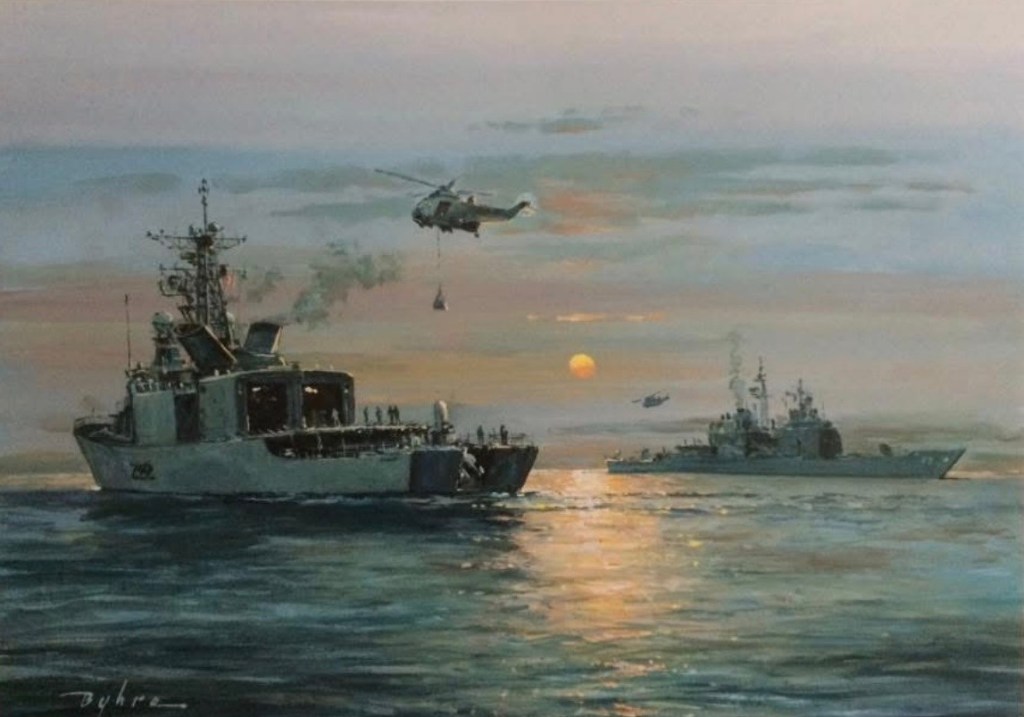
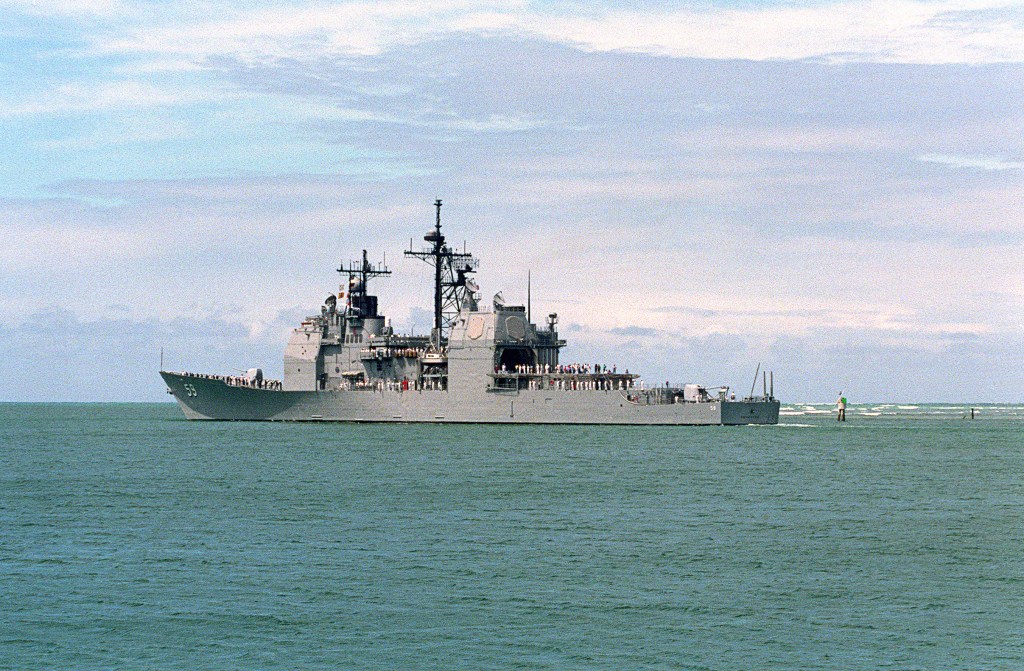
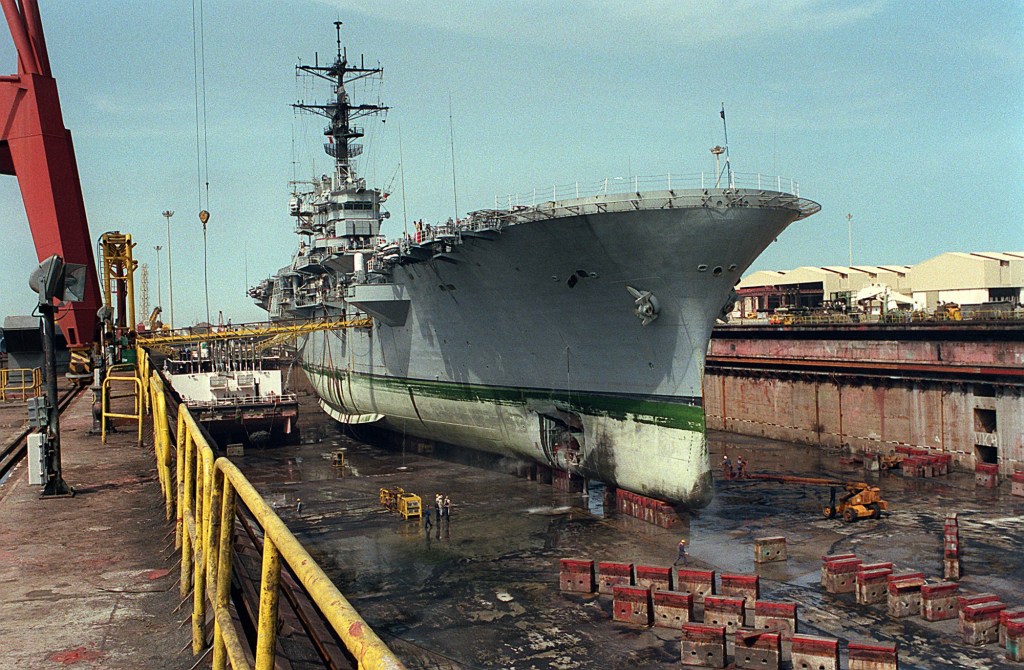
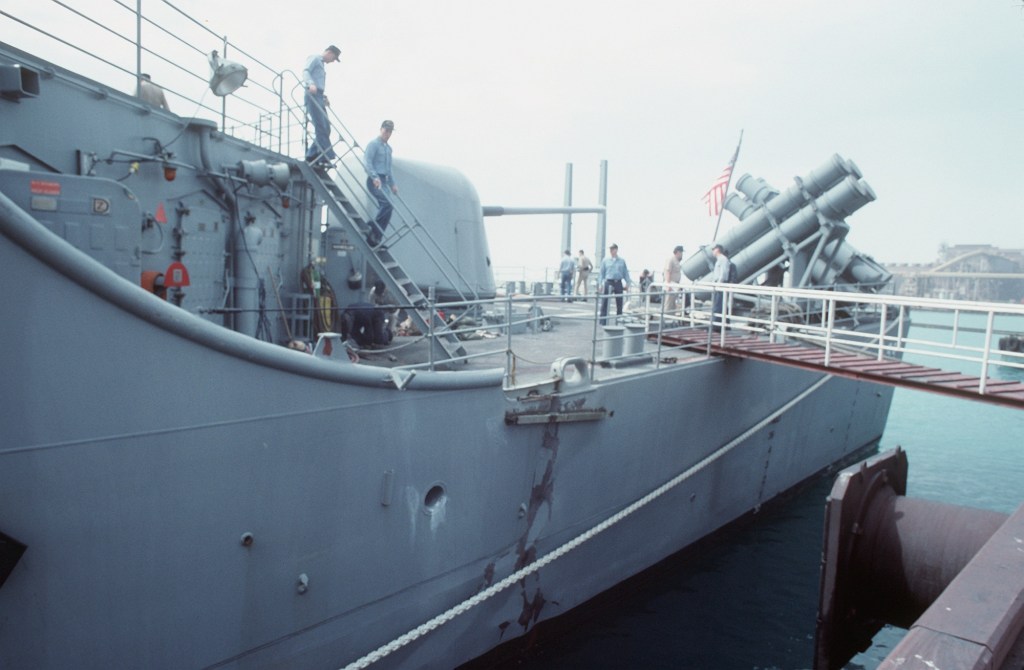
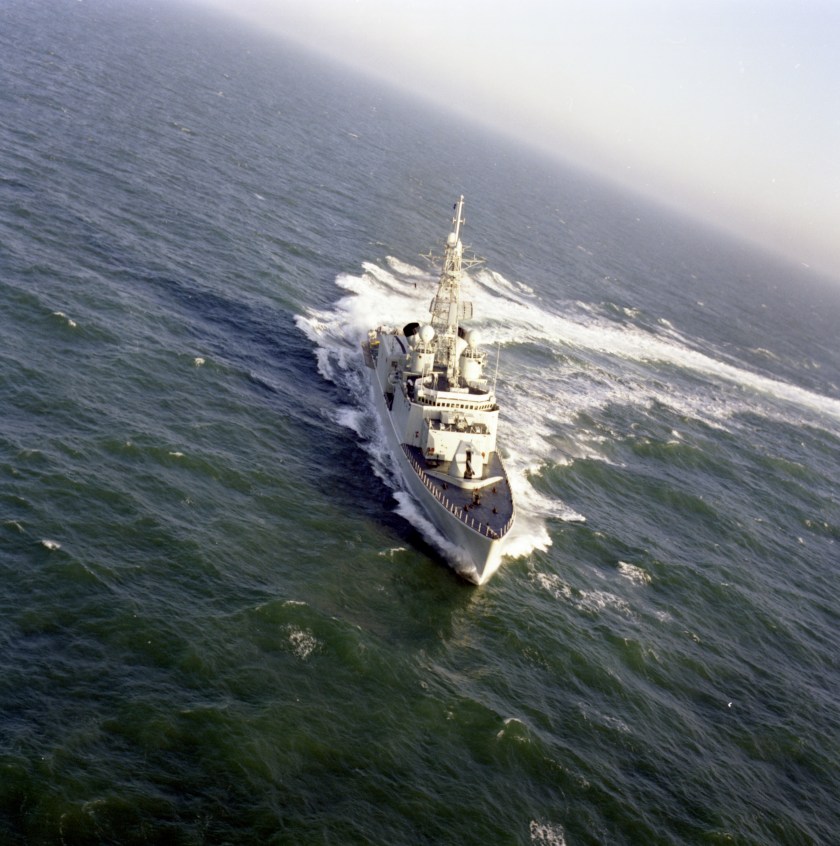
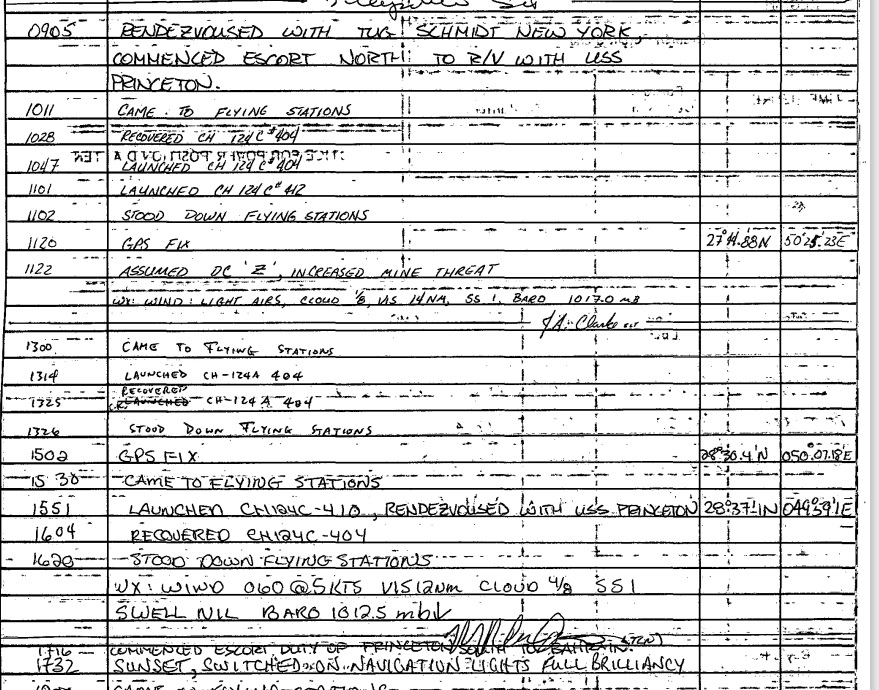

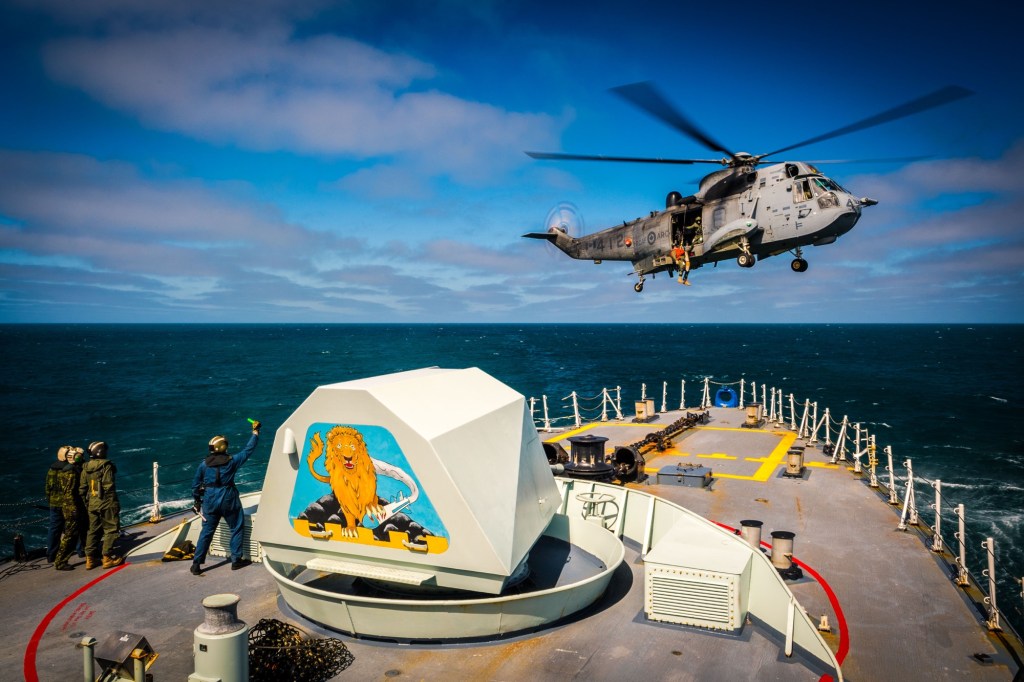
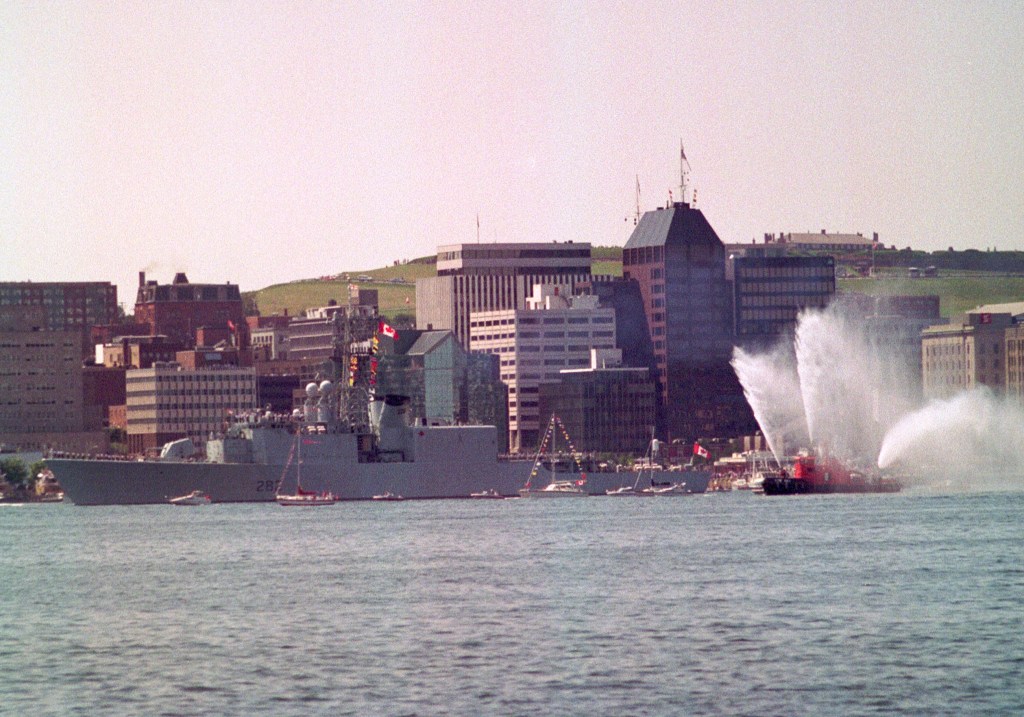
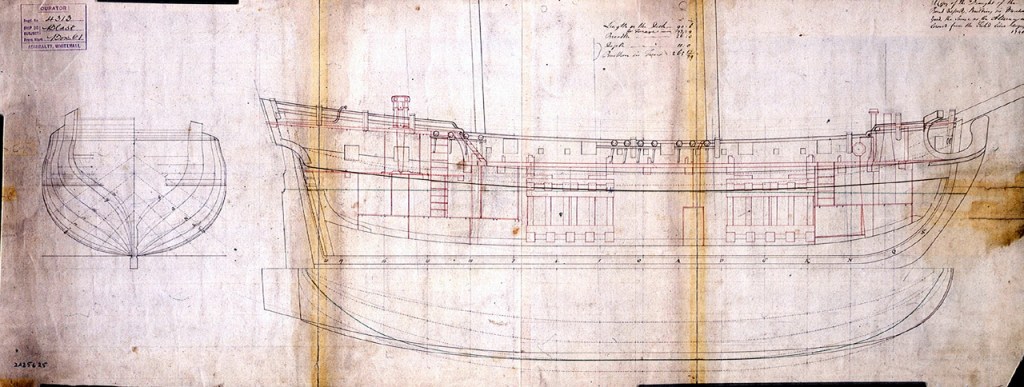
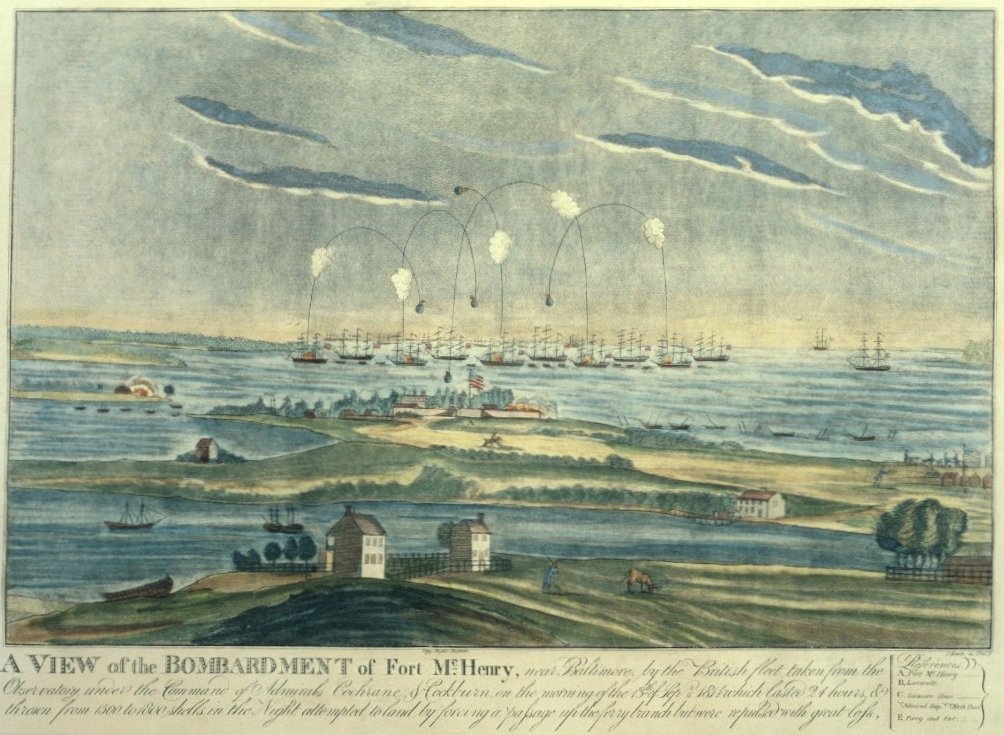
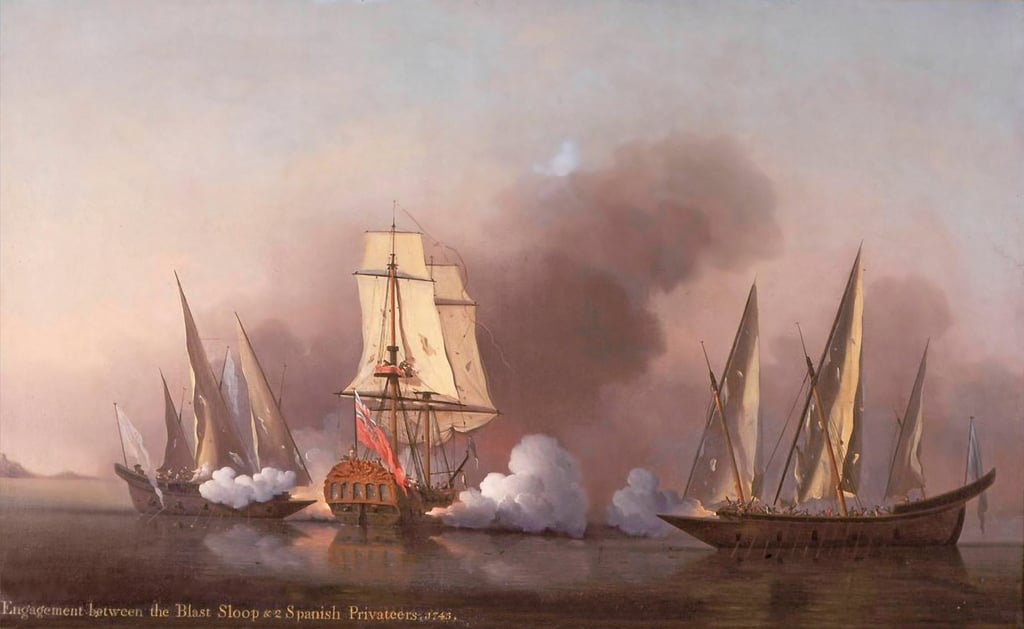
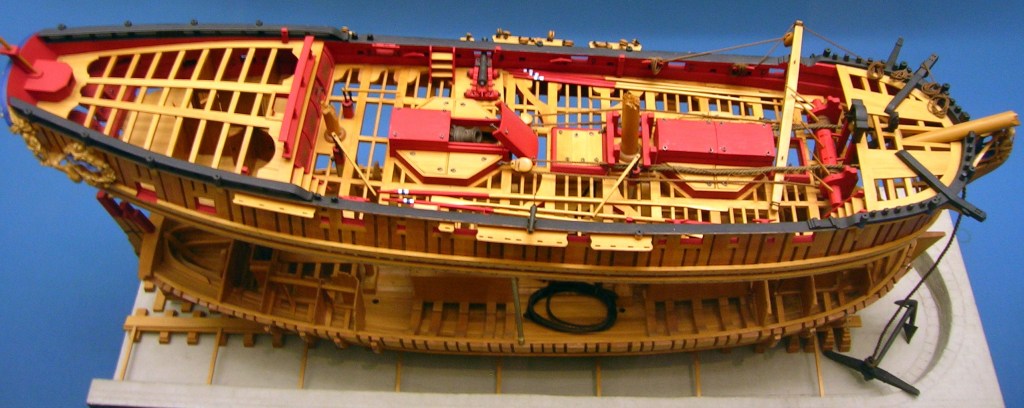
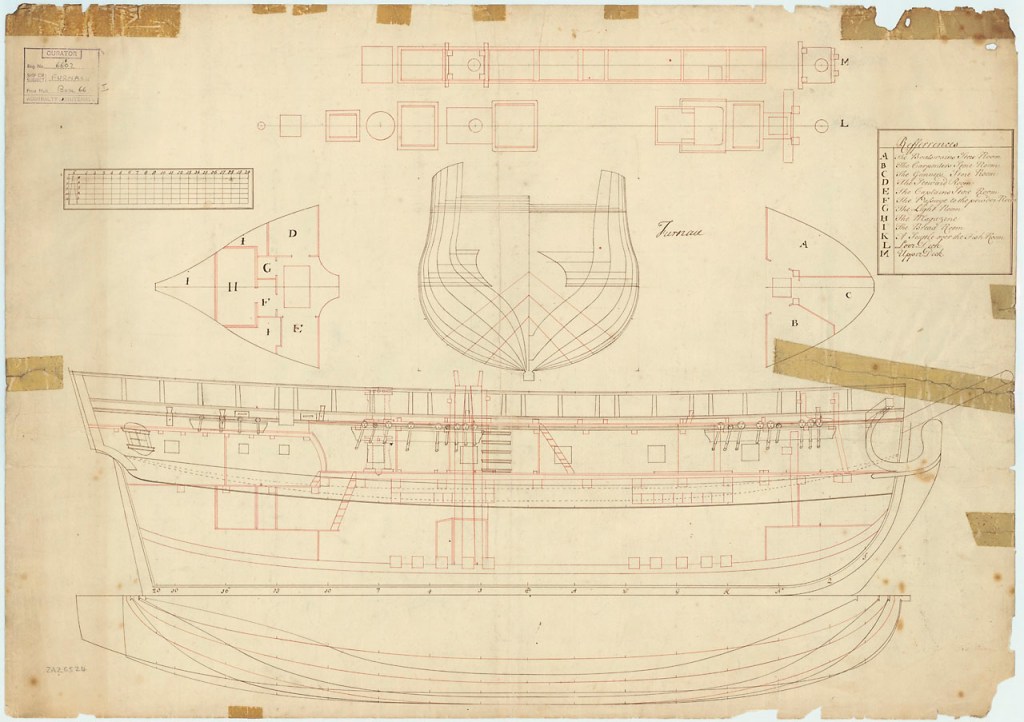
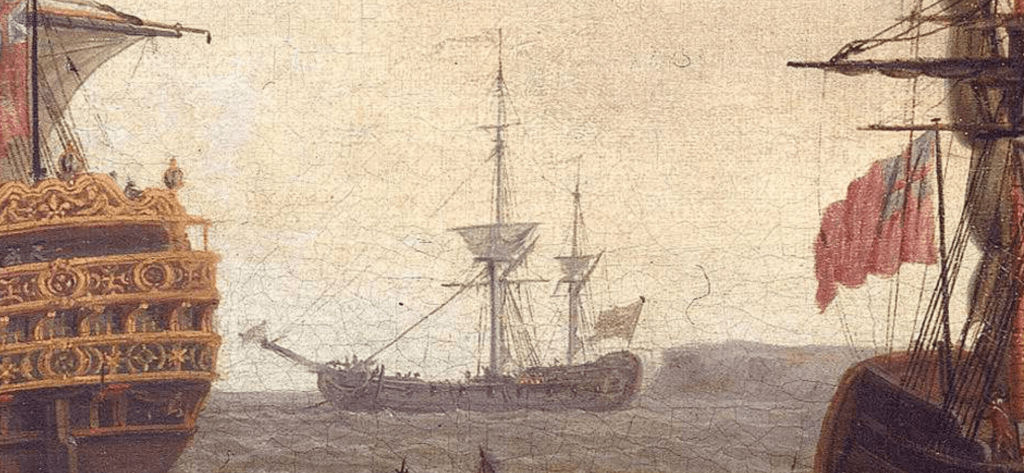
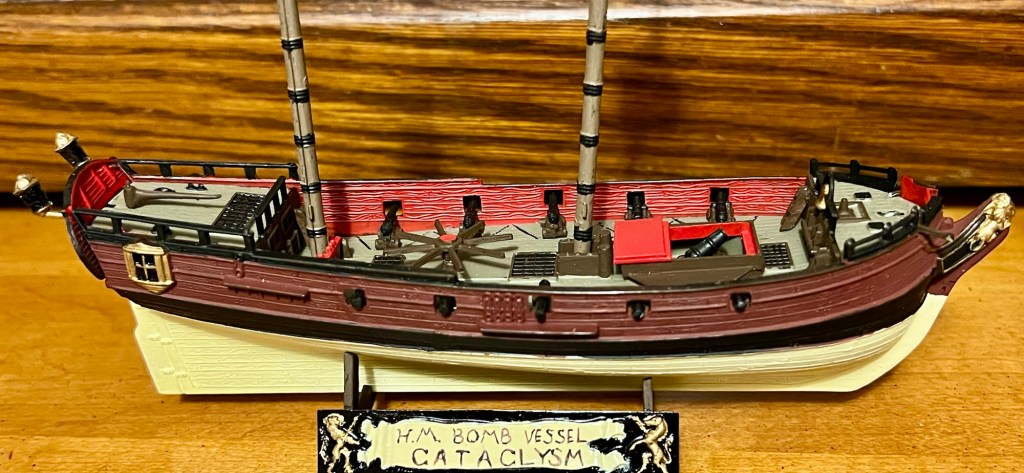

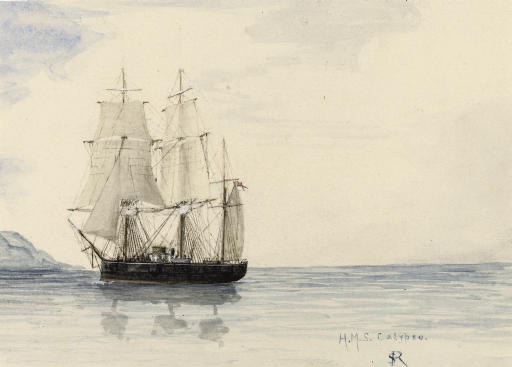
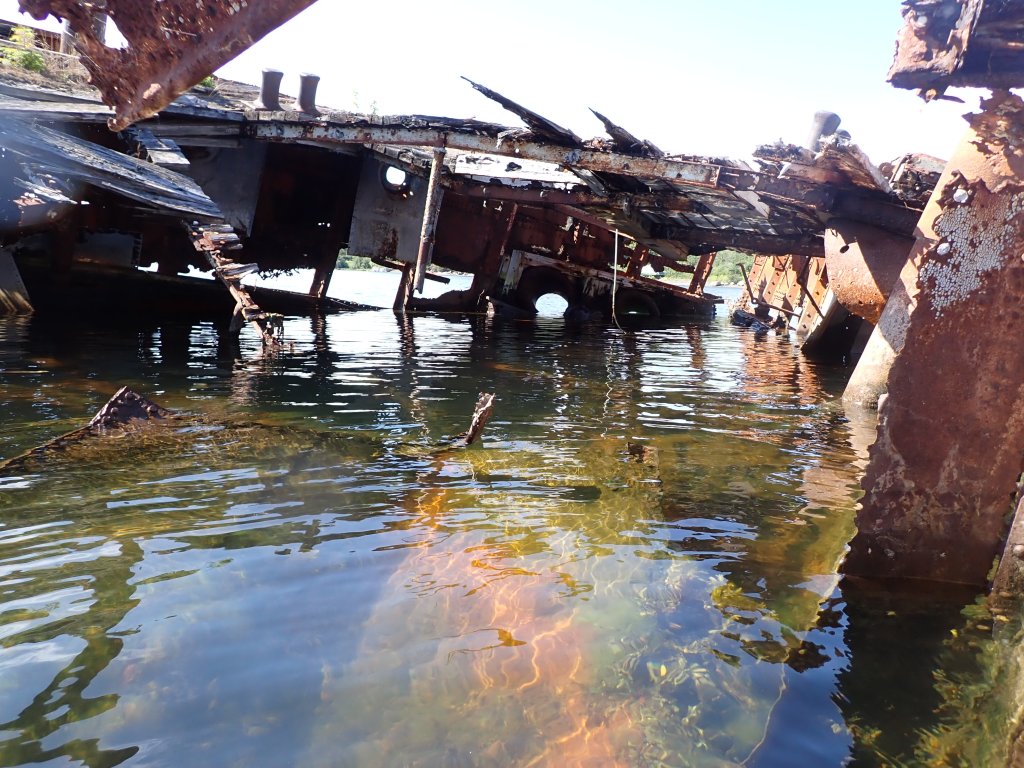

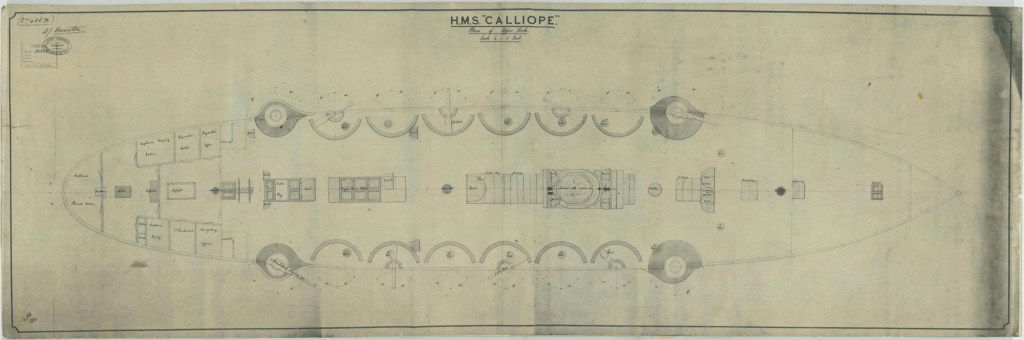
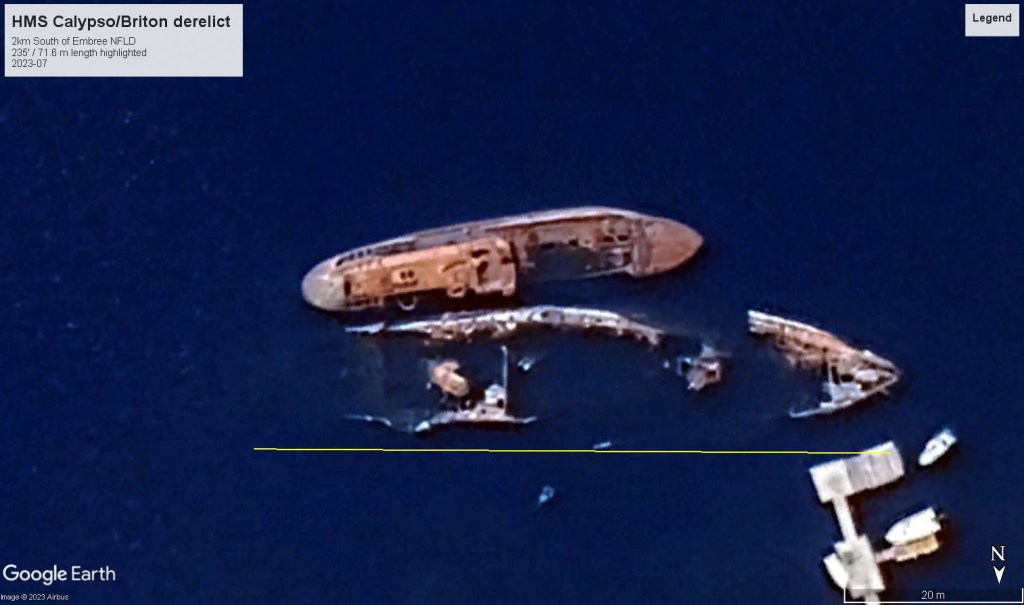
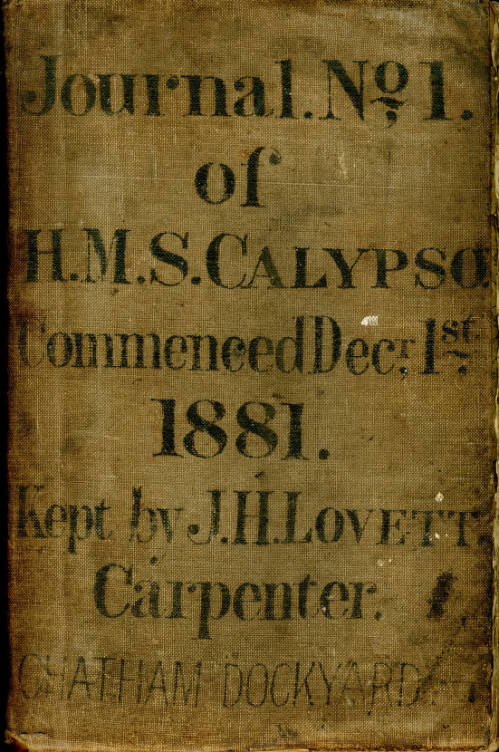
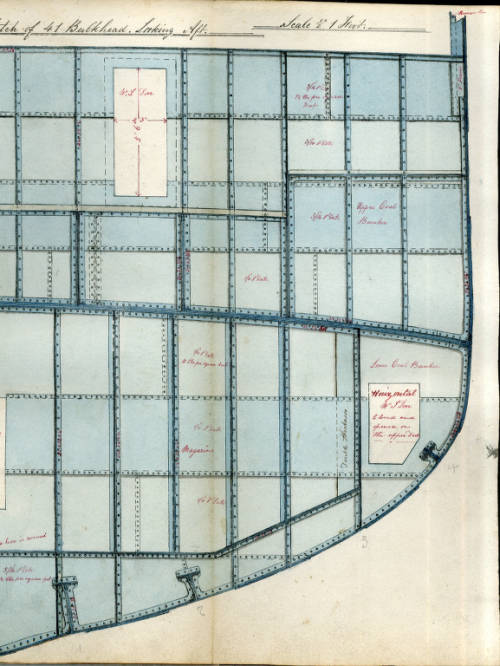
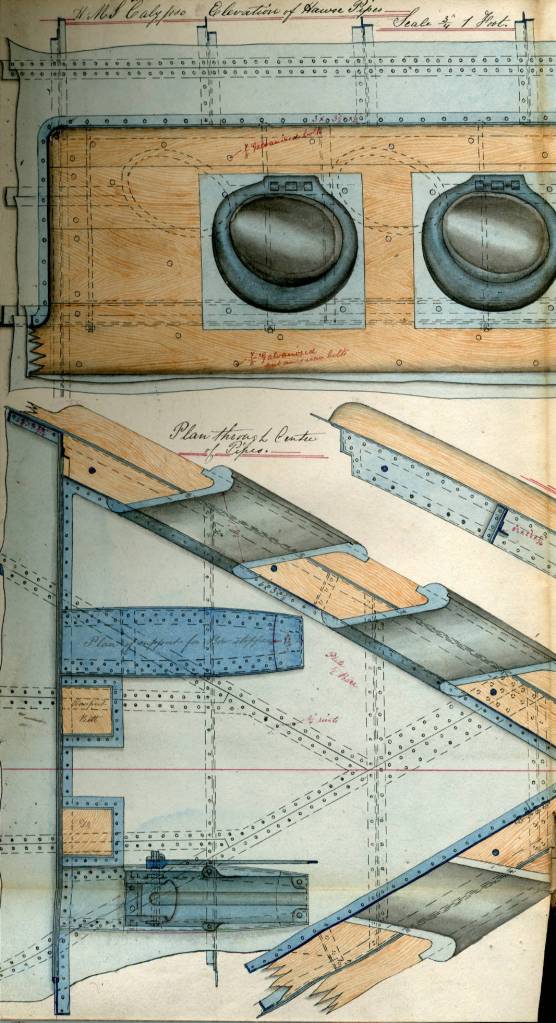
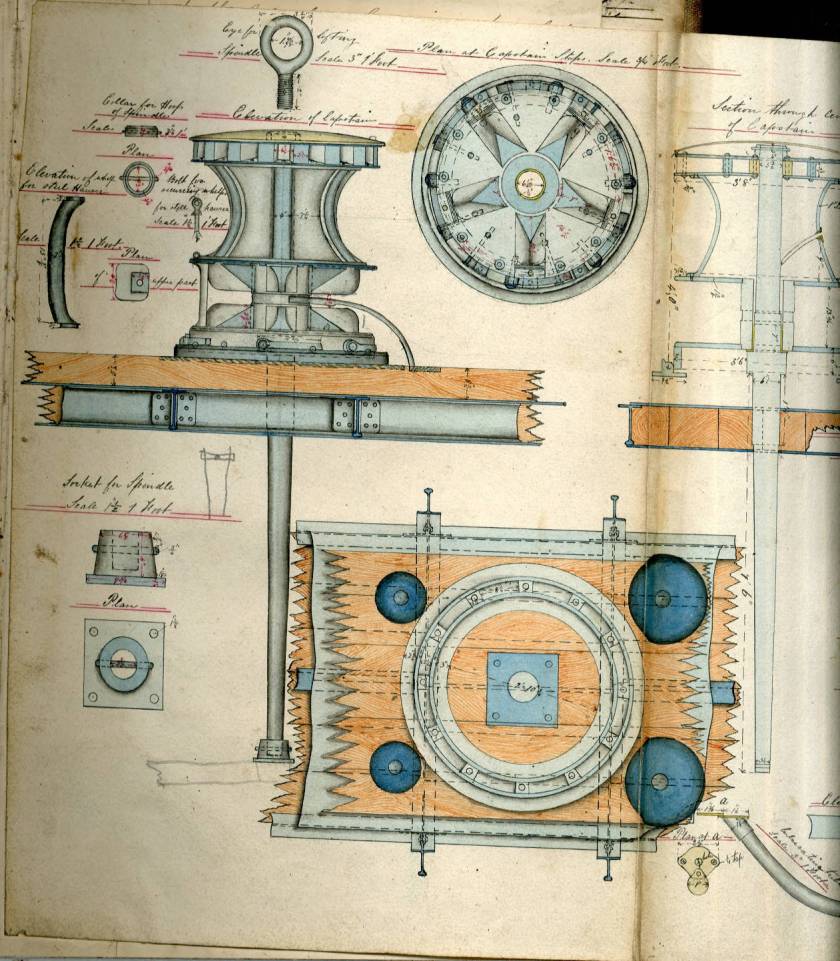
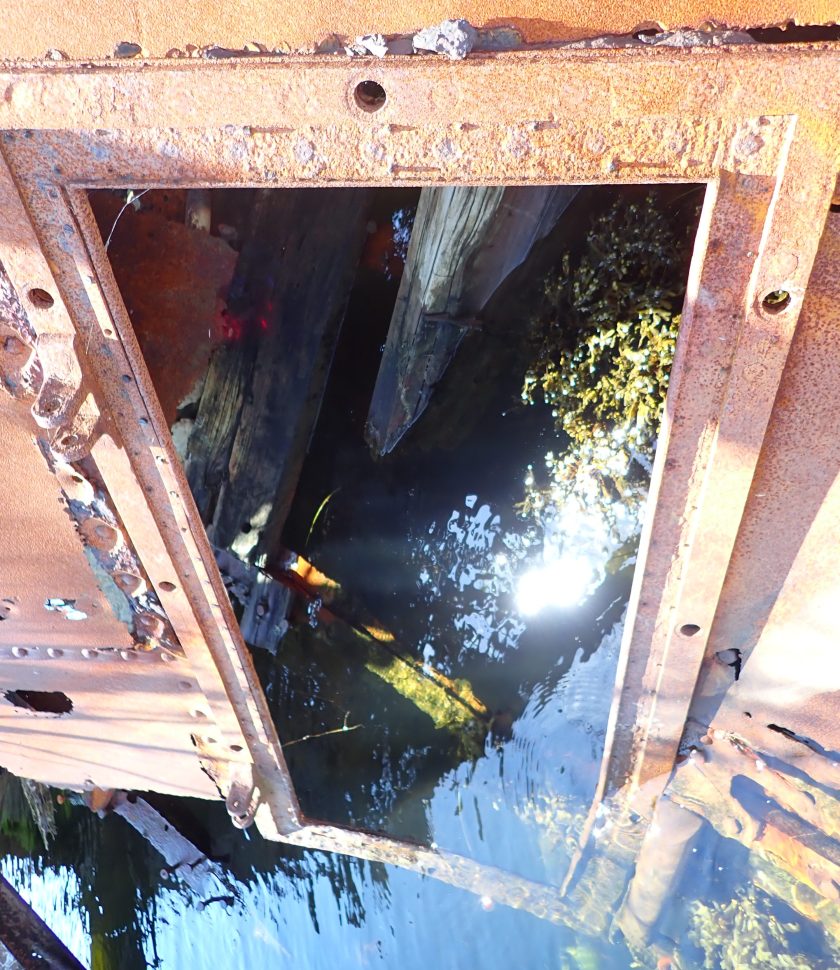

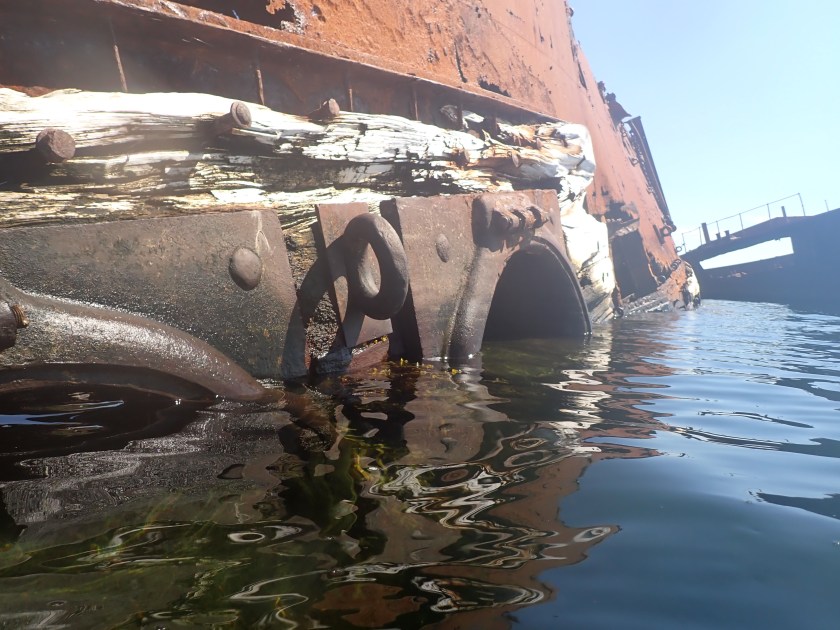
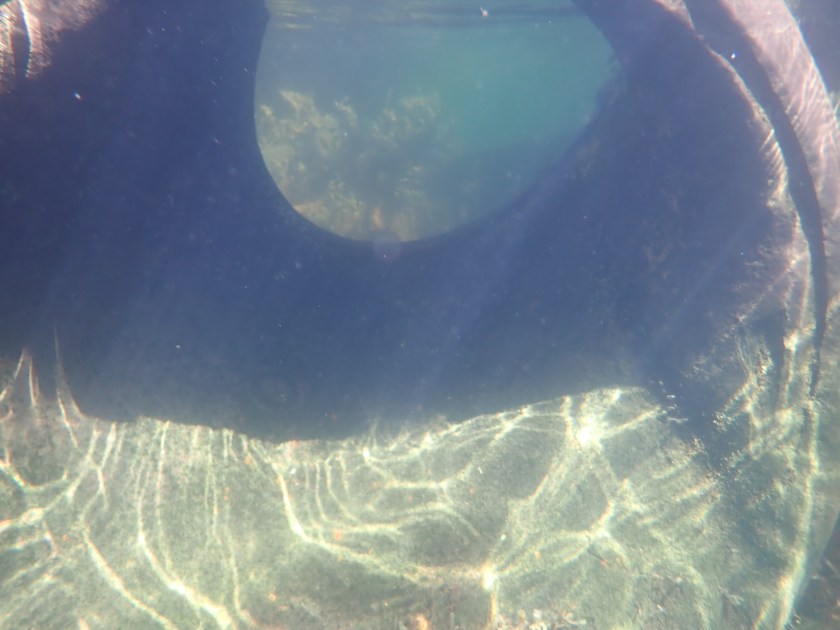

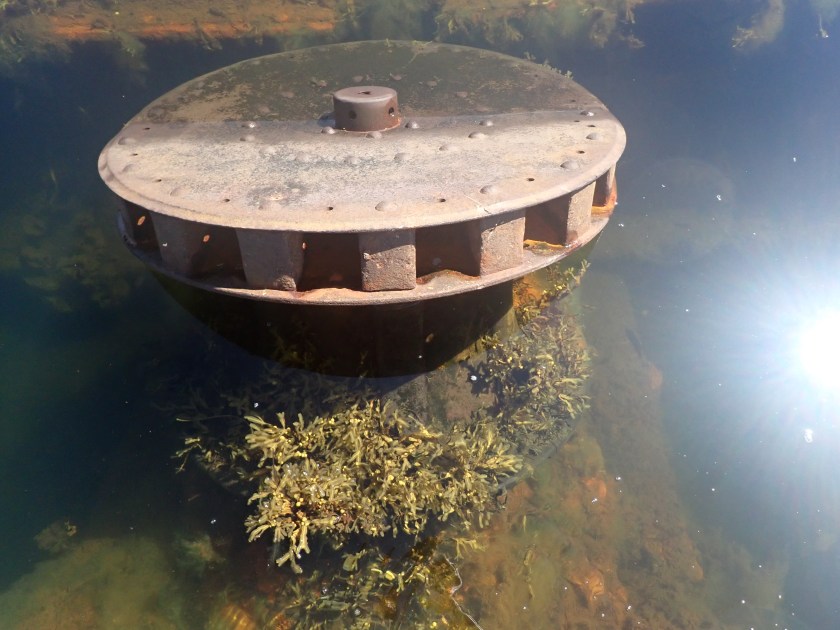
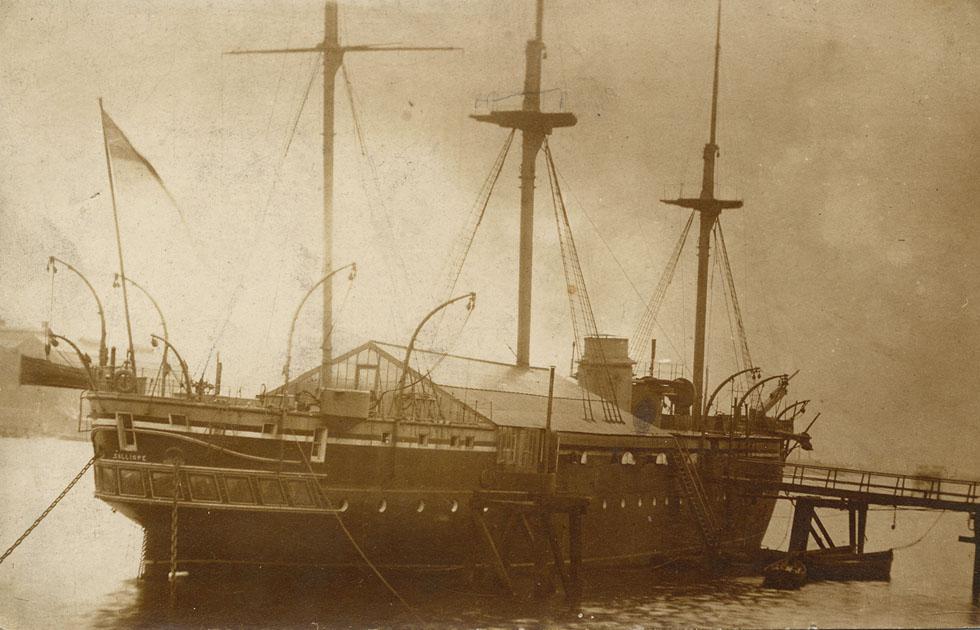

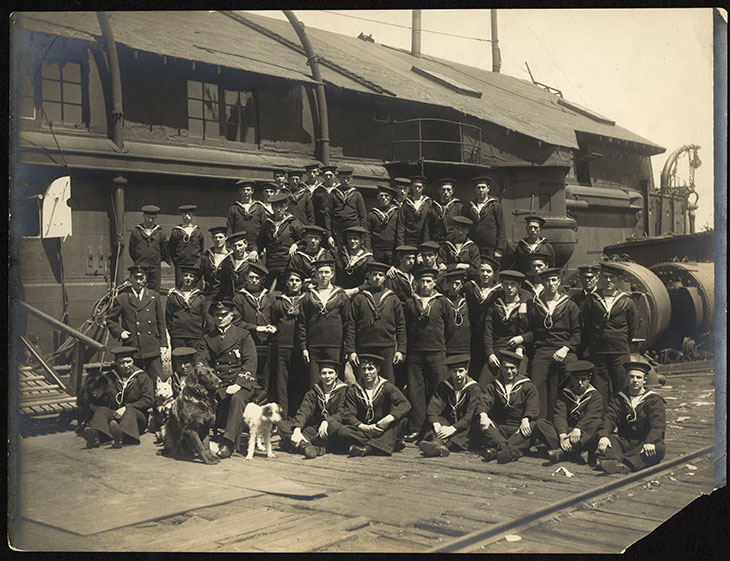
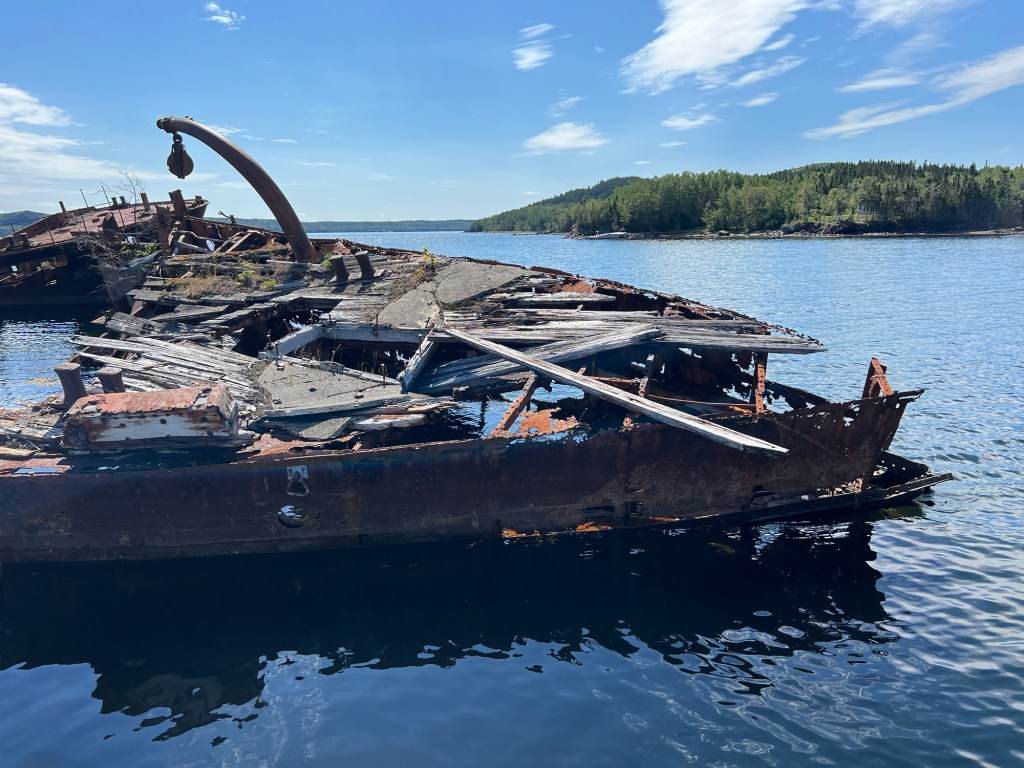
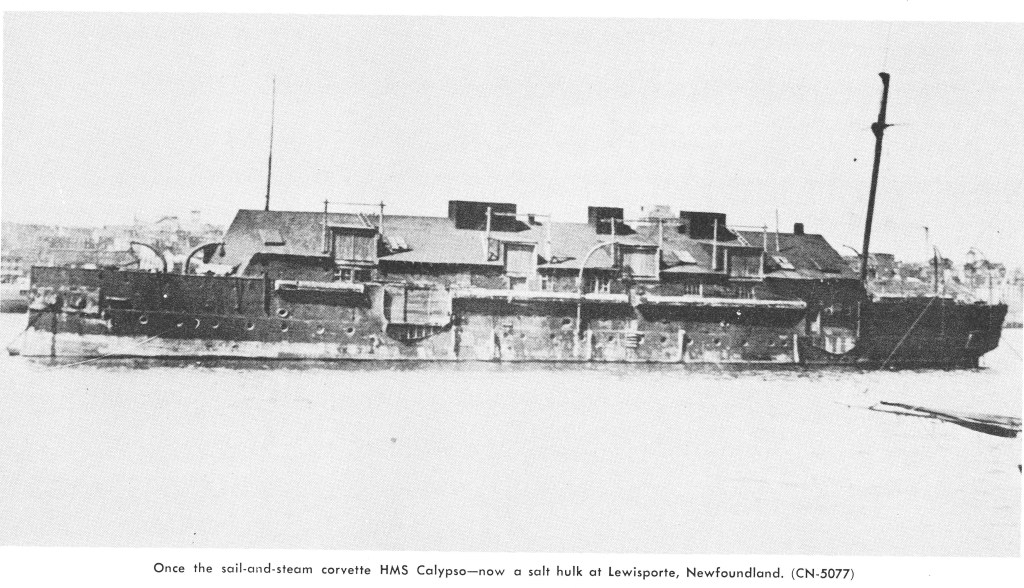
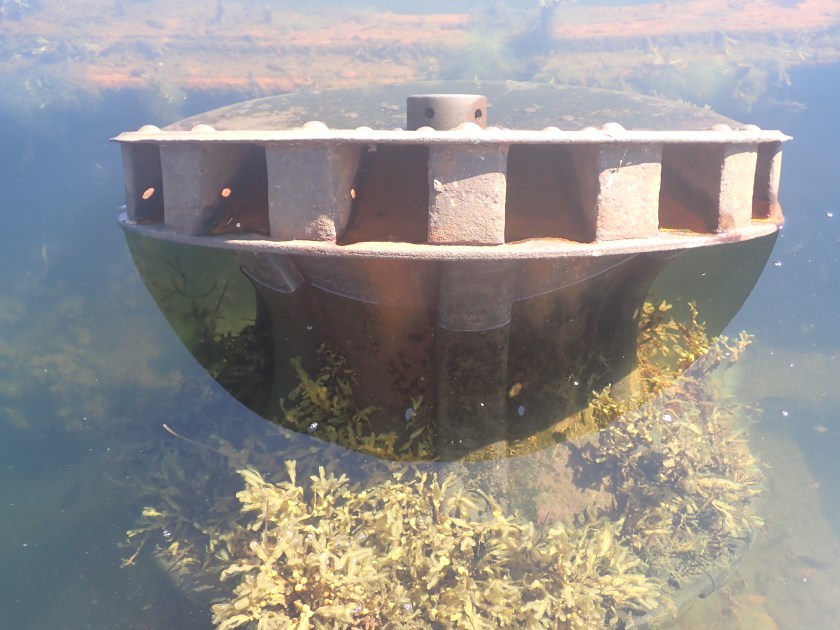

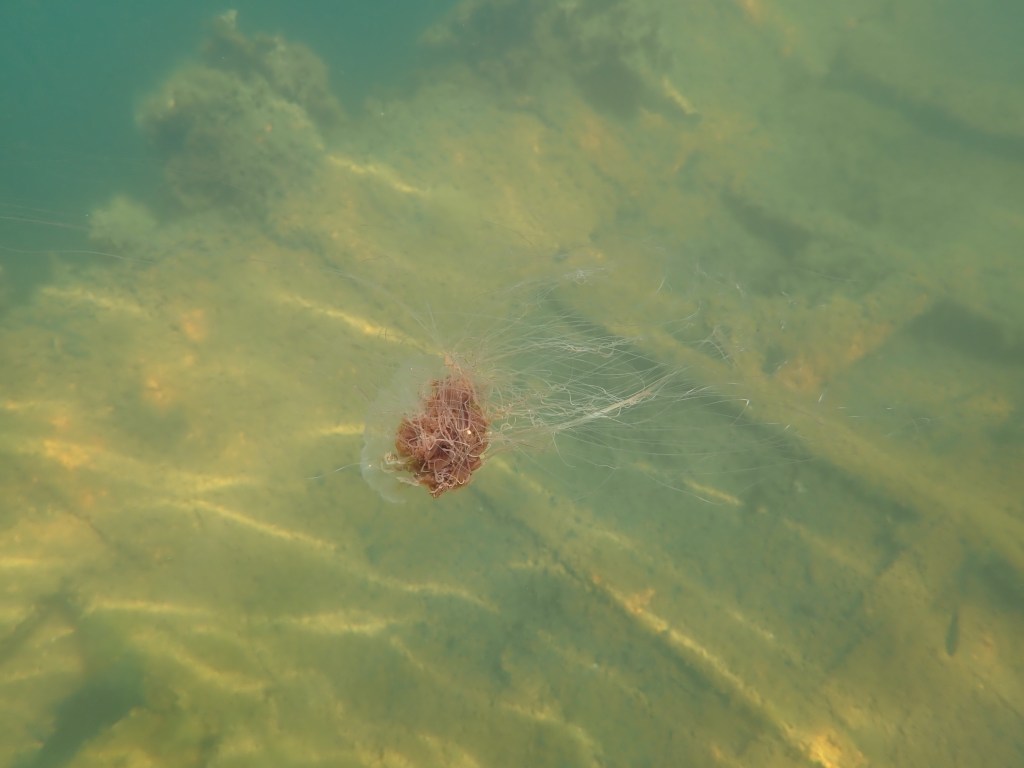
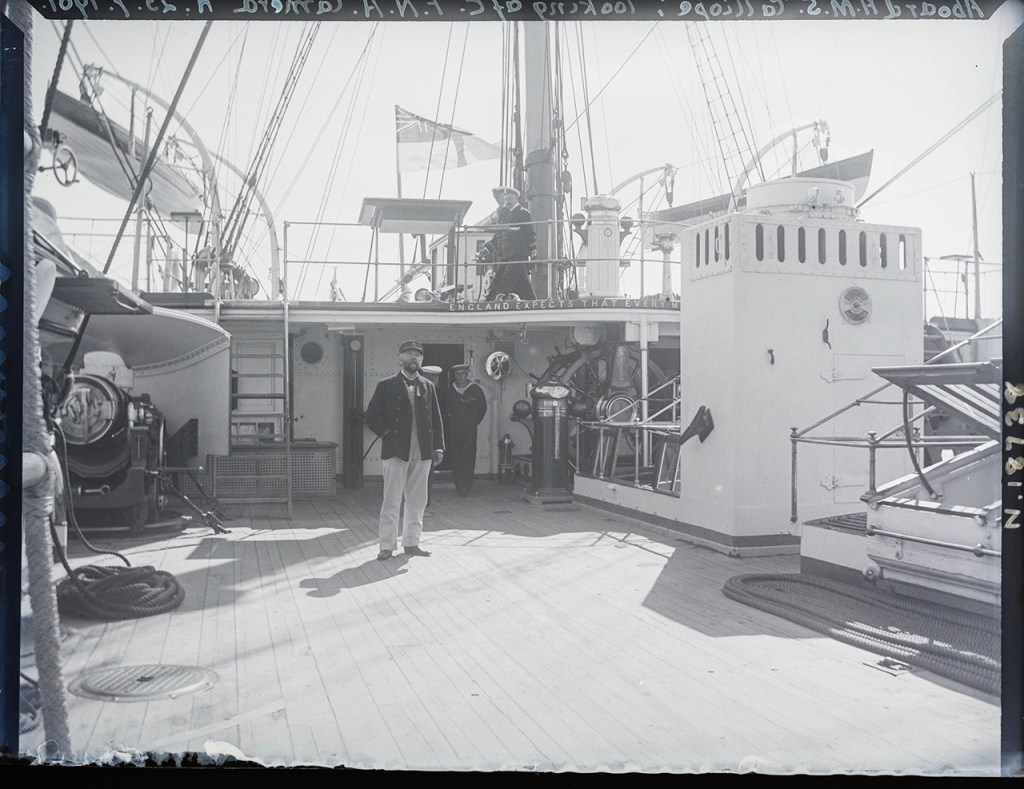
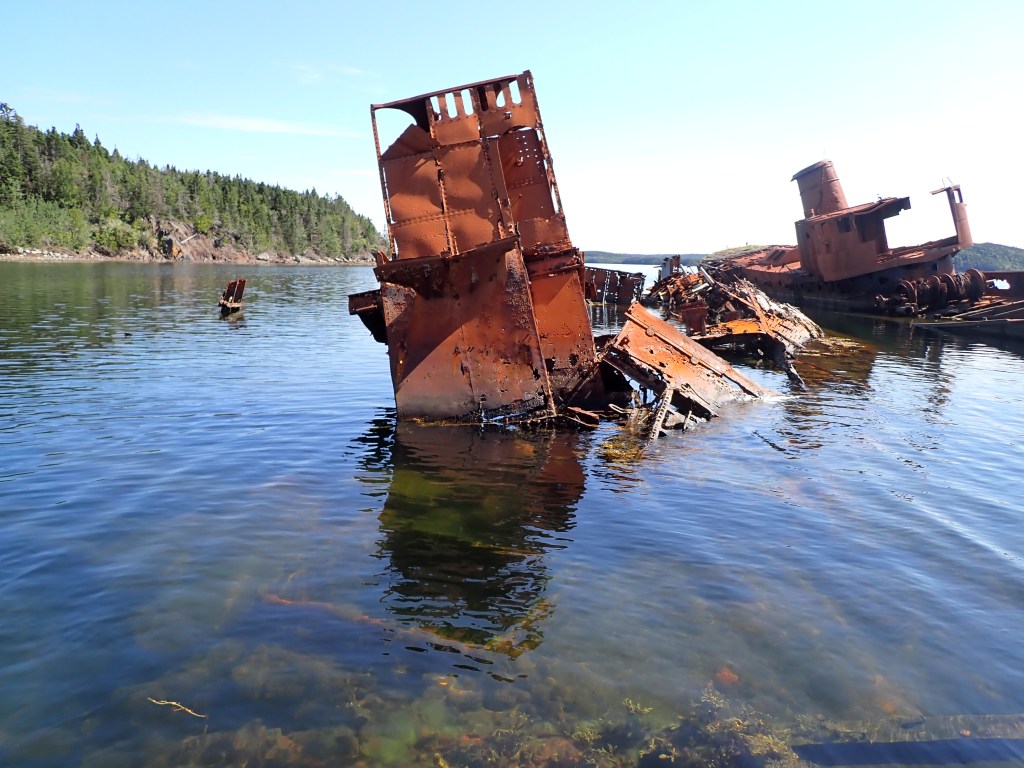
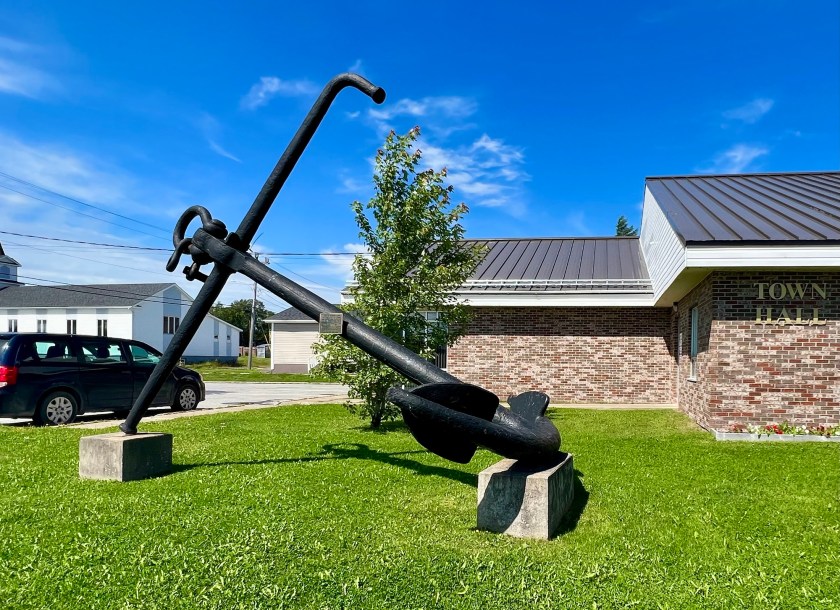
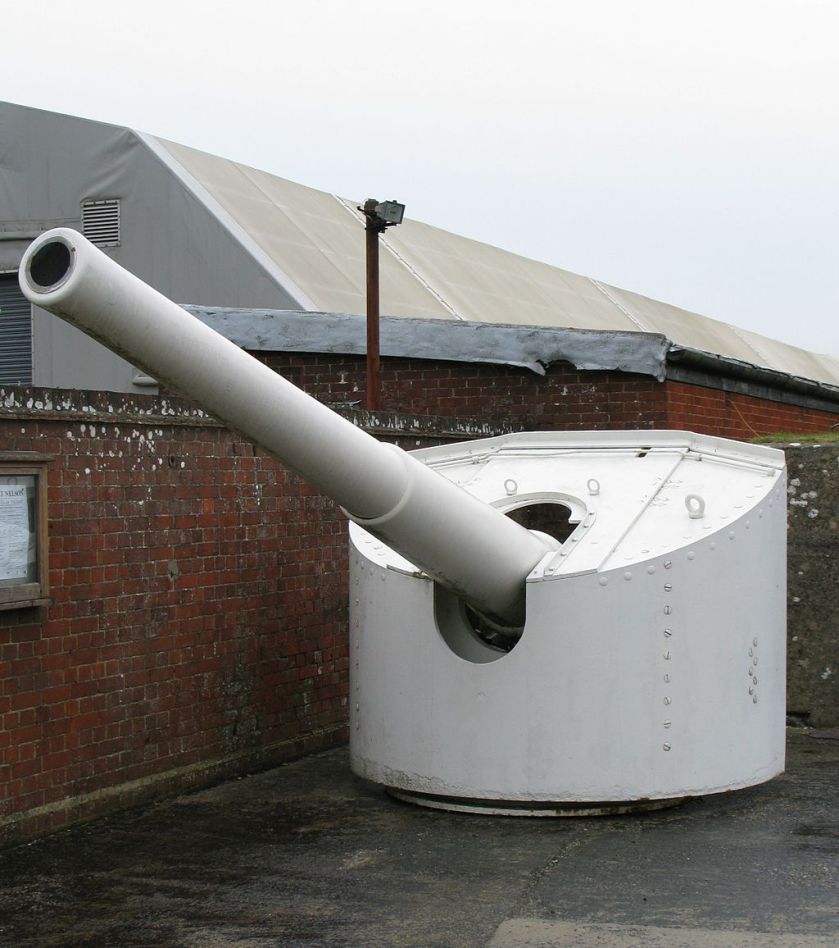
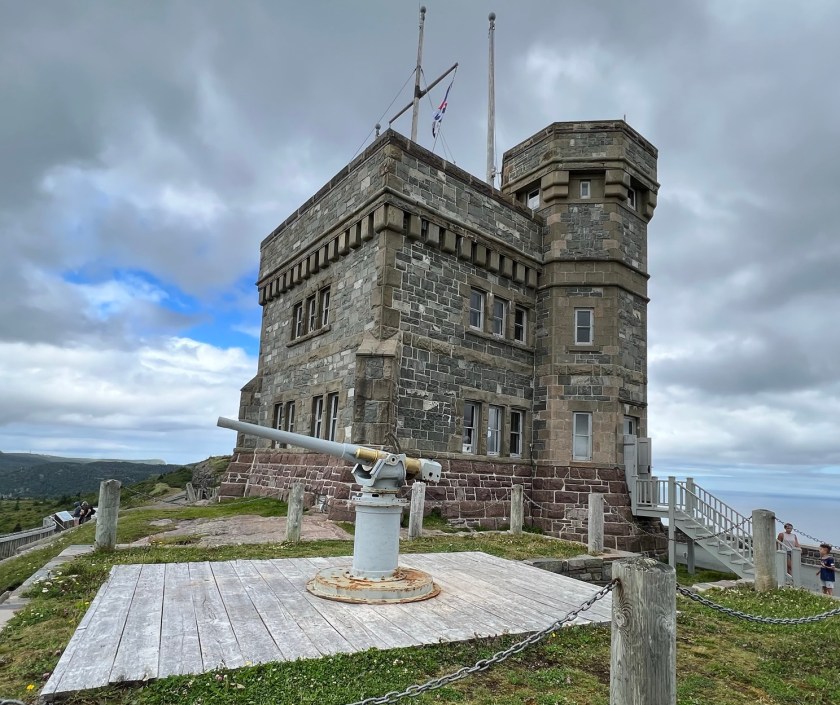
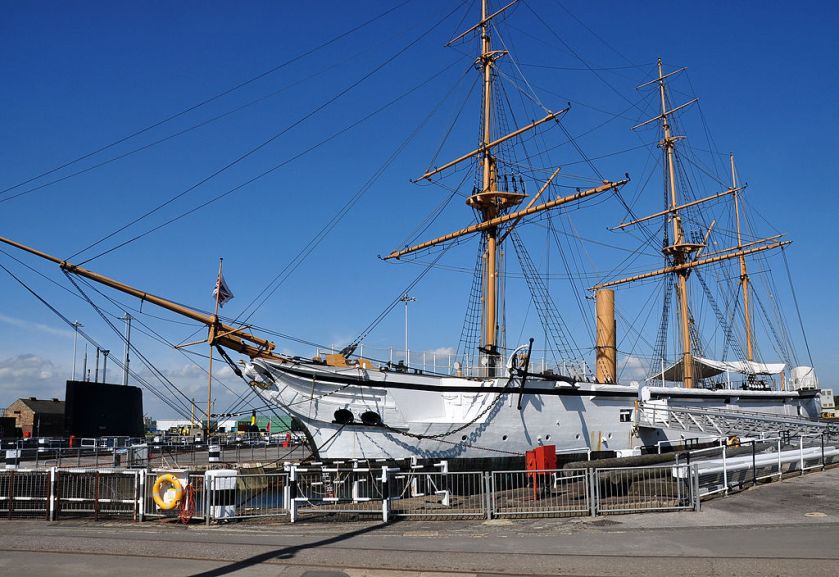
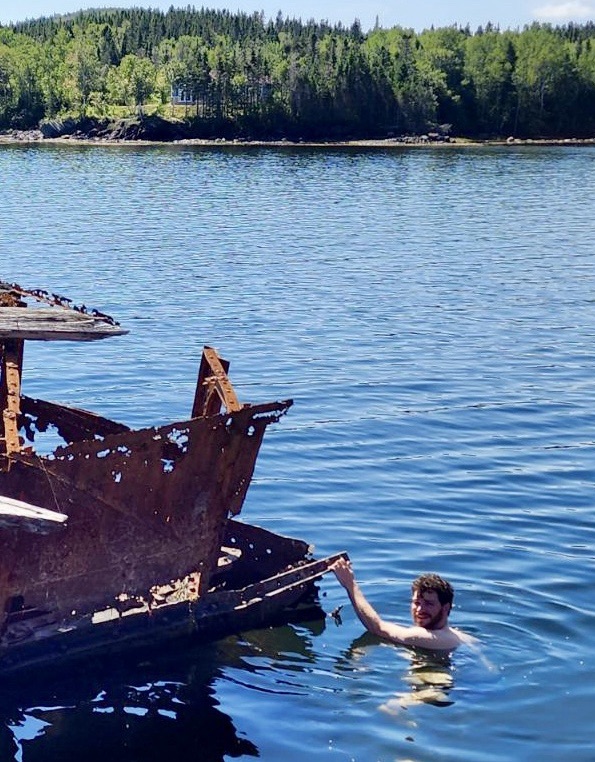
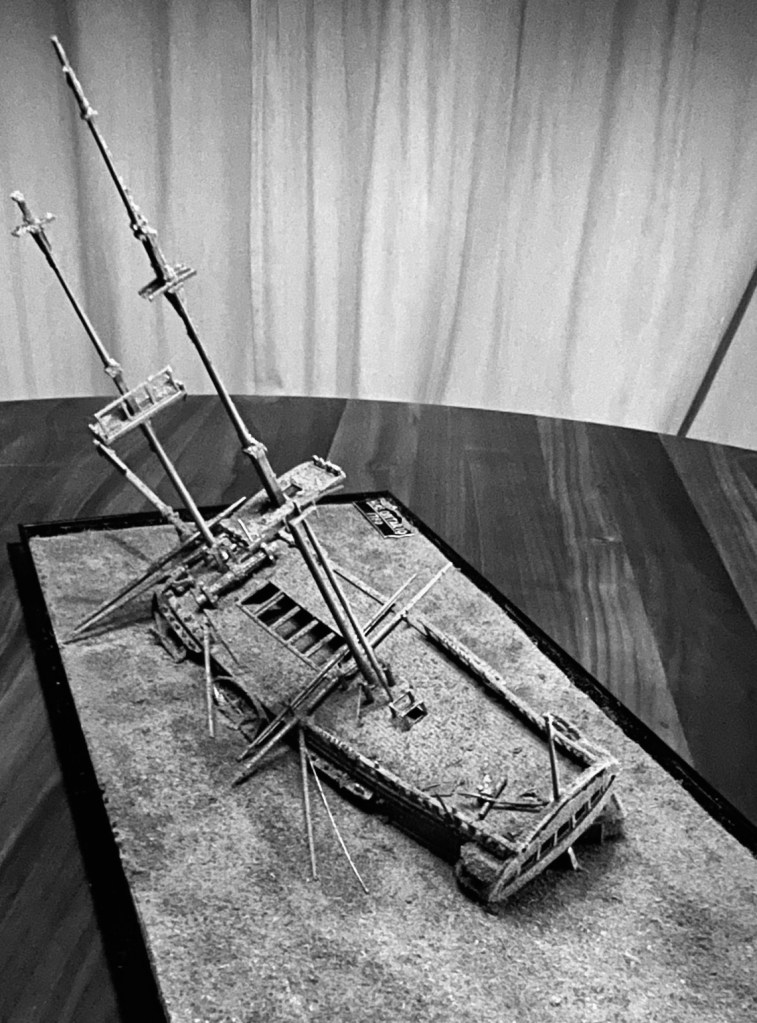


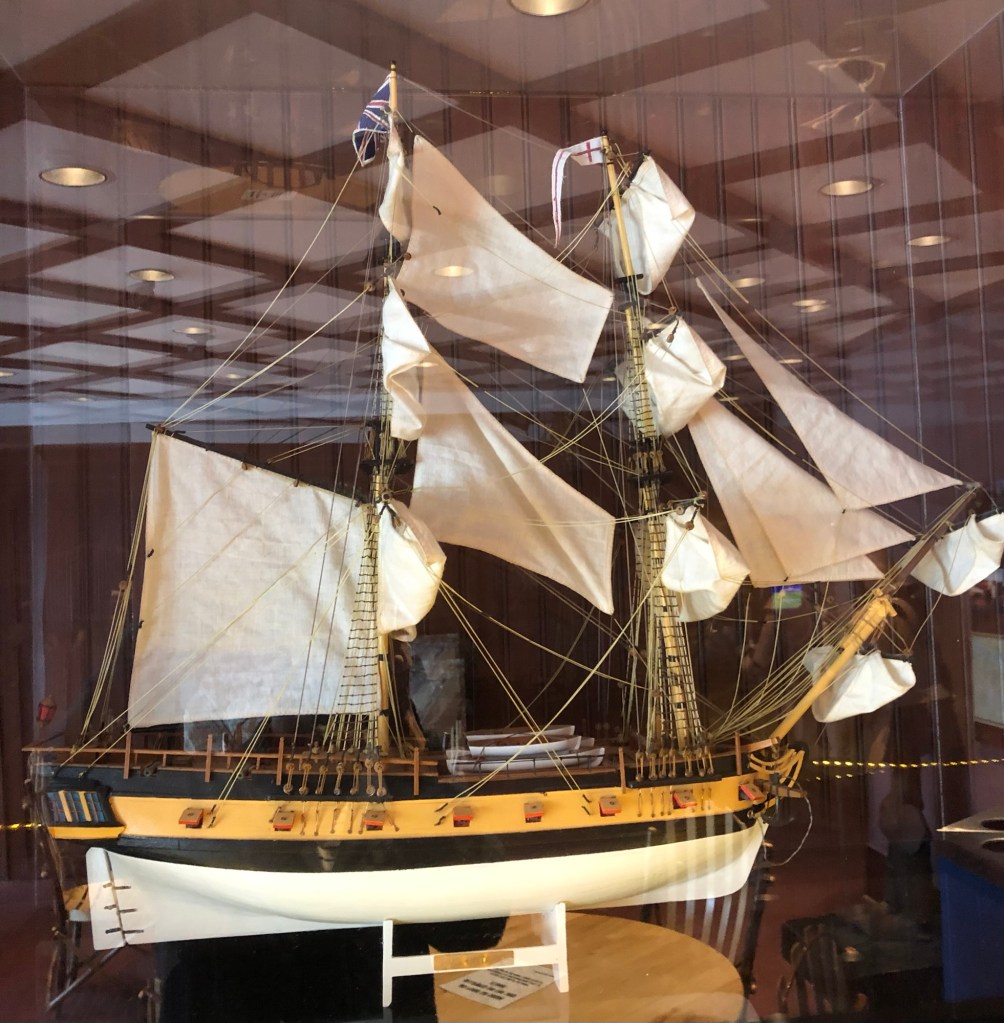
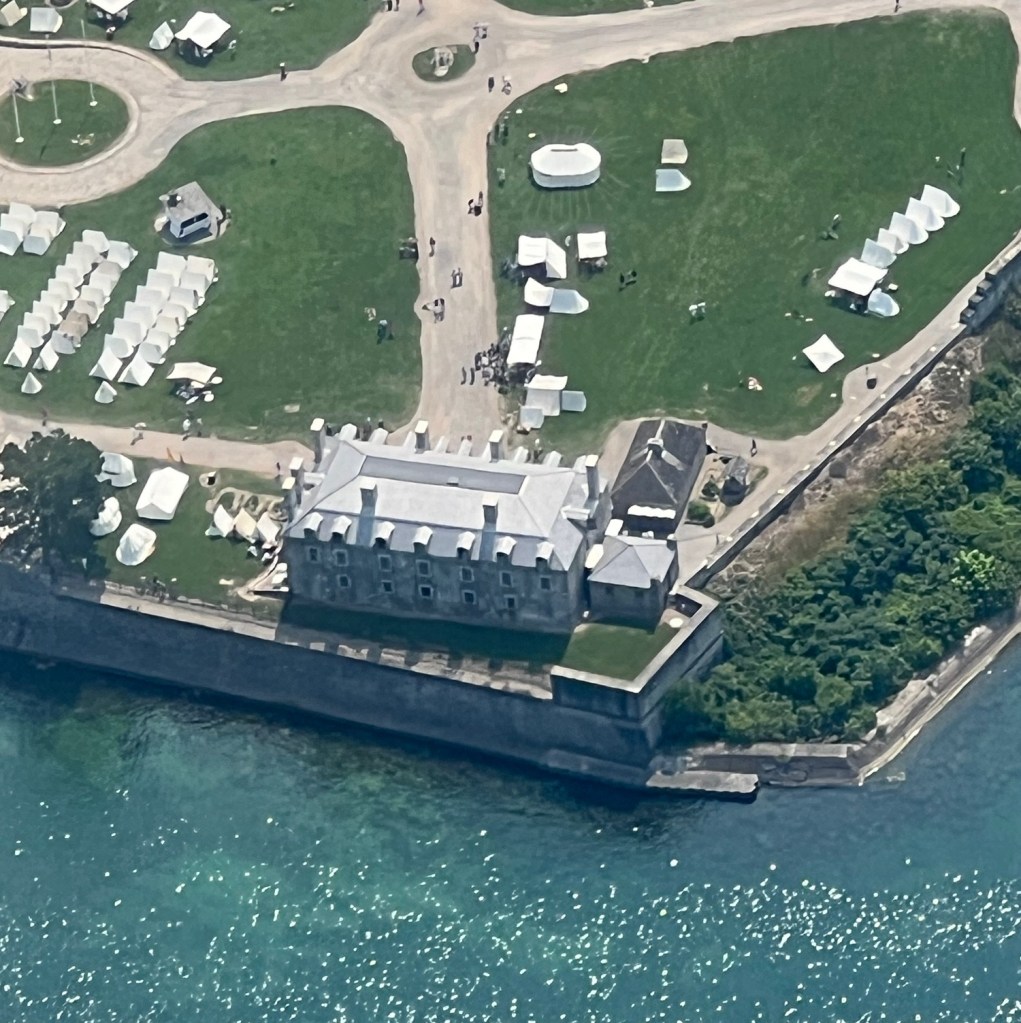
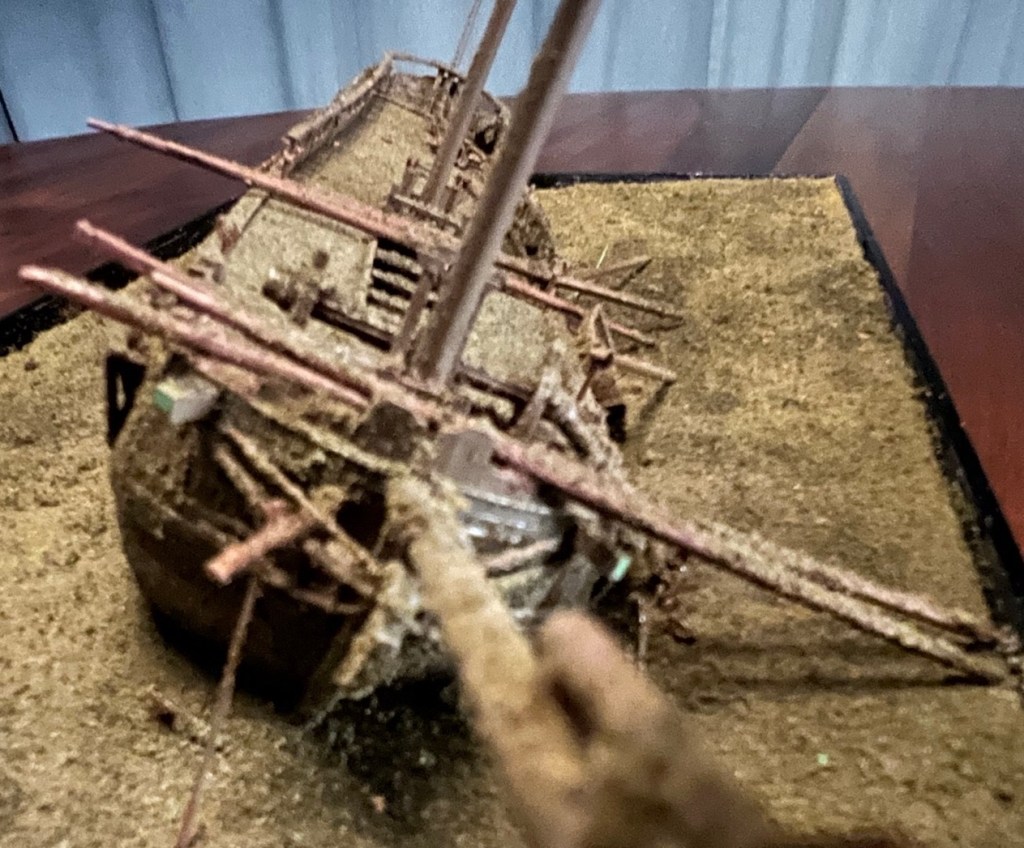
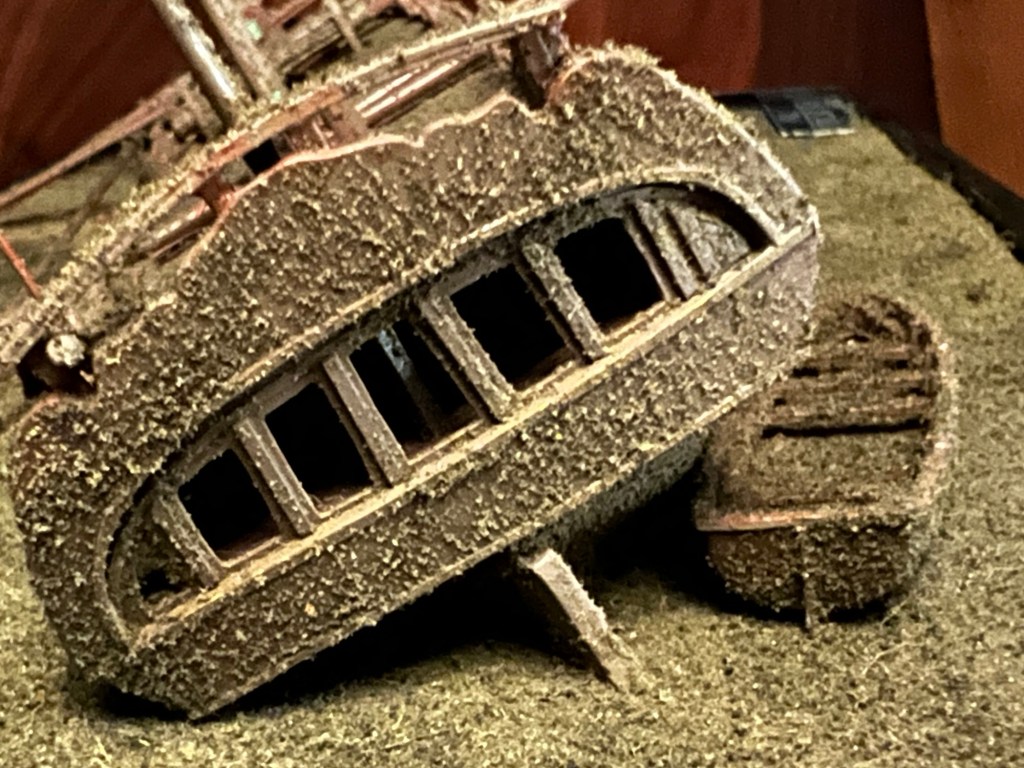

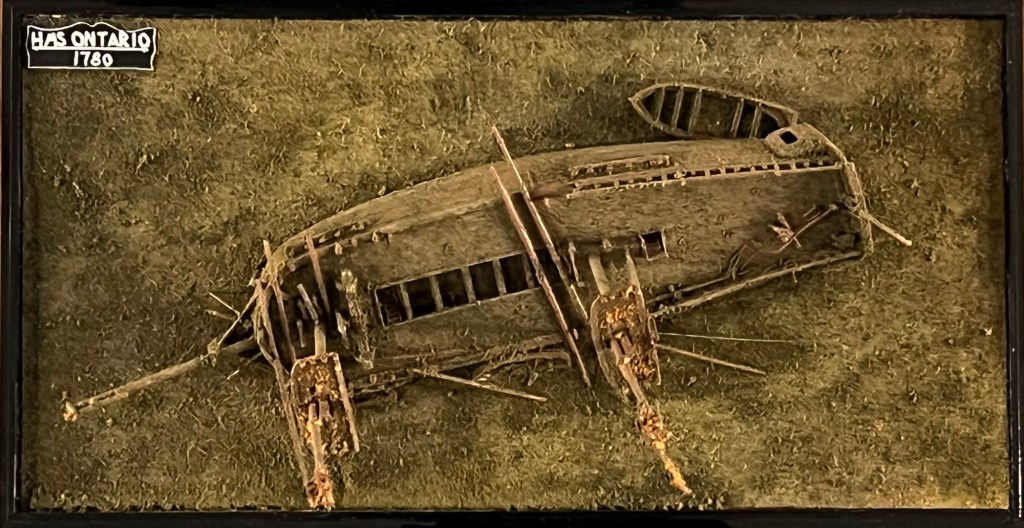
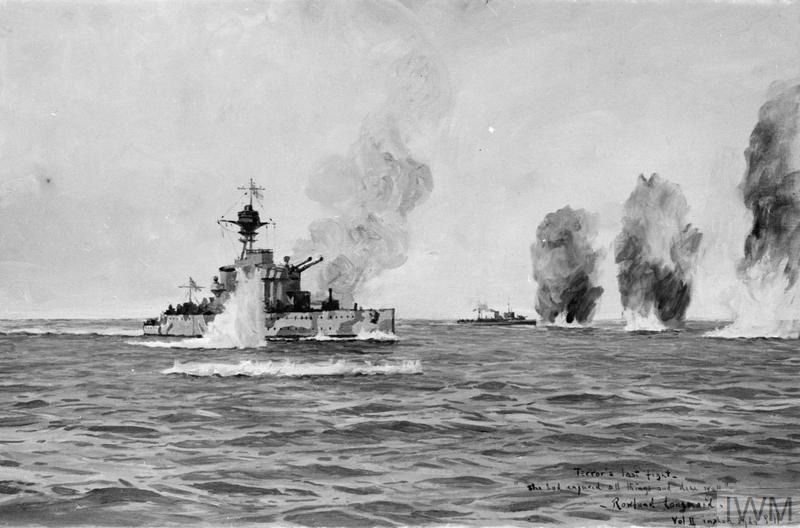
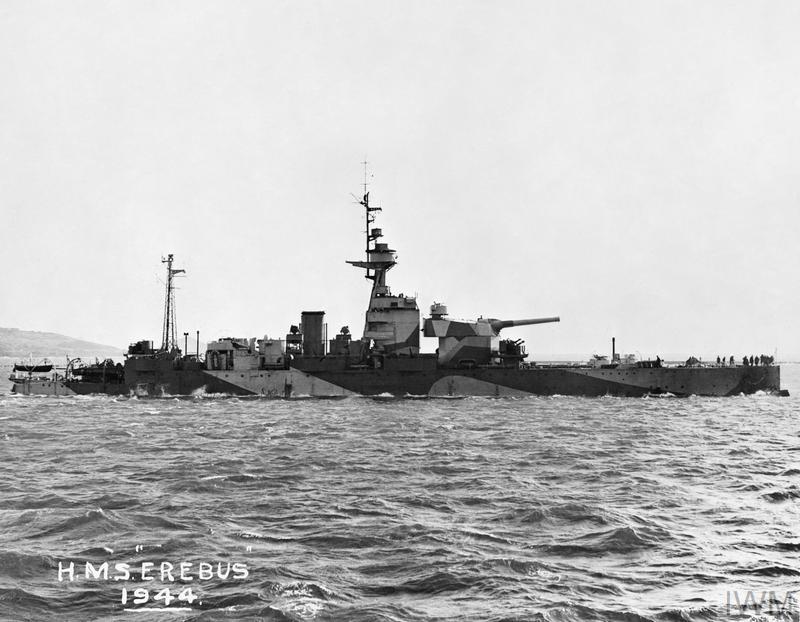

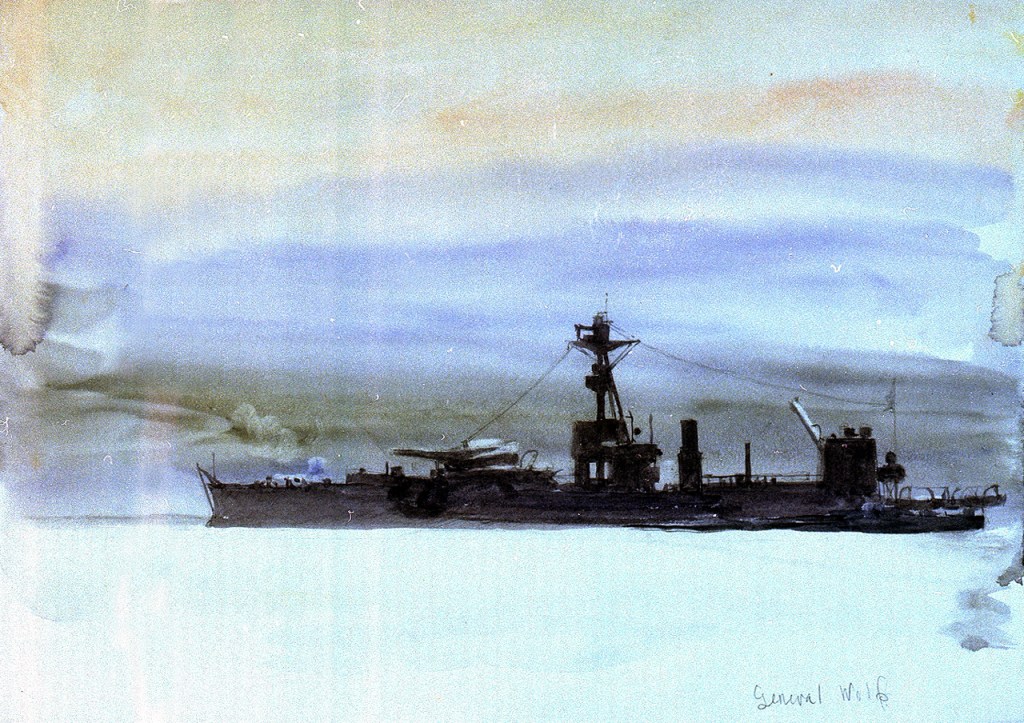
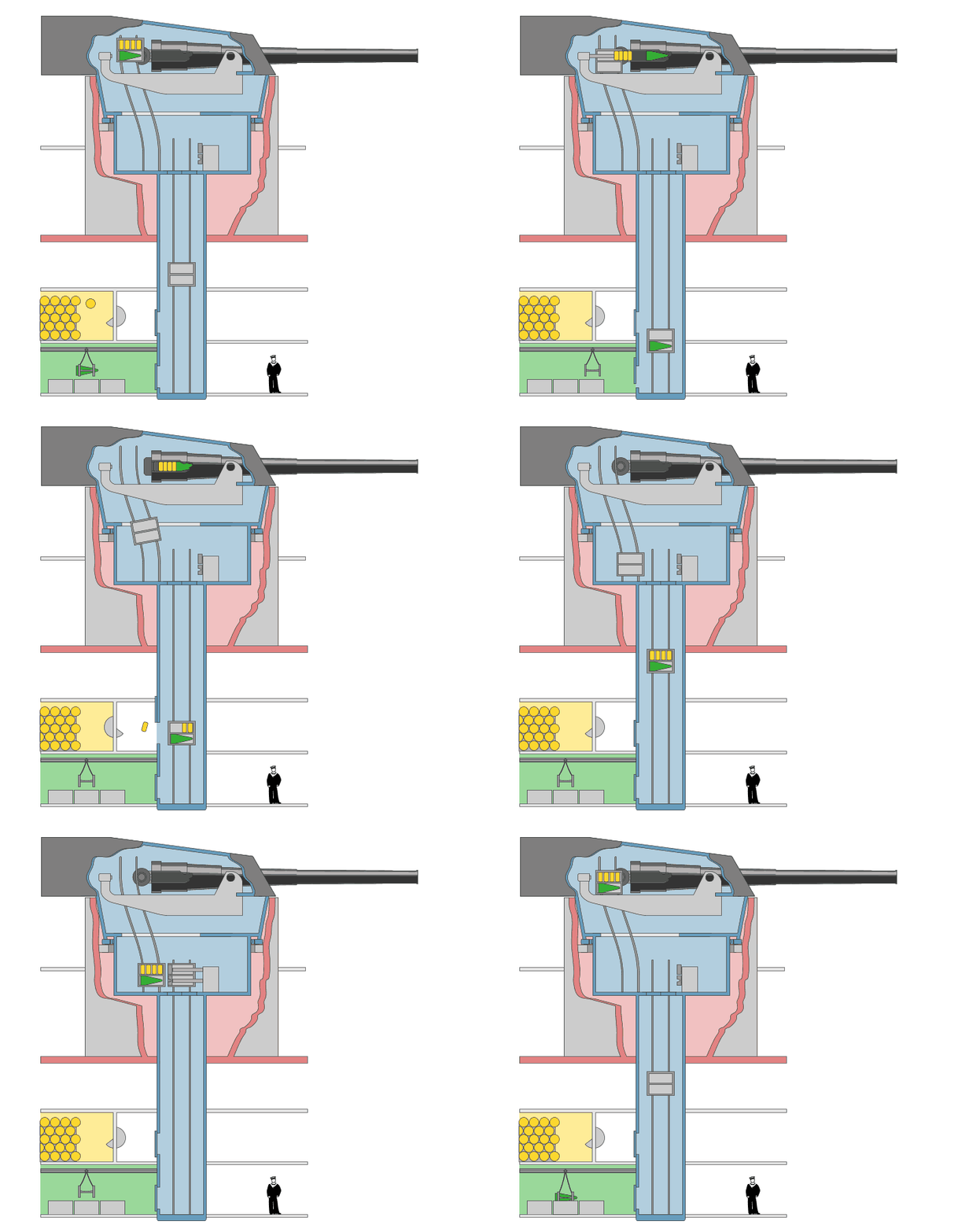
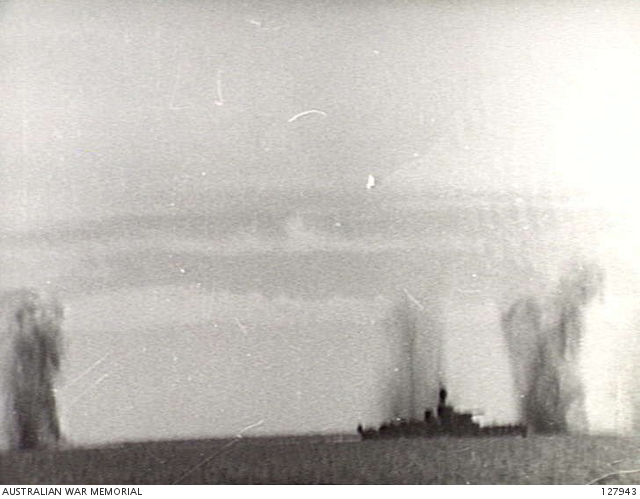
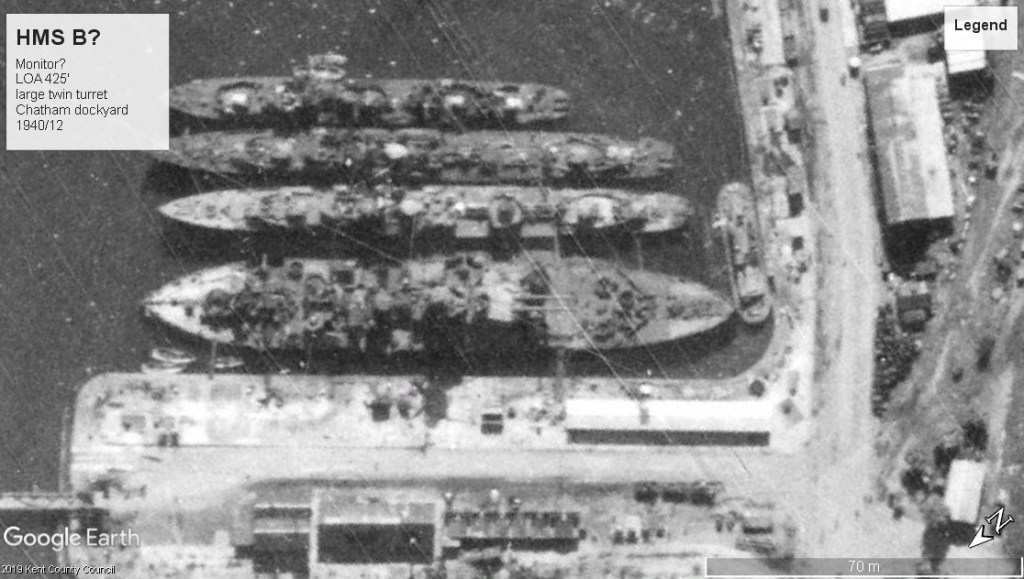

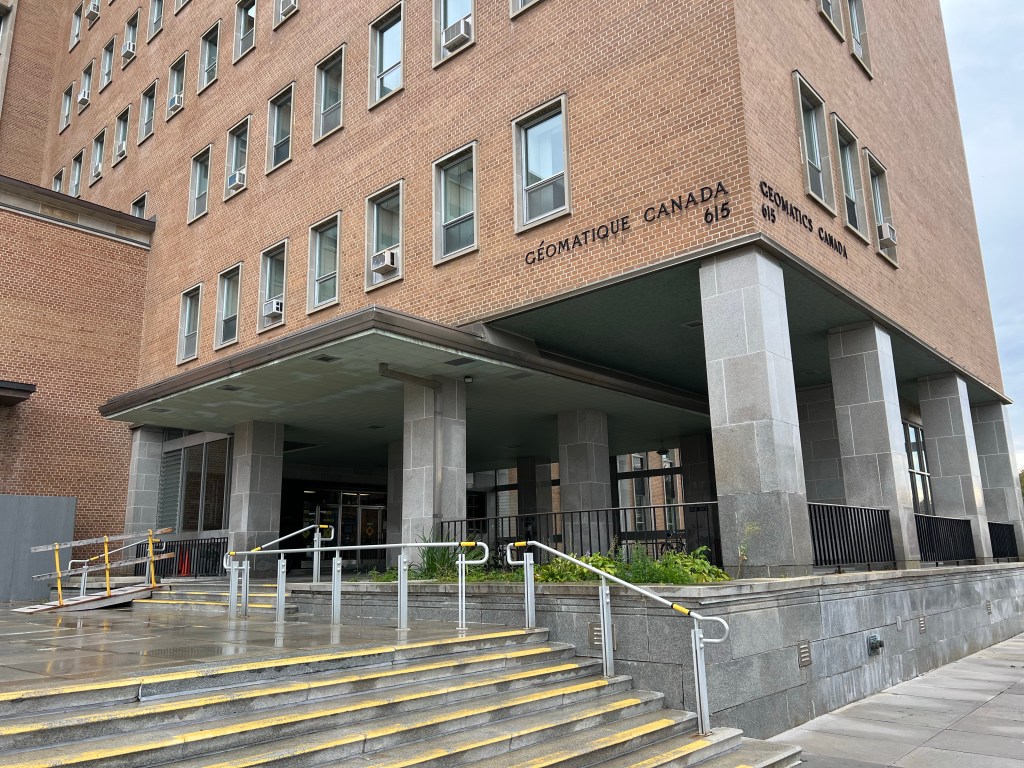
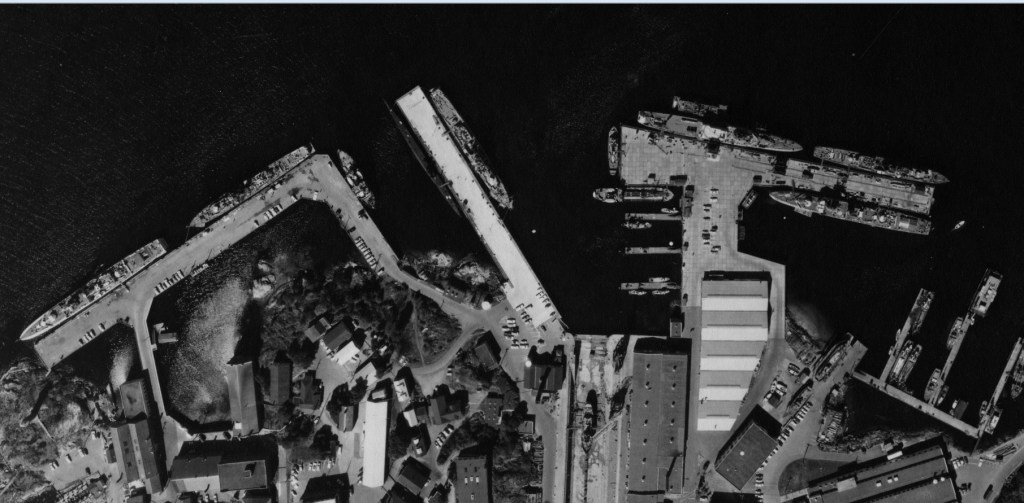
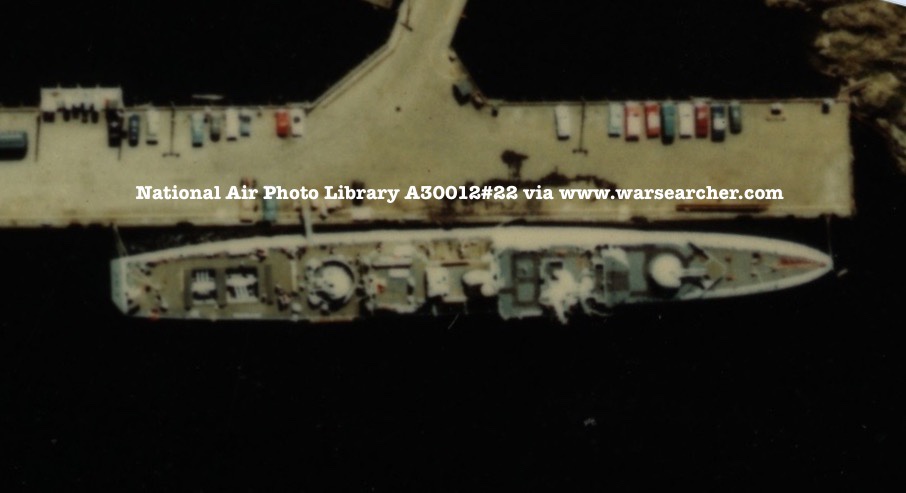
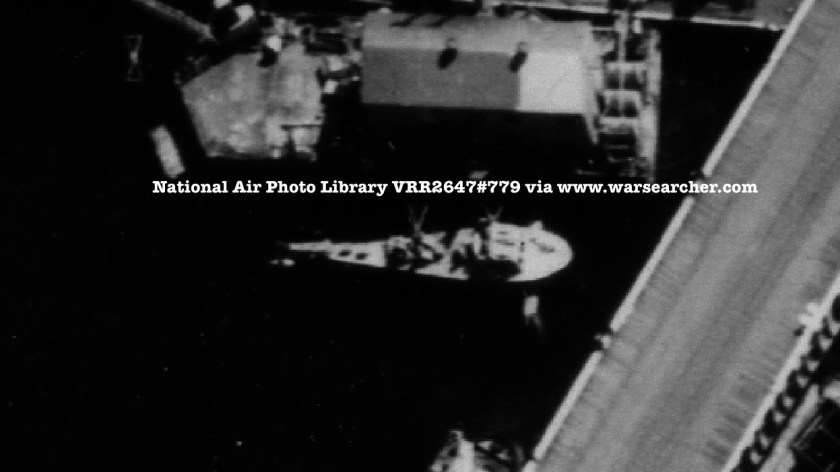


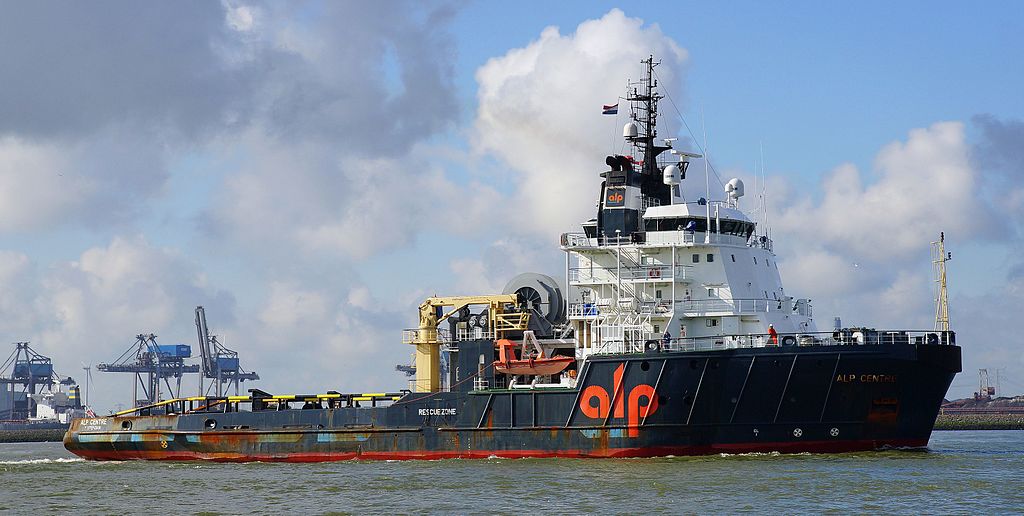
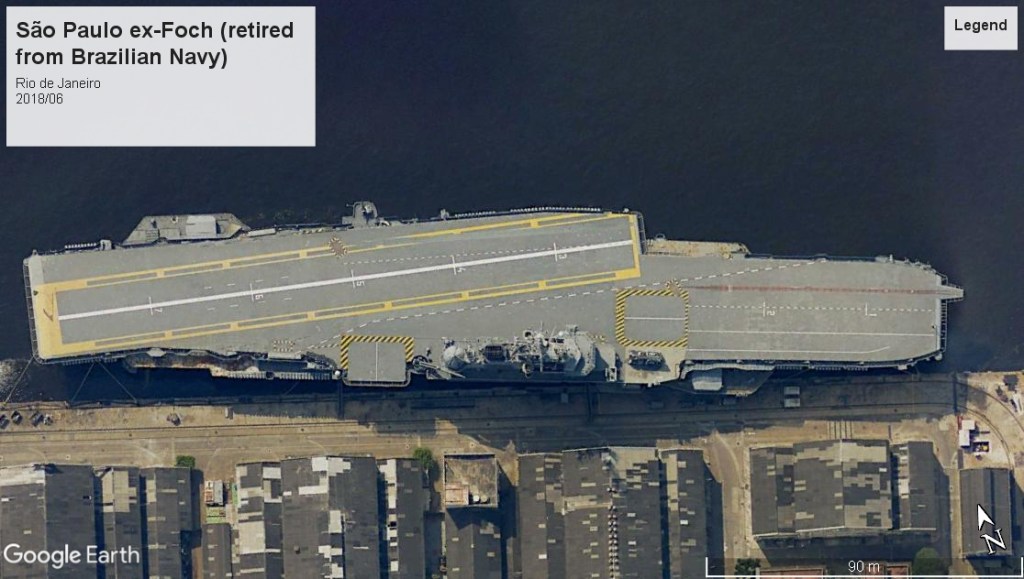
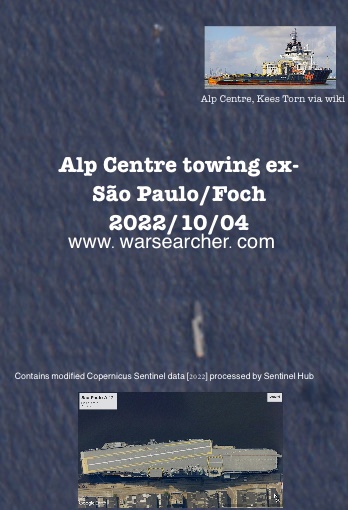
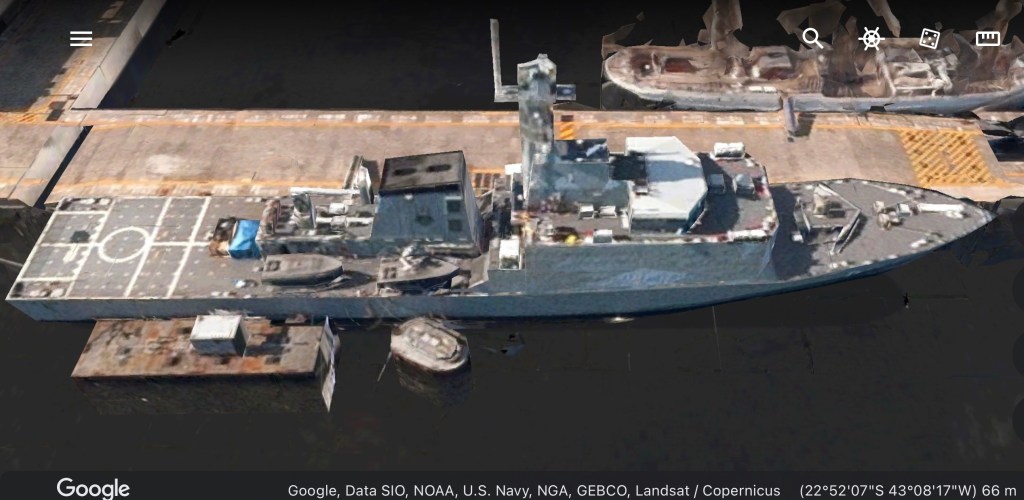
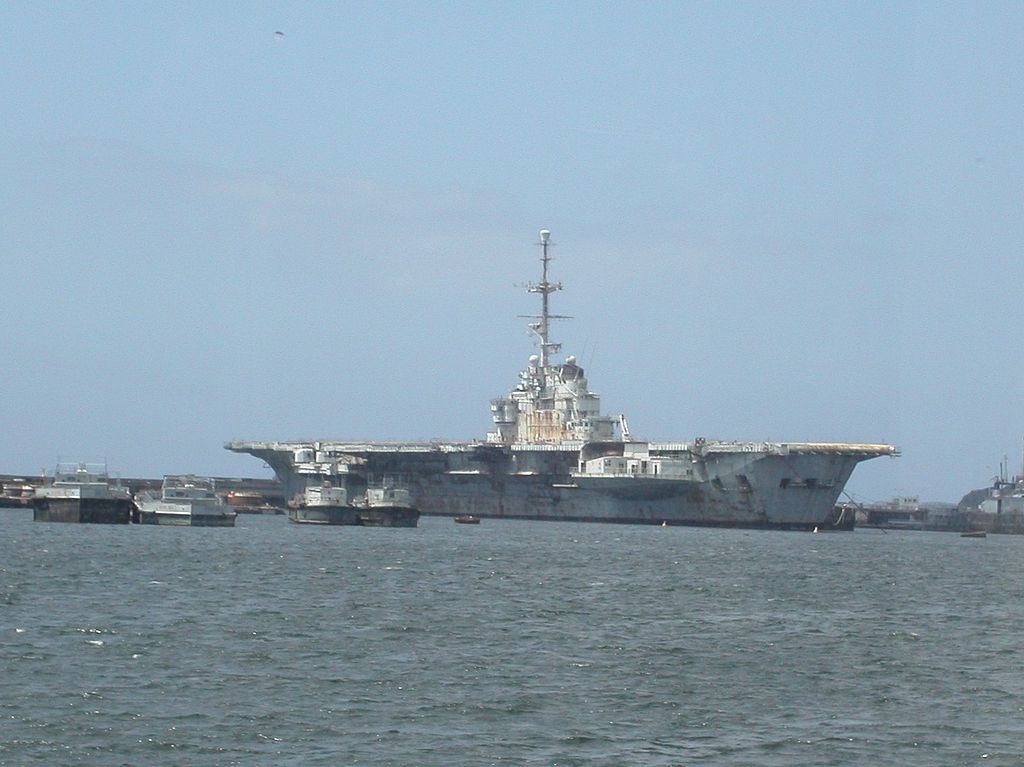
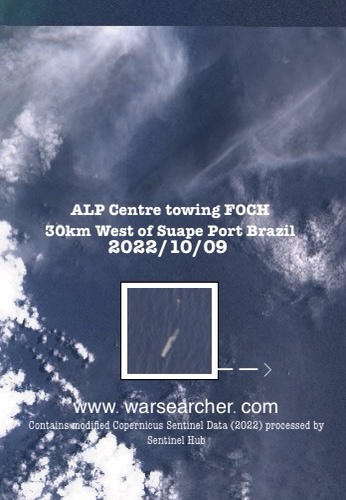
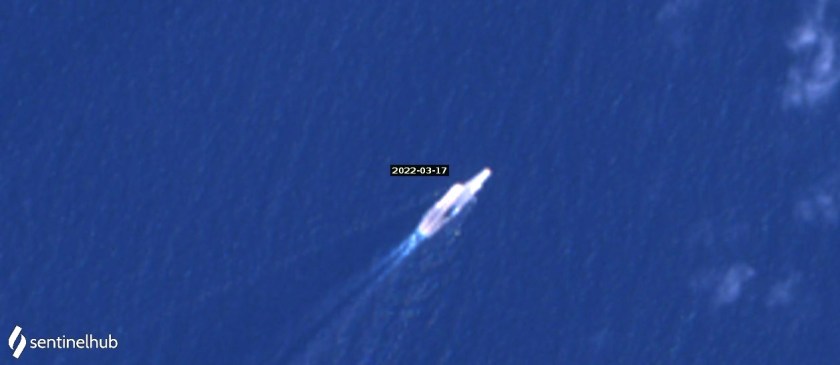
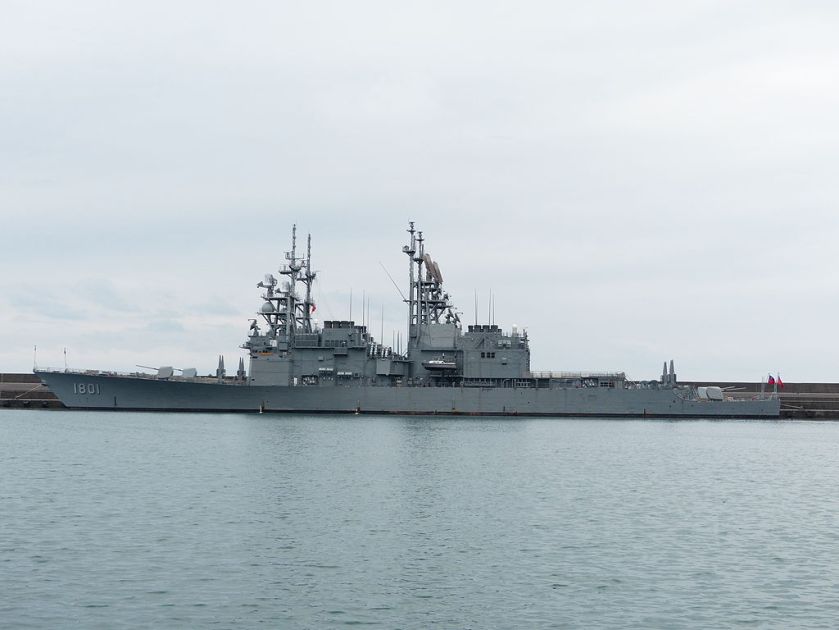
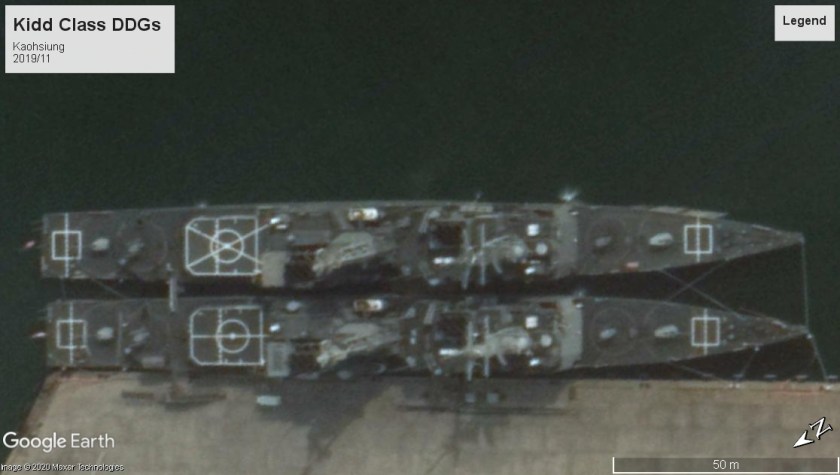

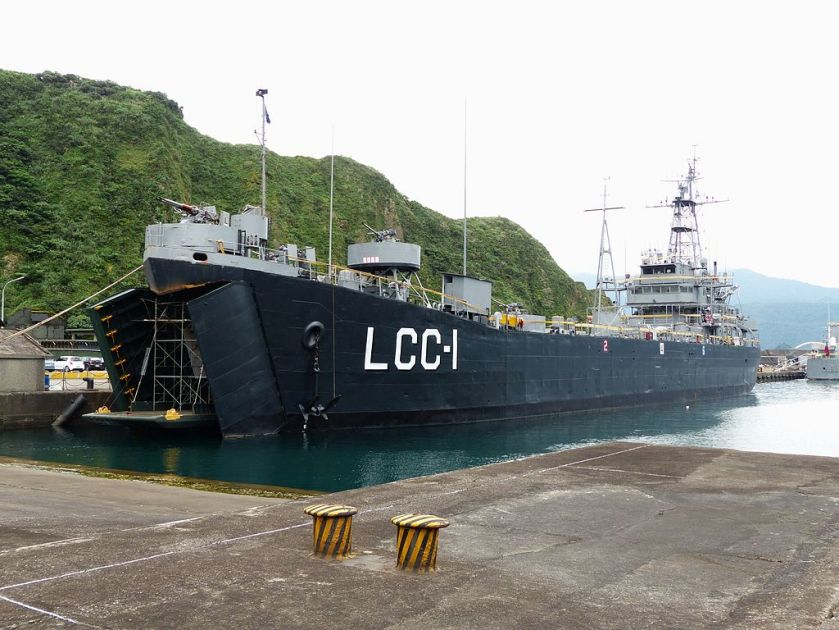
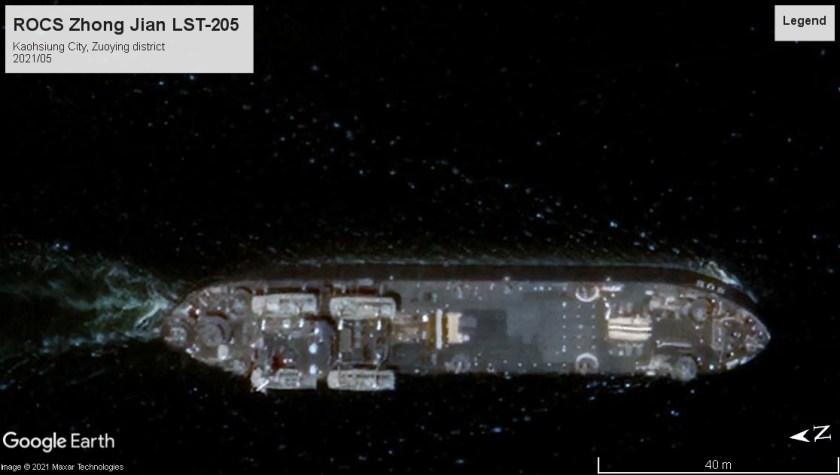
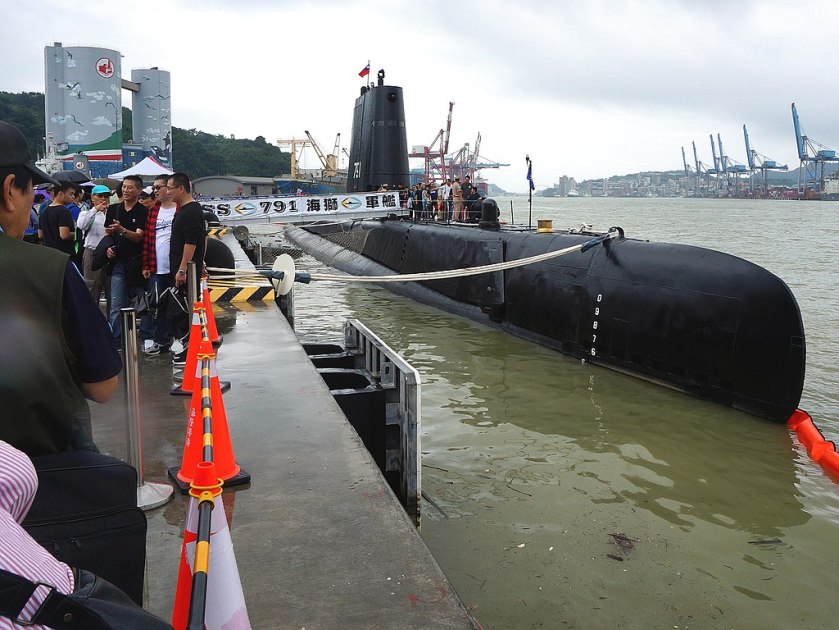
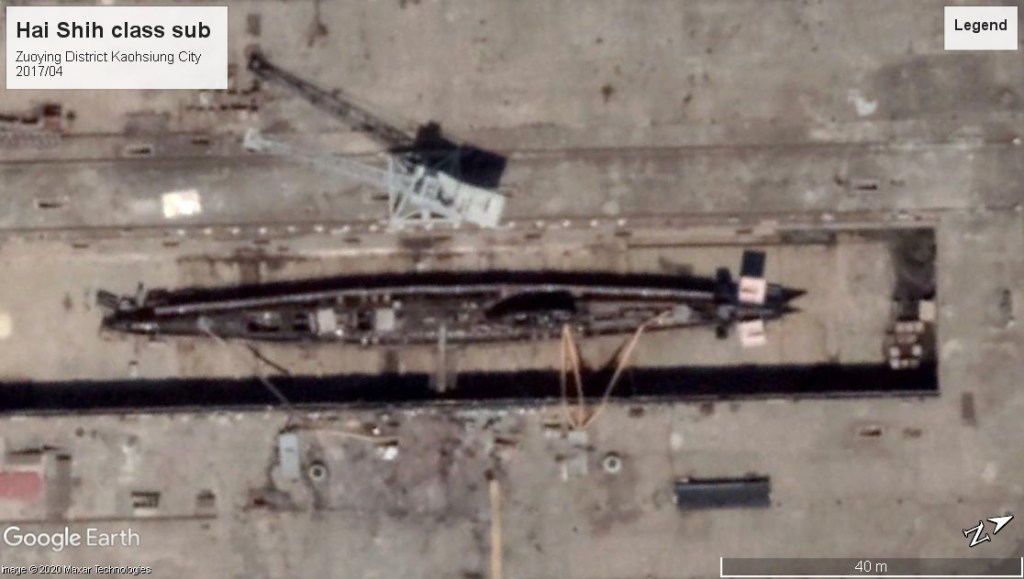
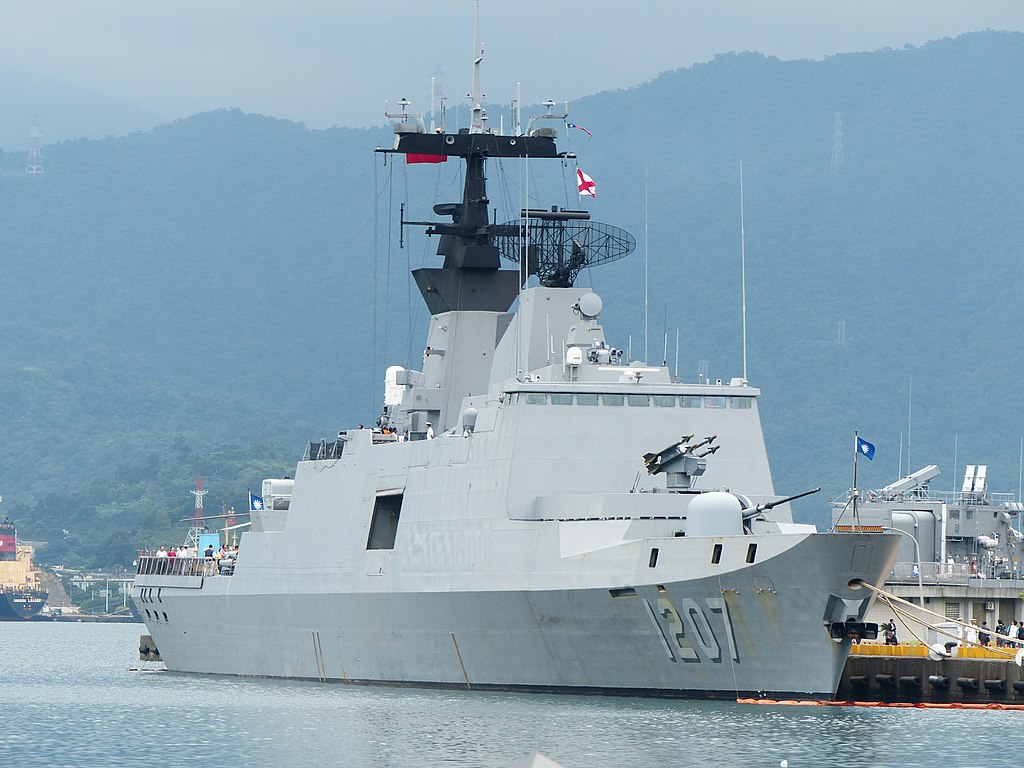
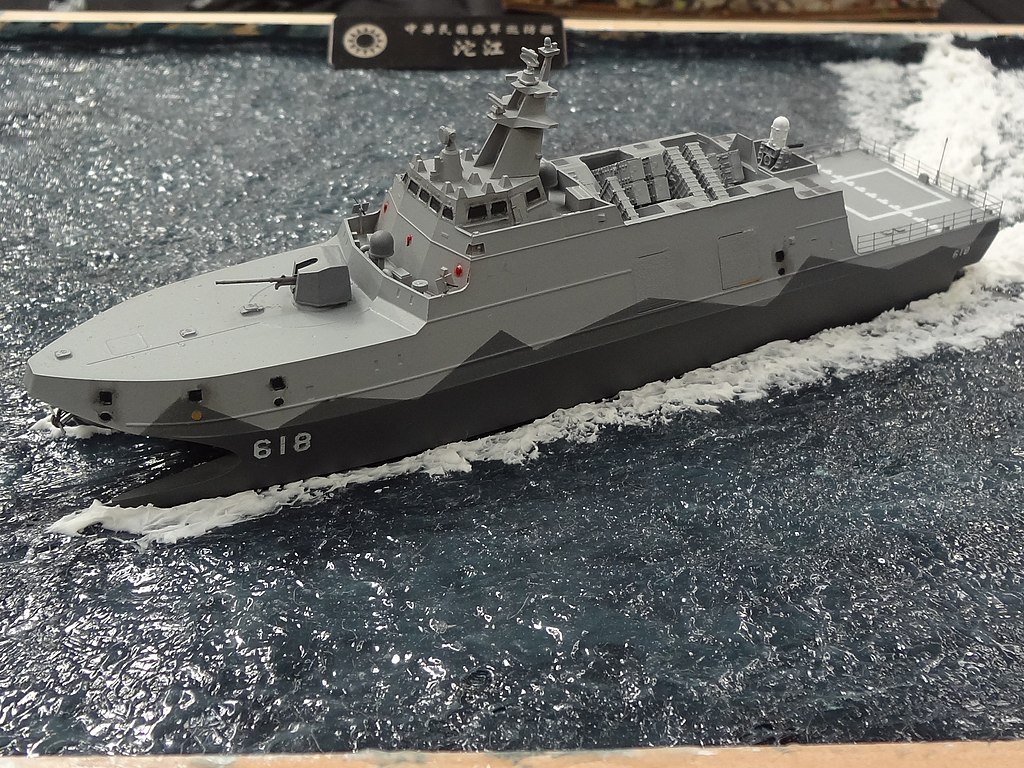
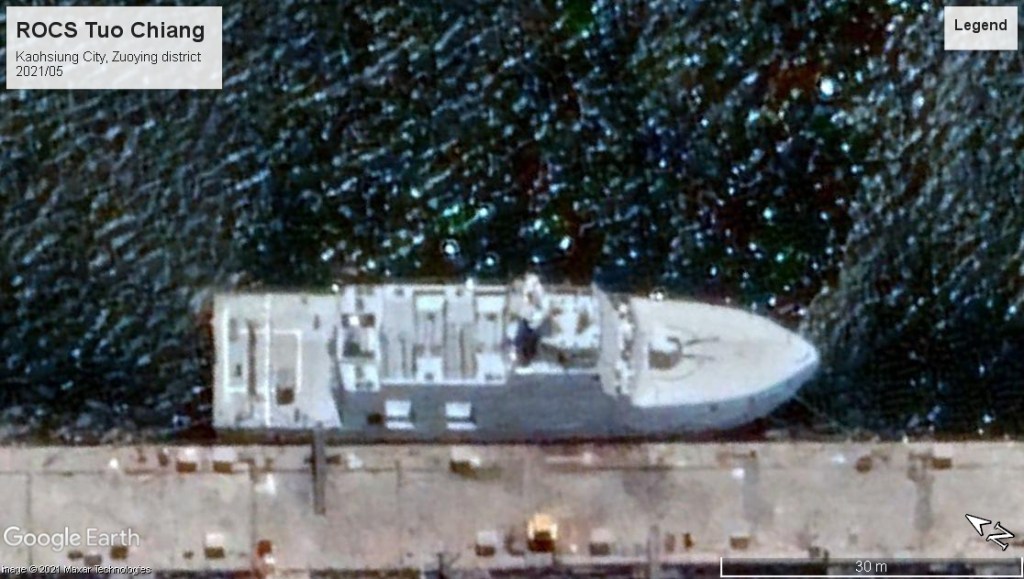
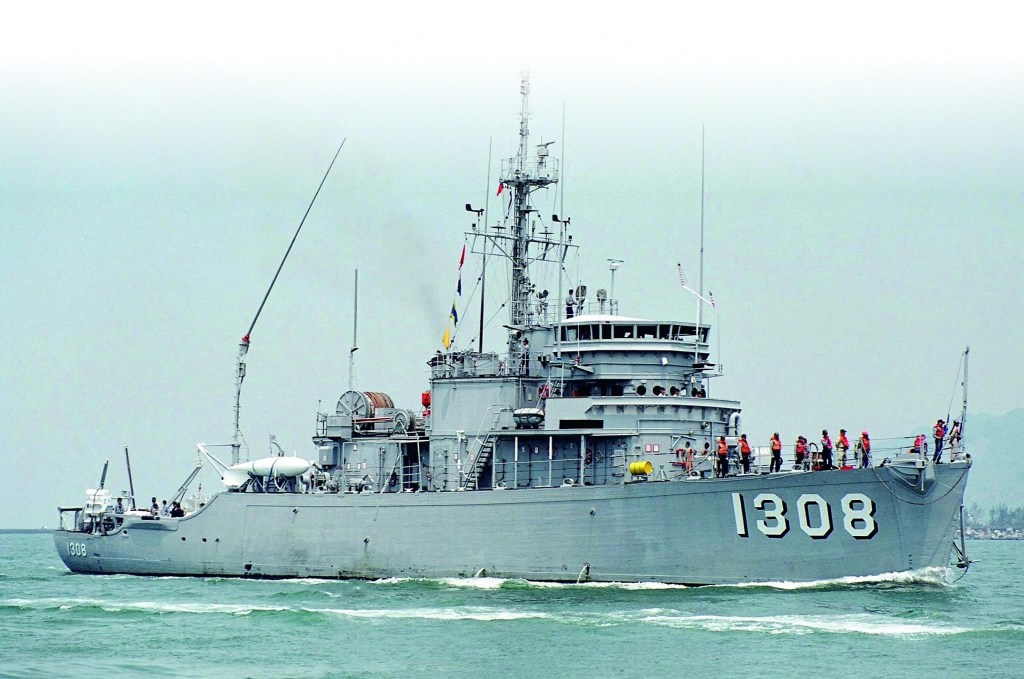
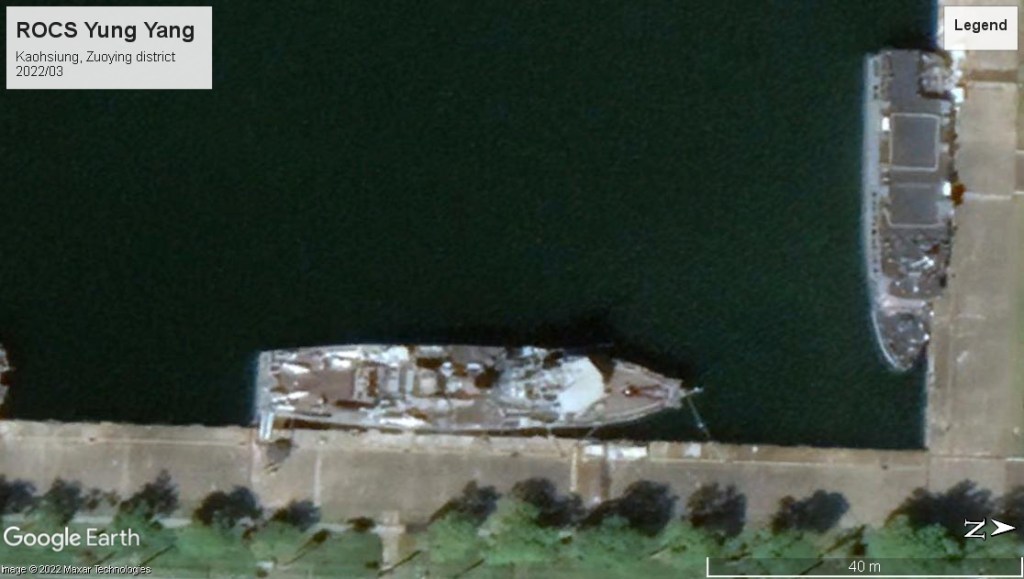
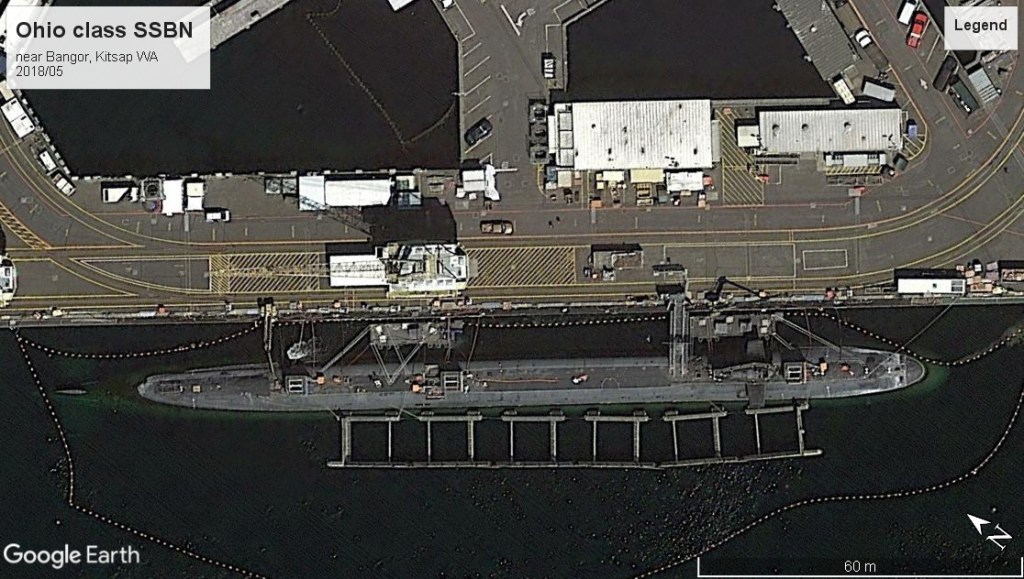
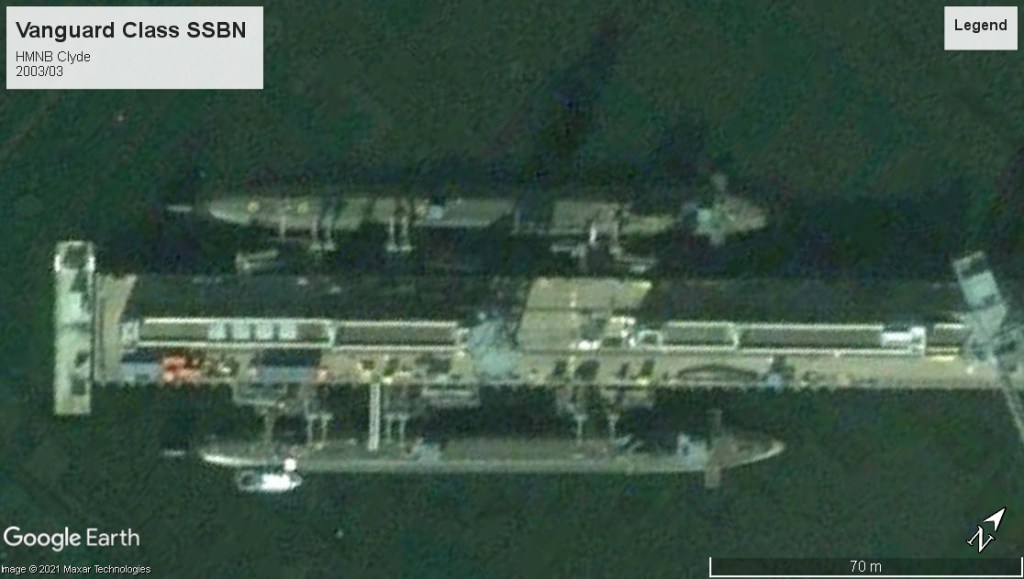
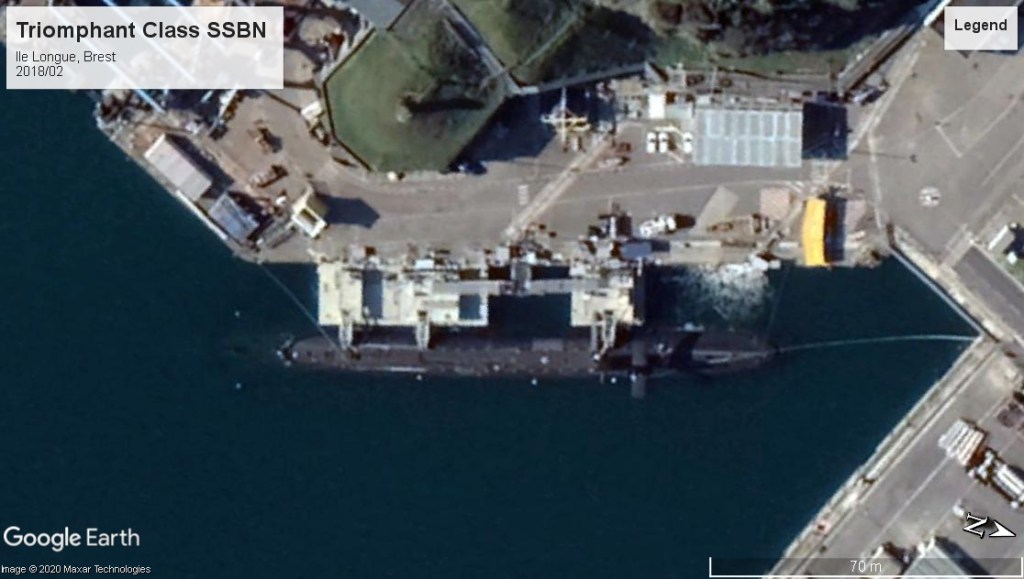
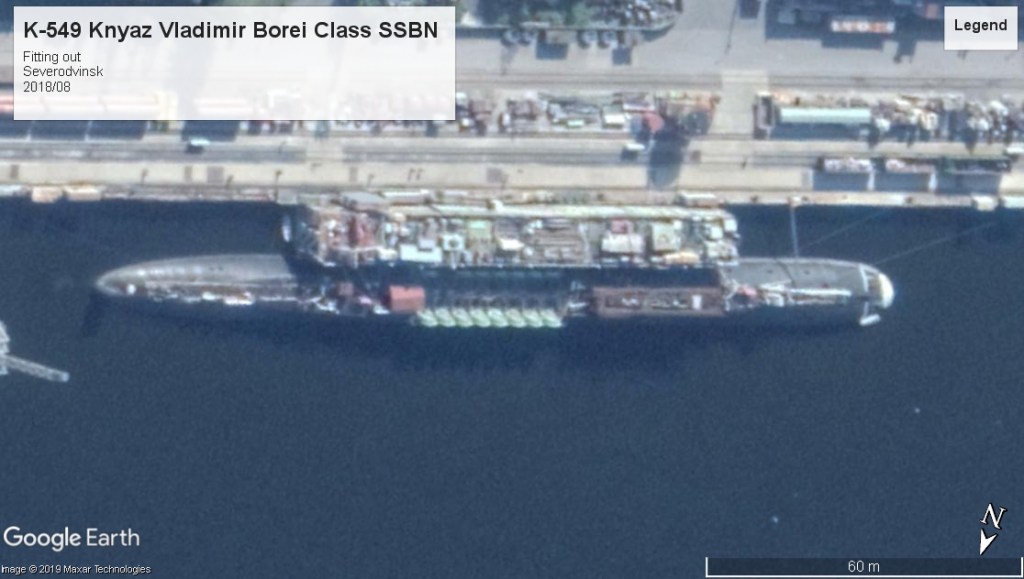
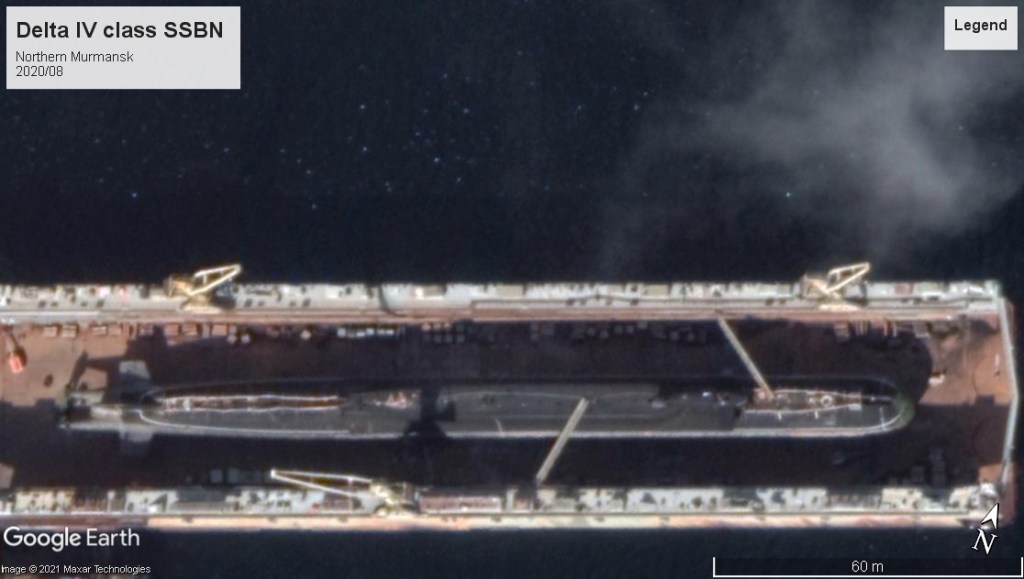
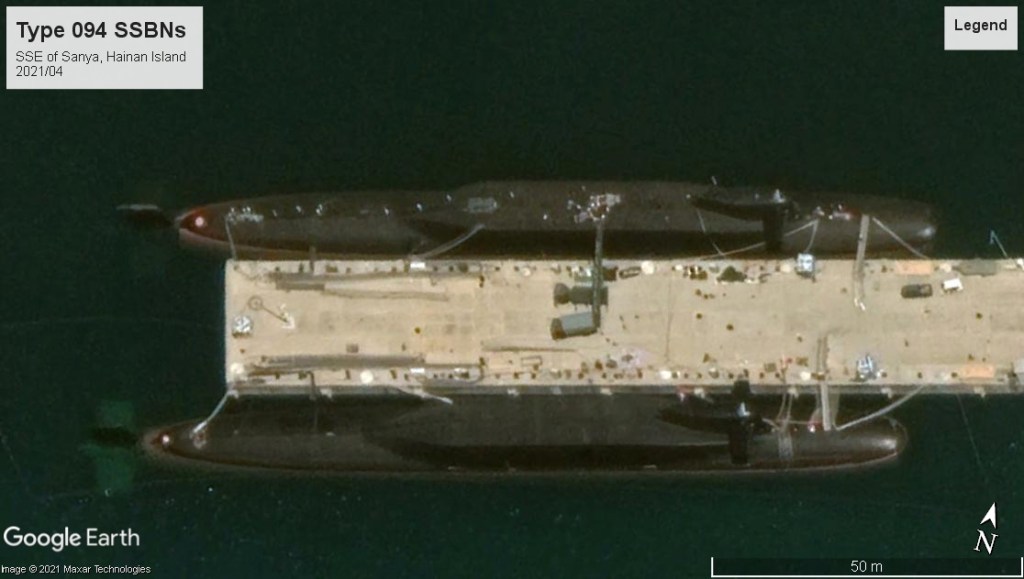

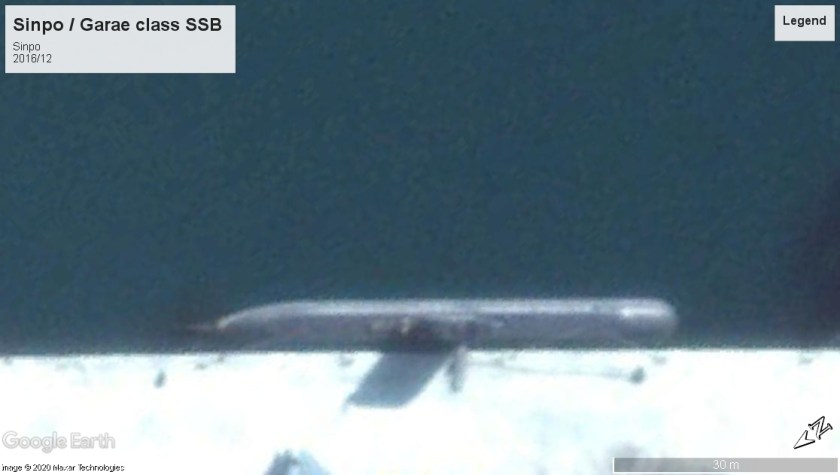
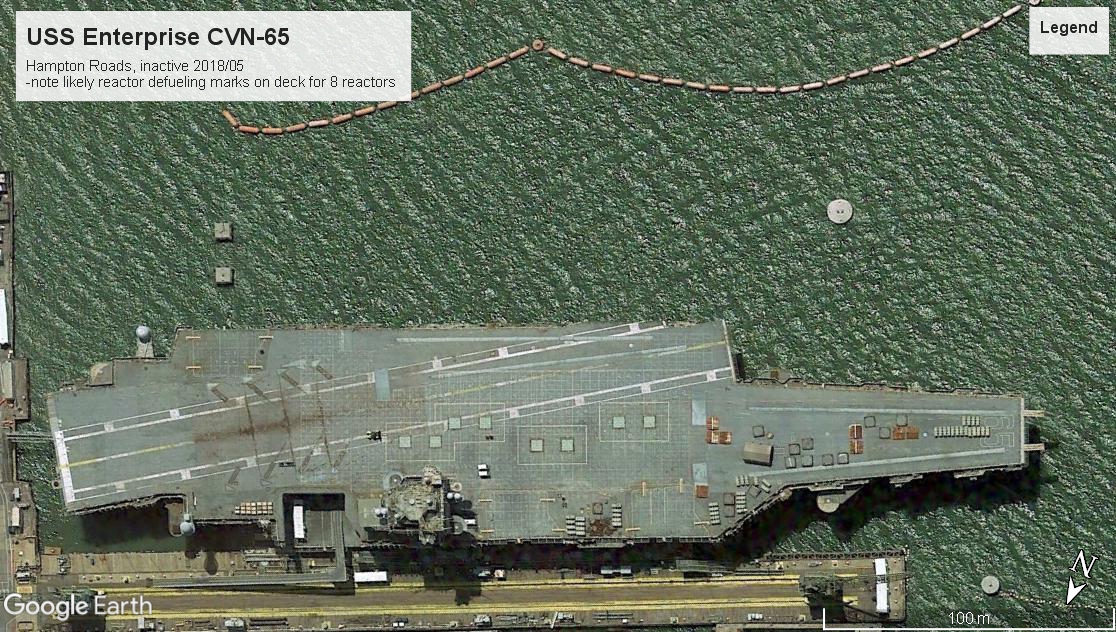
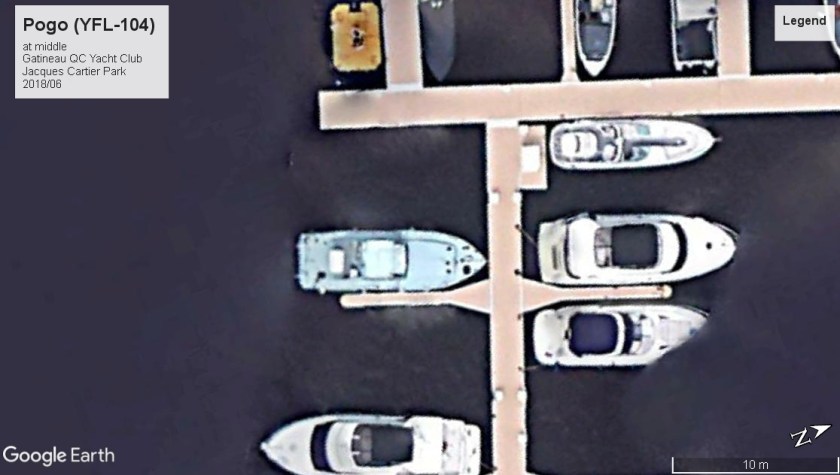
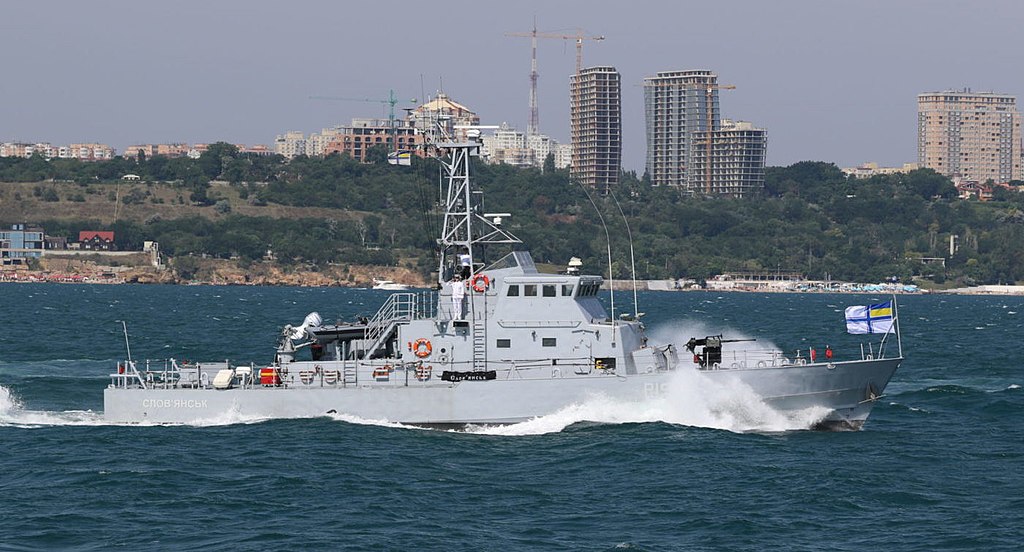
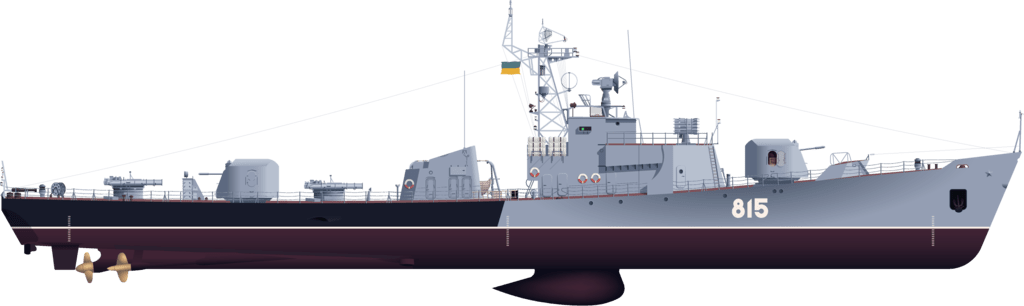
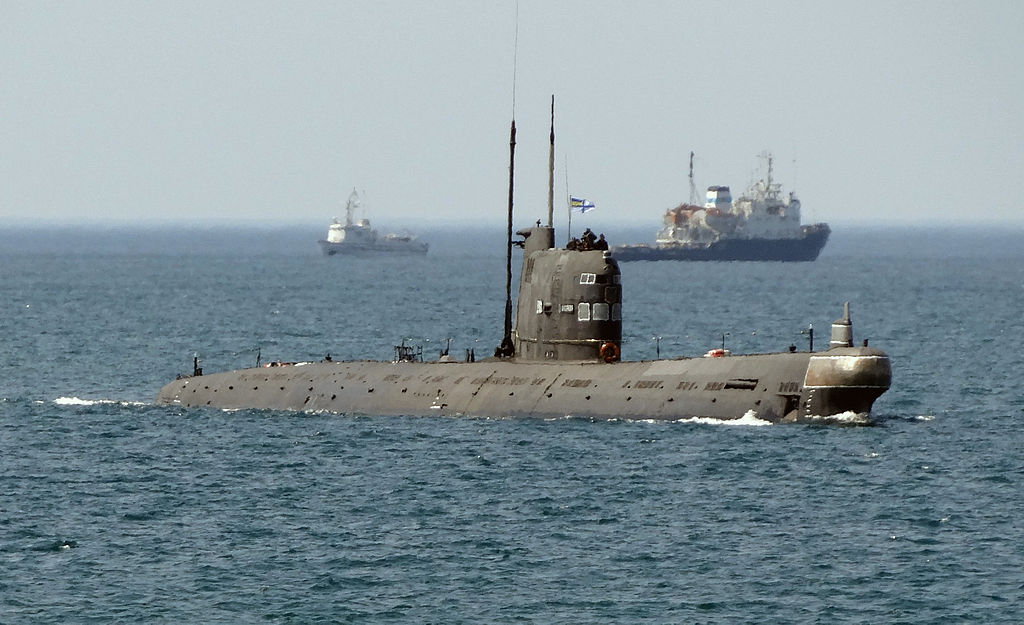
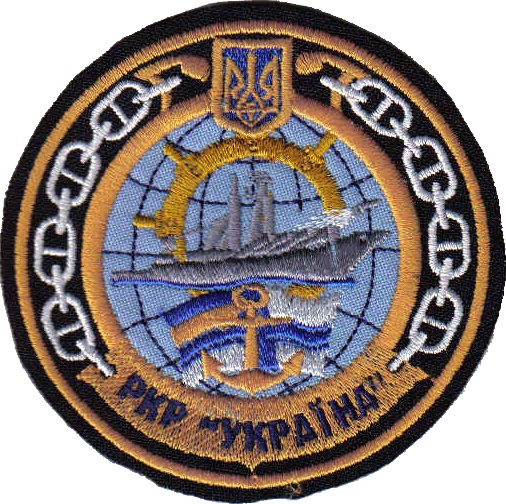
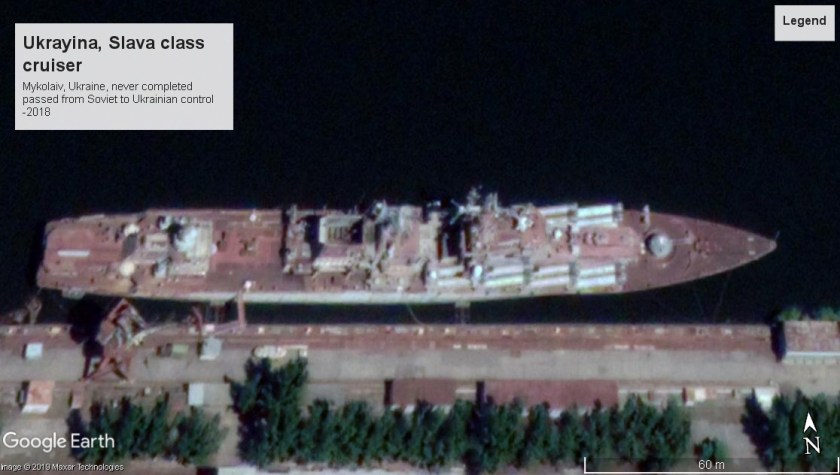
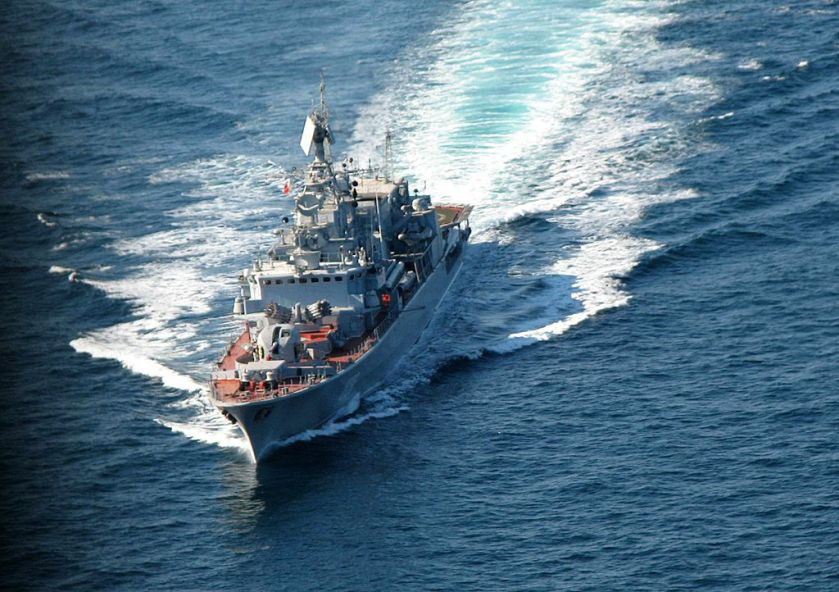
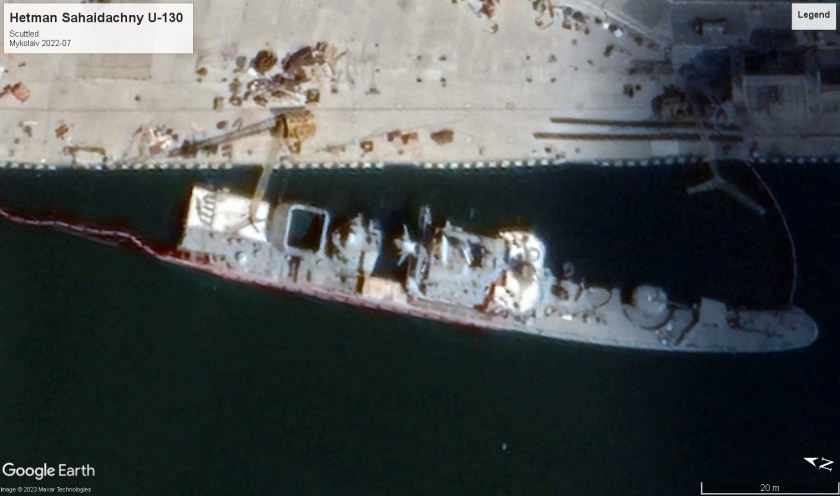
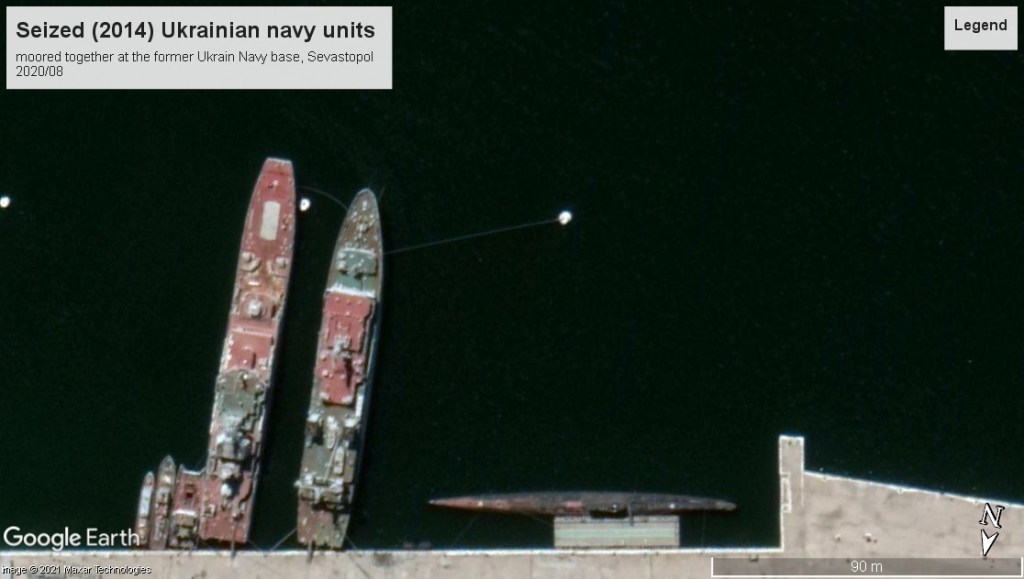
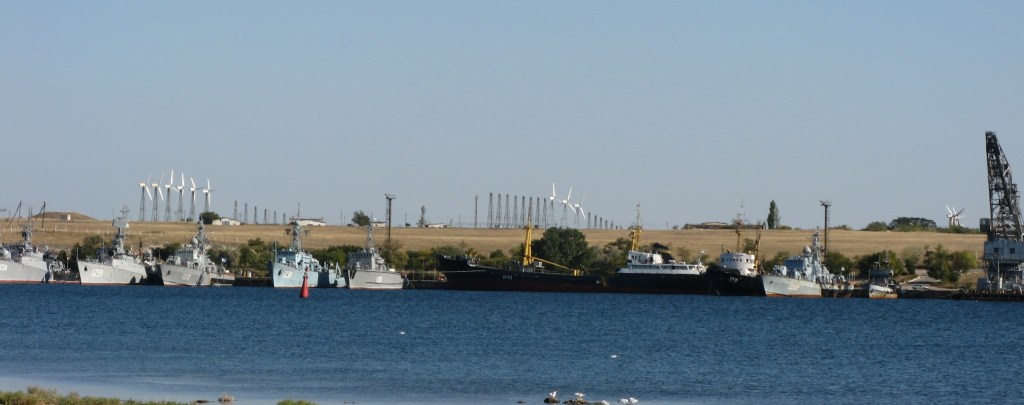
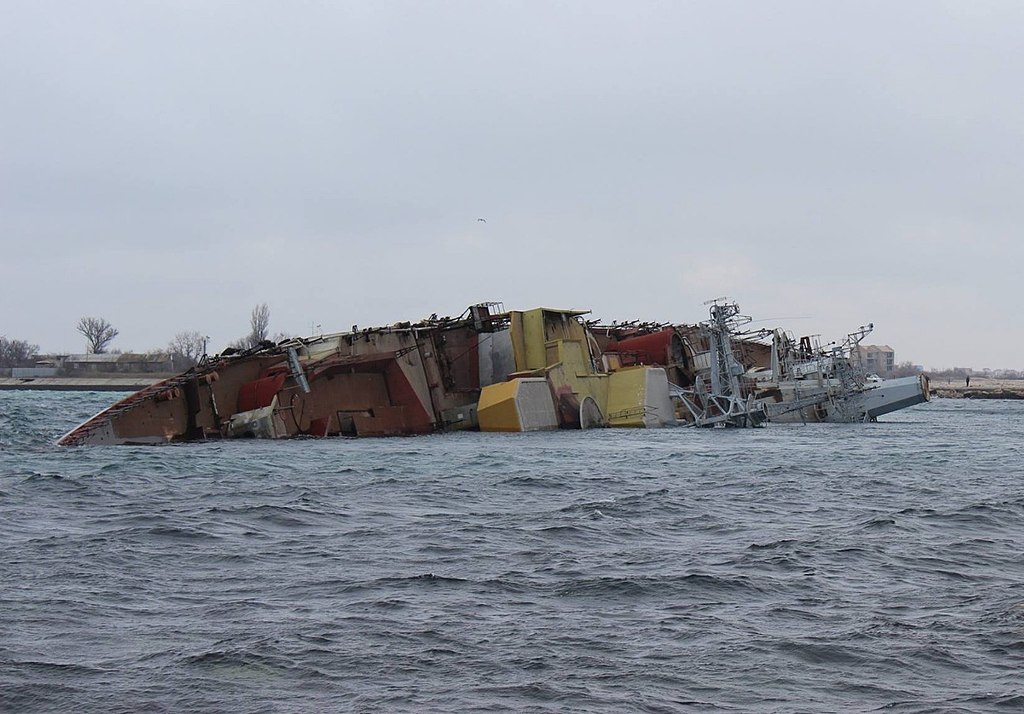
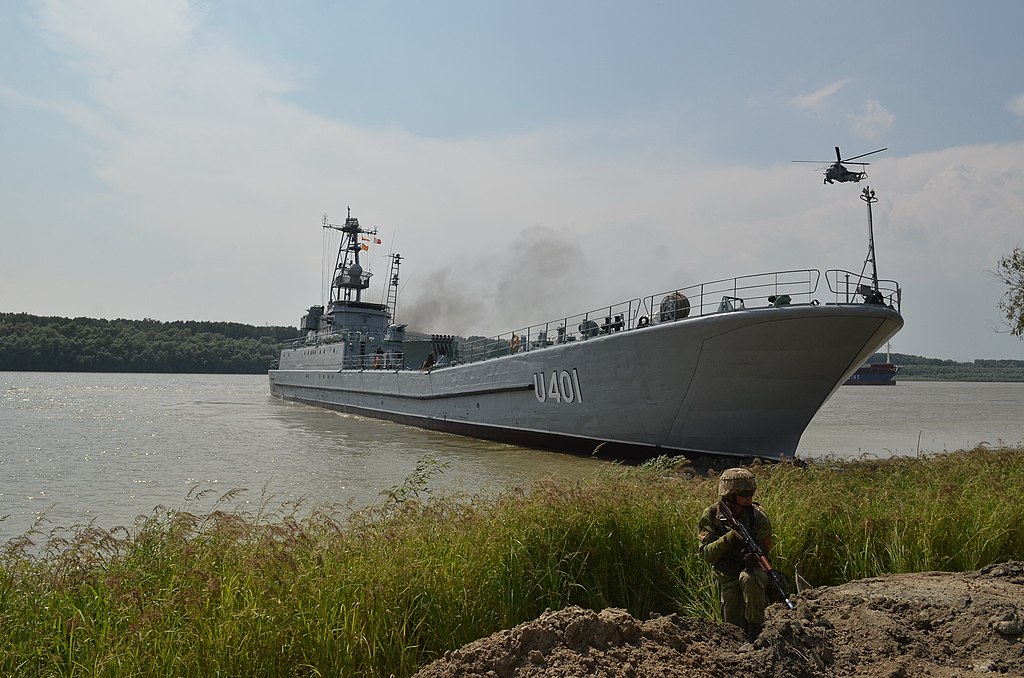
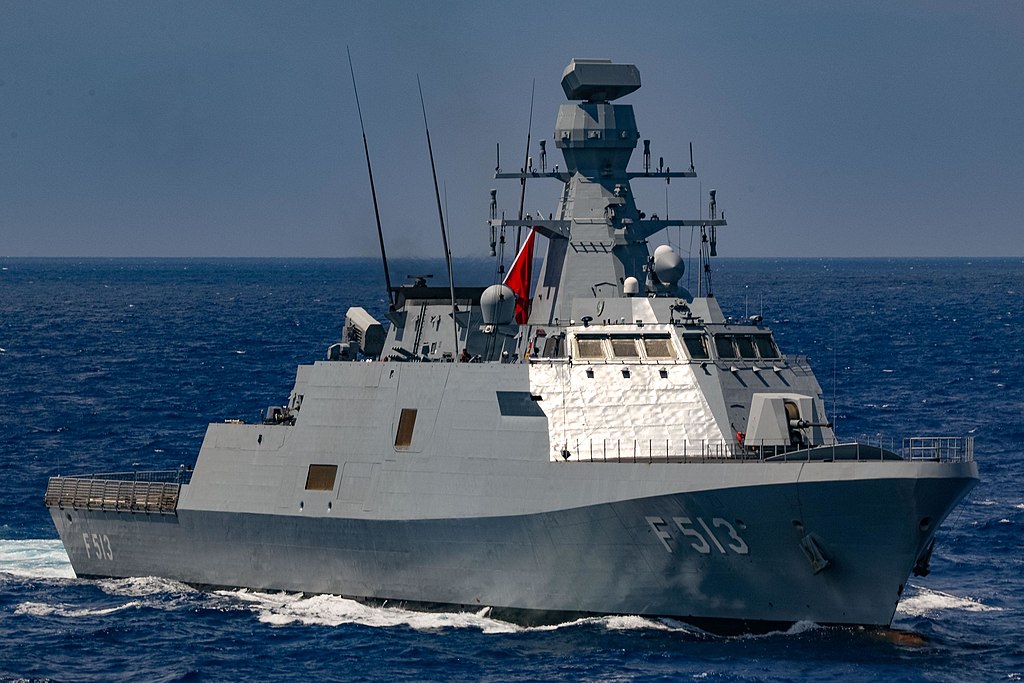

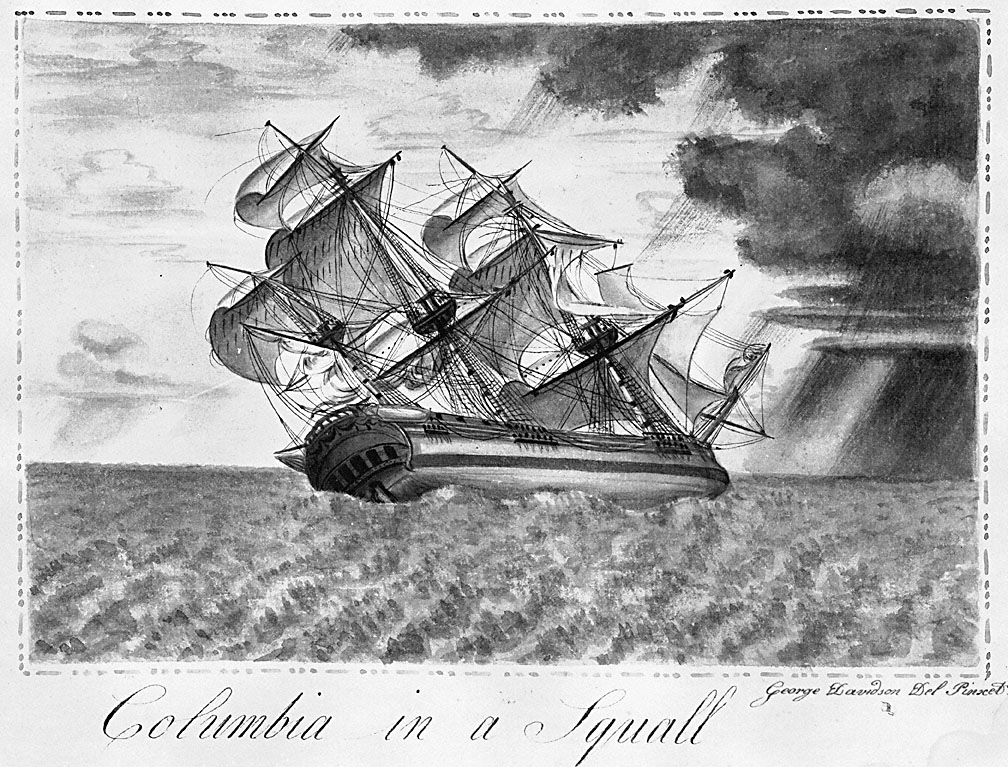

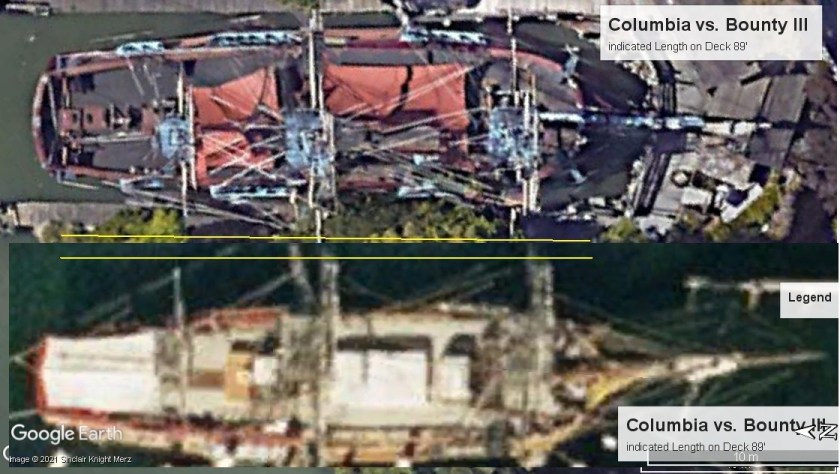


 Bounty has a flush deck and a more elaborate bow, with headrails and the figurehead. At the stern, Bounty has projecting lights at the quarter badge (“bay windows”). Endeavour is a bigger, tubbier, higher-set vessel with a stern raised far enough out of the water that she has room for stern-chaser gunports beneath the stern lights. During Cook’s famous voyages of exploration, the British Admiralty were not yet consistently coppering the hulls of their warships, so the Endeavour replica also has a distinctive band of white anti-fouling paint just visible around the waterline.
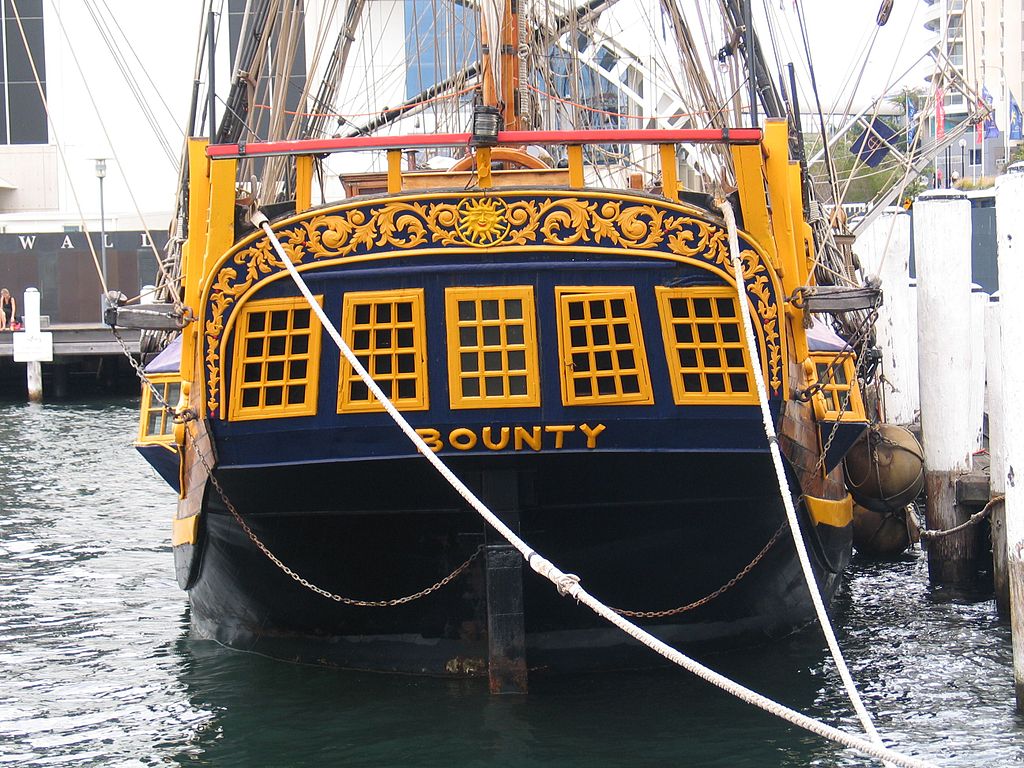
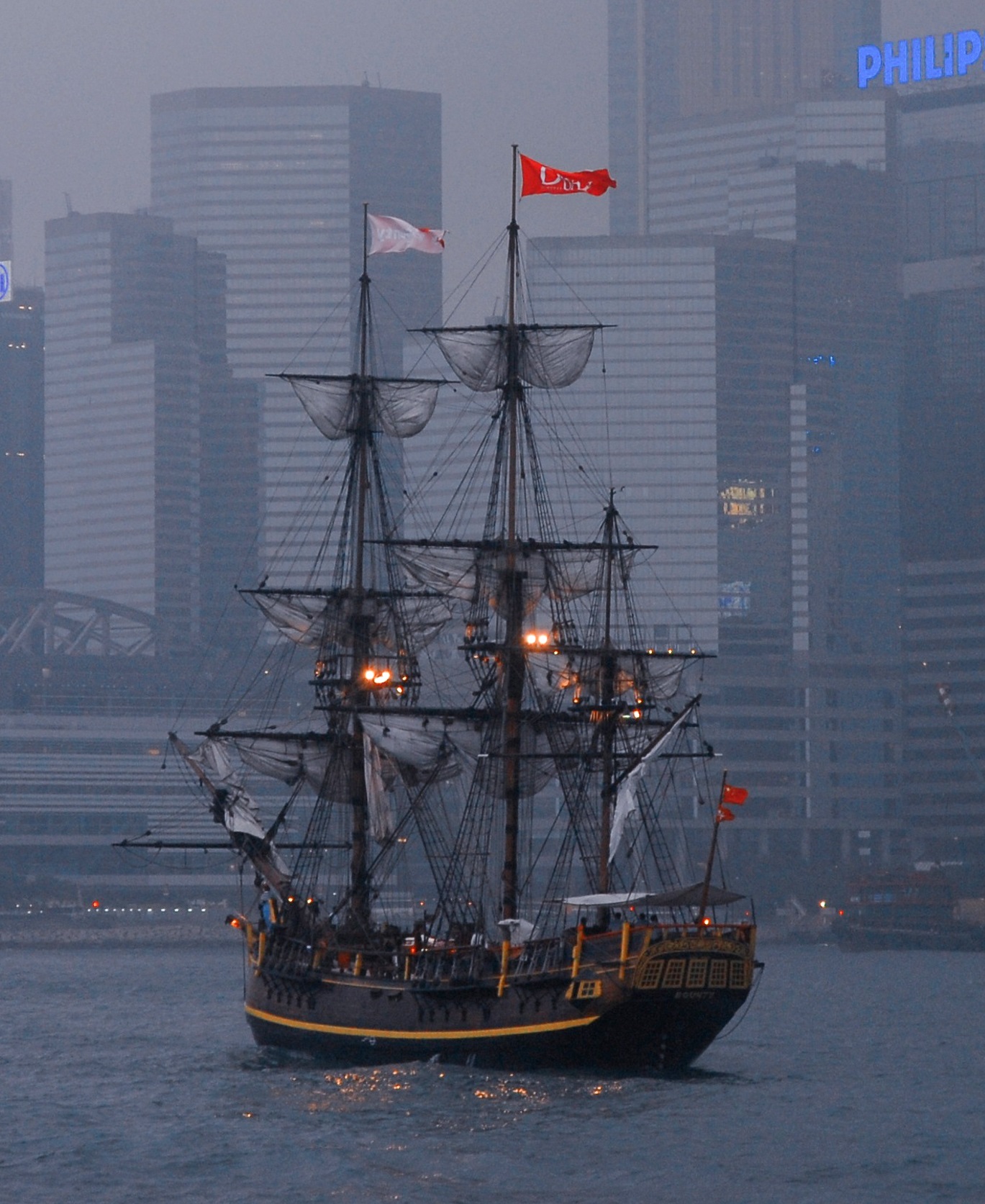

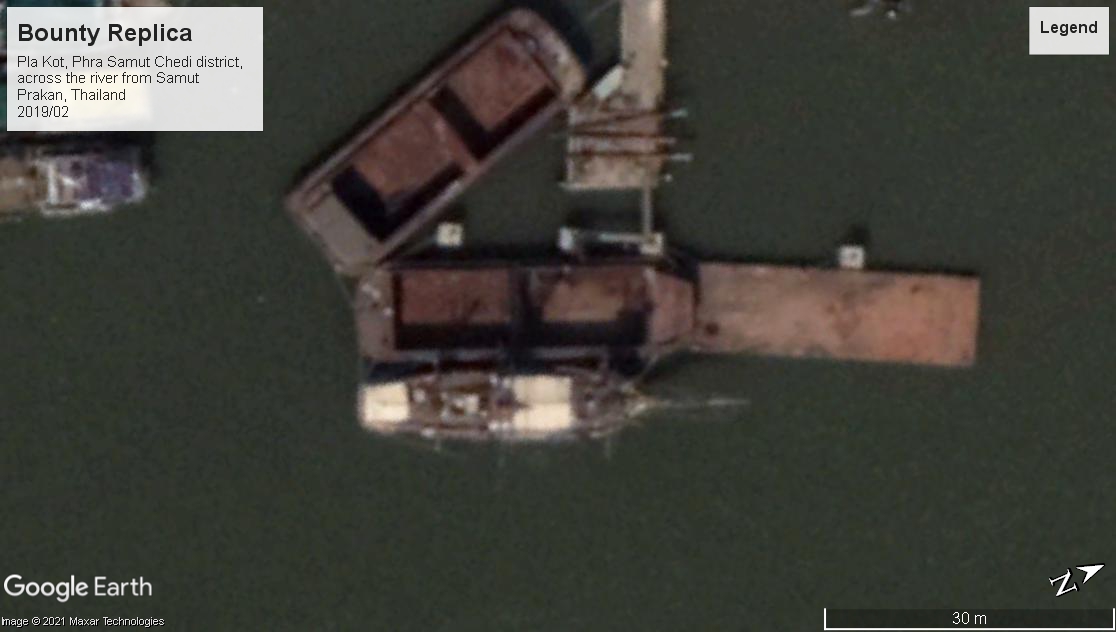

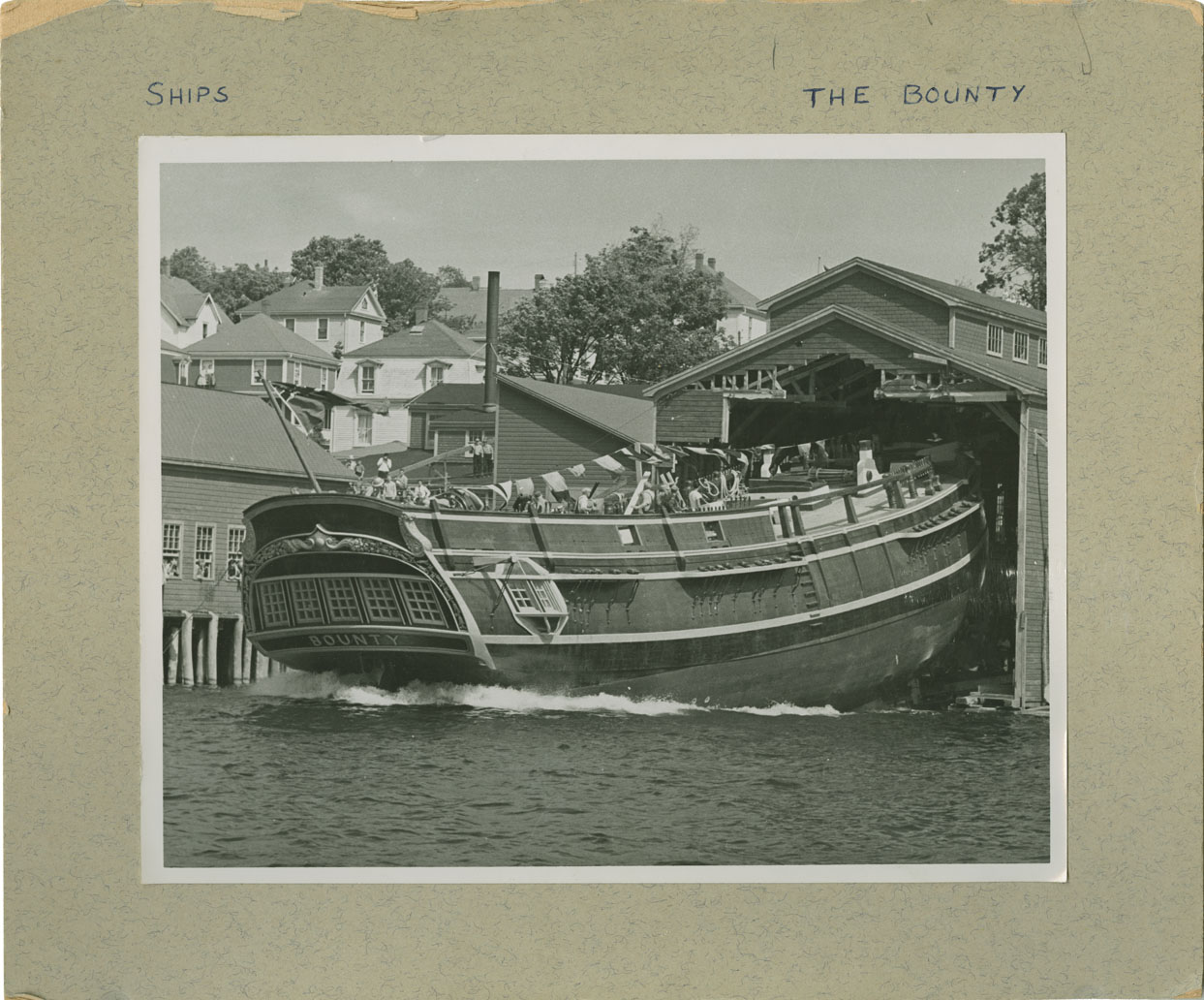
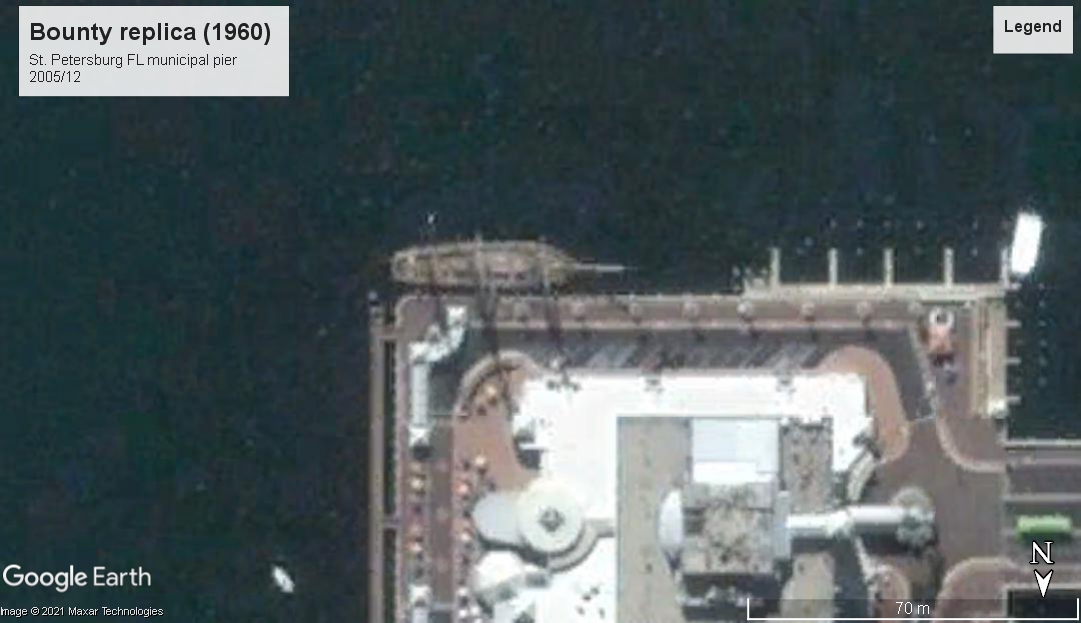
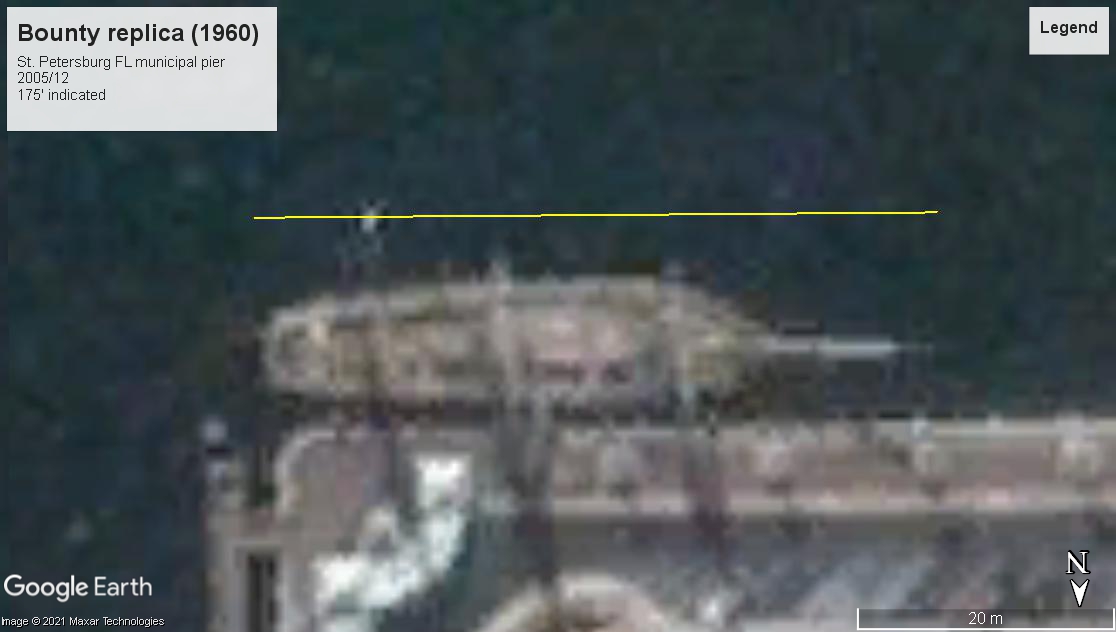
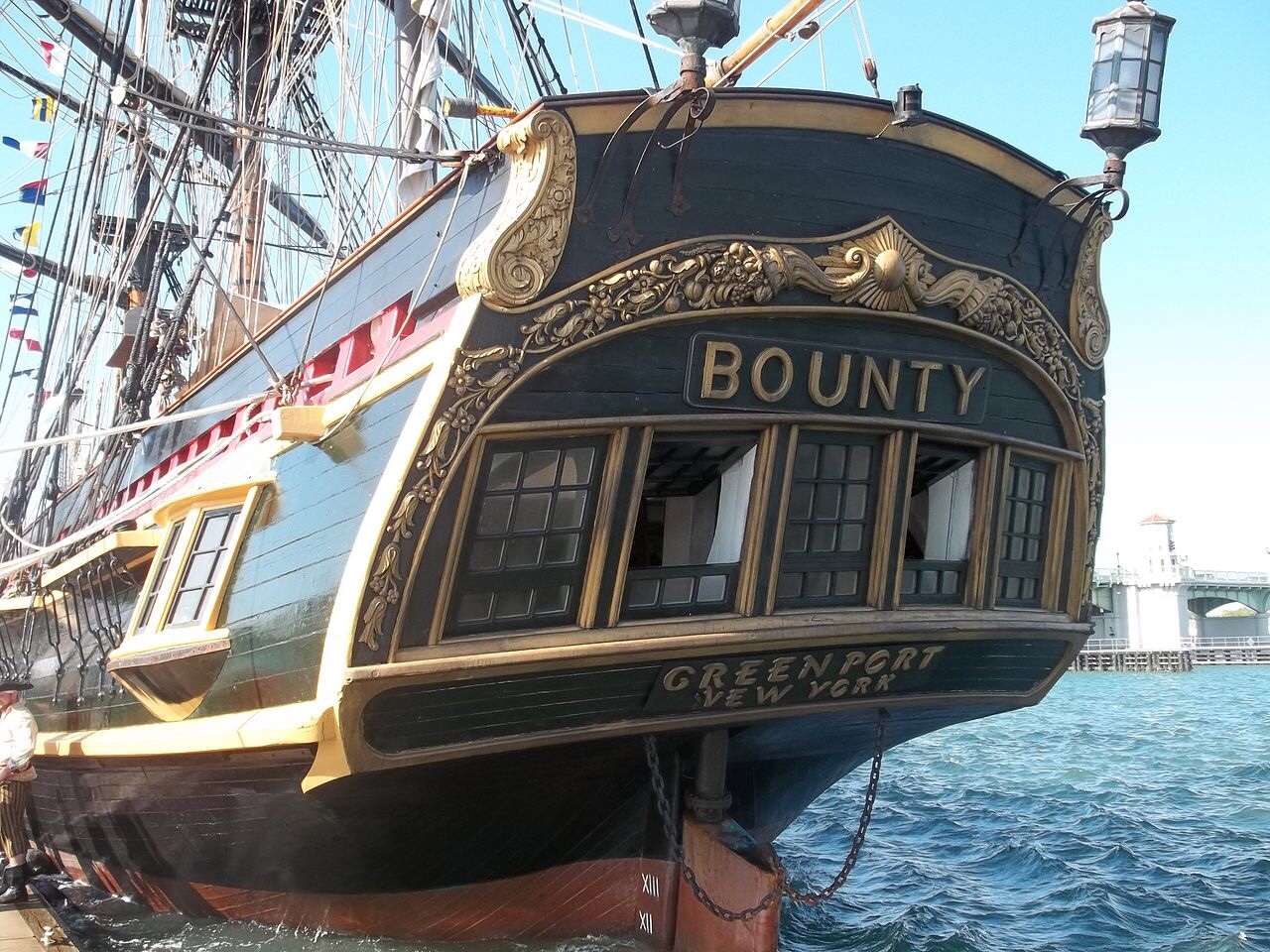
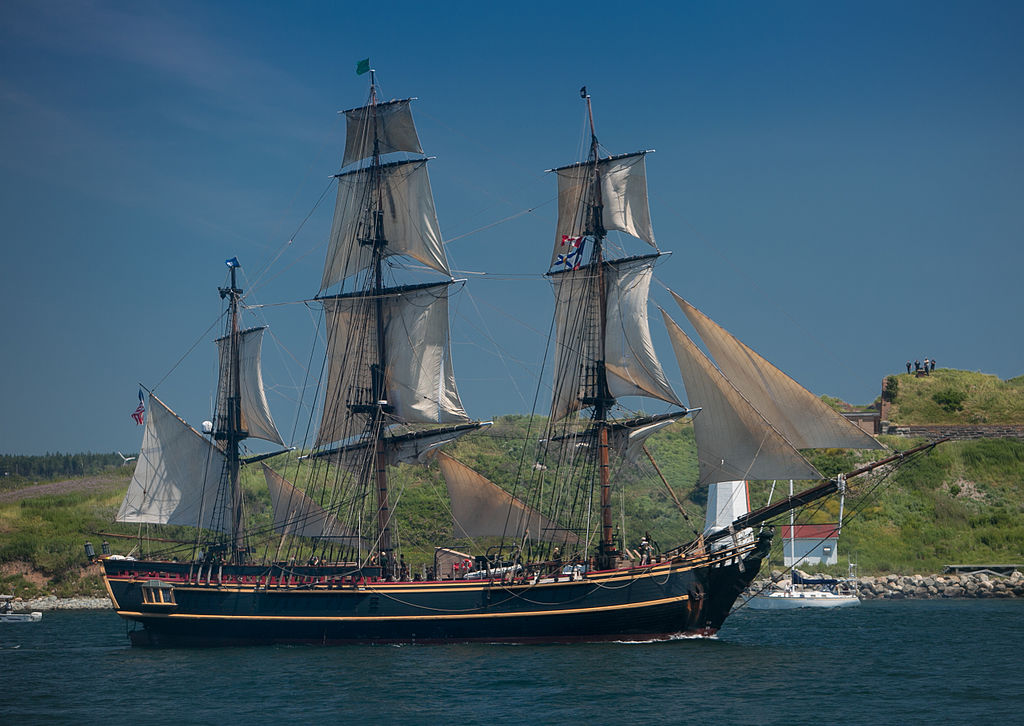
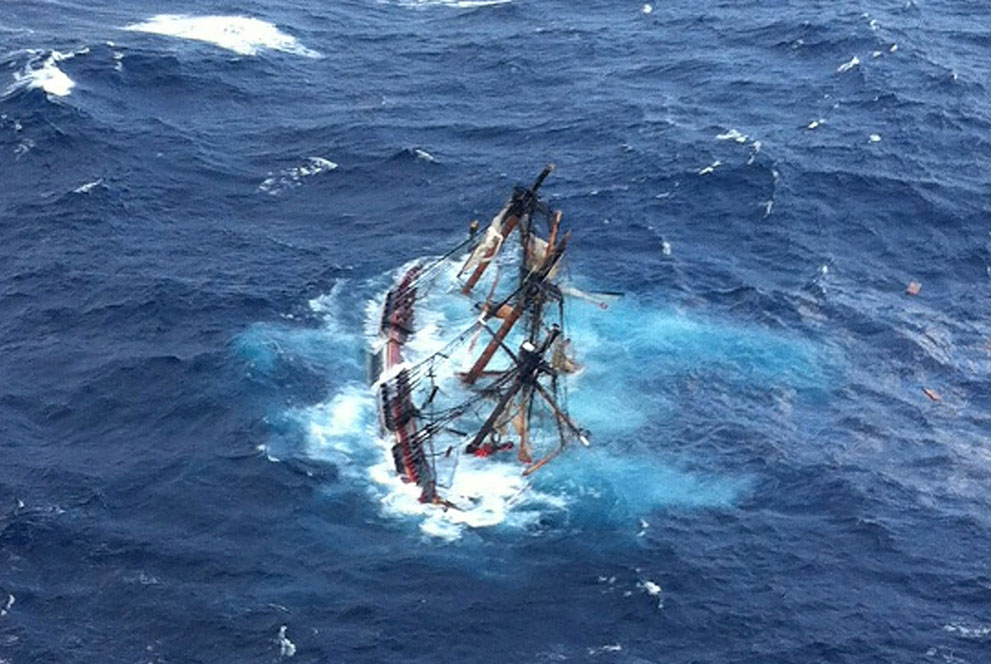
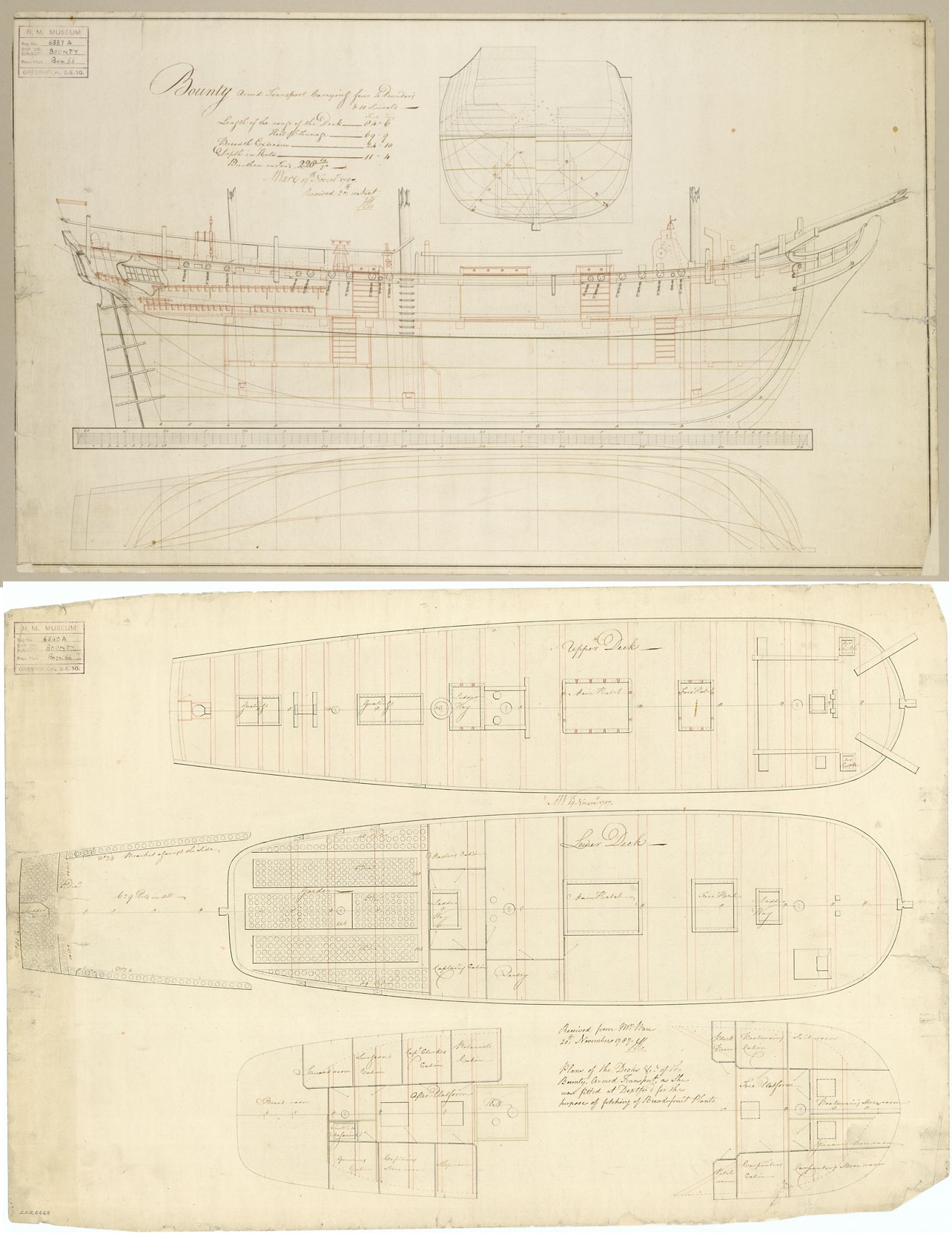
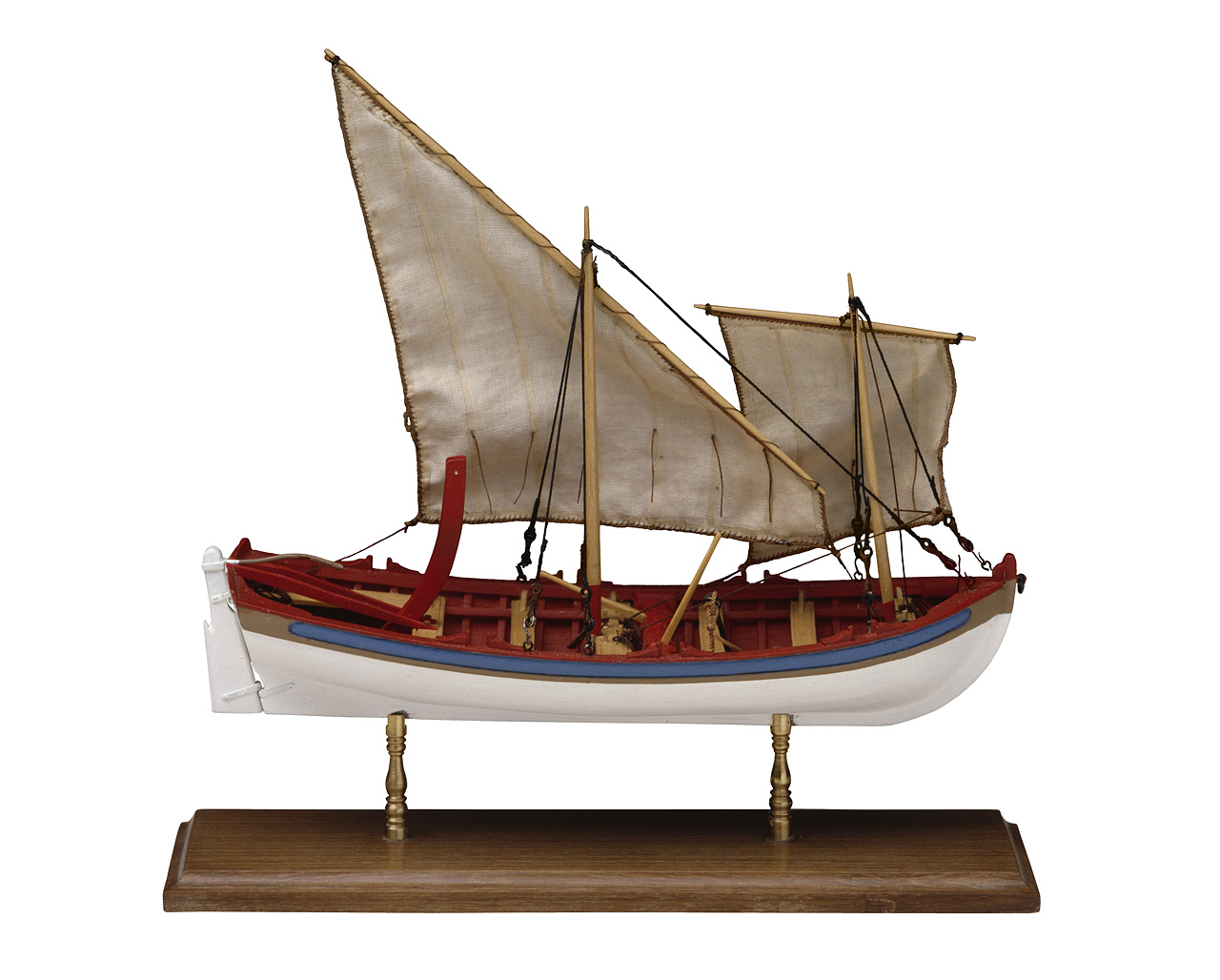
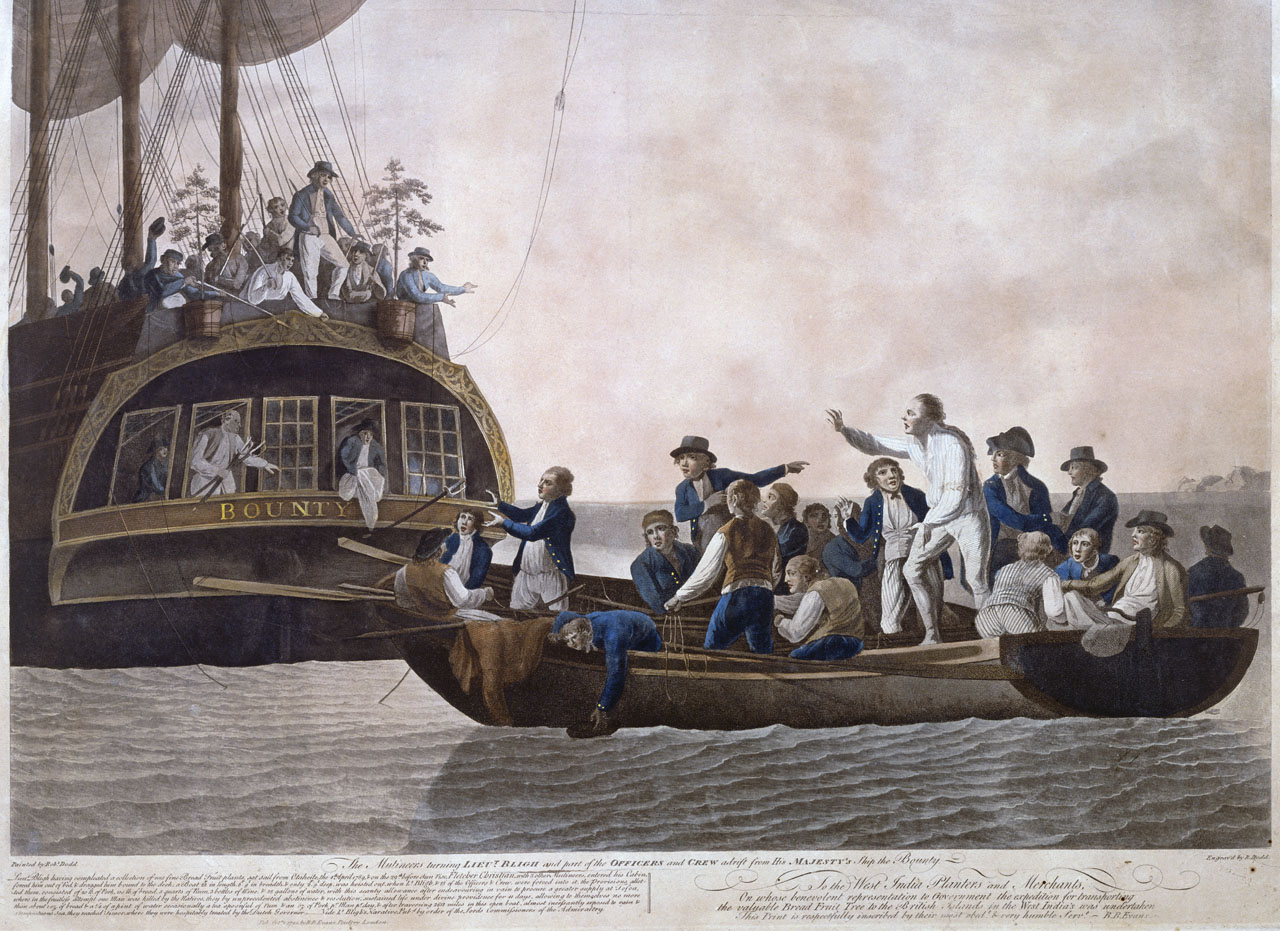
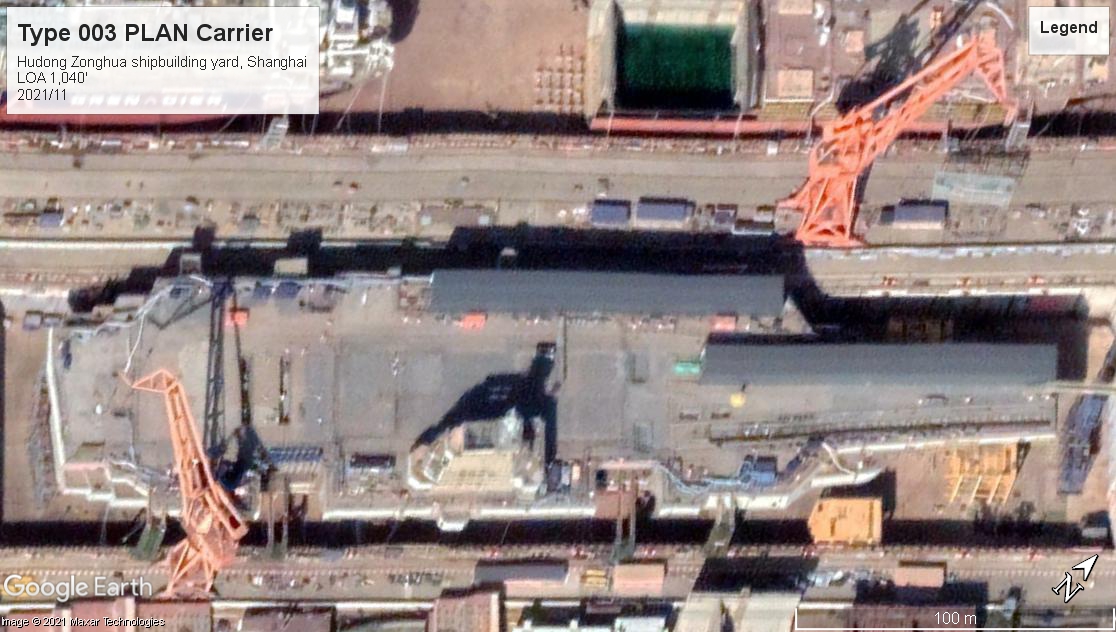
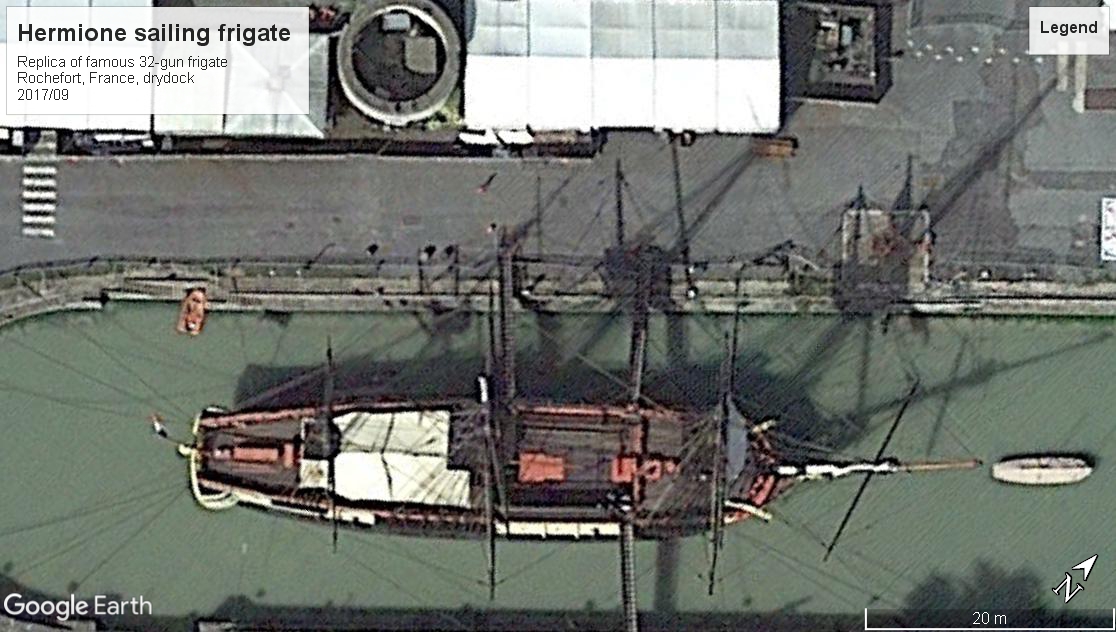
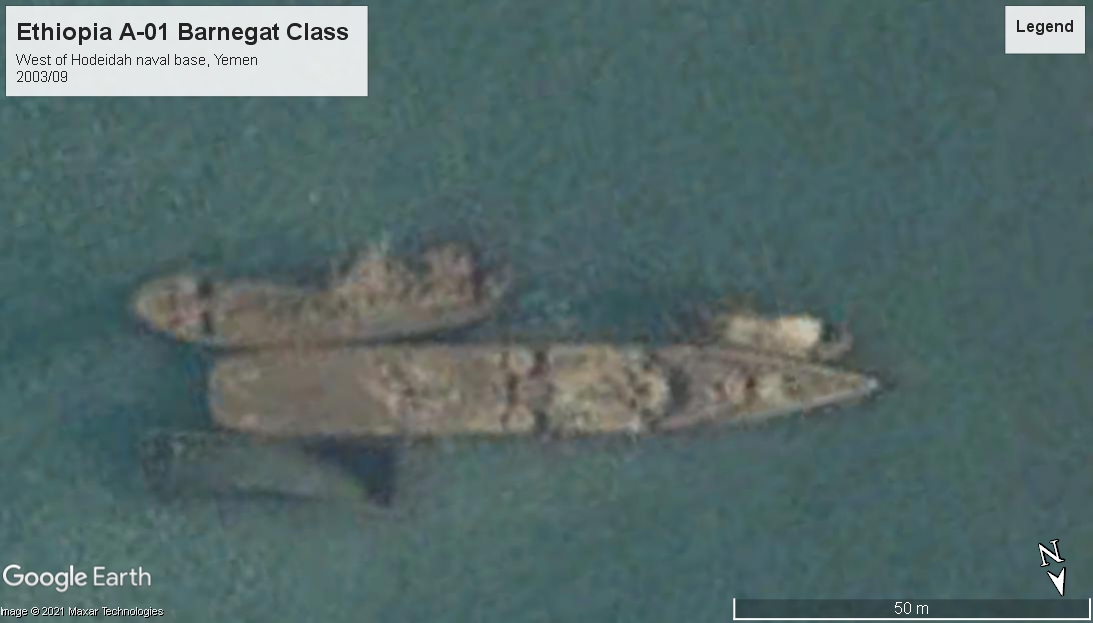

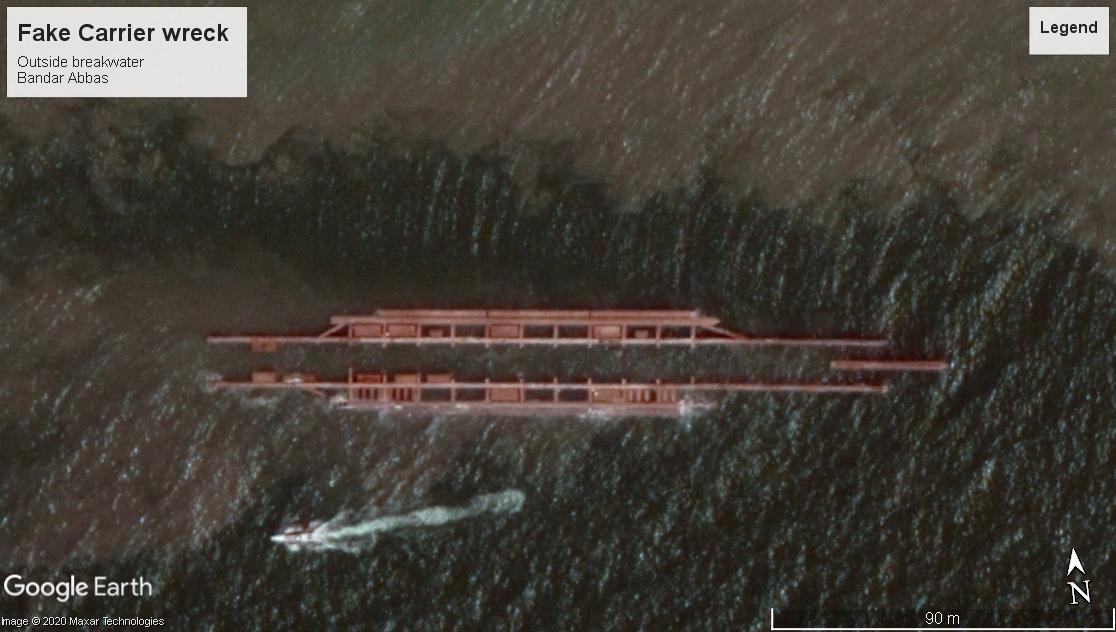
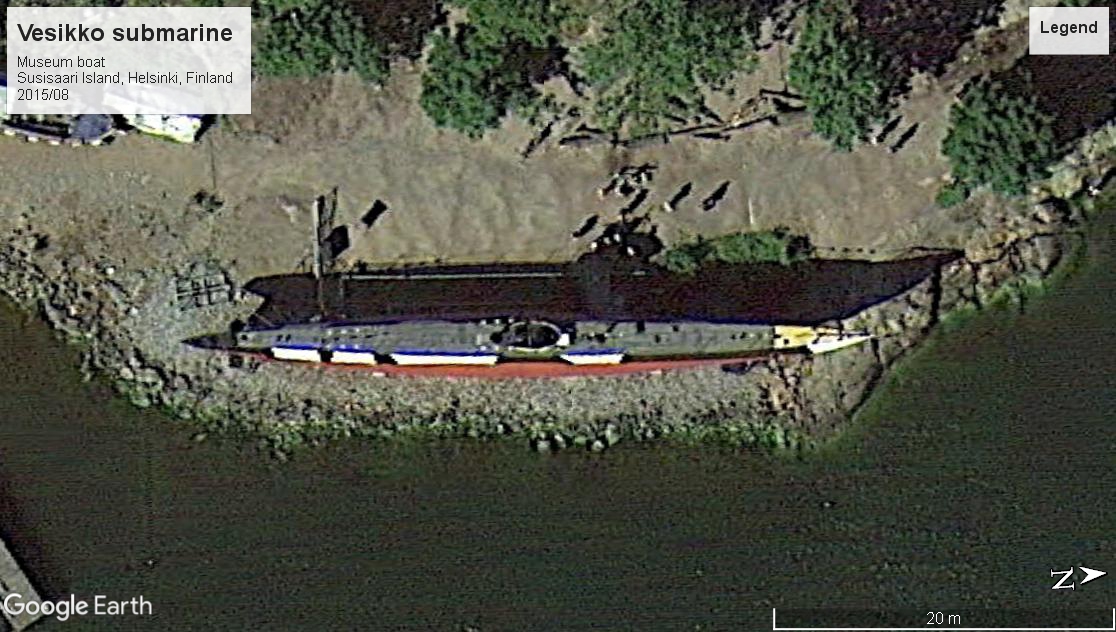
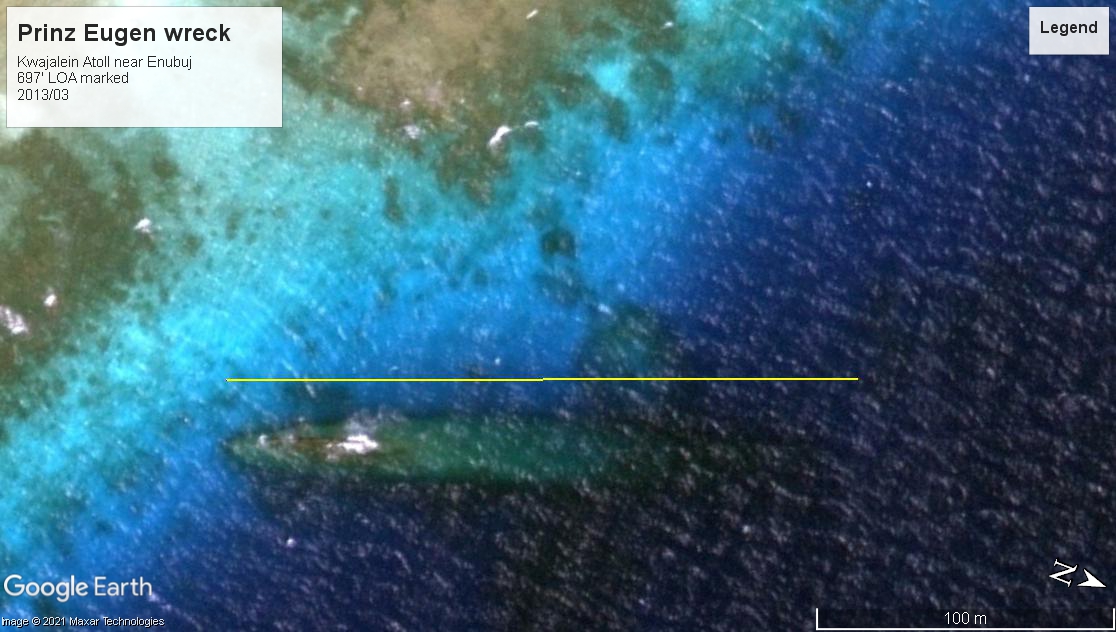
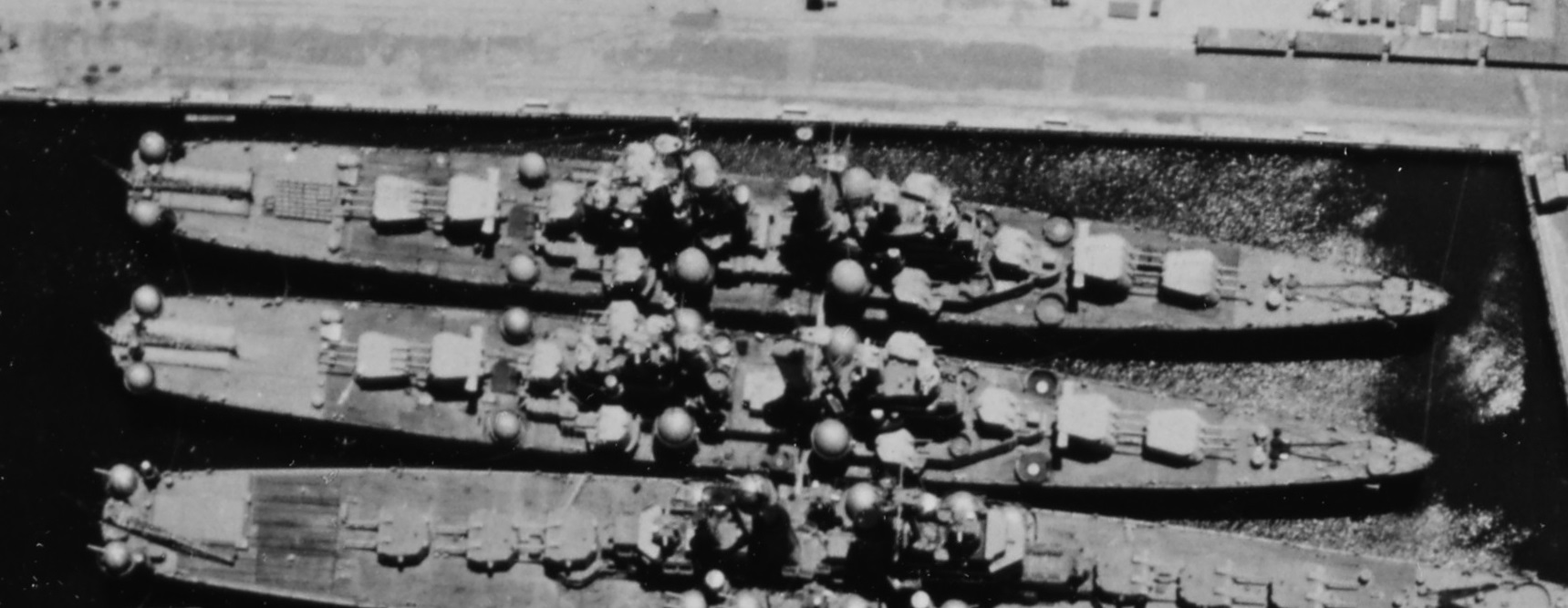
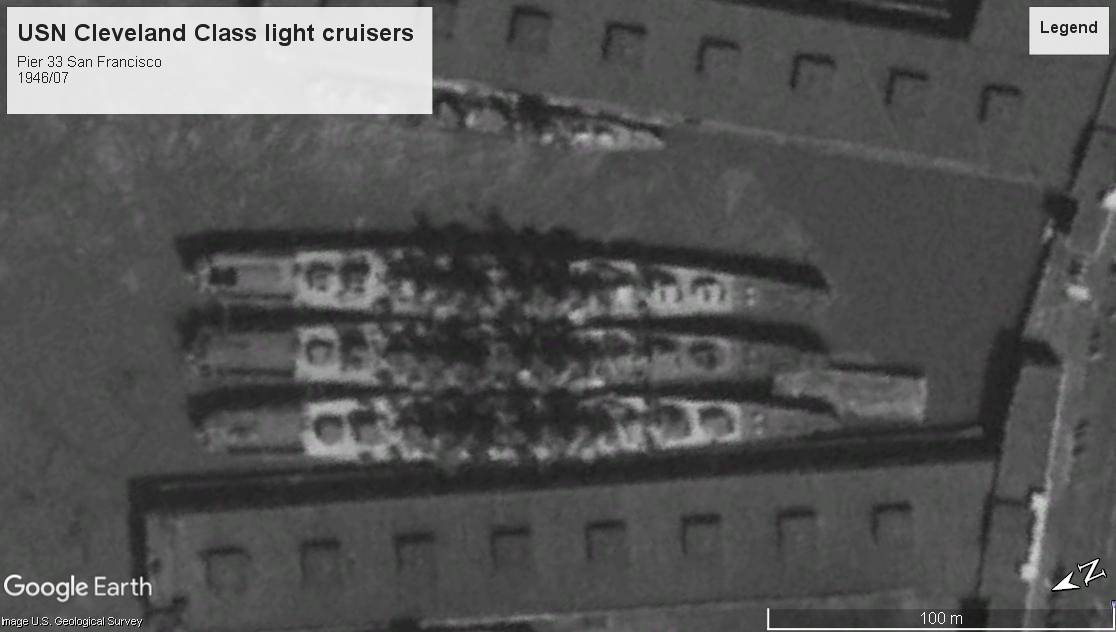
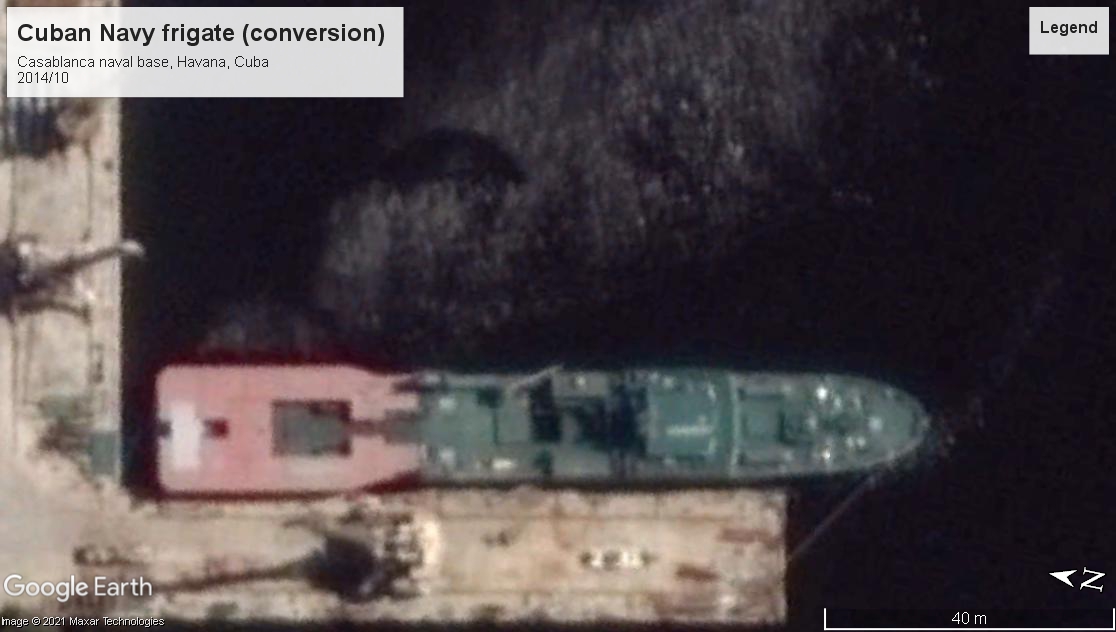
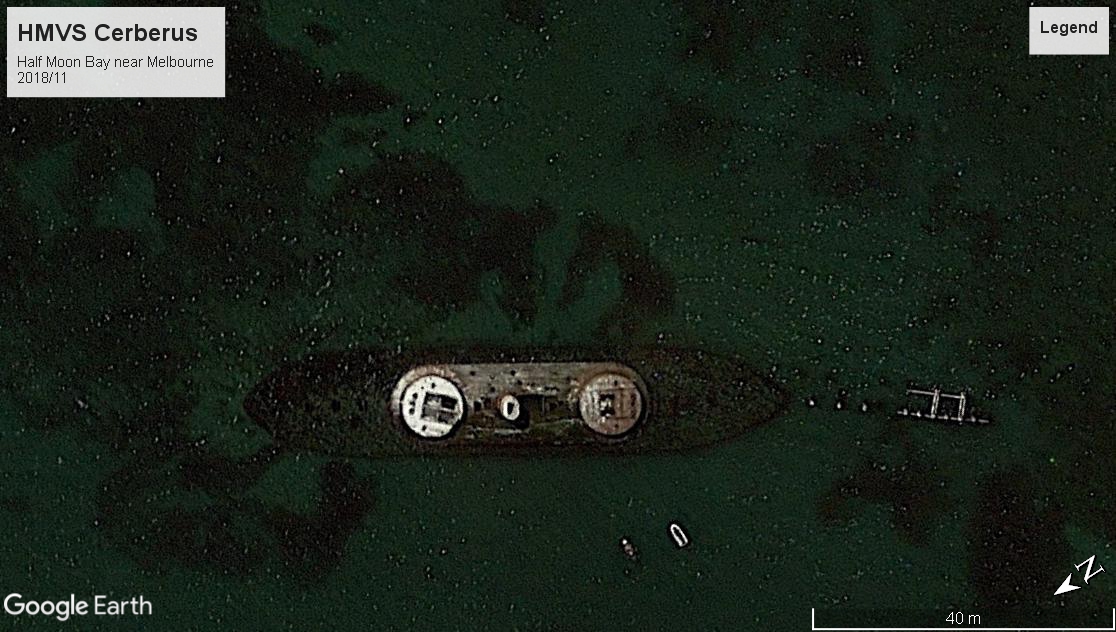
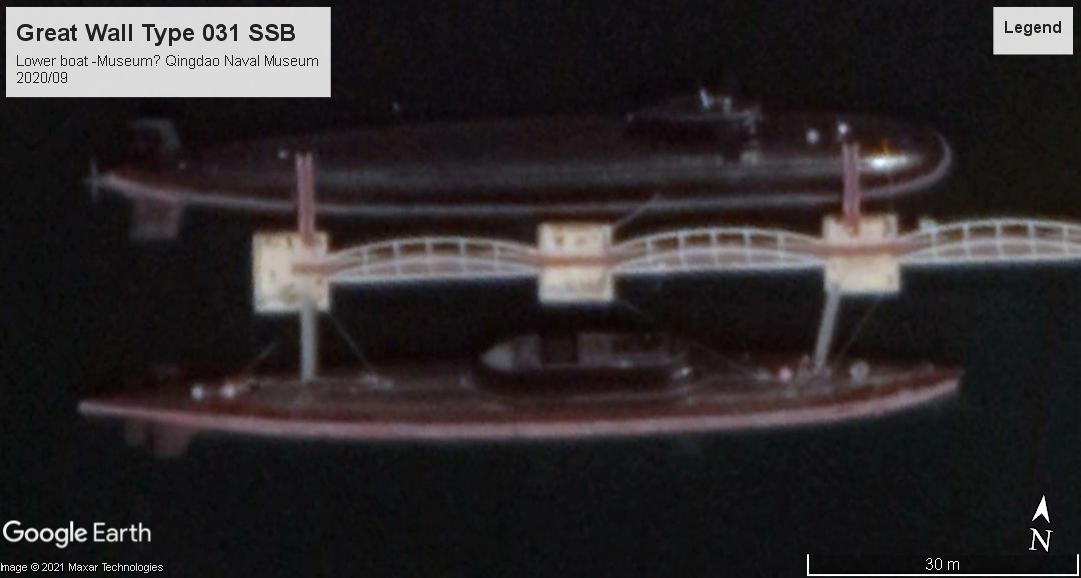
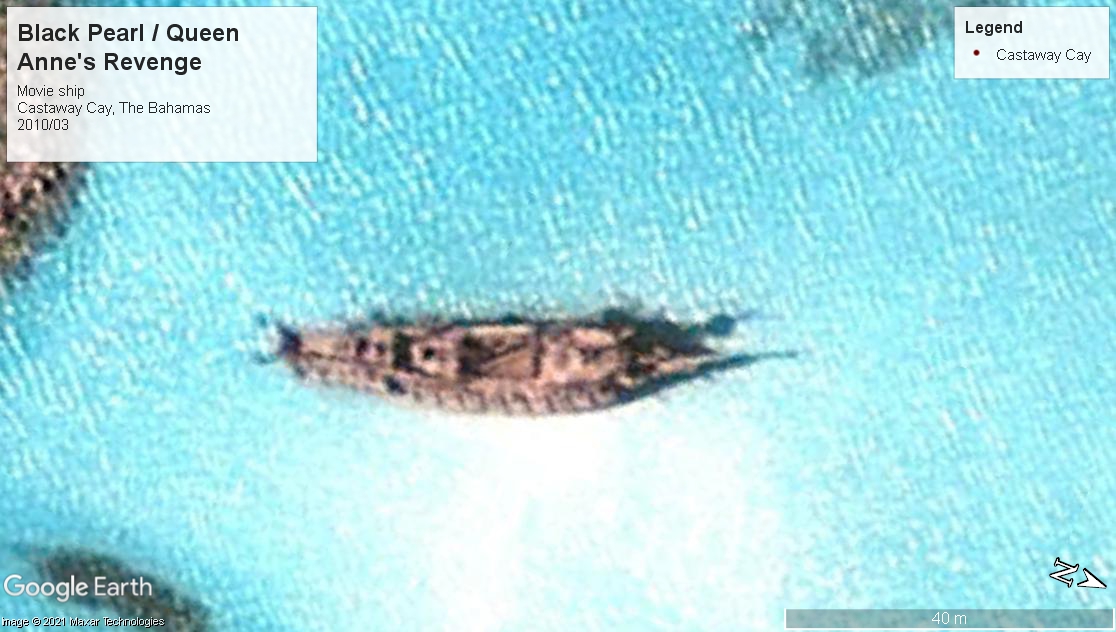
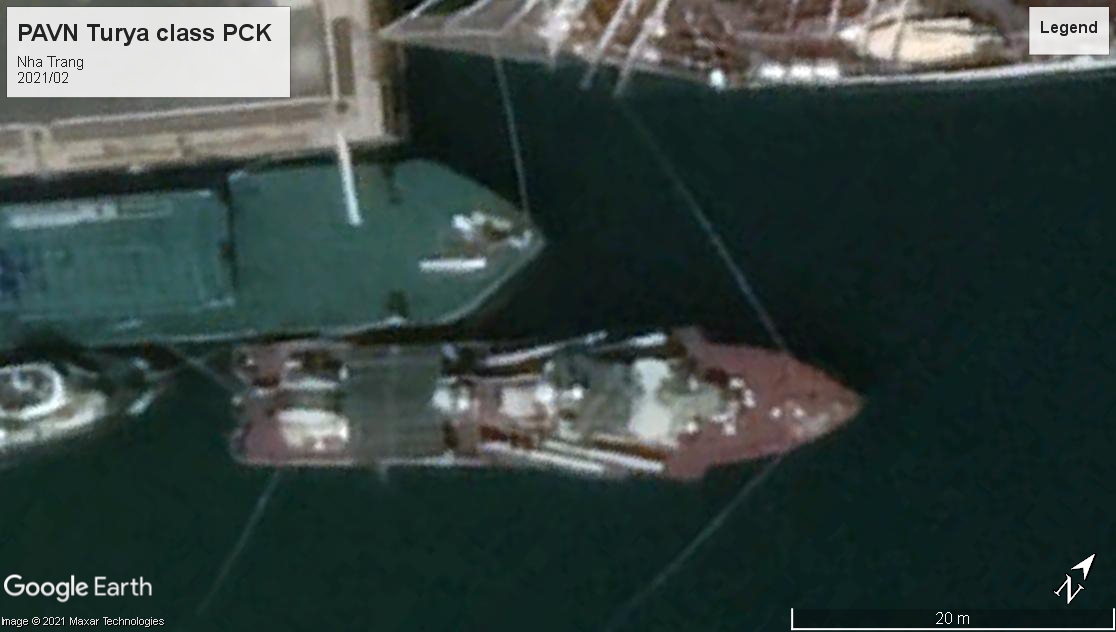
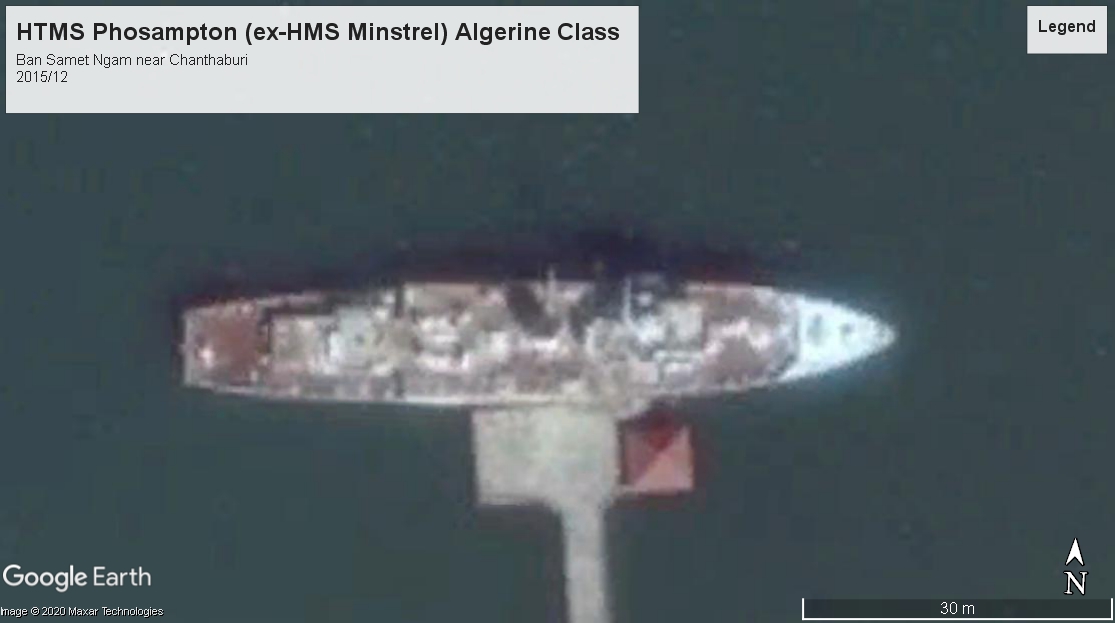
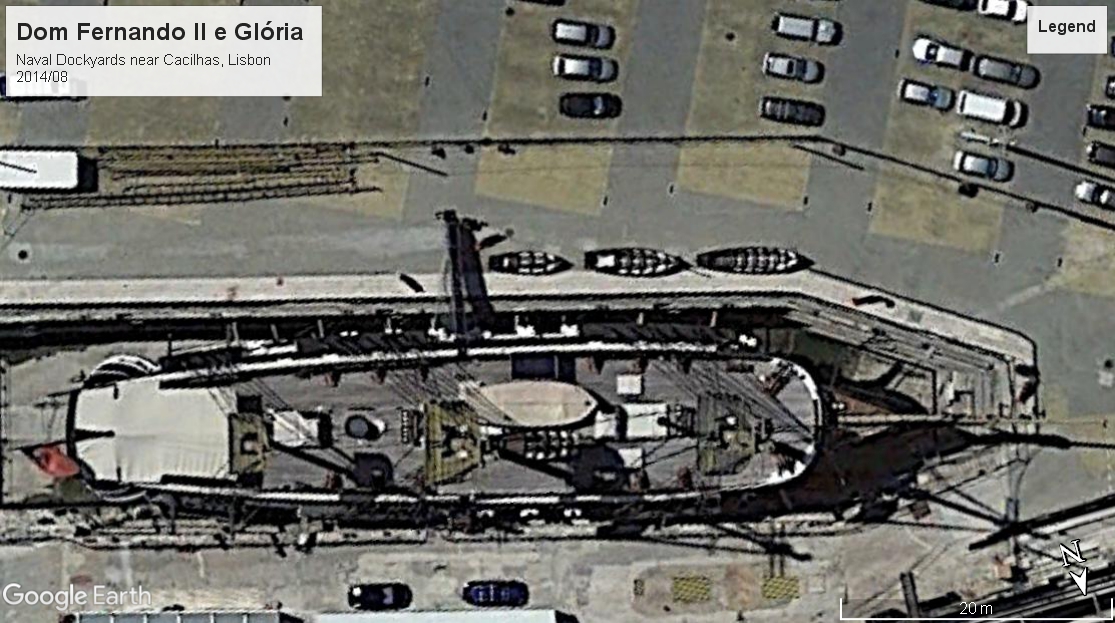
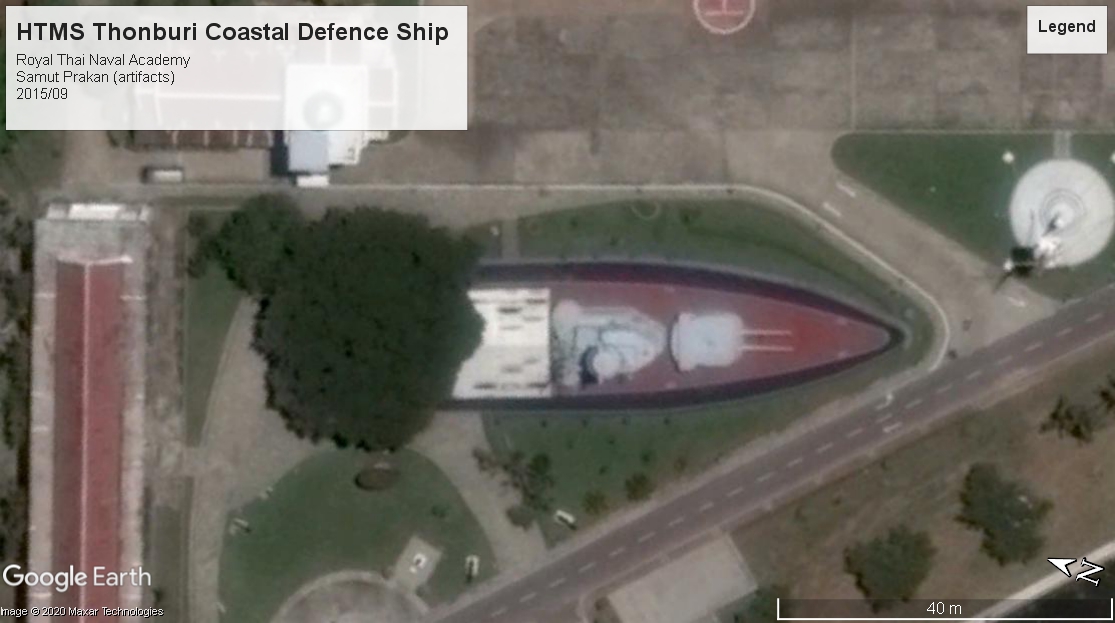
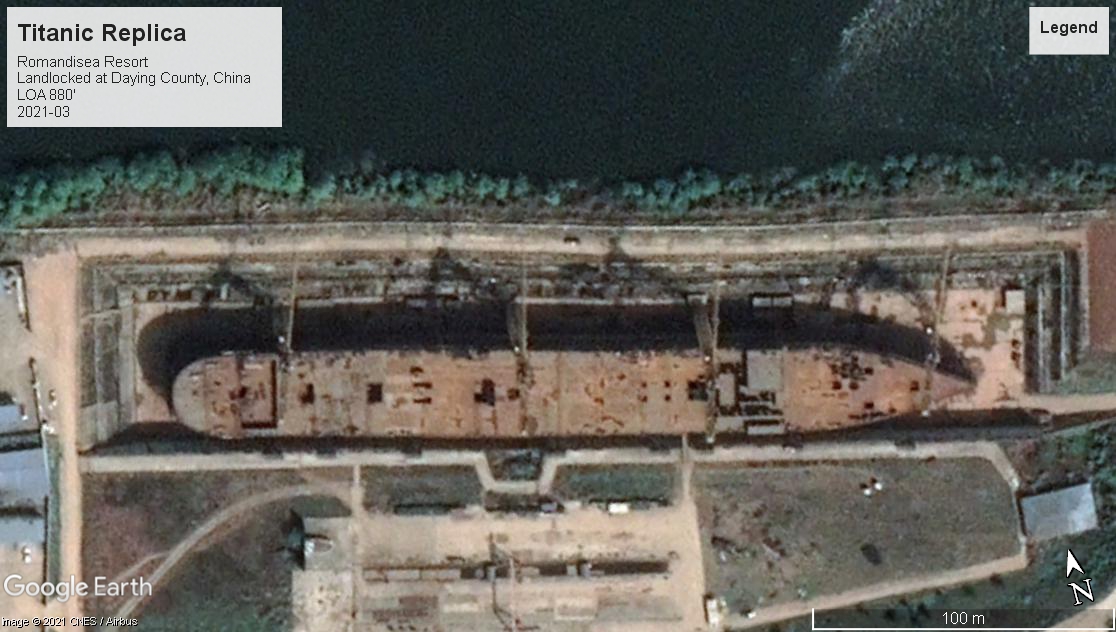
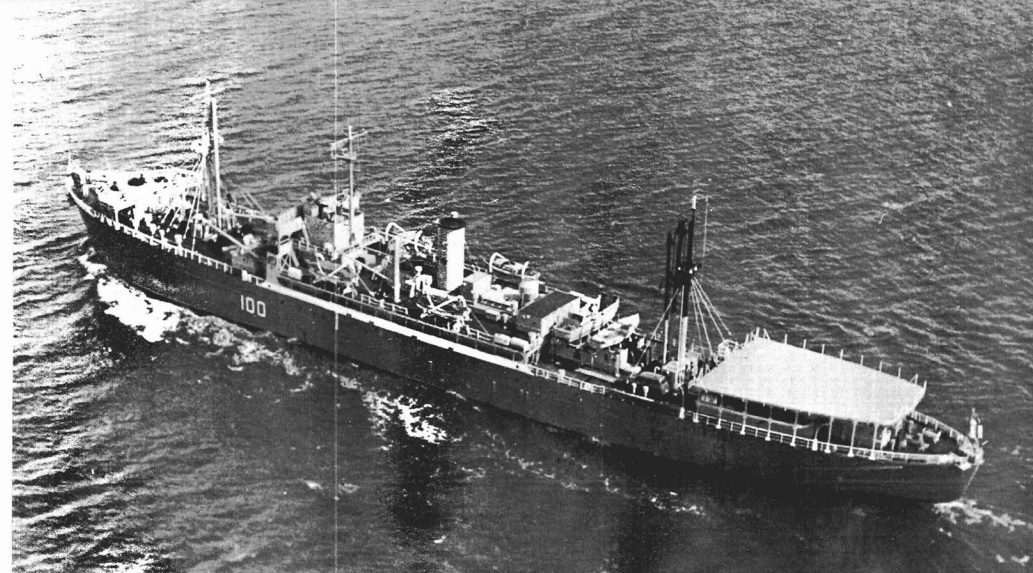
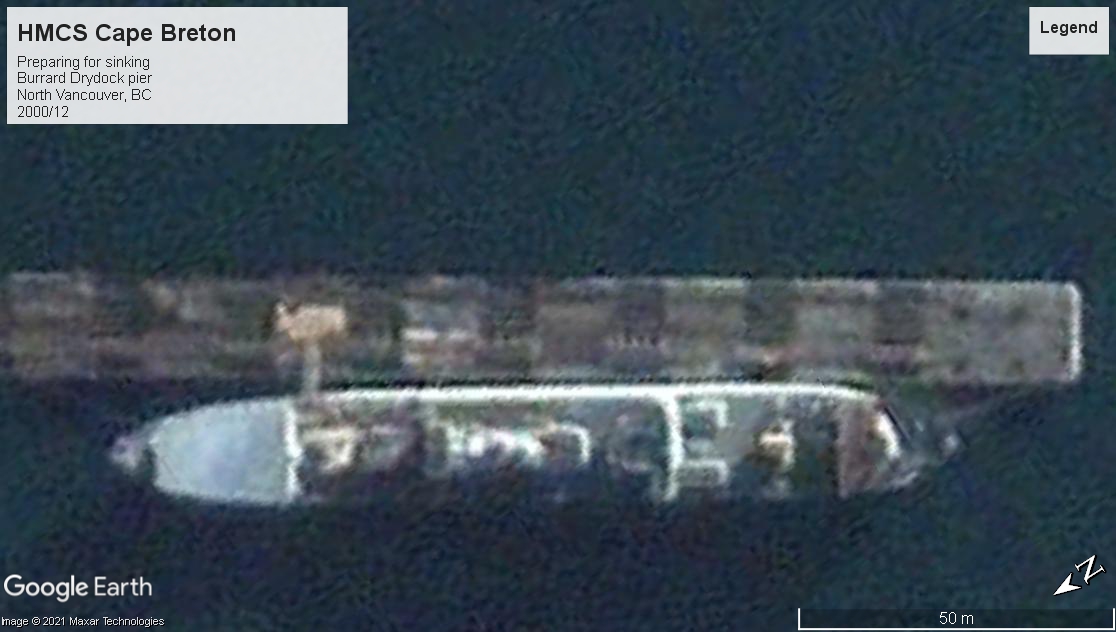
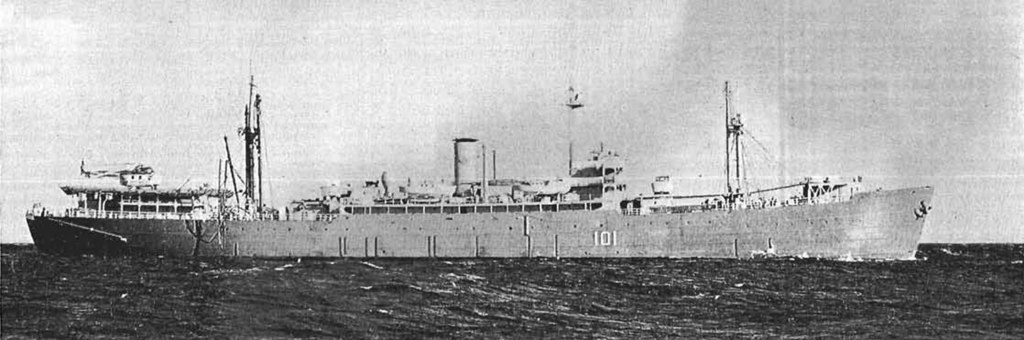
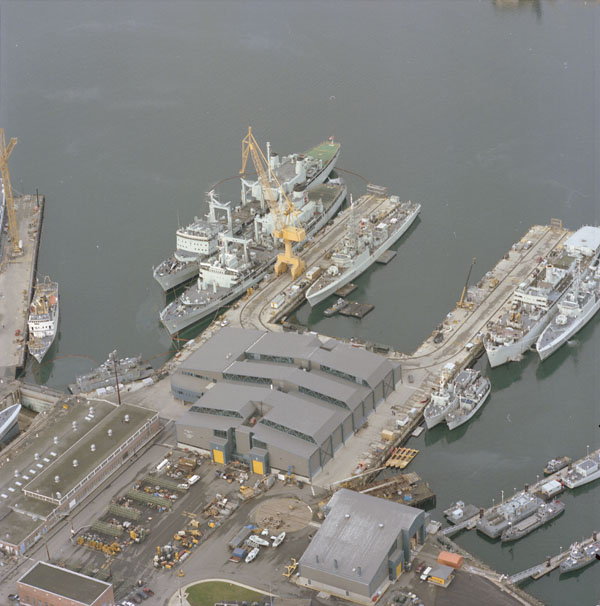
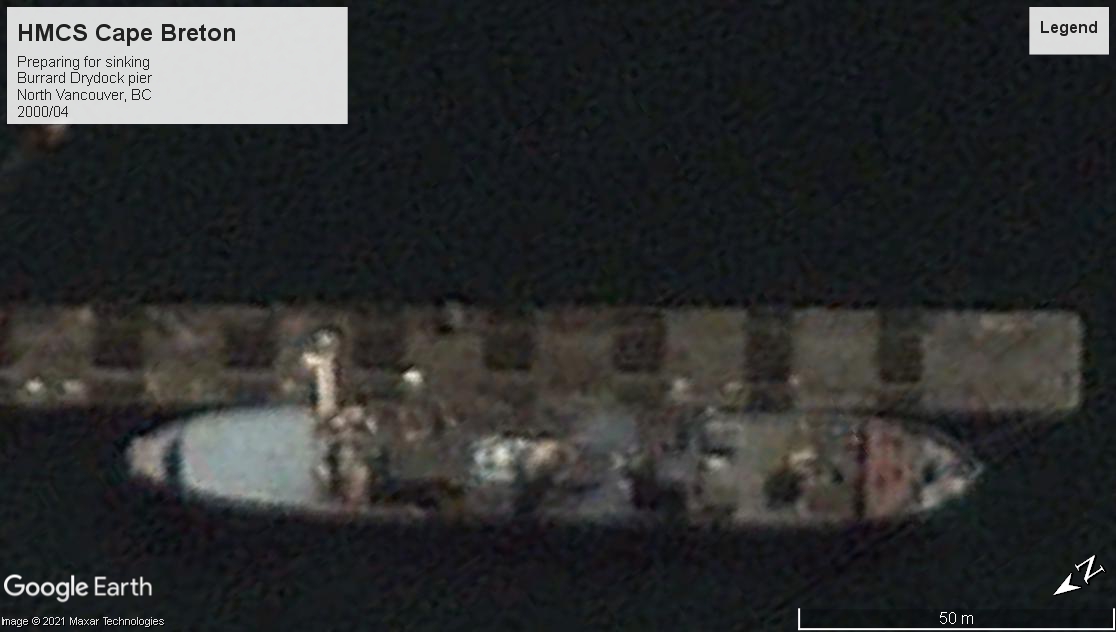
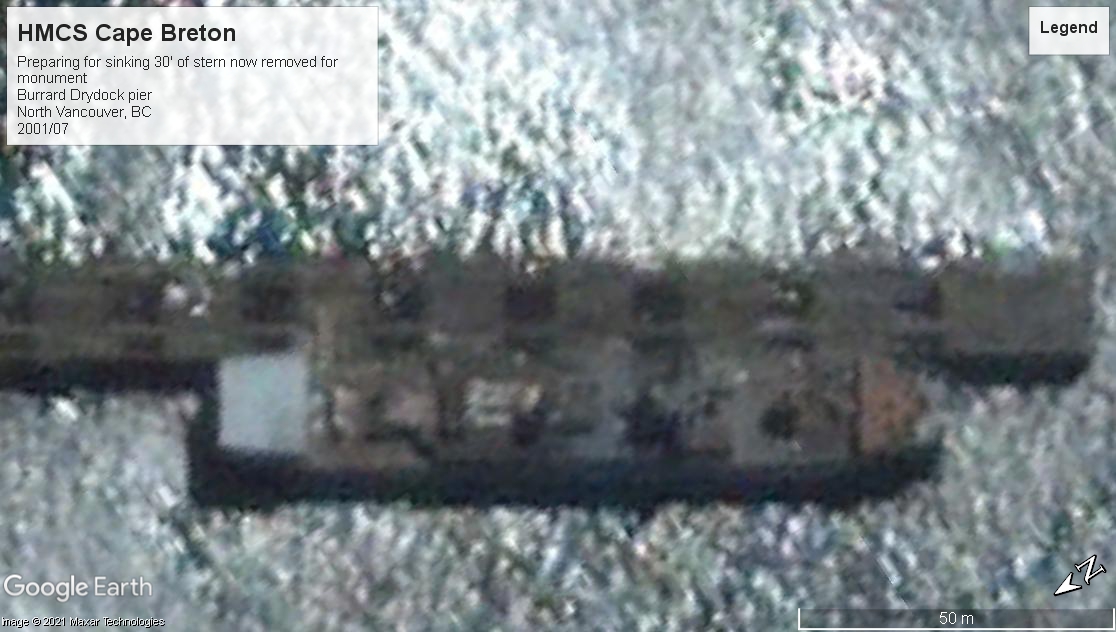 The old ship was towed out to Snake Island near Nanaimo, BC, and sunk on 20 Oct. 2001. The wreck remains a popular dive site, close to the resting place of HMCS Saskatchewan. The monument, meanwhile, was first moved near an old shipbuilding shed slightly North of the Burrard pier.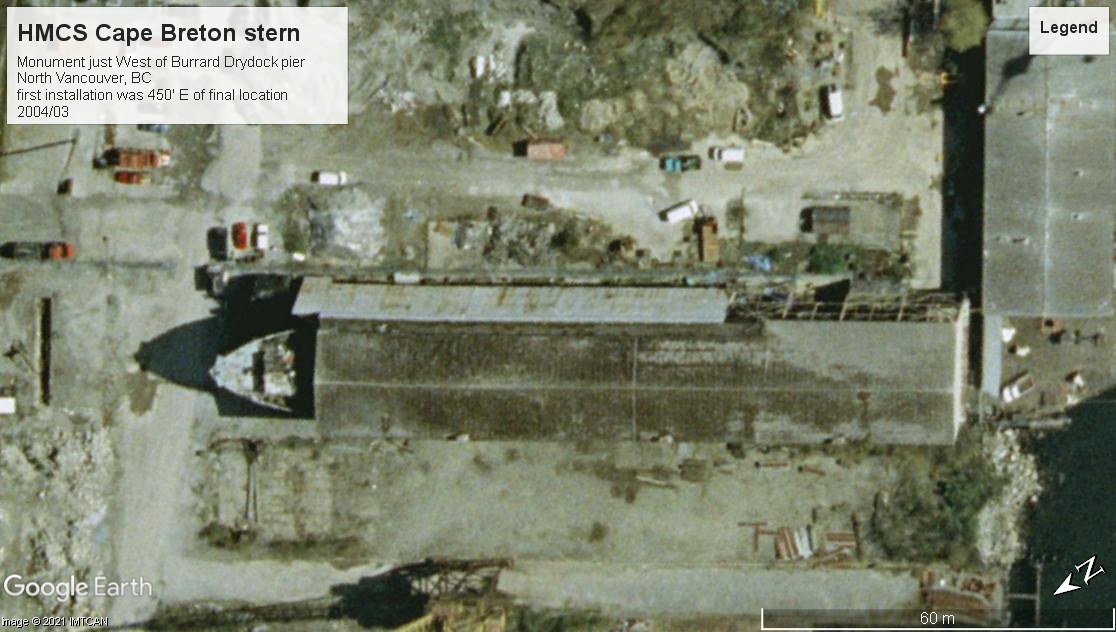
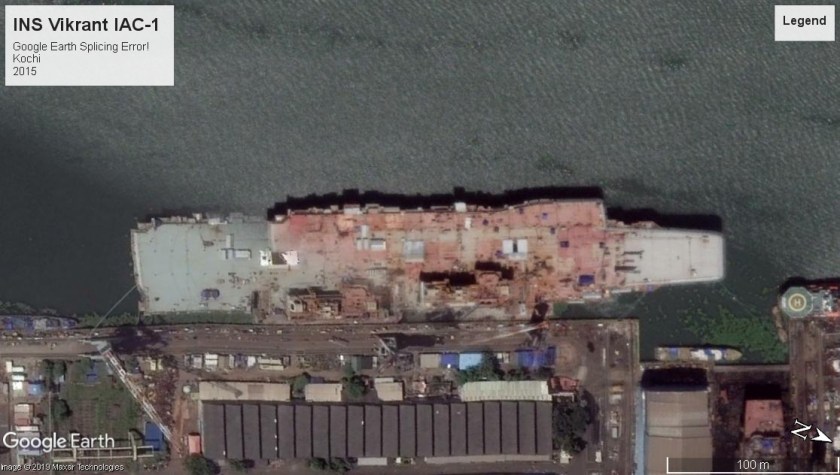


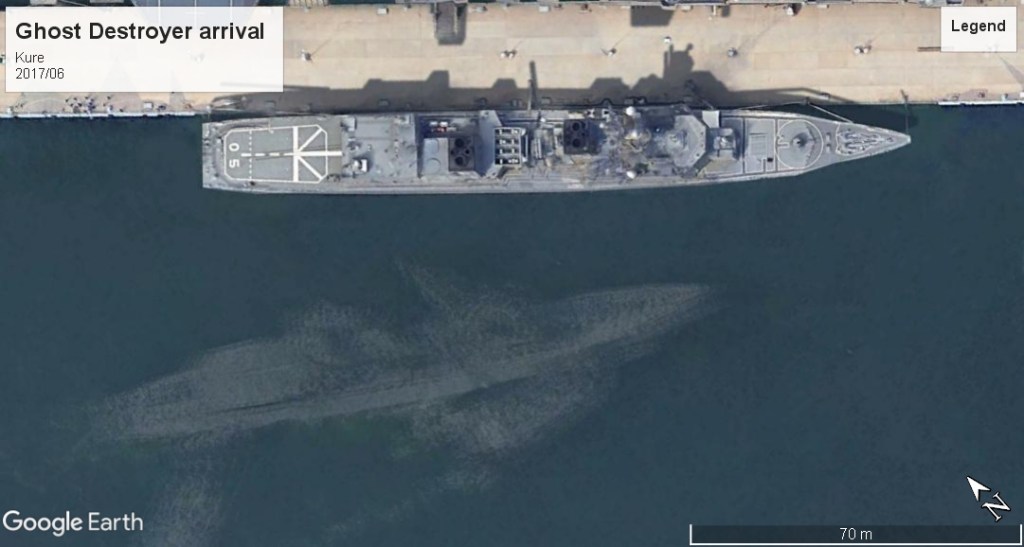
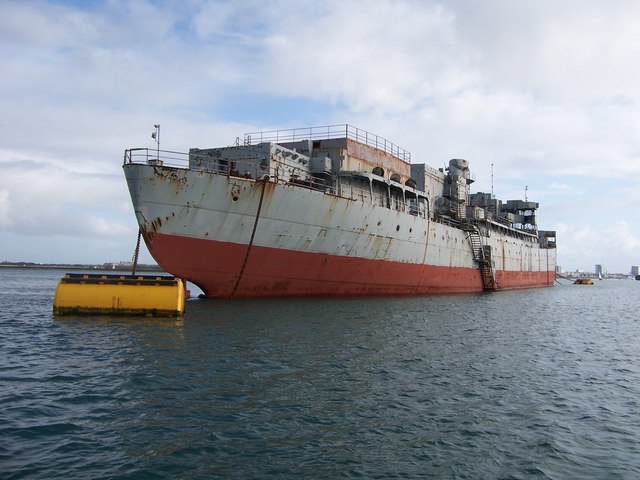
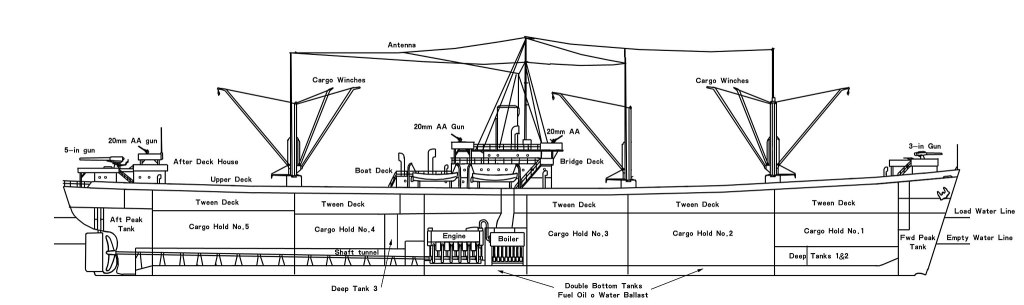
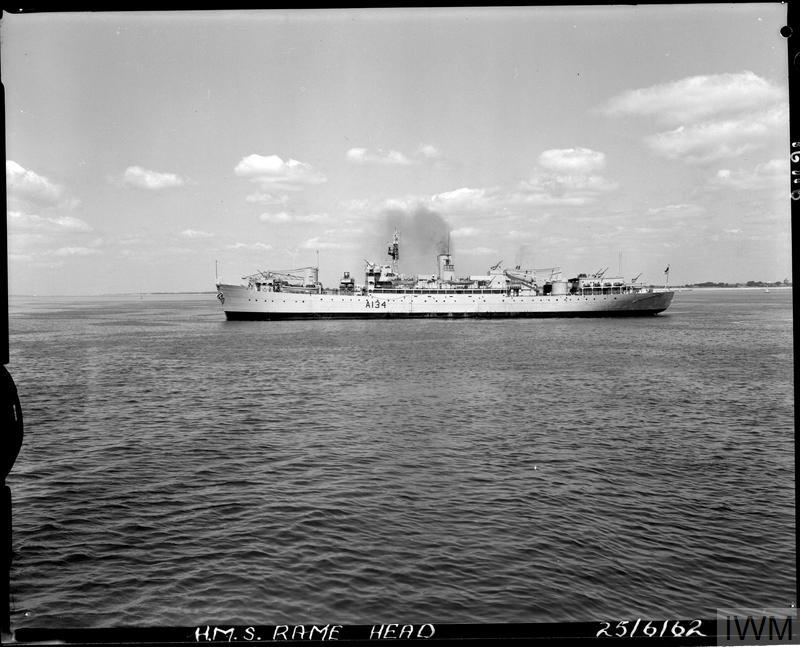
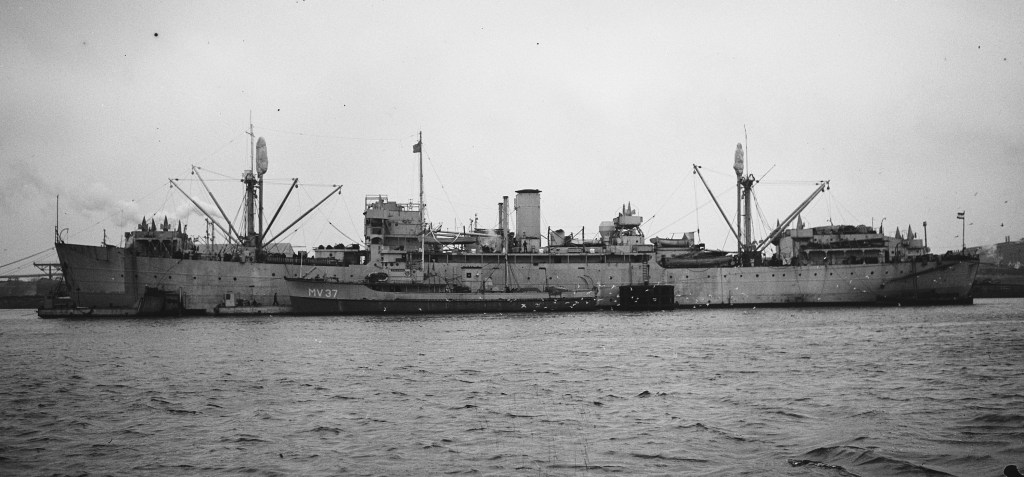
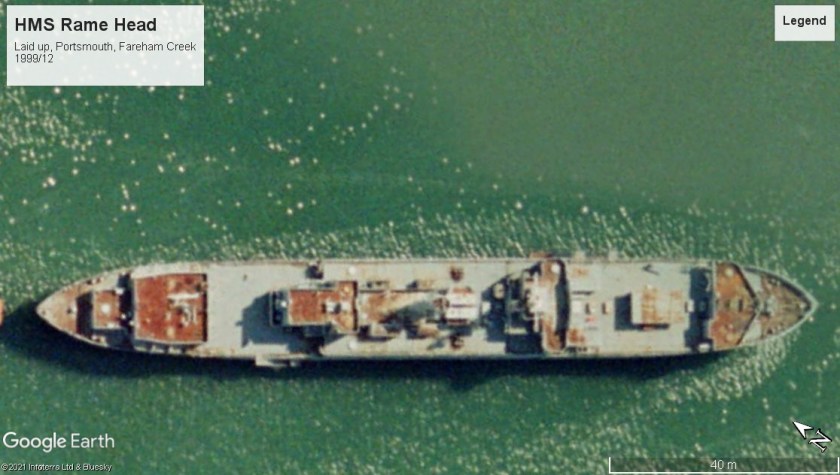
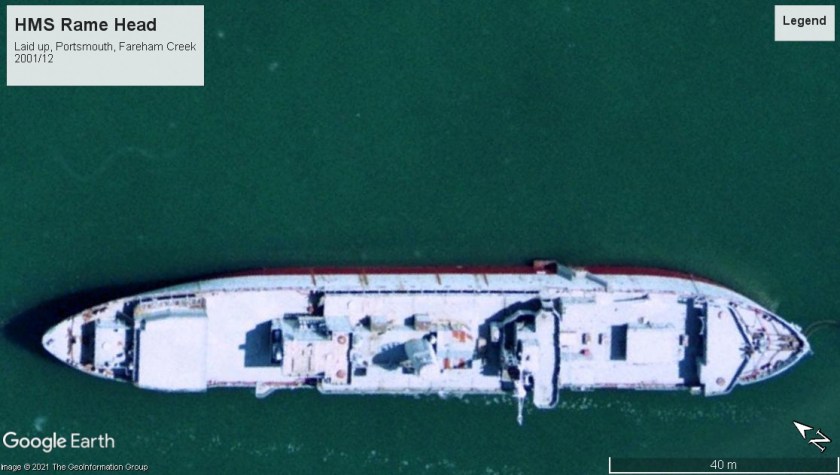
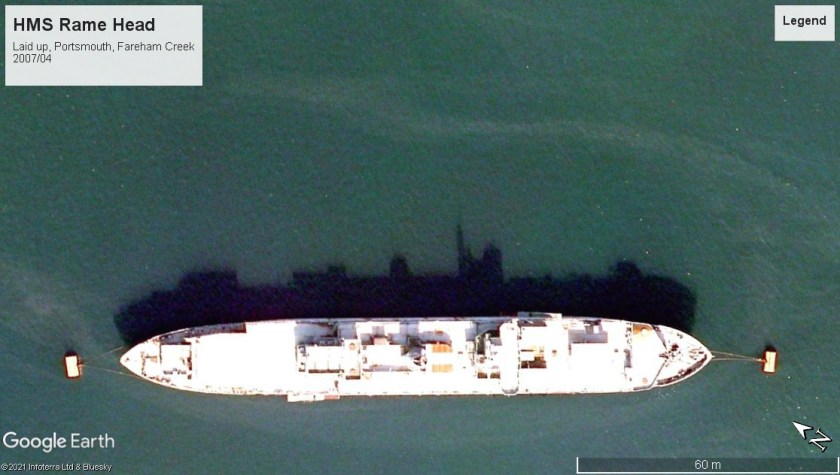
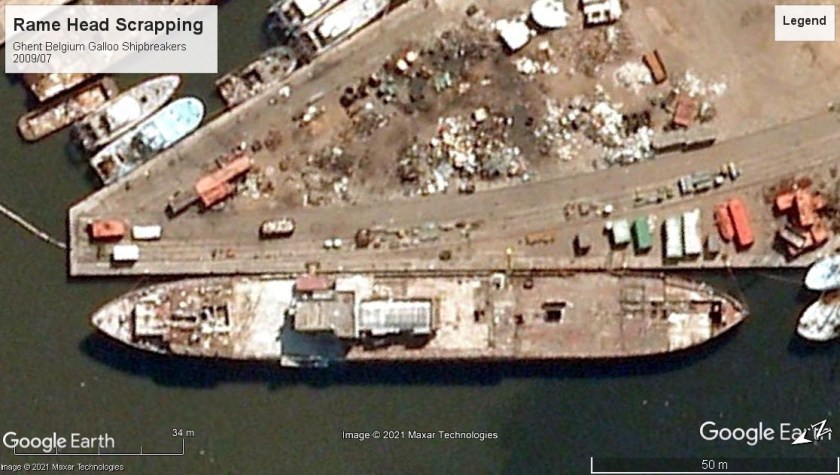

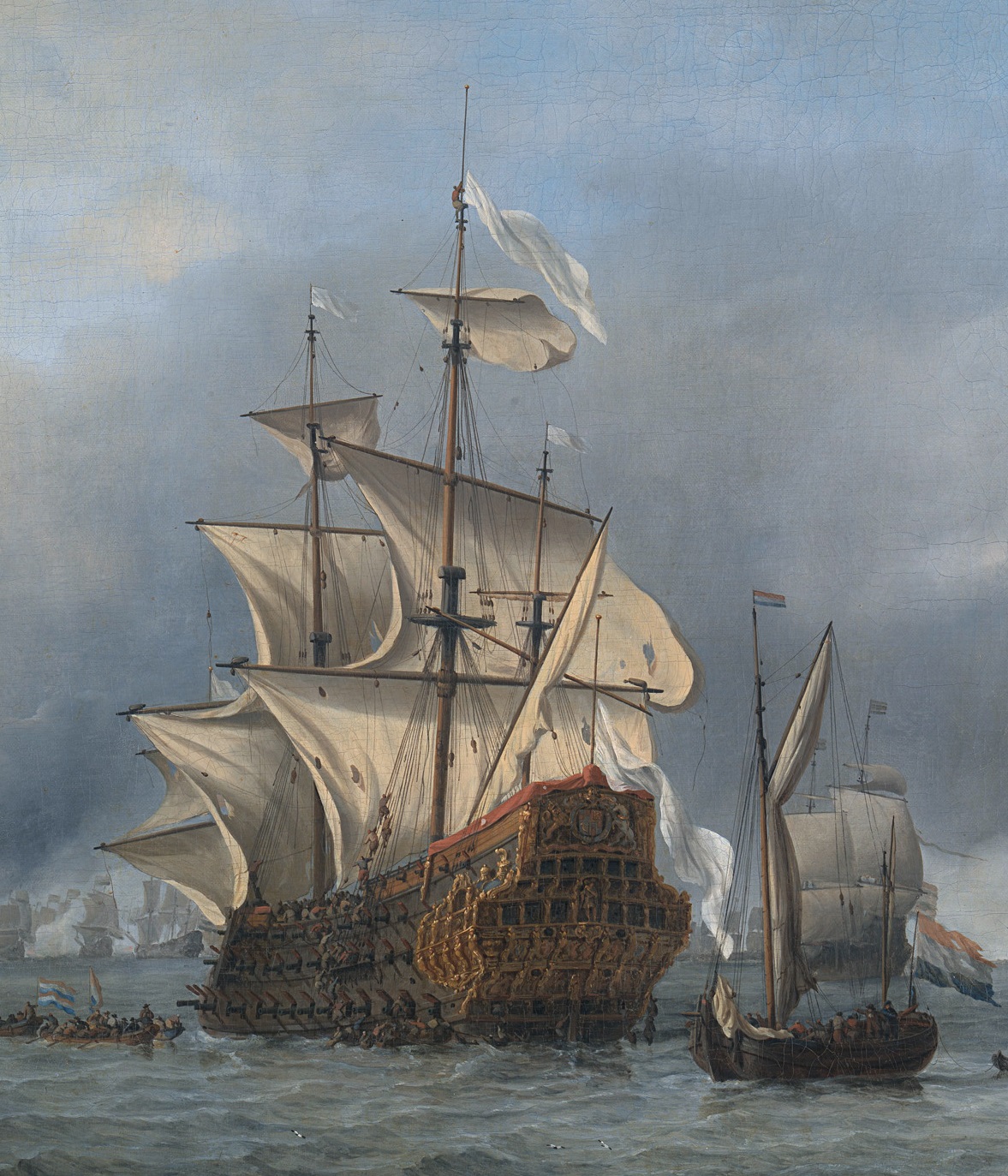

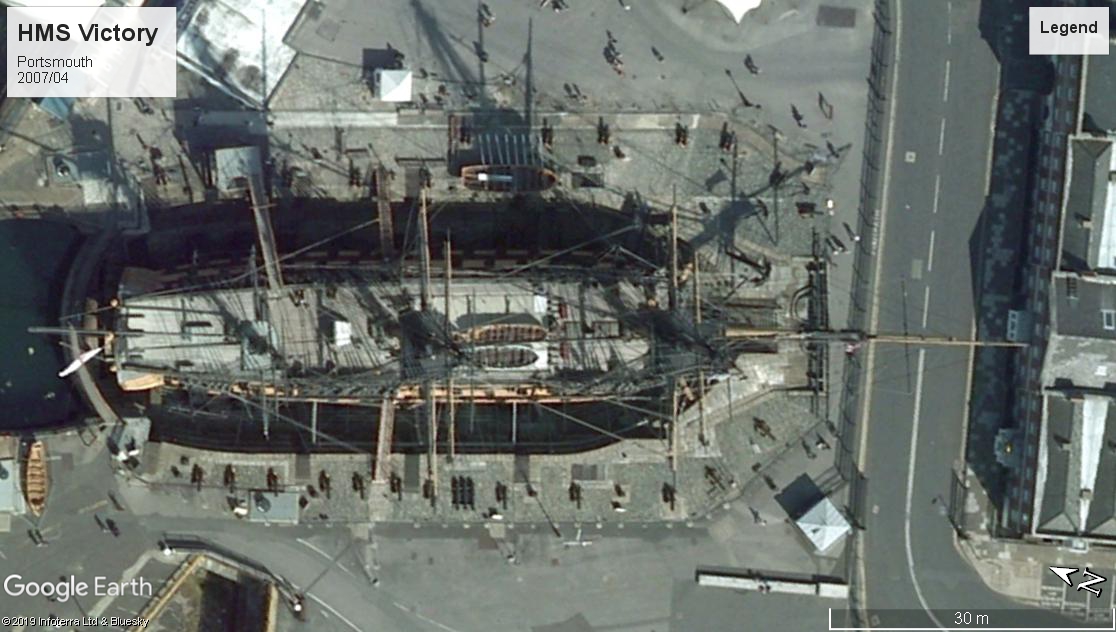
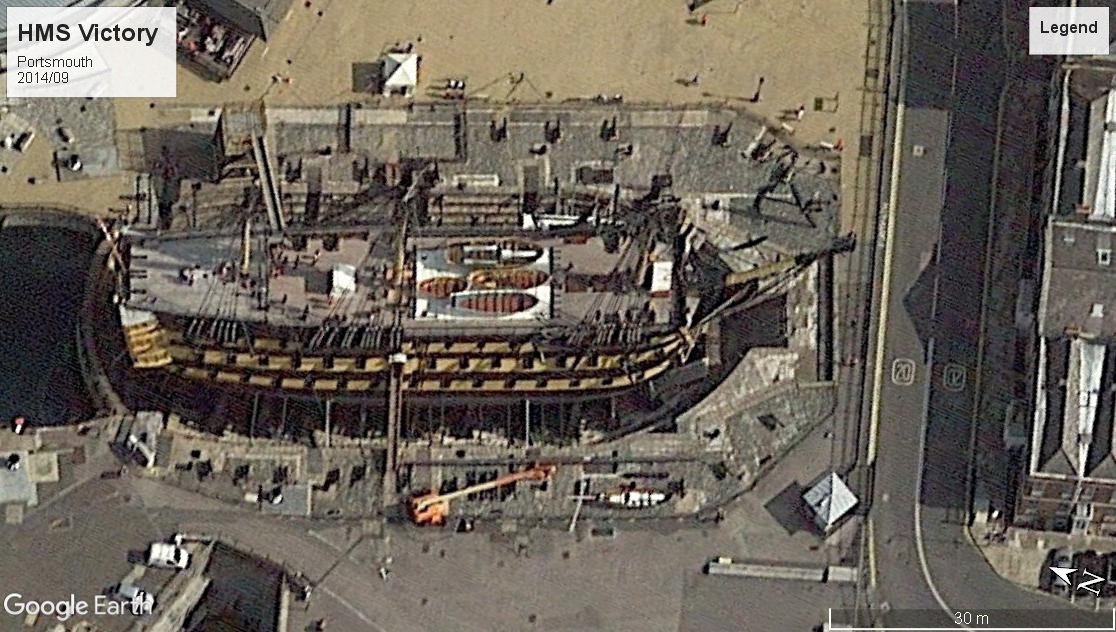
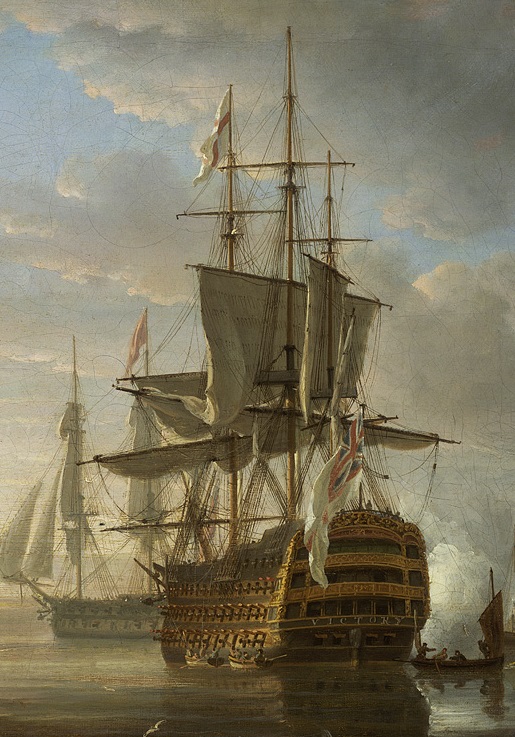
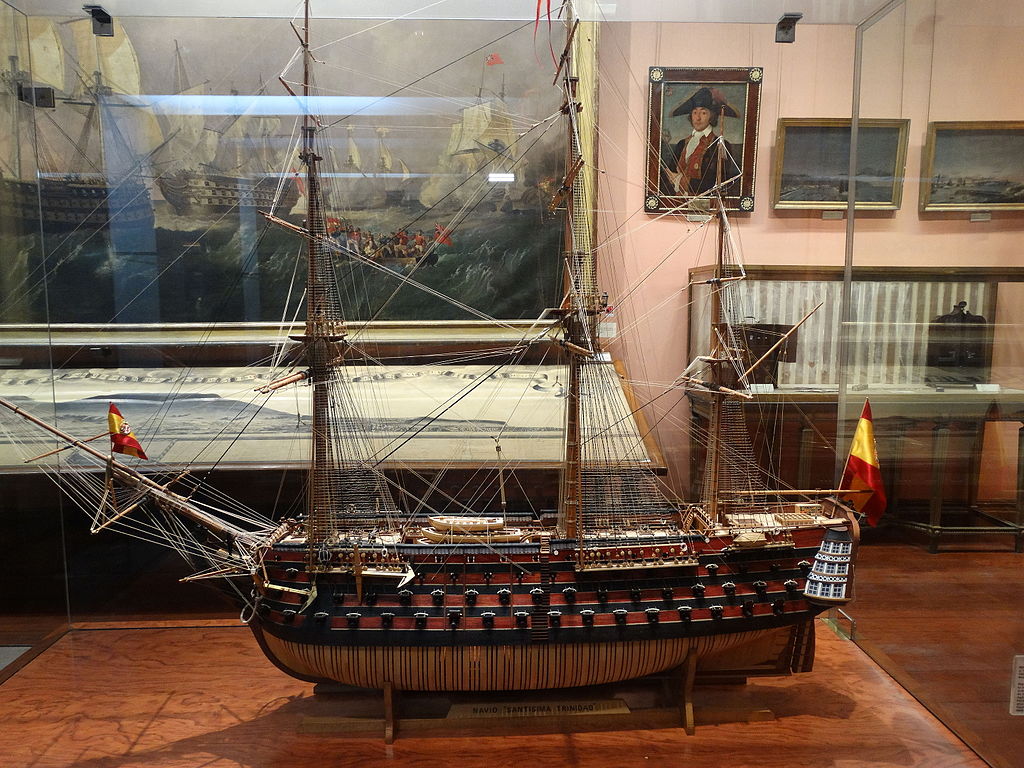
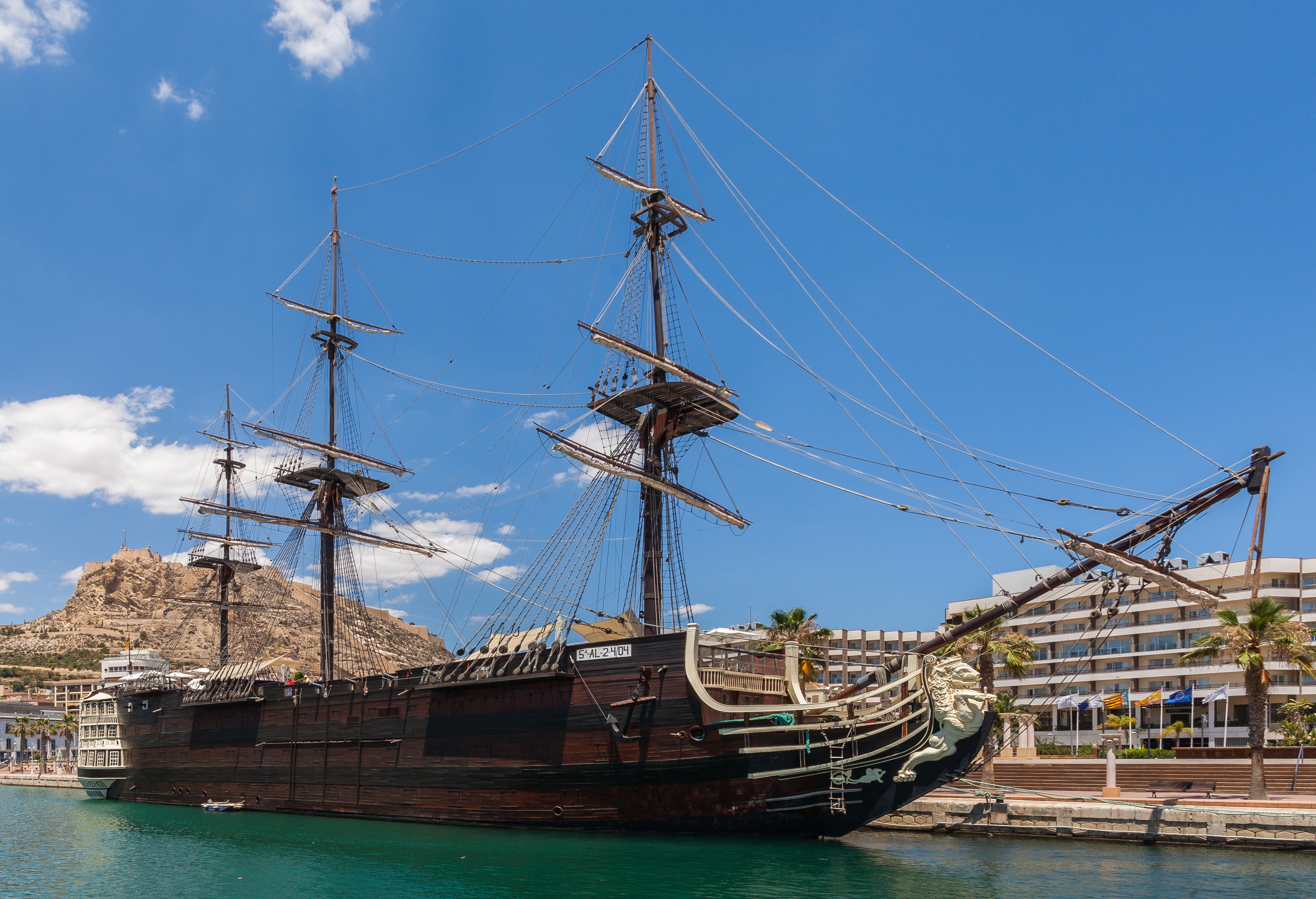
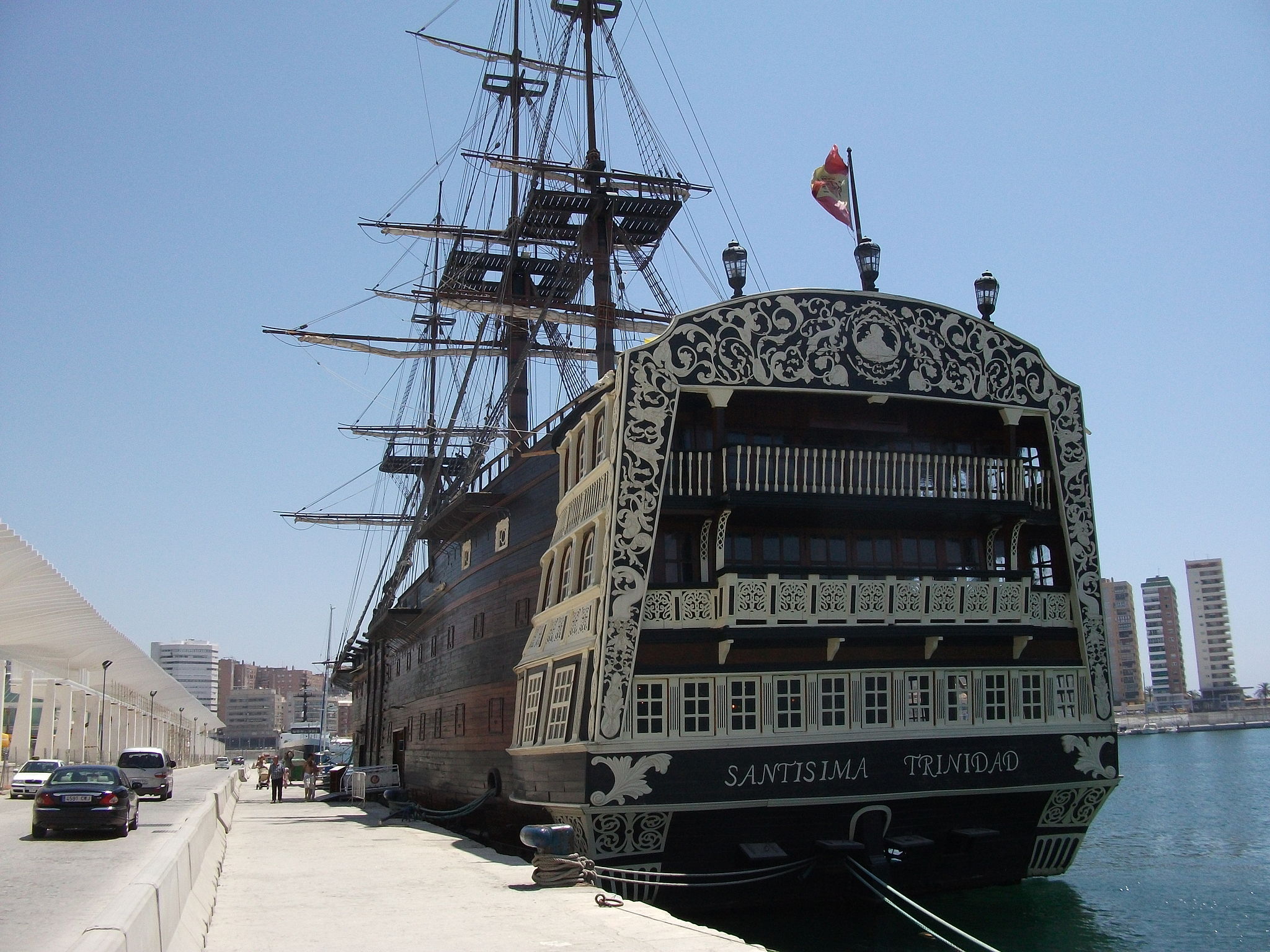
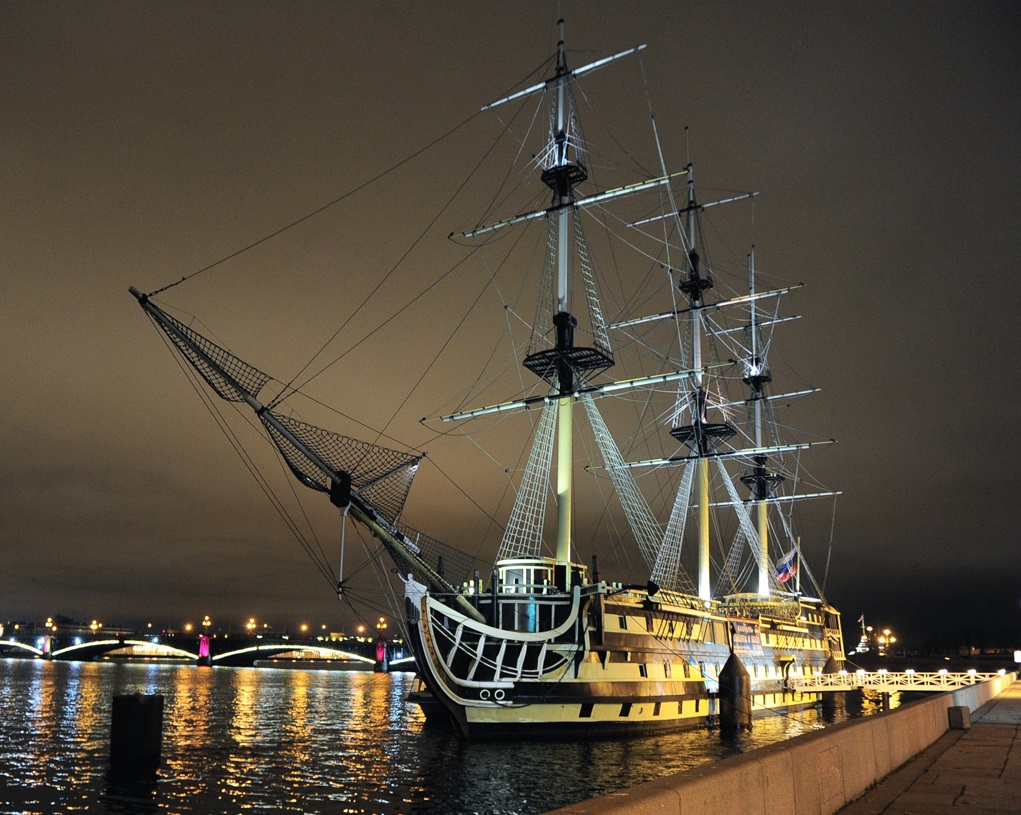
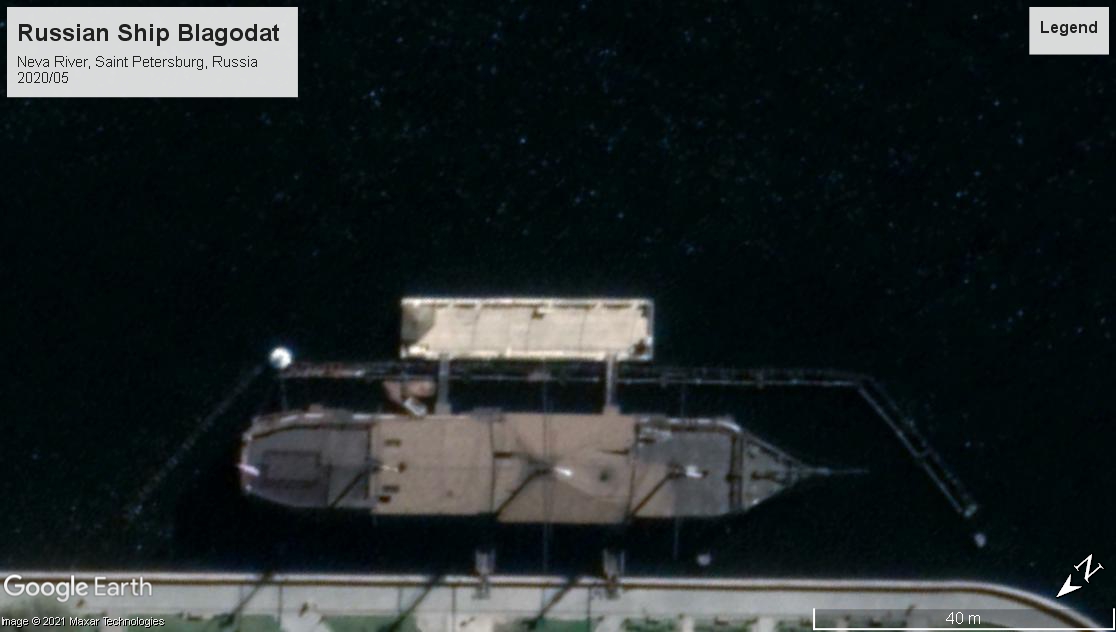
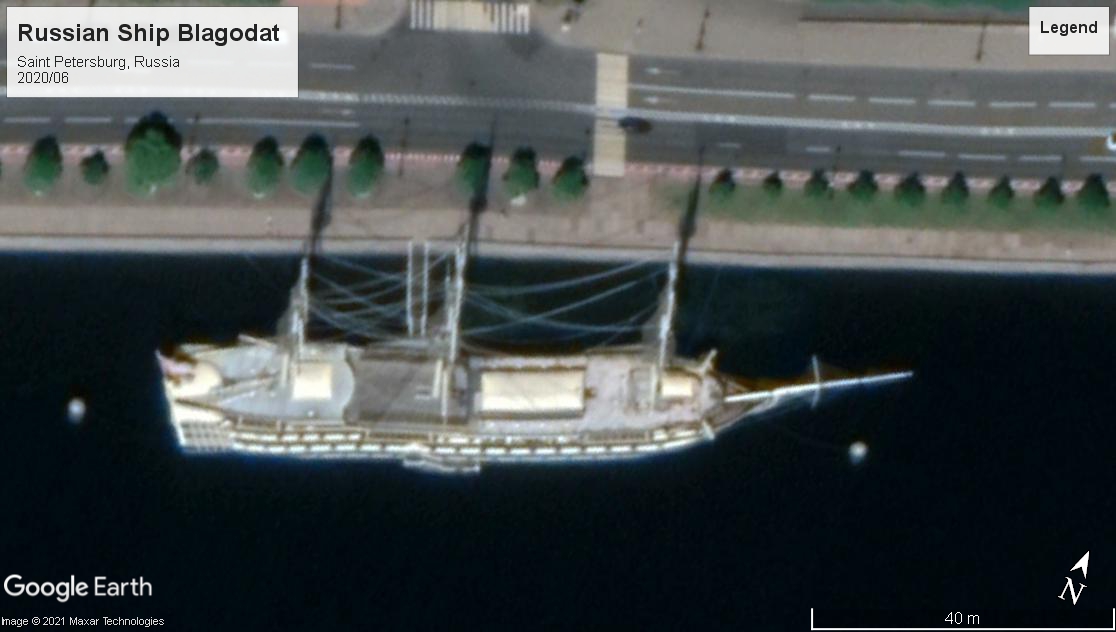
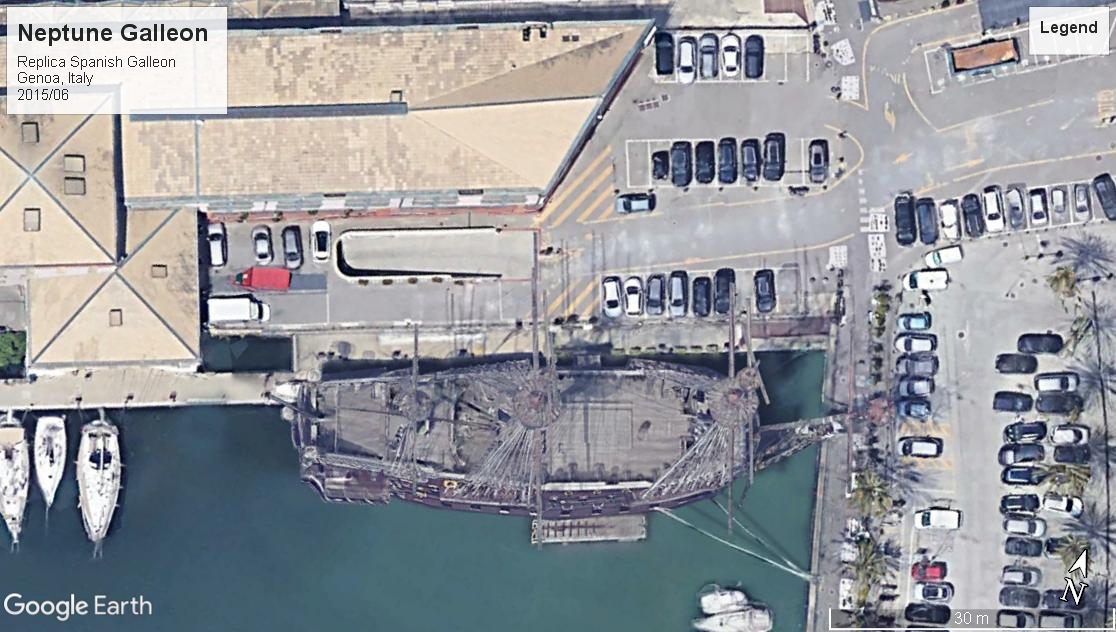
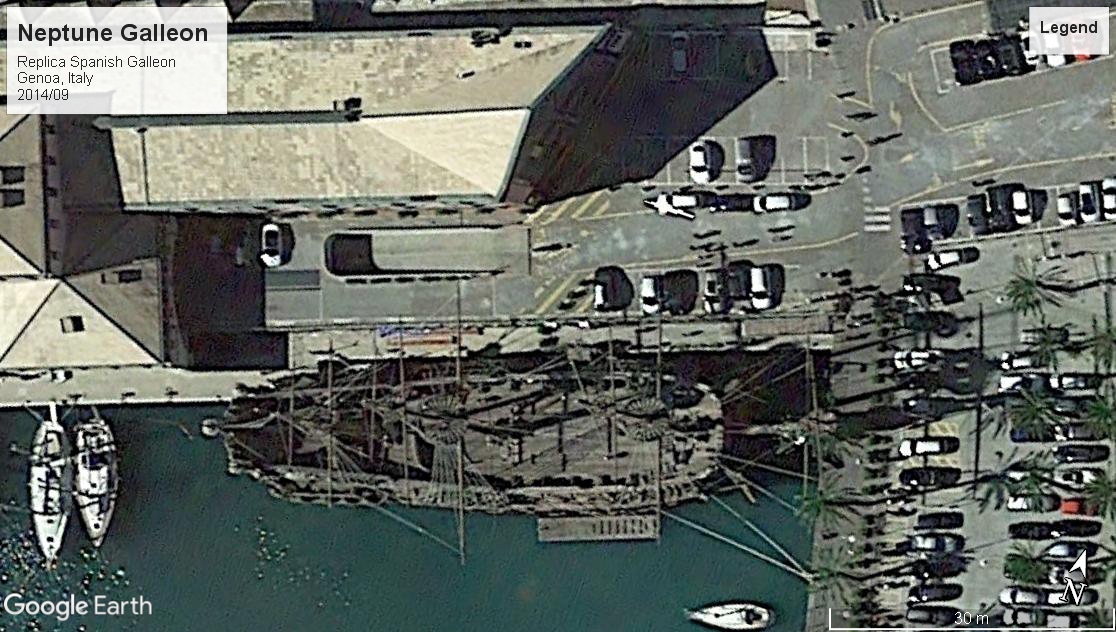
 The Searchers