“Franklin Search Frigates!” What?! The three ships we are profiling today were involved in an important but unglamorous role: sustaining the search efforts for the missing sailors of the 1845 Sir John Franklin Expedition ships HMS Erebus and Terror. They helped support the search missions by caching supplies along the Alaska coast to provision the crews that were exploring the Canadian Arctic. This was important work, but is rarely mentioned in the literature about the lost Expedition or the many searches.
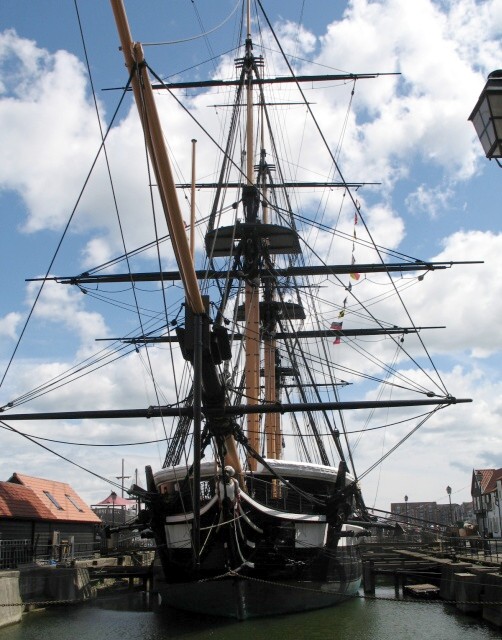
The Leda class frigates HMS Daedalus, Amphitrite, and Trincomalee were the largest ships that we are aware of that were involved in supporting the Franklin search efforts.1 The service of these three powerful vessels, from 1851 to 1854, involved supply missions to sustain the western Arctic searches (and especially the ongoing searches of HMS Plover under captains T. E. L. Moore and then Maguire). These efforts complement the Atholl class corvettes’ similar work, which we explored in more detail in a recent post.
The Ledas were a highly successful group of forty-seven frigates based originally on the lines of a French Hébé, which had been captured back in 1782. Copying French ships was a fine tradition in the Royal Navy.2 The design was adapted to Royal Naval requirements. These were large frigates, that displaced more than a thousand tons – twice the size of the Atholl class supply ships also assisting in the searches and three times the size of Franklin’s two missing exploration vessels. They were originally armed with thirty-eight or more heavy cannon – the main armament on the expansive 150’ gundeck consisted of twenty-eight 18-pounders. During the War of 1812, a member of the class, HMS Shannon, had captured USS Chesapeake in an incredible duel off Boston.
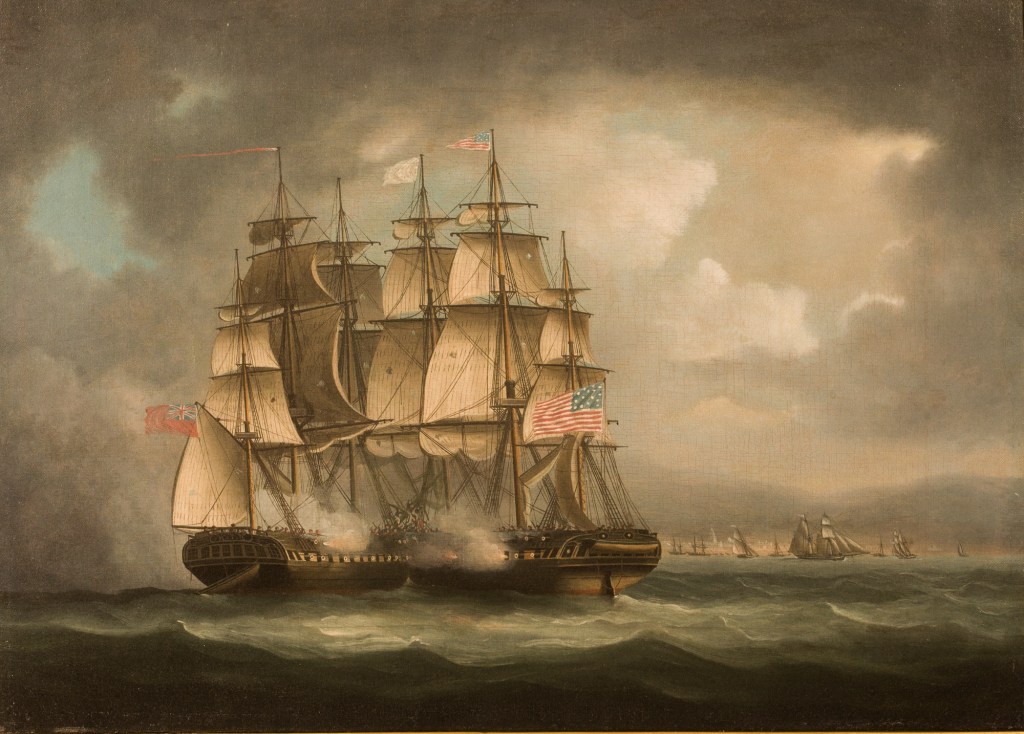
Since units were under construction for almost thirty years, the design was modified many times. “Improved” members of the class eventually boasted updated diagonal framing and circular sterns. The early Victorian sailing navy was serving through an innovative period of technical experimentation, and Ledas underwent some quite radical transformations in their long careers. Today, astonishingly, two members of the class, HMS Trincomalee and Unicorn, are preserved and show different eras of the design.

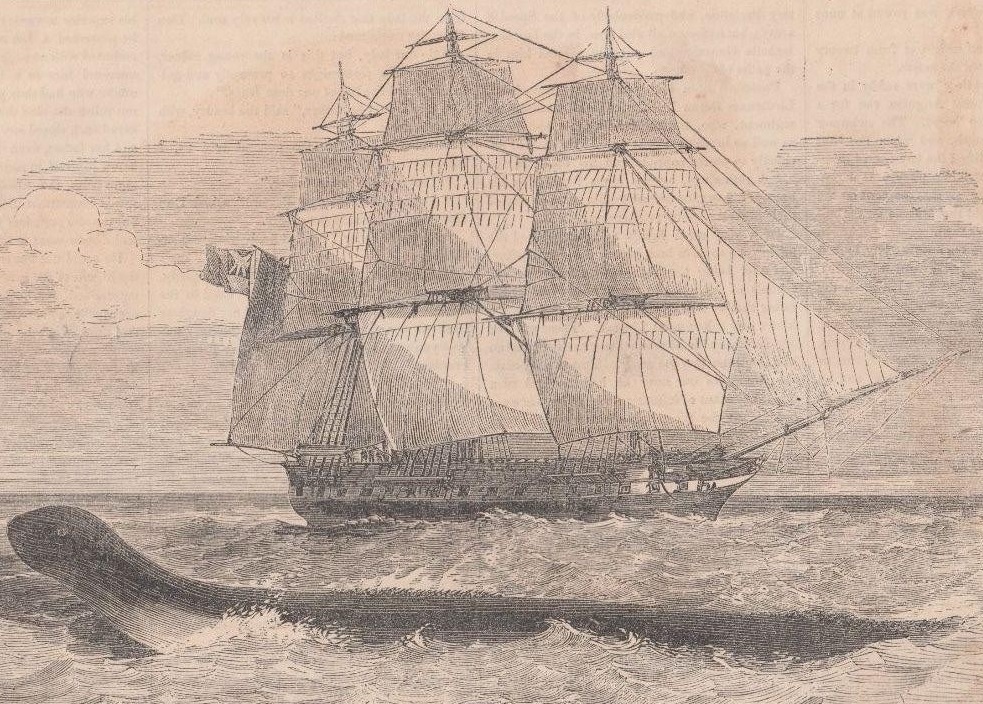
Daedalus was launched in 1824 just prior to the similar Unicorn, which survives today as a museum ship. Both ships featured the then-revolutionary “circular stern” design. Like Unicorn, she was left in reserve status for decades. The design was cut-down or razéed and converted to a steam-powered screw-propelled 19-gun corvette in 1844, with the stern galleries omitted. Given the odd numbering of cannon, she likely had a single rotating gun over the stern. She famously “tangled” with an enormous sea serpent near the Cape of Good Hope in 1848. Under the command of Captain George Wellesley, Daedalus was sent in 1851 to support the searches of HMS Plover. Daedalus survived as a naval reserve drill ship until 1911 when she was dismantled at Bristol.
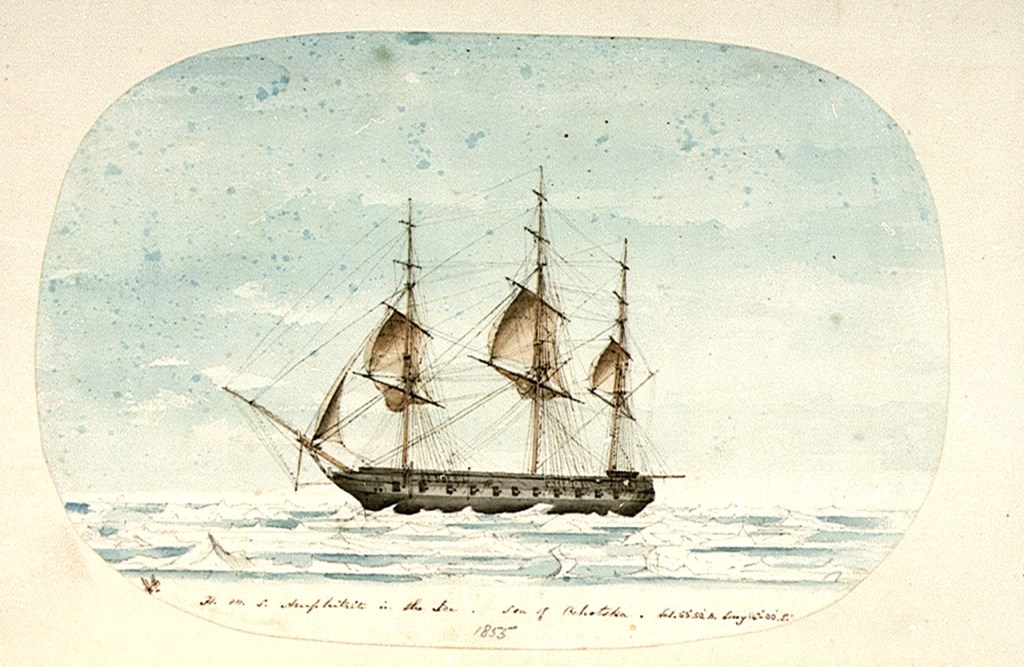
Amphitrite was built in Mumbai of teak, a durable hardwood that proved as resilient as the traditional English oak. She was launched in 1816. While serving as a unit of the Pacific Squadron, under the command of Captain Charles Frederick, she was used on supply missions in 1852 and again in 1853. From the illustrations used in this post, she appears to be the only ship of the three that had not been substantially rebuilt to the lighter specifications of a corvette by the 1850s. Amphitrite was eventually broken up in 1875.
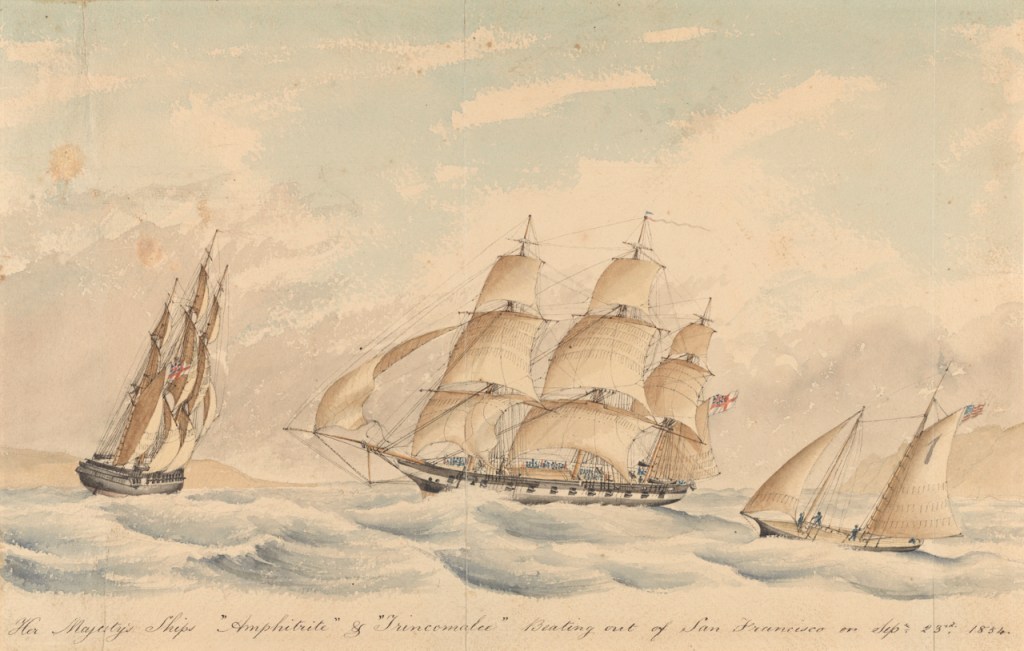
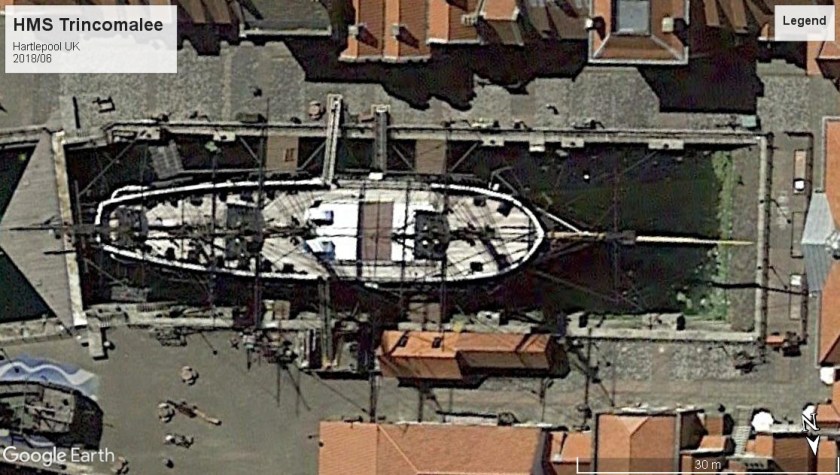
Trincomalee was also a teak-built frigate built in Mumbai. She was launched in 1817 and had to transit to England for completion. Soon after arrival, she was placed in reserve status and remained that way until 1845. The ship was under refit at the same time as Franklin’s ships, Erebus and Terror, and was modified with a new elliptical stern and down-rated as a corvette. Interestingly, this stern is actually a later style than the circular sterns of Daedalus and Unicorn, but fits aesthetically more with the traditional lineage of elaborate Georgian-era galleries. Trincomalee, a unit of the Pacific Squadron, was sent up to Alaska in 1854, under the command of Captain Wallace Houston, and met HMS Rattlesnake. Serving for more than a century as a tender, and a training ship, TS Foudroyant – the companion of the venerable Trafalgar prize Implacable – she was preserved as a museum ship during the 1990s.
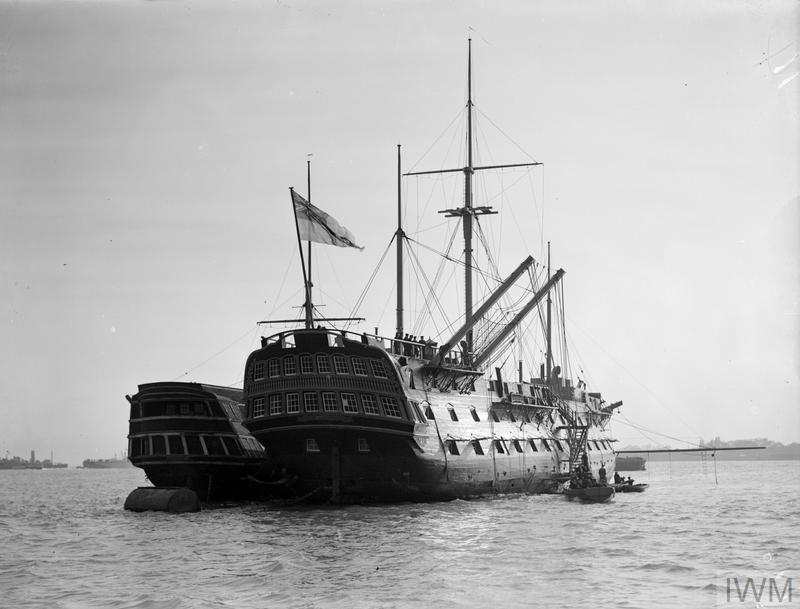
Today this lovely frigate, restored to her 19th Century appearance, exists as the last non-wrecked vessel that participated in any way in the Franklin searches.
- The author is again basing this off the list of participating ships found in W. Gillies Ross’s “The Type and Number of Expeditions in the Franklin Search 1847–1859,” ARCTIC Vol. 55, No. 1 (MARCH 2002) 57–69 https://pubs.aina.ucalgary.ca/arctic/Arctic55-1-57.pdf ↩︎
- The origins of the whole frigate category were from French vessels captured during the War of the Austrian Succession (1740-48). The same is arguably true of the move from inferior third rate line-of-battle ships to proper 74-gunners in the mid-18th Century. ↩︎


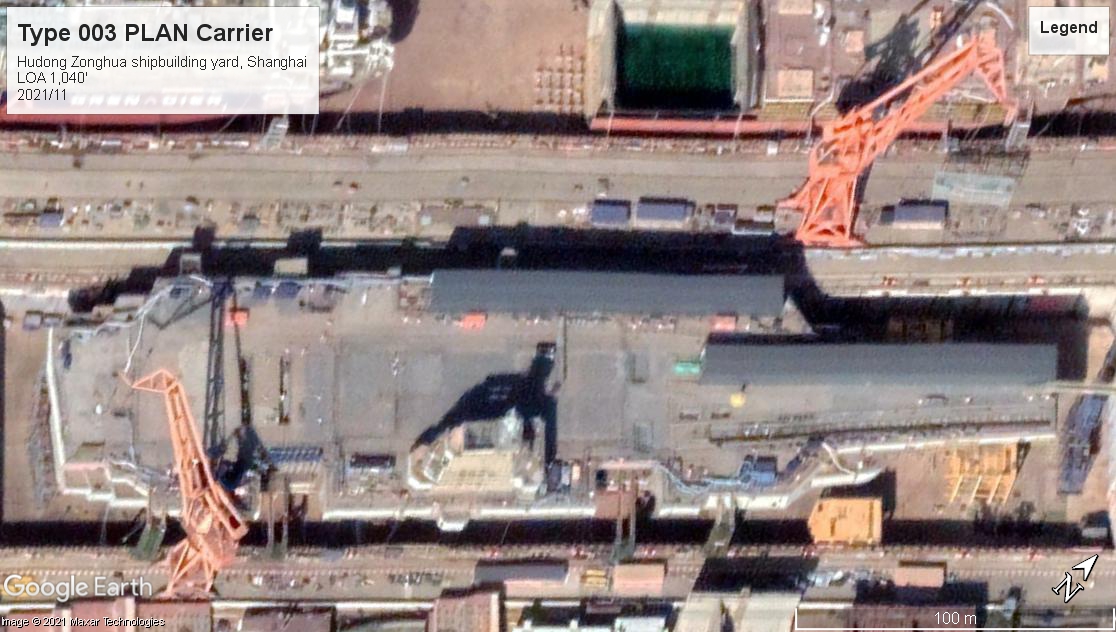

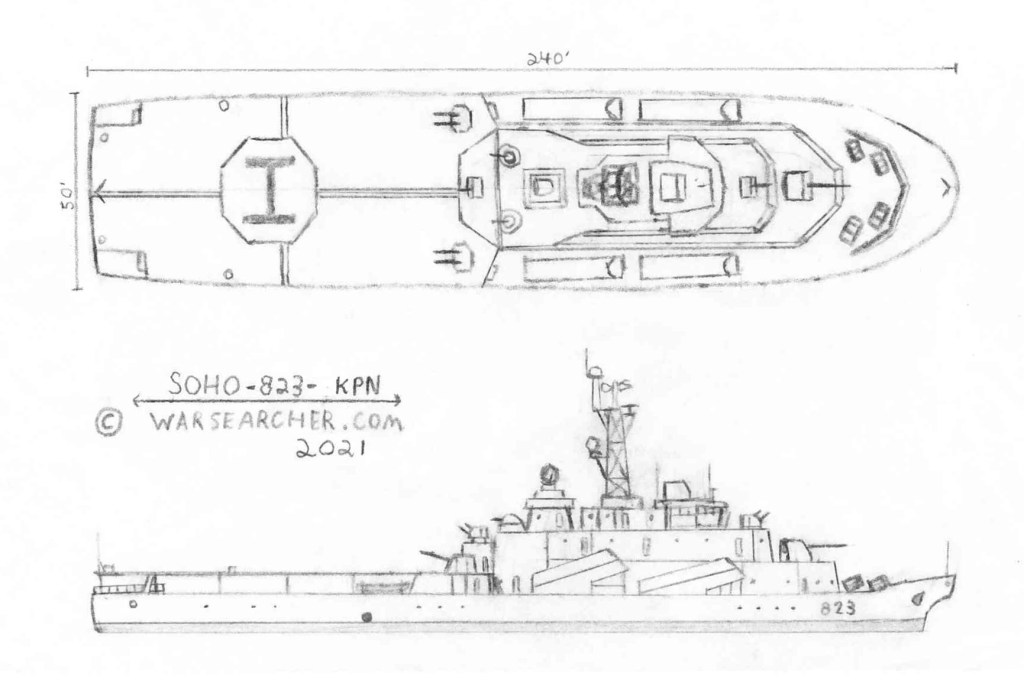


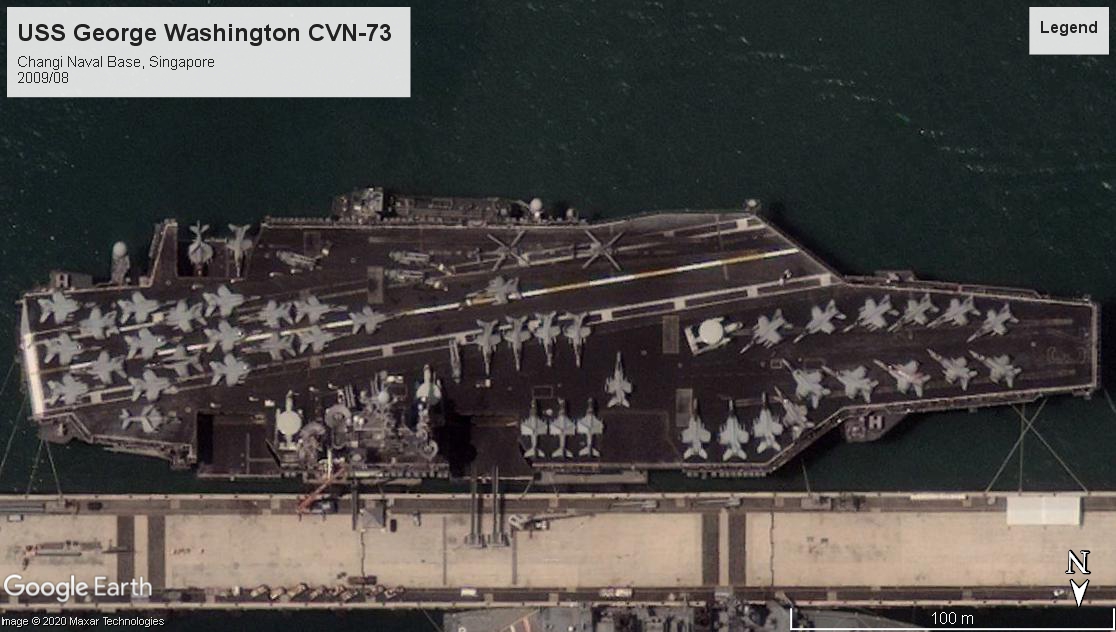
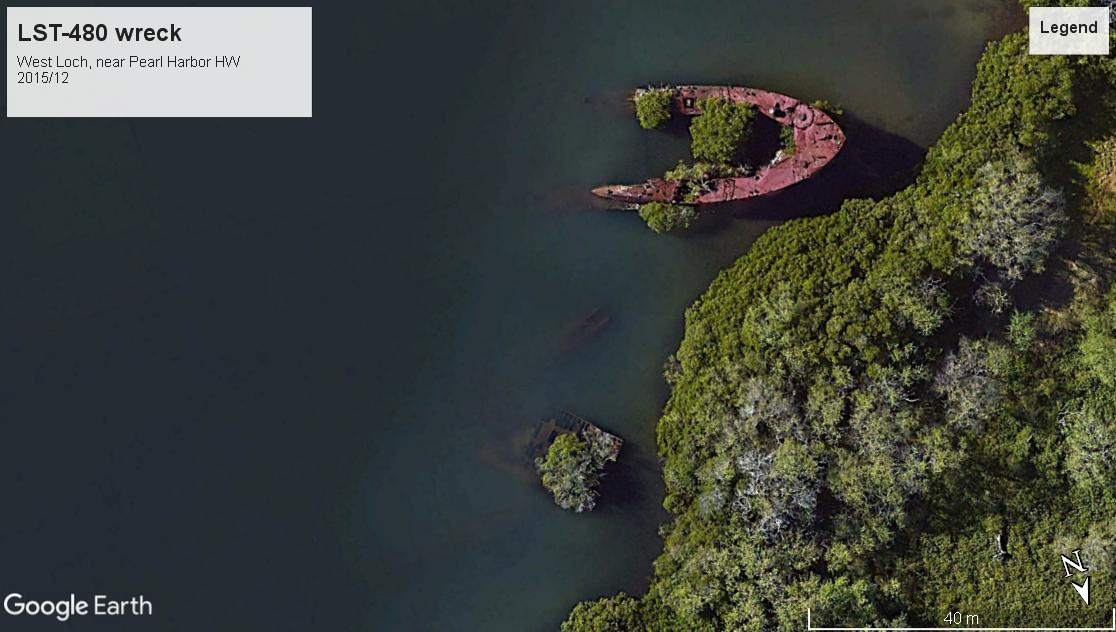
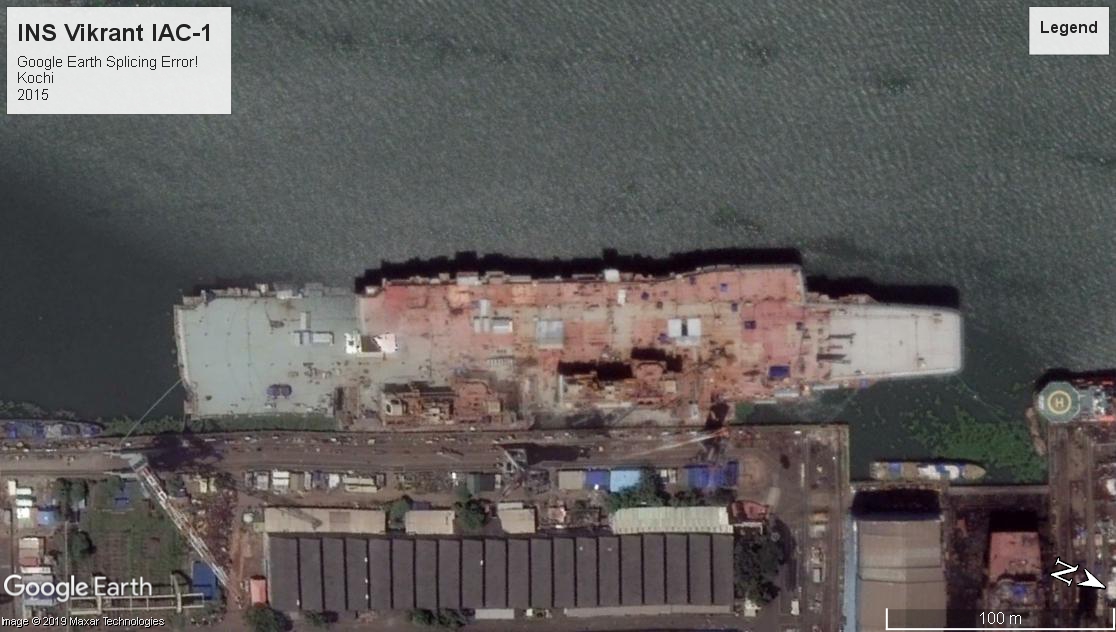
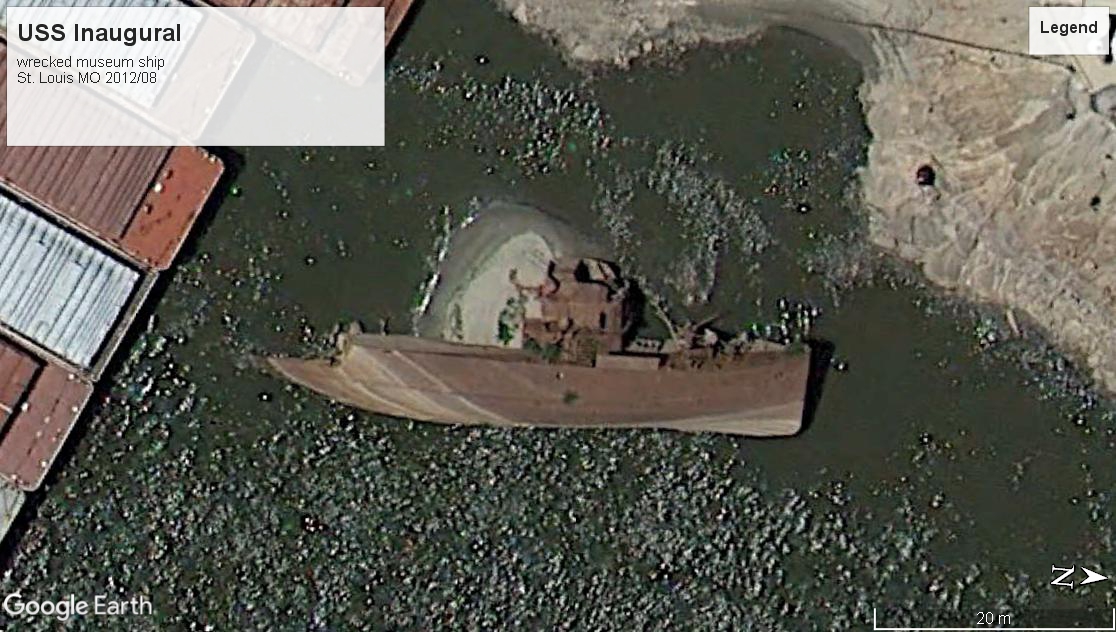
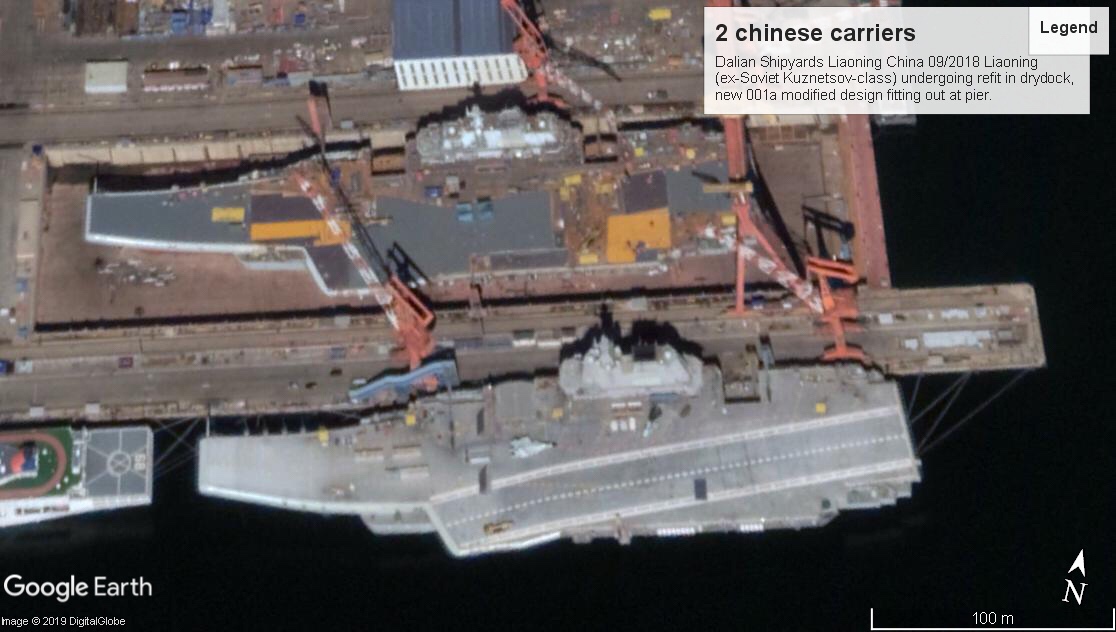
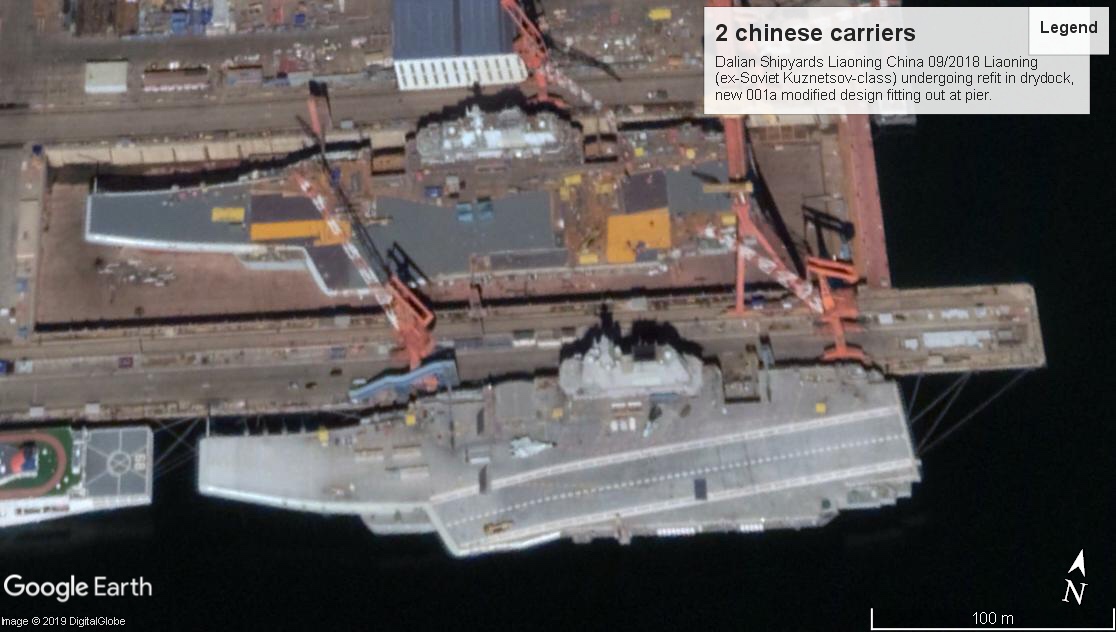 A powerful fleet is emerging from the mists of the South China Sea. Led by a pair of carriers, in line ahead, cruisers, destroyers, frigates, amphibious assault ships, landing ships and other units are being systematically identified and logged in the Shipsearcher Database by Ship Identification Directorate (SID) staff.
 The Searchers