William T. Mumford (1830 – 1908) was a young apprentice carpenter when he volunteered for service with HMS Resolute–captained by Henry Kellett–to scour the Arctic for Sir John Franklin and the missing crews of HMS Erebus and Terror (last seen by Europeans in 1845). Resolute was one of five vessels in a squadron commanded by Sir Edward Belcher. As Ship’s Carpenter, Mumford was rated a warrant officer. He kept a diary and other records of this 1852-1854 expedition. He also created a detailed visual record. He documented the Belcher ships, mostly during their long imprisonment in ice, their Beechey Island staging base, and important or perilous moments. Once Resolute was abandoned, he kept up with his diary and continued to illustrate his difficult journey back. Today, these interesting records are in the collection of Library and Archives Canada.
Mumford was an active participant to the important events of this phase of Arctic exploration. The two main search parties, Belcher in Assistance, Kellett in Resolute, respectively accompanied by their steam tenders, Pioneer and Intrepid, left their depot ship, North Star, at Beechey Island, to push further north and west. Once the ships were beset in ice, crews conducted further searches using sledges. Though they found virtually no new information out about the fate of the Franklin crews, they surveyed large swaths of the Arctic archipelago. A happy discovery was the location of the long-beset HMS Investigator at Mercy Bay. Kellett ordered Robert McClure, Investigator’s captain, to abandon his command and bring in his ailing crew. During June 1853 McClure sledged to Resolute. The next Spring, with his ships still firmly seized in ice, Belcher made the difficult decision to abandon all primary expedition vessels (still tightly frozen in), and retreat to Beechey to seek passage home. Kellett’s whole party, including the Investigators, were doing quite well after all this time, but Belcher ordered them to go.
HMS Resolute beset, with ship’s boats on the ice and her rudder swung out over the stern. The joys of consulting microfilm from a vintage reader! Credit: Library and Archives Canada, Acc. No. 1986-18
The Mumford collection was acquired by the National Archives of Canada in 1984 with the assistance of a grant from the Government of Canada under the Cultural Property Export and Import Act.1 In contrast to many of the official works and the officers’ records documenting the search efforts, Mumford’s archival fonds provides a different perspective: what a warrant officer with a keen eye for details witnessed of this great era in Arctic exploration. Mumford went on to have an important career with Lloyd’s of London, as a surveyor of ships from 1857-1889.2 He knew his ships, and so his depictions can be considered an accurate visual record. The diary was microfilmed soon after acquisition, and copies passed to Cambridge University and the National Maritime Museum. Interleaved with the text of some 150 pages were watercolours and drawings of ships and topographical scenes, maps, printed poster playbills for onboard theatrical entertainments, and some later correspondence (mostly a curated collection of press clippings that show Mumford to have kept up on developments in Canada’s distant North). After filming, the watercolours were removed and housed separately for long-term conservation. Of Mumford’s diary, we viewed the microfilm copy at LAC last October, and we failed spectacularly to decipher most entries! We hope the fine visual record, presented in chronological order with additional context, are of interest:
“Winter quarters at Melville Island, taken from the East” Feb. 1853. Even fitted for overwintering and bulwarked with snow, the contrast between the doughty search vessel Resolute, (right) and the rakish, fine lines of Intrepid, is notable. Credit: LAC 86-18-18“HMS North Star forced on shore by the ice at Beechey, near Cape Spencer”, This dramatic June 1853 view shows HMS North Star, the Belcher Expedition’s depot ship, located at Beechey Island, the site of the Franklin Expedition’s first wintering. Credit: LAC 1986-18-20“The Last Move” September 1853. HMS Intrepid, the steam tender, is leading Resolute with sail and steam up. Credit: LAC 1986-18-22“The Resolute and Intrepid in winter quarters, 1853-1854, taken from the ‘Long Walk’ looking East” Ca. Dec. 1853. This shows the two ships now wintering at their second encampment, located (in the moving pack) off Dealy Island. LAC 86-18-25“HMS Resolute abandoned May 15, 1854.” A depiction of the beginnings of the sledging trip of the combined crew of the Resolute and Investigator (Robert McClure’s ship, abandoned earlier at Mercy Bay) making a start towards Beechey Island, with Resolute and Intrepid still beset. Resolute was abandoned in good order with flags nailed to the mast trucks.3 Credit: LAC 1986-18-26HMS North Star, still at Beechey. Dated May 1854, this remarkable view shows Beechey’s imposing and bleak cliffs. Ashore, Northumberland House, the storehouse the Belcher crews built, and a large boat which is likely Sir John Ross’s rescue yacht Mary, are visible. [Detail of] LAC 1986-18-27“HMS Diving Bell, Phoenix” This dramatic watercolour appears to show Edward A. Inglefield’s command, HMS Phoenix, in a perilous situation. September 1854. At this time Inglefield was engaged in returning Robert McClure and the crew of Investigator to England. The distant vessel could be the accompanying HMS Talbot or North Star. Credit: LAC 1986-18-29
Mumford’s ship would eventually free itself from the ice, to drift on an incredible journey. Salvaged by American whalers in 1855, Resolute would be presented back to Great Britain in 1856. For a detailed summary see the online HMS Resolute project: https://www.hms-resolute.co.uk/the-nutshell/↩︎
I would like to share an artistic reconstruction of HMS Terror, one of the 1845 Sir John Franklin Expedition’s lost ships. This astonishing, barely-wrecked ship of wonders now rests in a bay named after her, in 80’/ 24m of water! I based my sketch, as much as possible, on archaeological information, reconstructions and site plans at the Parks Canada page “Underwater archaeology at the Franklin wrecks“:
My wreck site interpretation (right) and the model of Erebus at the Nattilik Heritage Centre, Gjoa Haven, Sep. 2019 (left), that inspired me. Credit: (left side) Kerry Raymond via wikimedia commons (right side) Alex Comber @ http://www.warsearcher.com
The above reconstruction is based on sources I discussed in “An Excellent State of Terror now Exists” and other Terror-related posts. It is a preliminary effort, based on a photograph of the model of Erebus at the Nattilik Heritage Centre, Gjoa Haven.1 After more than two years of research, and the construction of a model diorama interpreting the wreck environment, I felt it was time to put something down on paper. The sketch is an idealized representation of the 210-year old exploration vessel. Silt or marine sediment still hides many artifacts and prominent areas of the deck.
I have chosen to omit other marine growth, such as kelp strands, that mask the basic shapes of wreck structures. The overall effect is of a fantastically preserved wreck site. Terror is one tough little ship, a veteran of battles, storms, and ordeals in both Arctic and Antarctic exploration that would have smashed a weaker vessel to splinters. All those with an interest are eagerly awaiting more information about both Terror and Erebus sites.
We don’t yet know the exact details surrounding Terror’s sinking, but one ten-year old has formed her own ideas. Credit: Lucy at warsearcher.com
The model of Erebus on display at the Nattilik Heritage Centre is actually a closer representation of Terror in all details, and appears to have closely followed the 1836/45 National Maritime Museum plans that depict Terror. See our recent post on Erebus to explore the distinctive visual differences. The archaeological investigation by Parks Canada is far from complete. Very little information exists about the entire starboard side of the wreck, or the artifacts scattered on the seafloor in the immediate vicinity of the hull. ↩︎
“With a shipwreck…you are dealing with a single instant in which everything was pitched onto the seabed; and, because water can be a wonderful preservative, in the right circumstances, the wreck and almost everything within will still be there. A wreck can be a perfect time capsule.” (Mensun Bound The Ship Beneath the Ice p.280).
The Franklin expedition ships, HMS Erebus and Terror, setting out with fanfare in late May 1845 from Greenhithe. This was originally published for the 24 May 1845 edition of the Illustrated London News. (Via wikimedia commons)
In 1845, Her Majesty’s Ships Erebus and Terror sailed into the unknown. Sir John Franklin, commander of the expedition, was instructed to chart the last remaining sections of the Northwest Passage and return via the Pacific. The British Admiralty expected that this modern, lavishly-equipped official effort would survey the remaining portions of a sea route along the top of the North American landmass. Hopes ran high that this expedition would be a crowning achievement to decades of British exploration of the Arctic.
Reconstruction of Franklin’s route from 1845-1848 Locations are: 1. (off map, right) Disko Bay, Greenland, site of departure from towing and supply ships 2. Beechey Island, site of the 1845-46 wintering and artifacts; 3. NW of King William Island 1847 position of the Victory Point “All is Well” message and the 1848 addendum of “we are deserting the ships”; 4. Erebus found 2014;5. Terror found 2016. Base map: Kennonv, after CIA’s World Fact BookFranklin’s route: Own work, CC BY-SA 3.0 https://creativecommons.org/licenses/by-sa/3.0, via Wikimedia Commons
Instead, the 129 men disappeared. It would take a decade and a half for the outcome of the expedition to be reported, and decades more for the majority of the grim tale to be uncovered: No survivors, no repository of useful information collected, both ships utterly vanished, and presumed to have sunk. The witnesses, local Inuit who were recalling events from years before, provided oral testimony to parts of the tragedy. So many questions remained unanswered about how this great expedition met its end.
The wreck of HMS Terror, Captain Francis Crozier’s lost ship, was discovered seventeen decades later, in early September 2016, by the crew of the Arctic Research Foundation’s vessel, RV Martin Bergmann. The ARF had already participated in several Government of Canada searches, and had been involved in the discovery of HMS Erebus, Franklin’s flagship, two years earlier.
RV Martin Bergmann at Cambridge Bay, her longtime homeport. Image Courtesy of Gloria Song, who retains copyright.
While at Gjoa Haven, ARF members received a tip from local resident and Canadian Ranger Sammy Kogvik, and decided to divert from the searching area off the western coast of King William Island to enter Terror Bay. After an initial sonar search did not return any likely sonar targets, the Martin Bergmann turned to resume its journey. The course to exit the Bay took the research ship right over a well-defined sonar image of a wreck on the seabed, in about 80 feet (24m) of water.
Our representation of the Terror wrecksite with the Parks Canada dive barge over top, at 80′ scale depth. Credit:www.warsearcher.com for our updated wreck interpretation from 2024, please see: The Great Terror Wreck Repair[2024]
Parks Canada’s Underwater Archaeology Team confirmed the identity of the wreck a few weeks later. It was an astonishing find: A barely-wrecked ship, almost frozen in time! The hull stands proud of the seafloor, and the weather deck is in exceptional condition. Sections of the masts and the bowsprit are still standing! Unlike Erebus, Terror’s site appears to have little scattered debris. Everything related to the wreck seems to be adjacent to the hull, or has fallen off it in close proximity.
HMS Terror site sketch, 2017 copyright Parks Canada 2021 [modified by rotating]. Source.North is to the left, and the three-dimensional nature of the diorama introduces some positional discrepancies with the above schematic two-dimensional site plan. Credit:www.warsearcher.com
HMS Terror lies in a quiet resting spot, with few obvious signs of damage, and no immediately observable evidence of what brought her to this watery grave, in a bay later named -in a stunning coincidence-after her. She appears to have been abandoned in winter quarters, closed up with topgallant masts removed. The enormous rudder is unshipped from the stern and mounted on the port ice channels amidships. The ship is gently listing to starboard.1 The state of preservation appears outstanding – Almost everything required to operate a mid-19th Century sailing ship with auxiliary steam propulsion is still there. It is as if departing crew members left Terror in good working order as they abandoned ship.
The diorama depicts underwater archaeologists examining sections of the wreck. Credit: http://www.warsearcher.com
With the historic discovery of both Franklin vessels, a methodical exploration of the wrecks by Parks Canada underwater archaeologists, over many seasons, may yet answer important questions about the tragedy: why are the wrecks located further south than many expected; were they reoccupied; did the plan of the retreat, as described in the Victory Point note, evolve; what halted the ships further progress, and caused their final abandonment; when did this happen; how much longer did they remain afloat; is there anything onboard to help point to terrestrial archaeological sites; do the remaining supplies or preserved records help explain what maladies the crews were suffering from, and how these were impacting command decisions; were local Inuit community members able to salvage much from either of the wrecks; are there remains of either of Franklin’s crews still entombed in their ships?2 For now, Terror is keeping her secrets close below decks.
We built a model in 2022 to help us interpret the history of the wreck. We used every scrap of information, including the wreck plan on Parks Canada’s website, the Arctic Research Foundation 2016 video, the Parks Canada 2017 exploration of the wreck video. Matthew Betts’ blog site, Building the Terror where he built a large, extensively researched model of the ship, was also an important resource. He followed this with the publication HMS Terror: The Design, Fitting and Voyages of a Polar Discovery Ship, which came out just as we finished the model. Until more information is released by Parks, this is an essential source for interpreting Terror. Parks Canada Underwater Archaeology staff generously shared information about the archaeological program and assisted us in gathering further information about the ship. Their expertise, professionalism, and concern for the wrecks they conduct archaeological investigations of is remarkable.
This interpretation of the site won’t be the last or the most accurate wreck diorama. So far as we know, it is the first. Credit: http://www.warsearcher.com
The 2017 Parks tour of the wreck video shows, when the ROV reaches the aft cabin, the degree of list to starboard. ↩︎
We don’t yet know if or when crew reoccupied Terror. If she was reoccupied and brought to her present location, we also don’t know if she sank unexpectedly or was abandoned in orderly fashion as the crew marched westwards along the King William Island coast, to cross to the mainland. ↩︎
Raise the Terror? Raise the Terror’s Boat! Why? Read on!
Since the incredible discovery of HMS Terror in September, 2016, there has been keen interest in the archaeology taking place at the wreck. Terror was Sir John Franklin’s second ship from the ill-fated 1845 search for the Northwest Passage, and was discovered almost exactly two years after the lead ship, HMS Erebus. The 2023 archaeological season has concluded, but announcements of new discoveries by Parks Canada archaeologists remain weeks or months away. We are years from a full archaeological assessment of Terror, though a tantalizing vision has formed of an astonishingly well-preserved site, 80-feet under the waters of Terror Bay, King William Island, Nunavut. An international community of “Franklinites” – those interested in all things Franklin Expedition- continues to speculate: What was discovered this year; what new information helps explore the last days of the Expedition; are there connections to known or as yet undiscovered terrestrial archaeological sites? Is either ship an actual tomb to some of its crew?
The ship’s boat immediately to port at the stern of the Terror wreck, as represented in our 1/125 scale wreck diorama. Credit: http://www.warsearcher.com
Over the years, there have been posts on the very active “Remembering the Franklin Expedition” Facebook group, proposing to “RAISE THE TERROR” from her current location. Other members, just as passionately, dismiss the idea as premature, ruinously expensive, and potentially destructive to an artifact group members care very much about. In this post we’d like to focus on what we think would be a less contentious project. We remind readers that we are not archaeologists or marine salvage experts.
What we are proposing is to recover one artifact: RAISE TERROR’S BOAT! It is located on the seabed off the port quarter of the wreck, under a pair of davits. It can be readily seen on the site plan that was prepared by Parks’ archaeology staff in 2017 and released on their website two years later. Like the ship, this boat-wreck appears to be in very good condition after almost 175 years of frigid immersion.
HMS Terror site plan, ca. 2017, modified to emphasize the location of the ship’s boat. Credit: Parks Canada source.
The boat appears to be a standard 23-foot ship’s cutter, about 7-feet at its broadest part. It is clinker-built (overlapping boards) and has recessed slots for rowing with eight or so oars. It has several thwarts for crew and passengers, and could also be fitted with two small masts to sail it. Some upper sections of the gunwales appear to be damaged or rotted through, and it is unclear to us if it still has some type of fabric cover or is instead almost completely filled with sediment. A fallen section of davit or post rests at the squared-off stern, overhanging the transom. The rudder is not installed.1
HMS Fury, carrying a similar cutter in the same position, as depicted before the second William E. Parry Expedition searching for a NW passage. Fury was very similar to both Franklin ships, and had been wrecked in the Arctic at Somerset Island, two decades before. Detail of His Majesty’s Discovery ships, Fury and Hecla by Arthur Parsey (Artist & Engraver) Charles Joseph Hullmandel (Printer) in 1823 PAH9224.
Raising this small vessel should not compromise other areas of the wreck. The operation would not upset precious artifacts or records inside Terror, as they await systematic archaeological study. Based on the Parks Canada tour of HMS Terror film, the boat is not deeply embedded in the hard, gravel-like seabed. Compared to the complex overall sites of either Terror or Erebus, a thorough survey of the boat and its immediate surroundings should not be a multi-year operation. The full survey would ensure that no artifact, no matter how small, was overlooked.
An underwater archaeologist examines the boat near the HMS Terror wreck diorama. Credit: http://www.warsearcher.com
Once recovered and conserved, the artifact could serve a variety of purposes, helping to interpret the history of the Expedition, and its grim denouement. This cutter is a tangible link to its companion boats–the sledge-bound boats that crew members dragged along the coasts until they could go no further. It could also help explore less tragic polar exploration voyages and other searches for a Northwest Passage.2
A comparative example is the display of the famous James Caird, a 22.5-foot reinforced ship’s boat from Sir Ernest Shackleton’s expedition ship, Endurance. After the Endurance was crushed by ice in the Weddell Sea, in November 1915, the boats allowed the crew to escape to Elephant Island. Shackleton and two companions pushed on in the James Caird to South Georgia, where they were able to organize a rescue party to return to for the whole crew. The boat is now on display at Dulwich College, South London. Credit: Rumping, Public domain, via Wikimedia Commons
Raising the Terror’s boat is only half of the ambitious plan, though! The cutter is a character-defining element of the overall Terror site. If it is raised to the surface for conservation and display, it would create an absence at the wreck site. Why not replace it with a replica that also memorializes the lost crews? A traditional boatworks in Great Britain, the Canadian Maritimes, or New England could be contracted to create a faithful copy of the craft, to be deposited (or sunk) in situ in the same exact position. It would gradually silt up and decay alongside the wreck, becoming more integrated into the environment and benthic marine ecosystem as the years pass. This new boat could also serve as a kind of benchmark or “canary in the coal mine” for identifying more rapid changes to the site, which may be less evident on the original structures. In the (hopefully distant) future, when the Terror decays, the boat could remain as one of the last wooden elements at the Terror wrecksite. Beechey Island has memorials and the replica wooden gravestones currently marking the earthly remains of three Franklin expedition crewmembers. It seems fitting that HMS Terror could have a replica boat to mark her resting spot. There are also precedents for this. Replica objects deposited at famous wrecks mark removals, and can restore an aesthetic appearance to the site.3 A suitable plaque affixed to the replica boat could help memorialize the lost crews–an underwater cenotaph to the lost men of the Franklin Expedition in an incredibly powerful location. RAISE THE TERROR’S BOAT INDEED!
So, have we persuaded you? Let us know by leaving a comment or sharing!
This description is drawn from the Parks Canada Terror dive tour video linked to above, Matthew Betts’ work HMS Terror: the Design, Fitting, and Voyages of the Polar Discovery Ship, archaeological field reports about Terror prepared by Parks Canada’s Underwater Archaeology Team, and comparative examples of other Royal Navy cutters. ↩︎
A 23-foot boat could also help interpret more positive events, such as when HMS Fury‘s abandoned boats were instrumental in saving Sir John Ross’s entire expedition crew, after the abandonment of their own ship Victory. Elsewhere, it is also the same basic size as the HMAV Bounty’s launch. ↩︎
One example is a proposal to sink a sculpture of a 55-foot long Sea King Maritime Patrol Helicopter on the deck of the artificial reef, the former Canadian HMCS Annapolis, to reincorporate a representation of the destroyer’s helicopter detachment to the site. ↩︎
HMS Terror, Sir John Franklin’s second exploration vessel, was discovered in Sept. 2016. Captain Francis Crozier’s sturdy little ship had vanished seventeen decades earlier. HMS Erebus, the flagship of the lost 1845 expedition, was located in 2014, about 70km south. Franklin’s mission was to have taken them into uncharted waters, to finish surveying a Northwest Passage across the top of North America. Where they went, none could follow.
So many questions about Terror and her lost crew remain unanswered. Archaeology on the incredibly well-preserved wreck is still in the early stages. The yearly dive season is all too short – late August to mid-September on a good year. Underwater Archaeologists are up there right now (2023/09).1 See our earlier post for possible Terror-related archaeological priorities. Here are some questions we have about this fascinating shipwreck:
A. When, why, and how did Terror actually sink? How did Terror get from the point of original Apr. 1848 abandonment by Crozier and the crew, Northwest of King William Island, to a resting spot under the waters of Terror Bay?
B. What documents or artifacts are in the great cabin desk? What other objects are along the shelves there? What is in Capt. Crozier’s bedchambers (behind the only blocked door on the lower deck)?
C. Is Terror’s screw propeller deployed in its trunk, or raised up? Since we know the massive rudder is unfitted and mounted on the ship’s port side channels, this info could help understand Terror’s last movements near Terror Bay, King William Island.
D. What did the stern gallery (windows at stern of ship) really look like and was there any transom decoration?
E. What else is on the seabed, besides the 23-foot ship’s cutter (boat) off the port quarter. The original Arctic Research Foundation 2016 wreck discovery film showed a variety of weird and interesting objects on the seabed.
F. How high do the remains of the masts project above the weather deck? We know the foremast is entirely missing (most likely on the seabed under the bowsprit – see link to last post’s multibeam sonar video clip)
G. Since the wreck and debris are highly localized, are there any significant timbers or structures missing, that suggest damage or removal by the crew?
H. What condition are the lowest decks in? How much provisions and fuel remain aboard?
I. Are there any human remains on the ship? (either the wreck is a tomb to members of its crew, or it is a powerful site of remembrance of those departed explorers)
It’s seventeen long decades since these ships of fame Brought my Lord Franklin across the main, To Baffin Bay where the whale fish blow The fate of Franklin no man may know. (Adapted Lady Franklin’s lament trad.)
Early indications suggest the balance of September 2023 archaeology has again prioritized Erebus. ↩︎
“Who knows what lies behind that closed door!” (R. Harris, Parks Canada, 5 Sept. 2019) As this year’s underwater archaeological season commences on the Sir John Franklin 1845 Expedition shipwrecks, HMS Erebus and Terror, we highlight what we believe to be an important description of the incredible condition of the shipwreck of Terror, discovered September, 2016.
Model diorama we constructed during 2022 which was inspired by the sources of information discussed below.
The most detailed public statement regarding the condition and archaeological plan for HMS Terror that we are aware of remains Ryan Harris’s 5 September 2019 comments to visitors onboard Parks Canada’s Research Vessel, David Thompson.1 It is an authoritative and concise description of Terror, from an experienced underwater archaeologist who has significant dive time on both Franklin wrecks. (There is more context about the vessels mentioned in this post from our 2022 update)
Ryan Harris (left), Parks Canada project lead, alongside Prime Minister Stephen Harper (center) and Minister of the Environment Leona Aglukkaq, announcing the discovery of HMS Erebus 9 Sep. 2014 [cropped]. Credit: Jason Ransom Library and Archives Canada R16093-50252-9-E.
Harris was recorded by Adventure Canada crew members or passengers during the first (and thus far only) visit of members of the general public to the Wrecks of HMS Erebus and HMS Terror National Historic Site. This was included in a remarkable video with other clips featuring Marc-André Bernier, veteran underwater archaeologist, and other Underwater Archaeology Team (UAT) members. Site sketches and multi-beam sonar of both wreck sites made jaw-dropping cameo appearances.
A sonar image of the HMS Terror wreck, ca. 2017, which was similar to one of the images in the film. credit: Parks Canada, Crown Copyright source.
The film was uploaded to the company’s YouTube account and was also featured in Bunny Laden’s blog post “A Visit to the Wrecks of the HMS Erebus and HMS Terror National Historic Site of Canada” released on Adventure Canada’s site eleven months later. The lucky participants from the Northwest Passage cruise onboard MS Ocean Endeavour had been able to board the dive support barge, Qiniqtiryuaq, which was anchored near the wreck of Erebus. They also explored David Thompson. Harris spoke candidly about Terror, and also the plans for the 2020 archaeology season. After the heady days of 2019, events (The Covid-19 Pandemic and an increasing concern about Erebus’s fragility) caused the postponement of these best-laid plans. Rumours have circulated that this year’s archaeological season, which appears to have started, may involve asignificant return of the archaeologists to Terror.
1927 Gould Admiralty Map, which listed Franklin-related discoveries and conjecture about the ships up to that time [modified with several updated locations, including the approximate wreck locations and geographic features]. Credit: Library and Archives Canada May Fluhmann fonds MG31-C3 vol.1
Harris’s statement is important, so we transcribed it to the best of our ability, and encourage readers to visit the hyperlinks to see what he was referencing:
This is another multibeam image that we collected just a few days ago in Terror Bay. This is the other ship, HMS Terror, and you can probably readily see that this is in really really good condition, even better than the Erebus. It’s essentially completely intact. So it has all kinds of structures sticking up, including davits, these suspended the various boats, and raised and lowered them over the side. We still see masts standing to a certain height, sheared off about 10 feet in the case of the mainmast, above the deck. And along the centerline are various openings in the upper deck, including the forward companionway down to the focs’l. (BREAK)
And those openings, even though they are sometimes skylights with all the panes of glass still intact, we’re able to insert that Remotely Operated Vehicle you may have seen on the dining room table here, into, on several different occasions, and we’ve explored 90% of the lower deck just a few days ago. If you have seen the Youtube video [link], a lot of that footage – some of the good stuff!
The only cabin or compartment we couldn’t access was Captain Crozier’s bedchamber. So tantalizing – behind the only closed door on the ship that we haven’t seen – so who knows what lies behind that closed door! But you peer down the corridor with the ROV and you can see the list of the ship, because the ROV rights itself naturally…and through the darkness you see the lights penetrating, and then a succession of cabin doors, all sliding doors all open, and we went in one after the other…probably twenty different times -every single cabin except for that one – open. And you could see an incredible array of artifacts all in situ, chamber pots below the beds, washbasins on the shelves, muskets attached to the wall ready for action, ceramics, the plates for the different mess groups, showing different ceramic patterns mess group by mess group…little cradles that are in the sick bay, which are the sick beds…just a wondrous array of artifacts that are going to be documented in the years to come.
So the plan for next year is to basically take that barge, anchor it over the Terror, and do the same thing but with the surface-supply diving equipment, the hats and umbilicals and we’ll go inside and we’ll go cabin by cabin and learn what we can.
Ryan Harris, Parks Canada, Adventure Canada 5 Sep. 2019 interview (loaded on Youtube).
A 2017 plan of HMS Terror wreck site released by Parks Canada and uploaded to their site in late 2021. Credit: Parks Canada, Crown Copyright source.
We hope that that plan comes to fruition in the next few weeks and that this is a productive season for exploring the always astonishing, barely-wrecked ship of wonder, HMS Terror!
Another essential description of the wreck is the epilogue “The Discovery Vessel Herself Discovered” that concludes Matthew Betts’ recent book, HMS Terror; the Design Fitting and Voyages of a Polar Discovery Ship (Pen & Sword 2022). The authors of the foreword, Ryan Harris and Jonathan Moore, UAT Manager, note that Betts provides a summary of Parks Canada’s findings up to publication. ↩︎
One of the remarkable monuments at Beechey Island, connected with the searches for the Sir John Franklin 1845 expedition, is the “Franklin Cenotaph.” It may be the oldest cenotaph – an incredibly early example of a memorial that commemorates sailors individually by name – in Canada. This distinctive monument is located inland of the ruins of Northumberland House and the fallen mast of Sir John Ross’s yacht Mary. Beechey Island is an isolated, barren place, just off the southwest coast of Devon Island, in the High Arctic, in present-day Nunavut. It had been the site of the Franklin Expedition’s first winter encampment, when HM ships Erebus and Terror had sought shelter here in 1845 and been frozen-in. In 1846, before the ice released the ships, three members of the Expedition were buried just up the beach. The area later became prominent as a staging base/supply depot in the expeditions sent to try and ascertain the fate of Franklin and his crews. Today, this incredibly remote 170-year old cenotaph serves as a lasting memorial to the human cost of these efforts.
The monument, ca. 1978. Credit: NWT Archives/Stuart M. Hodgson fonds/N-2017-008: 0918
A brief description of the monument could be: A column now white but sometimes black, in the form of an octagonal piece of ships’ machinery, affixed with plaques, with a larger one predominating, surmounted by a large finial (ball), the column is preceded by a marble slab on an angled concrete base, with the whole raised on a small platform of cemented limestone. The Belcher column, Bellot’s monument AND Lady Franklin’s memorial plaque have a unique history, like many other relics, ruins, graves, and wrecks at Beechey. This composite monument, often simplified to “the Franklin Cenotaph,” was begun in June 1854 by the crew of HMS North Star, under the command of W.J.S. Pullen. Its original intent was to honour sailors who had perished in the great efforts to locate the crews of Franklin’s vanished ships. North Star was serving as a depot and stores vessel for the larger Royal Navy search effort, Sir Edward Belcher, commanding.
Map of the 1845-46 Franklin Expedition sites, and a record of their discovery[annotated with approximate locations of some sites mentioned in this post, including the cenotaph, located just behind the square Northumberland House] The British Library, “Papers and Despatches relating to the Arctic Searching Expeditions of 1850-51. Together with a few remarks as to the probable course pursued by Sir John Franklin, etc. [Compiled by James Mangles. With maps.(London: 1851)] No restrictions, via Wikimedia Commons
This new “Belcher column” adhered to the classical definition of a cenotaph: It memorialized the dead without being a burial site. By commemorating enlisted personnel – sailors and marines – it was also incredibly rare for its time.1 Small plaques on each face of the column identify 13 deceased members of HM ships Investigator, Resolute, Assistance, Intrepid, whose remains were buried elsewhere.2 These men are not all commemorated in the same manner; some entries are descriptive, some employ religious passages, some are brief.
The column was reportedly made out of the interior section (the spindle) of the capstan of the American whaling ship McLellan. McLellan had been lost two years previously, on 8 July 1852 on the way to Arctic whaling grounds, in Melville Sound, when it and a fleet of British whaling ships had been frozen in pack ice, alongside Belcher’s small Royal Navy squadron, then journeying up to begin the search. McLellan had run afoul of North Star. It was then crushed by fast moving ice. The vessel must have remained on the surface or pinned to the ice for some time, as much seems to have been salvaged. McLellan’s spars would also be a source of timbers used to construct Northumberland House, the large storehouse constructed soon after the ships got to Beechey.3
Dismantling the very old whaling ship Rousseau at New Bedford MA, ca. 1893. This shows many of the spars, masts, timbers, and other materials that would have been sourced from the similar ship McLellan, that were used in Beechey Island construction projects. note the crews are down to the level of the lower deck, and the vessel is still afloat with intact coppering! Credit: Joseph G. Tirrell 2012.008.0055, Digital Commonwealth (CC BY-NC-ND)
The second major component of the monument was added later that summer to memorialize Lt. Joseph-René Bellot. Bellot, an officer of the French Navy, had accompanied Captain Edward Augustus Inglefield, commanding HMS Phoenix, on the same 1853 journey to resupply Belcher’s ships that resulted in the loss of the Breadalbane supply ship nearby.
Portrait gravé sur acier de l’explorateur français Joseph-René Bellot (1826-1853), en tête de son ouvrage Journal d’un voyage aux mers polaires à la recherche de Sir John Franklin, introduction de Paul Boiteau, Paris, Perrotin, 1866.Credit: Wikinade, CC0, via Wikimedia Commons
Bellot was a seasoned Arctic explorer who had already been out as second in command on the 1851 William Kennedy expedition. He was respected and admired by his comrades. As Phoenix and Breadalbane were driven away from Beechey, in a gale, he had volunteered to brave the ice and elements to carry despatches north to Wellington Channel, to deliver them to Belcher. Bellot disappeared 18 August, when the ice suddenly opened around him. This loss was felt deeply by the searchers in the Arctic.
HMS Phoenix, with Breadalbane supply ship behind on 18 Aug. 1853, in the same perilous conditions that Bellot, transporting despatches, was lost in. Credit: Admiral Sir Edward Augustus Inglefield, Public domain, via Wikimedia Commons
In August 1854, when Inglefield returned to the Arctic on the next resupply effort, he brought up a plaque dedicated to the memory of Bellot to be added to the Belcher column. The plaque had been commissioned by an important friend, Sir John Barrow, (Second Secretary at the Admiralty and the second Barrow heavily involved in polar exploration) and was cast in a headstone-like shape.
The monument as it appeared soon after construction, with the Bellot plaque, whose text is legible here, mounted low on the front face. The Illustrated London News, 28 October 1854[detail of] Unidentified engraver, Public domain, via Wikimedia Commons
Francis Leopold McClintock’s search expedition of 1858 brought up the last major addition to the monument: A large marble slab commissioned by Lady Jane Franklin, Sir John Franklin’s widow. The marble was inscribed with text dedicating it “To the Memory of Franklin, Crozier, Fitzjames, and all their gallant brother officers and faithful companions…” This, aptly, concluded the memorialization program on the monument by incorporating the lost explorers into the monument to the lost searchers of those explorers. The marble was to have been brought north in 1855 by an American expedition looking for Dr. Kane, commanded by Lt. Henry J. Hartstene. That expedition turned back when they located Kane, so the plaque waited at Disko, Greenland, for three years. McClintock’s expedition routed it on up (with an additional small plaque added to reference this) and deposited the marble flat on the ground in front of the column.
One of the original oddities of the monument is the metal “Post Office” letterbox panel affixed to a rear surface. Despite the prevalence of seances in Victorian England, this was not intended as a correspondence box to the lost, to communicate with the spirit world. According to an October 1854 London Illustrated News article, which featured a sketch of the monument, this letterbox was actually functional, intended for future visitors to leave letters as a receipt of having visited the Island.
Lt. Allen Young’s 1876 photograph of the monument, looking towards the beach at Beechey, with Lady Franklin’s marble on the ground and the post office plaque on the lower rear face. Credit: Allen Young “Cruise of the Pandora” (London, 1876) Page 43. Public domain via Library and Archives Canada 1984-109 NPC
In 1876, Allen Young, in HMS Pandora, revisited Beechey’s lonely shores. He had last been there while serving as Navigator on Fox, McClintock’s ship. He took a valuable photographic record of the site that was incorporated into his published journal.4 At this time the monument was painted black. Young described opening the letterbox on the monument to retrieve a single document. Pen pals were in short supply at Beechey, and the only contents were a memo left by Belcher more than two decades before.
The cenotaph, like so many other relics, wrecks, and remains at Beechey, seems to have mostly escaped the ravages of time. A half-century after its installation, in August 1904, the Canadian ship DGS Neptune visited Beechey, as part of the Dominion Government Expedition, A.P. Low commanding. This visit saw expedition members raise the marble plaque for a photograph and then reorient it to face upwards (Low’s interesting description of Beechey and the cenotaph is in this 1906 report). At this time a flagpole may have been installed at the rear or very near the monument.
The Dominion Government expedition’s visit to the memorial, 15 August 1904. A.P. Low describes how they found a note from the previous year in a sealed case attached to the rear of the cenotaph, left by Roald Amundsen, whose ship Gjoa was unlocated at this time. The note was forwarded to the Norwegian government. Credit: Albert Peter Low / Library and Archives Canada / PA-053580
During the 1922-23 visit to the monument, on one of Captain J.E. Bernier’s yearly voyages/sovereignty patrols north in CGS Arctic, the marble appears to have been set into a more secure and aesthetically pleasing angled concrete base. The head of the marble now rested just under the Bellot plaque. Other than the removal of the flagpole, and the application of white paint, the memorial has remained substantially unaltered since then. It continues to stand tall in a lonely vigil at Beechey, down through the decades. Today, the Franklin Cenotaph is a powerful site of memory connected with the search for the Northwest Passage, and an important tribute to the men who died far from home looking for lost comrades.
Capt. Bernier, CGS Arctic, with other crew at the Franklin Cenotaph, 1923. Credit: Library and Archives Canada R216, Vol. 14946, p54.
Northwest Territories Commissioner Stuart Hodgson (at left – the creator of the Franklin Probe, a maritime historian and a Canadian naval veteran) and others help replace the Cenotaph plaques with replicas during a July 1978 visit.
This cenotaph may even be unique on Canada. We have never heard of one that commemorates not just senior officers but the regular sailors and marines of military ships, erected before the 20th century. A hundred years earlier, the terrible loss of more than a thousand officers and enlisted men, when HMS Victory (1737-1744) sank in the English Channel, had resulted in the kind of traditional commemoration to the leader, Admiral Sir John Balchen, at Westminster Abbey. The oldest naval monument now located in Canada is Montreal’s Lord Horatio Nelson column (constructed 1809).↩︎
Thomas Morgan of HMS Investigator, who died 1854-05-22 onboard North Star, is buried nearby with the three original Franklin crewmembers. Aside from Morgan and Bellot (who is commemorated twice on this monument), the other members of search crews memorialized on the column (with their ships and dates of death) are: William Cutbush HMS Assistance 1853-02-27; Isaac Barnett HMS Assistance 1854-01-28; George Harris HMS Assistance 1854-01-09, John Ames, HMS Investigator 1853-04-11; John Boyle HMS Investigator 1853-04-05; H.H. Sainsbury HMS Investigator 1853-11-14; Thomas Mobley HMS Resolute 1852-10-19; George Drover HMS Intrepid 1852-12-12; John Coombs HMS Intrepid 1853-05-12; Thomas Hood HMS Intrepid 1854-01-02; John Kerr HMS Investigator 1853-04-13; James Wilkie HMS Intrepid 1854-02-2. These names can be verified at Maritime Memorials at RMG.↩︎
Brian D. Powell Polar Record 42 Issue 4 provides a detailed summary of the construction of this and other monuments at Beechey, and there is still more work to do on the commemorative intent of the various monuments. Other evidence for the source of the Belcher column, the whaling ship McLellan, is found in Barr and Stein’s January 2017 article “Frederick J. Krabbé, last man to see HMS Investigator afloat, May 1854” Journal of the Hakluyt Society. We have usually encountered spindles with ten or more sides as part of naval capstans.↩︎
Young had been sent in HMS Pandora to aid the 1875-76 British Arctic Expedition, which encountered many difficulties. Young’s ship, a reinforced gunboat, would be acquired as USS Jeanette for the Grealy expedition, which ended in more shipwreck and tragedy. His account The Two Voyages of the Pandora ; 1875-76 has a chapter (pp. 43-46) about Beechey with a brief description of the letter box, Northumberland House, the Mary yacht left by Sir John Ross, and other boats on the site: https://archive.org/embed/cu31924091208565↩︎
One-hundred-and-seventy years ago today, a ship was dying, incredibly far North. Early on 21 August, 1853, ice suddenly penetrated the Breadalbane’s cargo holds, where vital supplies had been stored a few days previously. The crew scrambled away to safety. The ship sank like a stone in 330’ of water. All these years later, what remains of this relic of the great searches to find the lost Sir John Franklin Expedition? What if today we had the technology to “Drain the Barrow Strait” (to borrow a National Geographic-inspired dramatic device) and check up on Breadalbane? Well, on this important day, we are doing just that – in reduced scale!
“A ship above and a ship below”–The wreck diorama accompanied by a contemporary view. E.A. Inglefield’s illustration of HMS Phoenix towing the ship, Credit Library and Archives Canada mikan 2837866 AND http://www.warsearcher.com
This third post will show our construction of an archaeologically-inspired scale diorama of the Breadalbane wreck site–part of the Beechey Island National Historic Site of Canada. The first post summarized the loss of this supply ship in the High Arctic in Aug. 1853, while provisioning search expeditions looking for the Franklin Expedition. The second post described the original 1980s discovery and exploration of the wreck. A fourth post continues to explore the wreck based on Parks Canada’s 2014 visit.
330” scale feet–or 28 inches–under snow and ice, lies the Breadalbane model, represented at her 1980 moment of discovery. Credit: http://www.warsearcher.com
Following on from our work on an HMS Terror diorama during 2022, we had the idea to build Breadalbane after seeing the state of preservation and the incredible marine life populating this remote spot, south of Beechey Island, Nunavut. Photos and video from the original 1983 expedition and the 2014 check-up (the 1984 National Film Board documentary and the contemporary Canadian Broadcasting Corporation 2014 coverage and clips) show a riot of colour in the dark, freezing waters off Beechey.
In addition to the binnacle cabinet and ship’s wheel, a site of importance to the 1980s explorations, the transom has been represented with three closed scuttles, which both C.A. Inglefield’s and another contemporary illustration of the sinking show. Credit:www.warsearcher.comDraft marks are present climbing up the stern post, with the fallen rudder and lower mizzen mast underneath. The stern post is perched a few feet off the hard bottom. Credit: http://www.warsearcher.com.The main cargo hatch, mainmast, pumps, companionway leading down to the aft portion of the lower deck, the ship’s capstan, and the open forward face of the deckhouse. The model also has detailed interior areas of both the lower deck and main hold, which may be explored in a future post. Credit: http://www.warsearcher.com
The Breadalbane was a casualty of Beechey Island’s local conditions, like the three Franklin crewmembers (and one HMS Investigator member) buried nearby, so we gave the diorama a nameplate inspired by the original 1840s-1850s appearance of the Beechey gravestones: Black board with white lettering.
The model’s bows, showing the placement of the port Bower anchor, and the damaged bowsprit and head rails. The beginnings of the copper cladding are damaged at where the stem meets the keel. Credit: http://www.warsearcher.com
The diorama was originally conceived of as an engaging way of interpreting the information gathered about the wreck by Dr. Joe MacInnis’s 1980s team and by Parks Canada’s visits to the wreck site 2012-2014. We owe both teams a debt of gratitude for supplying us information, and would like to reiterate the acknowledgements from the first post. We are not done with Beechey, or rather Beechey is not nearly done with us. Spare this sunken, beautiful barque a thought today, and stay tuned!
-September 2025 update: This diorama placed First in the category of Maritime Dioramas at the Scale Plastic Model Contest in Ottawa, Canada.
The starboard side, showing the deckhouse, and the enormous hole in the ship’s bilges. At the very left corner of the diorama, we chose to represent Breadalbane’s female figurehead, resting on the seafloor. This feature appears to have been sheared off during the sinking, and has not been found. Credit:www.warsearcher.com
This second post will focus on the 1980s discovery and explorations of the incredibly intact wreck of Breadalbane off Beechey Island, Nunavut. The first post summarized the loss of this supply ship in the High Arctic in Aug. 1853, while resupplying search expeditions looking for the Franklin Expedition. The third post shows our construction of an archaeologically-based scale diorama of this National Historic Site of Canada.A fourth post explores the wreck based on Parks Canada’s 2014 visit.
The Breadalbane wreck diorama, built in 2023, represents the wreck at a scale depth of 330’ as it appeared before its 1980 discovery. This will be the subject of a future post. Credit:www.warsearcher.com
On August 17th, 1984, Anthropologist Owen Beattie, looking for evidence of what went so terribly wrong with the 1845 Franklin Expedition, exhumed the body of John Torrington, a stoker from HMS Terror who had been buried almost fourteen decades before at Beechey Island, in the Canadian Arctic. Torrington had been one of the first to perish, on New Year’s Day, 1846. He was buried at the site of the first winter encampment of HM Ships Erebus and Terror. When photos were released of his body, newly exhumed from a frozen coffin, the public was shocked, fascinated, and a little horrified. This early-Victorian sailor appeared to have barely decayed!
John Torrington’s grave marker. This is a replica placed here in 1993 when the original marker was moved to the Prince of Wales Northern Heritage Centre. Credit: Gordon Leggett via wikimedia commons [cropped and edited]
The state of preservation should not have been so surprising: remains and relics of Arctic exploration located at Beechey just don’t seem to deteriorate as we would expect! A few years earlier the wreck of the supply ship Breadalbane had been discovered nearby. Like Torrington and the shipmates buried alongside him, Breadalbane was also “Frozen in Time.”1
Map of the Arctic portion of North America, with the state of surveying just before the Franklin Expedition set off. [cropped and annotated with rough location of Breadalbane sinking] HM Admiralty; J. & C. Walker, Public domain, Royal Museums Greenwich via Wikimedia Commons
In most other bodies of water on Earth, a 130-year old wooden shipwreck would be a pile of debris and ballast stones, with scattered cannon, decayed timbers and remnants of cargo, copper and rusted metal left to hint at its past size and shape. The naval shipworm (toredo navalis – a pernicious little species of clam) devastates wood, devouring wooden hulls, masts, and deck structures within a dozen or so years. In the High Arctic, as in the waters around Antarctica, and a few inland lakes and seas, the shipworm has no dominion, and wrecks remain as silent sentinels of past eras of trade, warfare, or exploration.
As the lost ships and vanished 129-man crew of the Franklin Expedition lived on in the popular memory, the related story of the ship that sank at Beechey in 1853 was completely forgotten. During the 1970s, Dr. Joe MacInnis, a Canadian who was pioneering new undersea medicine and diving technologies, began looking into Arctic shipwrecks, with the idea of a search that could also be a test bed for new undersea equipment. Using archival sources from the Scott Polar Research Institute, the National Maritime Museum in Greenwich, and elsewhere, he eventually seized on the idea of a search for the Breadalbane. He had high hopes of locating the wreck based on the reasonably accurate statement about where the ship was lost south of Beechey Island. He led a multidisciplinary team, supported by Canadian Coast Guard icebreakers, starting in 1979. Weather and ice conditions limited the search to a few short weeks and the team was forced to wait to return to the waters off Beechey until August 1980. That year, they discovered a wreck in about 330’ of water, two kilometres south of the Island’s imposing cliffs.
Annotated Sentinel Playground image of the conditions around Beechey Island 165 years after the sinking, showing dangerous ice pans and floes south of Beechey. These conditions in mid-August both caused the original 1853 loss of Breadalbane, and made any summer search or exploration efforts on the wreck difficult.
While noting enormous iceberg scour trails snaking their way across the seafloor of the Barrow Strait, a clear image of a wreck came across the sonar print-out. The images were interpreted by expert sonar technician Garry Kozak on the bridge of the Canadian icebreaker CCGS Sir John A. McDonald. Surprisingly, the scans clearly showed two masts pointing towards the surface. They had located a large sailing ship! A sonar image, though, does not constitute a confirmed shipwreck identification. For that, the team needed “eyes on the prize.” That came soon after, as the team were able to descend a camera on a line to the wreck, which filmed some portion of the ship’s gunwales or deck.
CCGS Pierre Radisson (at right) refuels HMCS Moncton during the Sep. 2015 Operation QIMMIQ in Nunavut, related to the search for HMS Terror. Pierre Radisson was involved, early in her career, in the Breadalbane exploration. Credit: Department of National Defence (Corporal Felicia Ogunniya) SW2015-0226-1306
After delays and an unfavourable season, the team returned in September 1982 with a Benthos Remote Piloted Vehicle (RPV). This advanced robotic vehicle had been developed by Chris Nicholson, who was present to skillfully pilot it (Nicholson would be involved in many other robotic explorations, including on RMS Titanic and the US warships Hamilton and Scourge in Lake Ontario). The RPV captured a rich visual record that helped survey the wreck’s condition-it was shockingly intact! During April 1983 they were back over Breadalbane with more funding and an incredibly audacious plan that MacInnis had put together: To establish a camp on the ice over the wreck using flown-in supplies; to continue to survey the Breadalbane with RPVs; and to tractor in equipment to enable the team to perform crewed-dives to inspect the wreck and surroundings. The frigid depths the wreck lay at were beyond the limit of safe scuba diving or surface-supplied diving. The team had been planning for this. They would operate the WASP suit, a newly developed atmospheric diving suit that was safe to operate beyond Breadalbane’s depth. It was basically a heavy diving-suit-like one-person submersible, with claw-like hands emerging from articulated arms, a dome to look through, and a single lower section.2 The WASP pilots propelled themselves by marine thrusters.
The cover of the July 1983 edition of National Geographic showed the recovery of a WASP-suited pilot who had been exploring the wreck. The National Geographic photographer most involved in shooting some incredible imagery was Emory Kristof, longtime underwater photographer.
This might all seem standard procedure in the third decade of the 21st Century. Similar dives have now been performed on other Franklin Expedition-associated sites, and an ice camp was also an option in the recent find of Sir Ernest Shackleton’s exploration ship Endurance under the Weddell Sea, Antarctica; however, in 1983 this was pushing the limits of technology. Looking back at the concurrent RPV filming and diving, and the as-it-happens filming of a National Film Board documentary, directed by Bill Mason, the logistical and technological efforts in an environment of -20*C, and the “cowboy” atmosphere at the ice camp…the whole effort was bonkers!3 Somehow, the program stayed on track, and things came together just when they had to. The dives were an incredible success. WASP pilots Phil Nuytten (a Canadian engineer heavily involved in the design of the suits) and Doug Osborne have been the only humans to ever visit the site. Nuytten was quoted as saying ”It looked like you could sail it away, if you could somehow make the water vanish, you could probably repair it in a couple of weeks and sail it back to England. It looked great.”4
As Dr. MacInnis relates in his book on the topic, The Search for the Breadalbane, news of the 1980 Breadalbane discovery was eclipsed by false reports of the discovery of RMS Titanic, which would not actually be located until five years later (iconic bow section view). Courtesy of NOAA/Institute for Exploration/University of Rhode Island (NOAA/IFE/URI)., Public domain, via Wikimedia Commons
Compared to the barrenness of Beechey’s landscapes, Breadalbane was found to be host to thriving communities of marine life. Anemones and bright white basket stars blended with vibrant pink, orange and red coral growths on the upper hull and topsides. Everywhere there was silt, heaps of growth, and decades of deposited phytoplankton and algae, which floated down on the wreck like green snow. Below this abundance, her lower hull was found to be clad in a minty-green cloak of beautifully-preserved copper sheathing.
Copper roof sheets originally removed from the roof of the Canadian Parliament Buildings in Ottawa, now a wall in the lobby of the Canadian War Museum. These approximate the sizes and shades of verdigris on the Breadalbane’s hull. (Author’s photo)
A brief summary of the archaeological discoveries and major features of the wreck would highlight the exceptionally large and early example of a deckhouse. It survived mostly intact on the ship’s quarterdeck, and was packed with artifacts such as tables, chairs, and a ship’s stove. Elsewhere, deck furniture included the large windlass forward and the capstan aft. Open hatches provided glimpses of the chaotic damage on the lower deck. The ship’s wheel and a binnacle cabinet were located with navigating instruments, on the small after deck.
Site plan of Breadalbane as discovered in the early 1980s, drawn in 2023 relying on 1980s and 2012-2014 ROV and dive footage, sonar scans, artistic reconstructions, and other sources. Credit: http://www.warsearcher.com, who retain copyright
The lower hull was marked by a massive extent of ice damage, particularly running along the starboard bilge. This marred otherwise pristine copper sheathing. A well-preserved bower anchor of the stockless variety was discovered on the seafloor, on the Portside of the stem, with a heavy hawser still leading up to a hawsehole. The rudder was located on the seabed just aft of the sternpost, while the fallen mizzen mast stretched from it off to port. White draft marking climbed up the sternpost (these would have originally helped load, ballast, or trim the ship, filling it to a safe, even, waterline level). Debris and spars stretched along the port side on the seabed, with a railing, originally on the deckhouse roof, running like an angled ladder from the seabed to the ship’s sides. The bowsprit was shattered, the figurehead could not be discerned through the growth, and the ship’s bell (a focal point of any shipwreck) was not found.
A 1987 issued Canada Post 36 cent stamp commemorating the Breadalbane find, which shows the wheel with colourful marine growth. Credit: Credit: Library and Archives Canada; Copyright: Canada Post Corporation
During the 1983 RPV and WASP operations, a small number of artifacts, and notably the ship’s wheel, were brought to the surface. Parks Canada underwater archaeologist Robert Grenier did not support the recovery of items from the site – a process that requires additional permits and permissions. Once the objects were at the surface, he worked diligently to safeguard the preservation of these wooden artifacts and prepare them for transportation.
After the recovery, the team worked quickly to wrap up the season, tearing down the ice camp. The fabulously expensive equipment was shipped south. Joe gave interviews and presentations and wrote his book, The Search for the Breadalbane, Bill Mason produced the NFB documentary Land that Devours Ships, the National Geographic photo crew moved to other assignments, Chris Nicholson continued to design and operate improved robotic systems, and Garry Kozak was involved in new sonar searches for other famous shipwrecks. Robert Grenier returned south to continue the massive archaeological excavations at Red Bay, Labrador. When the last plane lifted off the ice-strip in the shadows of Beechey Island’s imposing cliffs, Breadalbane was again left as a time capsule waiting under the ice.
John Geiger and Owen Beattie’s 1987 book Frozen in Time: The Fate of the Franklin Expedition laid out a hypothesis that lead poisoning had contributed to the destruction of the Franklin Expedition, which had originated out of the 1984 exhumation of Torrington, and John Hartnell and William Braine the next year. The grave of sailor Thomas Morgan, of HMS Investigator, located beside the three Franklin graves, has not be excavated. The author, as a young boy, first saw the Torrington image in Owen Beattie and John Geiger’s 1991 young readers book Buried in Ice: The Mystery of a Lost Arctic Expedition, and has been trying for thirty-two years now to unsee it. ↩︎
Readers may recall a different type of atmospheric diving suit, the JIM suit, making an appearance in the 1981 James Bond film For Your Eyes Only.↩︎
The NFB film “Land that Devours Ships” (1983) is an incredible visual record of these expeditions to the Breadalbane, that can be fully viewed on the NFB website. The author would like to acknowledge the continued assistance of Jonathan Moore, Parks Canada, whose expertise has substantially complemented the visual record of the 198os expeditions. ↩︎
“Divers find old ship intact in the Arctic,” New York Times 27 May 1983 A12. ↩︎
Arctic Album #7 (trip of SS Beothic 1926-1927) Credit : Department of Indian and Northern Affairs Canada / Library and Archives Canada, Accession 1974-366 R 216 Vol. 14948.
One of the remarkable relics at Beechey Island, connected with the searches for the Sir John Franklin 1845 expedition, is a large mast which has collapsed along the beach, pointing out to Erebus and Terror Bay. This stood for years in front of the ruins of Northumberland House and a motley collection of memorials. Beechey Island is an isolated, barren place, just off the southwest coast of Devon Island, in the High Arctic, in present-day Nunavut. It had been the site of the Franklin Expedition’s first winter encampment, when HM ships Erebus and Terror had sought shelter here in 1845 and been frozen-in. In 1846, before the Bay released the ships, three members of the Expedition were buried just up the beach. The island and surroundings later became prominent as a staging base/supply depot in the expeditions sent to try and ascertain the fate of Franklin and his crews. More searchers would die at and around Beechey, and the Breadalbane supply ship would be wrecked nearby in 1853. Today, burials, monuments, ruins and shipwrecks remain.
Beechey’s Erebus Harbour as it appeared in 1903. The Belcher Column and Bellot monument is at left (Painted black here but later white, with Lady Franklin’s white marble plaque on the ground), with the ruins of Northumberland House and an erect mast standing nearest Erebus and Terror Bay. Credit: Albert Peter Low collection at the Canadian Museum of History, CC BY-SA 4.0 https://creativecommons.org/licenses/by-sa/4.0, via Wikimedia Commons
The mast is a significant artifact with an important story.1 It is reputed to be the last large remnant of the Mary, Sir John Ross’s yacht. This trim little 12-ton cutter-rigged craft had been brought North by Ross, and accompanied his much larger yacht, the brig Felix. It had been built for the trip out, and both it and 70-foot, 100-ton Felix (sometimes referred to as a brig, sometimes a schooner) were reinforced for polar service with strong hulls and iron or zinc hull sheathing. Felix was Ross’s search ship, but Mary was intended for a different purpose.
In August 1850, Sir Horatio Austin’s crews of HMS Resolute and Assistance (accompanied by HM Steamships Pioneer and Intrepid) and Captain William Penny’s ships Lady Franklin and Sophia made exciting discoveries at and around Beechey Island.2 These first traces of the lost expedition invigorated search efforts.
The heavies form up! “Captain Austin’s Arctic Expedition; HMS Resolute and squadron.” Illustrated London News 11 May 1850. Credit: Edwin Weedon, Public domain, via Wikimedia Commons
Ross arrived days later in Felix, honouring a promise he had made to come to the aid of Franklin. He was 72 years old, and his sense of duty and concern for his friend brought him out of retirement. When the Admiralty declined his offer to lead an expedition, the Hudson’s Bay Company funded the expedition. His plan, should the lost expedition not be located or turn up, was to leave Mary behind.
Map of the 1845-46 Franklin Expedition sites, and a record of their discovery[annotated with approximate locations of some sites mentioned in this post] The British Library, “Papers and Despatches relating to the Arctic Searching Expeditions of 1850-51. Together with a few remarks as to the probable course pursued by Sir John Franklin, etc. [Compiled by James Mangles. With maps.(London: 1851)] No restrictions, via Wikimedia Commons
Ross knew better than anyone the value of a cache of food and stores and a serviceable boat. On his 1829 expedition, accompanied by his nephew James Clark Ross, his ship Victory had been trapped in ice. Three years later they were forced to abandon their refuge. They retreated to Fury Beach, where they had to spend yet another long, dark winter frozen-in. But Fury Beach was their salvation: Parry’s 1825 expedition had left a cache of supplies and three boats from their wrecked ship, HMS Fury. The boats and supplies allowed an expedition, which had been widely assumed to have ended in death and disaster, to escape to Prince Regent Inlet and rescue. Ross hoped that some similar depot and boat could help Franklin Expedition survivors, or anyone else trapped in the area.
Edward F. Finden’s engraving (John Tallis & Co) of John Ross’s crew, sailing in some of HMS Fury’s old boats, encountering the whaling ship Isabella, his old ship, in 1833 after four years. Ross hoped that Mary would be involved in a similar mission. PAD6090 Courtesy of the National Maritime Museum.
With larger Admiralty-supported expeditions scouring the Arctic, it was time for Ross to return home. Mary was initially left west of Beechey at Cape Spencer, packed with a good store of provisions. The boat was moved soon after to Erebus Harbour when the Edward Belcher expedition incorporated it into new construction. The crew of HMS North Star, the depot ship supplying the Belcher search ships, dragged Mary up the beach and deposited her under Beechey’s soaring cliffs. The yacht was intended as a companion to Northumberland House, which was packed with useful supplies and provisions. Stranded crews that came to Beechey, once they had sheltered and replenished their stocks, could strike off in the yacht in the very short navigation season that those high latitudes allow. Mary and Northumberland House functioned together as their own extraordinarily remote lifesaving establishment. Robert McClure informed the crew of his long-trapped ship, HMS Investigator, that one group would travel to Cape Spencer to board Mary.3 As every one of the Belcher search ships would later need to be abandoned, with their crews completing harrowing marches to safety, the idea had merit.
In 1876, Allen Young, on his second Arctic expedition in the retired gunboat Pandora, found Mary to be in very good shape, still tight and dry and with mast up and sails stowed onboard, in a mostly dry cabin.4 Northumberland House, by comparison, had been damaged and ransacked (reportedly by bears). Young had been one of the last to see this same spot from the Fox, as the navigator on the Capt. Francis Leopold McClintock’s 1858 expedition. With the Pandora’s departure, Mary was again left to her lonely fate.
Mary as the yacht appeared in 1876, still substantially intact. The placement appears to have been up the beach from most of the sites, closer to Cape Riley. Credit: Allen Young “Cruise of the Pandora” (London, 1876) Page 41. Public domain via Library and Archives Canada 1984-109 NPC
Occasional visits by notable Arctic explorers continued into the 20th Century. Mary sustained more damage and deterioration and at some point the mast was taken from near the hull and erected in front of Northumberland House, near a large whale boat.5 The hull assumed a prominent list, and the decking deteriorated. Visitors also speeded deterioration by taking a few choice souvenirs. The derelict vessel was photographed in 1923 and 1927, during annual trips to the Arctic by Canadian government ships.
Inspector C.E. Wilcox and Mrs. Craig standing in the remains of the yacht Mary, 1923. Credit: John Davidson Craig / Canada. Dept. of Indian and Northern Affairs / Library and Archives Canada / PA-186867 Arctic Album #5, trip of CGS Arctic 1923 R 216 Vol. 14946.
During the 1970s and 80s, the mast leaned at an increasingly rakish angle, until it fell to the ground sometime before 1992. Like everything else at Beechey, the mast is undergoing a very gradual deterioration. We conclude our brief account of a yacht that was intended to serve as a rescue vessel with an important takeaway: If you plan to be shipwrecked in the high latitudes of the Canadian Arctic somewhere around Beechey Island, you can no longer depend on Mary to yacht away from it!
Season Osborne’s detailed history of Mary “What Happened to the Mary? A Historic Site ravaged through time” (Above and Beyond – Canada’s Arctic Journal 2015/2 pp. 23-27) helped sort out many contradictions. It is available at https://issuu.com/arctic_journal/docs/above_n_beyond_marchapril_2015/↩︎
This is a simplified account of discoveries, for a more fulsome treatment of the moment of the first discoveries at Cape Riley (by Capt. Ommanney of HMS Assistance) and Capt. Penny’s team, including R.A. Goodsir, finding the graves at Beechey, please see Alison Freebairn’s finger-post blog and Logan Zachary’s Illuminator blog on the topic. ↩︎
George F. McDougall “The Eventful Voyage of H.M. discovery ship “Resolute”…(London: Longman et. al. 1857) P216. McClure ended up encountering the HMS Resolute party sent to look for him under Lt. Pim and evacuating everyone to Resolute). Available at Babel.hathitrust. ↩︎
The above source refers to the mast as having been moved sometime around the Second World War, but the 1903 photo seems to show a similar mast in front of Northumberland House, which is more substantial than the flag pole that had been on the site during the 1870s. ↩︎
This section is drawn from Lt. Allen Young’s Cruise of the Pandora; from the private journal kept by Allen Young commander of the expedition (1876; republished by Cambridge University Press 2012). The illustrations are from a copy of the original at Library and Archives Canada. ↩︎
One-hundred-and-seventy years ago, the Breadalbane supply ship was proceeding North to a rendezvous in Greenland. This merchant ship had been built on the Clyde River, Scotland, in 1843. Ten years later, the crew succeeded in an important mission, but Breadalbane would not return from her Arctic service. Her shipwreck was located 130 years later by Dr. Joseph B. MacInnis and his colleagues. Currently, she is the most northerly identified Canadian Arctic wreck, and one of the most northerly in the World.1 She remains one of the most intact ships from the great era of polar exploration. Breadalbane’s wreck is a vibrant oasis of marine life in a brutally harsh environment.
Of all our attempts to locate imagery and plans of Breadalbane, we have settled on this National Maritime Museum model of an 1830s merchant ship as best representing Breadalbane as she appeared before Admiralty modifications for Arctic service. Even the paint scheme appears similar to that found on the wreck. Credit: Royal Museums Greenwich SLR0726
Breadalbane was built by the firm of Hedderwick and Rankin in 1842-1843 near Glasgow, and was typical of hundreds of other merchant ships. She was roughly 125 feet from bow to stern (according to the Lloyd’s of London survey report for 1843, she was 117.8 feet, which could be a stem-to-sternpost dimension), and displaced about 430 tons, her moulded breadth was about 24 ‘, suggesting her overall width was greater. She was sturdily built, of a bewildering variety of woods, from all over the British Empire and beyond: African and American Oak, Quebec Rock Elm, Red and Yellow pine. Well-squared English and Welsh oak predominated. Unlike the later clipper ships, she was designed for economical transportation of goods, not speedy passages. Her bows were bluff, her proportions were generous (to incorporate capacious cargo holds) and her lines were simple. She was rigged as a barque–that is to say square sails on the fore and mainmast and a simpler fore-and-aft rigged mizzen mast near the stern. Compared to a fully-rigged ship, this simplified rig had only a small impact on the ship’s performance before the wind, while requiring less crew members.
The Charles W. Morgan whaling ship, a museum ship at Mystic CT, barque-rigged and the most similar surviving vessel to Breadalbane. She was built two years earlier, and is slightly smaller, with the specialized features of a whaler-tryworks stoves for melting down blubber and davits for more whale-catching boats. Credit: Ken Mist, CC BY 2.0 https://creativecommons.org/licenses/by/2.0, via Wikimedia Commons
Breadalbane’s career thus far had involved routine voyages to transport goods to and from British India. She had been meticulously maintained. Upon an 1848 return from one such voyage, she had to be set right after a minor accident in Calcutta. She was repaired with teak sections and classed again at the highest level of Lloyd’s of London assessment, A1 for ten years, with the surveyor writing ” The barque is in good condition and eligible for the safe conveyance of dry and perishable cargos to and from all parts of the World.”2
Taken up for Admiralty service in March 1853 and given a refit and modifications for Arctic service (which we will describe in a future post), Breadalbane departed from the Thames Estuary 19 May 1853, fully loaded with provisions for the search expeditions, commanded by Captain Edward Belcher, which were then scouring the Arctic for traces of the Franklin Expedition and HM Ships Erebus and Terror. It was eight years to the day since Franklin’s ships had started off on their own fateful passage. Breadalbane arrived off Disko Island, Greenland, 8 July. After meeting up with her powerful consort, HMS Phoenix, a steamship, she proceeded along the western coast of Greenland and on up the Davis Strait. Breadalbane was not updated with steam engines and screw propellers like Erebus and Terror had been in 1845. Instead, she was towed through adverse winds and dangerous ice by Phoenix.
Breadalbane under tow off Disko, Greenland. This is the only representation we have ever seen that shows both the figurehead and the deckhouse at the base of the mizzen. Detail of E.A. Inglefield’s view of HMS Phoenix towing the ship, with HMS Diligence store ship aft. Credit Library and Archives Canada mikan 2837866.
Phoenix’s Captain, Edward A. Inglefield, commanded the resupply effort. He also kept a visual record, in the form of well-executed sketches of the major events of the 1853 passage. Despite worsening ice conditions, the ships continued to make progress with Phoenix in the lead, employing her steam power and reinforced bows in the novel role of icebreaking, cutting a path for Breadalbane while simultaneously towing her.
Inglefield took a photographic record of a later resupply mission, in mid-1854, which saw HMS Phoenix (right) again leading a storeship, HMS Diligence, to resupply the Belcher expedition (1852-1854) looking for Franklin. They were photographed at Godhavn, (Qeqertarsuaq) Disko Island, Greenland. Diligence was a similar barque to Breadalbane, but of earlier vintage. It appears that Diligence had been upgraded with partially reinforced ice channels under the fore, main and mizzen chains. Credit: Captain Edward Augustus Inglefield, Public domain, via Wikimedia Commons.
The ships arrived near Beechey Island off the southwest coast of Devon Island, 8 August. Beechey already had a special significance, as the spot where the Franklin crews had spent their first winter of 1845-46, onboard their frozen-in ships. It was now being used as a staging base for the Belcher expedition ships, with HMS North Star depot ship victualling the widely-dispersed search ships. For the isolated Royal Navy crews confined to Beechey for many months, Breadalbane and Phoenix’s arrival was a joyous time. News of home, new faces, and new supplies boosted spirits. Breadalbane’s goods were sustaining the largest of the Franklin searches.
Beechey is an island of lost explorers, graves, monuments, shipwrecks, and house wrecks made from shipwrecks. These are the ruins of Northumberland House, constructed in 1852-53 under the direction of HMS North Star‘s Captain, Cmdr. W.J.S. Pullen. It was provisioned with supplies in case Franklin’s crews or others returned. The mast of a whaling ship (still standing in the 1980s), whose timbers also wound up incorporated into the house, can just be seen on the beach, with a view out to Cape Riley, Devon Island, across Erebus and Terror Bay. Credit: Ansgar Walk, CC BY-SA 3.0 , via Wikimedia Commons
Navigating the ice-chocked waters off Beechey proved to be challenging, so the next day the ship manoeuvred across Erebus and Terror Bay and in close to the bluffs at Cape Riley on Devon Island. Crew members begun shifting coal ashore. Ice remained a hazard, but the transport worked back inshore to discharge more cargo on 16 August.
Breadalbane’s crew shifting supplies ashore at Cape Riley, Devon Island, in company with HMS Phoenix (at right). (Detail of) Illustrated London News 22 Oct. 1853. Credit: Frederick James Smyth, Public domain, via Wikimedia Commons
Unlike the events leading to final abandonment of Erebus and Terror, the details of Breadalbane’s loss, on 21 August 1853, are well-established. Descriptions by both Inglefield, and Breadalbane’s Second Master, William Fawckner, help chronicle the ship’s end. When most supplies had been unloaded, drifting ice began to descend on the area. The decision was taken to again evacuate the inshore area on the 20th. Sledging trips continued to remove more supplies to North Star. By midnight, Phoenix had worked her way to a position about a half-mile South of Beechey Island. Both ships were moored to a large flow. The ice crowded in, and the crew worked to save boats and to help Phoenix, which was thought to be in more imminent peril.
Edward Inglefield (1820-1894), HMS Breadalbane and HMS Phoenix caught in ice off Beechey Island, 1853. Breadalbane was a supply ship to an expedition that had the aim of recovering Sir John Franklin’s ill fated voyage in the Arctic. For sale in marine show in Oct. #history#navalpic.twitter.com/CDjzfSc6za
This remarkable work came up for auction a few years ago. It seems unlikely it was actually sketched by Inglefield, as it contrasts quite strikingly with his other depiction of the sinking. Here Breadalbane is shown heaved up on the ice, with HMS Phoenix nearby. This depiction has some unique features: A more ornate stern with three lights and false galleries (not depicted anywhere else), and lines which seem to indicate the bow sheathing.
The worst of the ice passed aft of Phoenix, smashed the boats, and brutalized Breadalbane, which would have been sitting high in the water, in ballast trim. The ice first pinched the ship, sending tremors throughout, before crashing straight through the lower hull. This opened an enormous gash along the starboard side at the same time as it ground a smaller rent in the port bows. Interior spaces, particularly around the ship’s bows, were devastated, with decks and partitions snapping like matchsticks.
The moment when Breadalbane was crushed by ice, 21 Aug. 1853, by EA Inglefield, who witnessed the events from his command, Phoenix, ahead of Breadalbane. Close visual inspection of the transom seems to indicate that there is indeed a third sealed scuttle or light across the stern, matching a detail of the auction house sketch. Evidence does suggest that Breadalbane had two enormous “2”s painted on each side, to mark her role as a supply ship. Nothing of these markings has been located on the wreck. Credit: Edward Augustus Inglefield, Library and Archives Canada [detail of] mikan 2837463
Inglefield arrived on scene and ordered Fawckner to assess the damage, as the ship settled lower by the bows. A cursory glance down the hatches into the main hold showed him that the ship was doomed. The 21-member crew worked to save a few possessions as the ice momentarily let up. Moments after all crew members had escaped over the ice, the ship plunged straight down with a rapidity that shocked all who witnessed the sorry end of Breadalbane.3 The process may have looked a bit like a sped-up version of Frank Hurley’s 1915 footage of Shackleton’s Endurance sinking in the Weddell Sea, Antarctica.
A World away, the most Southerly shipwreck, Sir Ernest Shackleton’s barquentine RRS Endurance, being gradually crushed by ice during the 1915 Imperial Trans-Antarctic Expedition. Endurance was located deep under the Weddell Sea in 2022. Credit: Frank Hurley via wikimedia commons.
The shipwrecked crew joined some of the crew of HMS Investigator (one of the search ships that had been beset and had been abandoned at Mercy Bay in April) and were soon on their way back to England on Phoenix. Breadalbane had served the Admiralty’s purpose. The ships of Britain’s far flung merchant marine were routinely lost in seas all over the World, and Breadalbane’s story seemed set to fade into obscurity, amidst the greater drama of the continued disappearance of the Franklin expedition, and the loss of many of the search ships.
A teaser for a future post. Here the model of Breadalbane’s wreck, which we will extensively interpret, is compared to satellite imagery of the Charles W. Morgan…BECAUSE WE CAN!
I would like to acknowledge the assistance and expertise of Jonathan Moore, Underwater Archaeology Team, Parks Canada, and Dr. Joe MacInnis, original team lead of the late 1970s and early 80s efforts to locate and explore Breadalbane.
Jonathan Dore (Facebook group Remembering the Franklin Expedition) and David Mearns (FB group Sir E.H. Shackleton Appreciation Society) have supplied information about the remains of Benjamin Leigh Smith’s exploration ship Eira, in Franz Joseph Land, 6 degrees of latitude higher North. Eira was lost 18 years to the day after Breadalbane, 21 Aug. 1881. Breadalbane was the World’s most northerly located wreck from her discovery by Dr. Joe MacInnis in 1980 until 2018, when substantial evidence was recovered from the Eira wrecksite. Eira’s archaeological assessment is ongoing. ↩︎
The Lloyd’s of London survey reports for Breadalbane from 1843,1844,1849,1853 are a valuable resource for describing her construction, repairs, and substantial modification in early 1853 for Northern service. ↩︎
A detailed description of the sinking is provided by Fawckner, extensively excerpted in Joe MacInnis’s 1983 book: The Search for the Breadalbane. Many of the details of Breadalbane’s journey are taken from this source. I would like to thank Fabiënne Tetteroo for providing me with a copy of the Illustrated London News of 22 Oct. 1853 that excerpted Fawckner’s report. ↩︎
Using Google Earth imagery to document warships, the one problem is, you can never go back. Before about the year 2000, there are very few captures. This means the warship types documented in our pages overwhelming represent ship classes in service from the late 1970s (leaving service in the early 2000s) up to today.
HMCS Mackenzie Sep. 1962 (cropped), a fine example of the St. Laurent class and their derivatives, up to twenty units which served from the mid-1950s to the 1990s, with none preserved. Credit: Department of National Defence CN-6516/ Library and Archives Canada
Wouldn’t it be nice if older aerial imagery of naval ports could be incorporated into our database? Well, for our home fleet, the Royal Canadian Navy (RCN), we were able to do just that. In the Fall of 2022, as the World blundered out of Pandemic closures, the Shipsearcher Identification Section (SIS) deployed to the offices of the National Air Photo Library, at Natural Resources Canada. We have been updating our list with these unique views. We look forward to continuing the research.
Where the aerial mapping magic happens: Ottawa’s Booth St. National Air Photo Library, a federalist pile roughly contemporary with the early Cold War fleet.
Wading through photo reconnaissance flight lines and a challenging database, we called up aerials from Esquimalt, BC, and Halifax, NS, from the 1960s and early 1970s. What we found was a target-rich environment of Cold War fleet units on Atlantic and Pacific coasts.
The RCN Pacific Command fleet at Esquimalt BC on a sunny 12 April 1965. This view was captured by an aircraft of 408 RCAF Squadron at roughly 2,500 feet. Here we see three modern destroyer escorts, three Prestonian class escorts, HMCS Grilse (submarine) and a variety of auxiliaries. Credit: National Air Photo Library VRR2634 photo 1047 NRCAN. Crown Copyright.
The RCN of the early postwar era continued to be oriented to Anti-Submarine Warfare (ASW). The aerial mapping flights caught views of St. Laurent class and follow-on Destroyer Escorts, including some of the newer upgrades with helicopter flight decks or ASROC anti-submarine mortars replacing a Limbo ASW launcher.
A 1966 view of one of the RCN’s sleek 1950s designed Destroyer Escorts, at Esquimalt, showing both Limbo Anti-submarine mortars in uncovered wells aft, a 3″/50 caliber turret forward, and a 3″/70 caliber turret in the bows.
Older Prestonian-class ocean escorts, based on wartime River class frigate hulls, were economical conversions. To complement these surface combatants, we also have a view of both former USN submarines HMCS Grilse, a Balao class diesel-electric attack boat and veteran of World War 2 that had served six war patrols in the Pacific War, and HMCS Rainbow, a similar Tench class. Before the acquisition of new Oberon class boats, these two old boats –Rainbow succeeding Grilse– kept the submarine service afloat. Other long-gone RCN units we added range from Cape Class fleet maintenance ships (having posted about the last of these), HMCS Provider replenishment ship, HMCS Labrador icebreaker, and the list goes on down to the little Bird Class patrol boats.
A remarkable view of Baddeck R-103 experimental hydrofoil at the Government Wharf, Dartmouth June 1964. National Air Photo Library NRCAN VRR2647 photo 779 Crown Copyright.
We encourage you to visit the pages to see these views of a vanished era in Canadian naval history. It all adds up to a more robust documentation of the post-Second World War Canadian Navy: 18 new views that help add 10 new classes of RCN ships. We hope to continue to expand our listings to include new sources of aerial or satellite imagery.
This little fellow may help bridge the gap in capability until we can procure our fleet of aerial maritime reconnaissance drones. [Edited] Bundesarchiv_Bild_183-R01996,_Brieftaube_mit_Fotokamera.jpg: o.Ang.derivative work: Hans Adler, CC BY-SA 3.0 DE , via Wikimedia Commons
B-871, a Kilo class submarine, has an interesting history. This continues our series of unusual Soviet/Russian submarines. Following on from many classes of Soviet attack boats, the Kilo design (NATO designation for these) was a leap forward in capability, with the first boat commissioned in 1980. Kilos had a very different overall hull shape from earlier diesel-electric boats, such as the Tango and Foxtrot classes. With the same armament of six 533mm torpedo tubes and naval mines, they were smaller and harder to detect than Tangos, and were clad in the same sound-absorbing anechoic rubber tiles. More than forty original Project 877 Paltus (the Russian designation) boats were built at five shipyards. Several units were exported to India, China, Iran, Romania, Poland, and Myanmar. Thirty more boats of the “Improved Kilo” or Project 636 Varshavyanka class have also joined the fleets of Russia, Algeria, China, and Vietnam, with more updated boats still under construction.
The Iranian Navy’s second Russian-built Kilo class attack submarine en route delivery, 1993. NARA: USN Official 330-CFD-DN-SC-94-00800
B-871, built at Gorky shipyard, transited the Volga and Don River/canal systems to its new homeport of Sevastopol, the headquarters of the Black Sea Fleet (BSF), to be commissioned Dec. 1990. It has spent most of its career in Sevastopol, and has now served three navies: The Navy of the Soviet Union, the Ukrainian Navy, and the Russian Navy.
Upon the dissolution of the USSR, in late December 1991, the crew in Sevastopol voted to join the newly-independent Ukraine, in a process we described in our post on the Ukrainian Navy: The Only Easy Day was Never. This new attack boat would have been one of the most able of a small force of mostly abysmal submarines handed over to Ukraine. It would have been a good running mate to the other functional boat, the older foxtrot class submarine Zaporizhzhia.
Zaporizhya UA-01 Foxtrot class submarine, ca. 2012. Credit: Credit: Pavlo1 at Ukrainian Wikipedia, CC BY-SA 3.0, via Wikimedia Commons
The Russian official version of this is different, with a crew uprising reported as suppressed immediately and no acknowledgement of Ukrainian Naval service. The submarine was frequently non-operational during the mid-1990s, as the Ukrainian Navy did not have the inventory of parts or the spare batteries to safely operate the sub.
B-871 was back in Russian service by 1997. According to the contemporary edition of Jane’s Fighting Ships, it was extensively modified during 1998. It was fitted with an enormous pump-jet propulsor in place of the usual screw, and received the unique Russian designation of Project 877V. At the time, this was cutting-edge technology for a Russian military submarine. Western powers, such as Britain, had built pump-jet propelled submarines. Adapting the proven Kilo design was a sensible way to trial the technology. Sometime during the early millennium the sub was named “Alrosa,” reflecting its’ sponsorship by this group of diamond-mining corporations.
B-871 Alrosa showing the enormous pump-jet propulsor aft, which is the distinctive feature of this kilo class boat. Credit: Mike1979 Russia, CC BY-SA 3.0 https://creativecommons.org/licenses/by-sa/3.0, via Wikimedia Commons
By the 2010s, after years of uneventful service, Alrosa was supposed to have left Sevastopol to join the Baltic Fleet (though the boat should be close to retirement). The BSF was to upgrade to all improved Kilo type boats. This has not happened, and the current Russian War in Ukraine ensures the boat will not leave the Black Sea. Alrosa was in very lengthy refit which had just finished when Russia invaded Ukraine. The refit also has reportedly involved an enormous upgrade to the lethality of the submarine – launch tubes to be able to operate Kalibr cruise missiles.
The crew of the Dutch deep-sea tug ALP Centre must be thoroughly tired of their latest charge, the 60-year old French aircraft carrier Foch, which served a second career in the Marinha do Brasil (Brazilian Navy) as the NAe São Paulo. Towing decommissioned carriers is always a demanding task. But the tow of this 870-foot long/270 m, 33,000-ton hulk started in controversy, which snowballed into a SNAFU of impressive proportions off the coast of Africa. Now back in Brazilian waters, and tethered to what some groups describe as a contaminated, environmental “time-bomb,” the crew must feel that they have been well and truly “Foched” this time.
NAe SAO PAULO A-12 (foreground) in formation with USS Ronald Reagan CVN-76, 2004 near San Diego. NARA: 330-CFD-DN-SD-05-02977 PH1 John Lill.
The ALP Centre, one of a fleet of eight similar ships, was supposed to deliver the giant hulk to the shipbreakers at Aliaga, Turkey. Commencing towing operations, it left the carrier’s longtime home port of Rio de Janeiro, Brazil, 4 August, 2022 on a planned 6,000 mile/ 9,650 km journey.
ALP Centre, Tug / Anchor Handling Vessel, showing enormous tow apparatus aft of the deckhouse. Nieuwe Waterweg, Netherlands, 2016. Credit: kees torn, CC BY-SA 2.0 https://creativecommons.org/licenses/by-sa/2.0, via Wikimedia Commons
Even as the tug and its charge left port, forces were mobilizing to halt this delivery. A court injunction attempted to prevent the former flagship from leaving Brazilian waters. The story is fairly complicated, but there is concern that the old carrier is riddled with asbestos, PCBs, and other contaminants, and that the hull may still be irradiated from the ship’s presence at the 1966 series of nuclear tests in French Polynesia. The Turkish shipbreaking corporation that now owns the carrier also reportedly did not file the right documents inventorying hazardous waste, and the hulk’s maritime insurance may also have lapsed. Groups in Brazil, Turkey, and across the Mediterranean are protesting that this is a violation of several international agreements restricting transboundary shipments of hazardous materials, notably the Basel and Barcelona Conventions.
Later that month, the tug was nearing the coast of West Africa, when, on 26 August, the Turkish government announced the carrier was barred from its waters, for the time being, and that the vessel should have returned from international waters to Brazil, based on the injunction. The federal Brazilian agency that had approved the shipment, the Brazilian Institute of Environment and Renewable Natural Resources (IBAMA), had to order an immediate return. The ALP Centre was moving North through the Canary Islands and approaching the Straits of Gibraltar, seeking to enter the Mediterranean Sea. It also seemed unlikely that they would be permitted to transit the territorial waters of Spain, Morocco, or Great Britain at the Straits. The tug slowly turned back 8 September.
***Update***
The Ex-Brazilian Navy Aircraft Carrier São Paulo (ex-French Navy carrier Foch), is currently near Canary Islands.
The ship was supposed to be going to Turkey for scrapping, but permission was denied so it has turned around. New declared destination = Brazil#AvGeekpic.twitter.com/C6u6TDIGTQ
The course initially set would have taken the pair all the way back to Rio. At the end of September, the tug turned North near the remote Ilha Martin Vaz islands. We were able to locate the pair with some effort a few days later, with the tow line stretching about 1200 meters / 0.75 of a mile between the ships.
ALP Centre towing São Paulo North towards Suape, with about 250 km left to go, 4 Oct. 2004.
The new destination was Suape Port, near Recife, Pernambuco State, Brazil, 1,850 kilometers / 1,150 miles NNW of Rio. For a time it was also escorted North by the Brazilian Navy’s Amazonas class corvette NPAoC Apa (P-121). ALP Centre arrived off the port 4 October.
A Google Earth rendering of an Amazonas class corvette docked at Ilha de Mocanguê, Rio de Janeiro.
As we have illustrated elsewhere, the process of dismantling the World’s largest warships is often full of protests, conflict, drama, and bankruptcies. Still, this botched transit is eerily similar to what occurred seventeen years ago when French authorities attempted to dispose of Foch’s sistership, Clemenceau.
Clemenceau at Brest in 2008, in between scrapping voyages. Credit: Moreau.henri [CC BY-SA]
The decommissioned Clemenceau had been sold in 2005 to an Indian company to be dismantled at the massive shipbreaking operation at Alang. The Indian Government had concerns about hazardous materials onboard. Protests erupted around the early 2006 voyage from Toulon, France, to India. Greenpeace and anti-asbestos groups raised concerns about discrepancies in the total amount of tons of asbestos removed in earlier decontamination efforts. The tow was briefly halted by Egyptian authorities, concerned about it transiting the Suez Canal. It was also boarded by activists. After all this, denied entry to Indian waters, while it was in the Arabian Gulf, France’s State Council ordered the ship back. It returned to Brest by rounding Africa. Despite similar community fears of an impending environmental or public health catastrophe, Clemenceau was safely scrapped 2009-2010 near Hartlepool, UK, by the specialized firm Able UK. However, the outcry about the ship’s asbestos appears to have been justified, as hundreds of tons of asbestos was indeed remediated during the dismantling.
Now, three months in to this tow, ALP Centre is waiting for permission to enter the port, and a pilot to guide it in. It is tracking slowly through enormous loops and figure-eights, just barely making headway outside the breakwater. The crew are keeping the tow of their enormous and troublesome charge, São Paulo/Foch, manageable.
We are awaiting details of the next disposal plan. Suape is a busy port, with large shipyards, repair facilities and berths that could probably host the dismantlement of the old flagship. If the fate of Clemenceau is the precedent, safe dismantlement will be a costly process requiring a specialized workforce.
What a cast of characters, what a mise en scène! Since arriving off King William Island, Nunavut, in late August, 2022, the Parks Canada Research Vessel David Thompson has remained near the famous Sir John Franklin expedition shipwrecks longer than previous seasons. What amazing discoveries must the Underwater Archaeology Team (UAT) be making at these incredible mid-19th Century exploration ships right now?! Will the dive team working from David Thompson or the specialized dive barge, Qiniqtiryuaq, uncover new information about the last days of this ill-fated effort to locate the Northwest Passage?
Composite Google Earth image, with RV David Thompson superimposed from below GE capture, and sonar images of wrecks of HM ships Erebus and Terror modified from Parks Canada images. Date and location of all ships indicated is only an approximation.1
There has not yet been any official reporting about the 2022 Parks Canada work. It is a safe bet that the balance of research is focusing on the fragile or “dynamic” site: HMS Erebus (discovered by Parks during the Sep. 2014 search in Wilmot and Crampton Bay, after years of searches which followed up on Inuit oral history of a wreck in this area).2 In the long 165-years that Erebus remained unlocated, there must have been decades where the wreck, in the frigid waters of Wilmot and Crampton Bay, would have appeared almost untouched by time’s passage. Unfortunately, her condition has worsened in the last years, as ice or ocean swells take their toll on upper surfaces, such as the weather deck and supporting structures. The wreck is only in about 11 M of water. There is real urgency to conduct a thorough survey.
HMS Terror is located about 60 km North, somewhere in the aptly named Terror Bay (discovered Sep. 2016 by the Arctic Research Foundation’s ship Martin Bergmann, following up on a tip from Gjoa Haven resident and Canadian Ranger Sammy Kogvik). The seabed is about 24 M deep, and the wreck’s depth and location seem to be working to better shelter it. We hope at some point that the team are able to shift the archaeological exploration to Terror. Previous Remote Operated Vehicle surveys of the interior have shown a wealth of artifacts requiring further study.
The ships (and shipwrecks) of the 2022 Franklin Fleet:
RV David Thompson (2017) LOA 95’ / 29m TDISP 228 tons. Originally Canadian Coast Guard Fisheries Patrol vessel CCGS Arrow Post (1992-2016) before transfer to Parks Canada. Now equipped with up to two Rigid Inflatable Boats and a hydraulic crane. RV David Thompson made a brief transit back through the Simpson Strait to Gjoa Haven 7 September, but appears to have returned to the vicinity of Erebus the next day.
RV David Thompson, a day after her return to the Coast Guard station at Prescott, ON. 1 November 2022, after a busy archaeology season at the Franklin wrecks and elsewhere. Credit http://www.warsearcher.comRV David Thompson during the 2019 expedition to the wreck sites. Credi: Kerry Raymond, CC BY 4.0 https://creativecommons.org/licenses/by/4.0, via Wikimedia Commons
Parks Canada Dive Barge “Qiniqtiryuaq” (2017) approximately 50’X 30’ / 15.3 X 9.3 m displacement unknown. Fitted with three 20’ converted sea containers with a tool shop/archaeological lab, a meeting space, a decompression chamber. During 2018 the barge received a powerful hydraulic crane.
CCGS Pierre Radisson Icebreaker (1977) LOA 323’ / 98.3 m TDISP 8,200 tons Arctic class 3 breaker. Early in its career, this was the base of operations of Dr. Joseph B. MacInnis’s 1981 search effort for the Beechey Island wreck Breadalbane, supply ship to the 1853 Franklin search effort. This year it assisted or escorted RV David Thompson on the journey to Gjoa Haven. It can help to replenish and refuel the Parks Canada vessels, be called upon to ensure the security of the sites, and be involved in towing the dive barge.
CCGS Pierre Radisson (at right) refuels HMCS Moncton during the Sep. 2015 Operation QIMMIQ in Nunavut. Credit: Department of National Defence (Corporal Felicia Ogunniya) SW2015-0226-1306
CCGS Sir Wilfred Laurier (1986) LOA 262’ / 83M TDISP 4,600 tons Arctic Class 2 Light Icebreaker and tender. This ship is a veteran of previous Franklin Expedition search efforts and Parks Canada archaeology efforts. During the 2019 season, Laurier contributed anchors to help tether the barge Qiniqtiryuaq above Erebus. Based on recent marine traffic information (2022/09/20), and the onset of colder weather off King William Island, we believe the Laurier is helping to conclude the dive season. CCGS Pierre Radisson has moved on to Hudson’s Bay. Laurier’s last positions showed it stationary near Ambush Rock after having moved westward from Gjoa Haven through the Simpson Strait and Storis Passage, towards the vicinity of the Erebus site. The ship appears to be accompanied by an 8m, 15 ton light Coast Guard Boat which may be ferrying supplies back from the actual wreck site to the Laurier.
CCGS Sir Wilfred Laurier (left) and HMCS Moncton in search of HMS Terror as part of Operation QIMMIQ on September 2, 2015. Credit: Department of National Defence (Photo: Corporal Felicia Ogunniya) SW2015-0226-980
HMS Erebus (1826-ca.1849) Hecla class bomb vessel extensively modified for polar expeditions. For the 1845 expedition to locate the Northwest Passage, the massively reinforced vessel was fitted with an auxiliary method of propulsion (steam railroad engine) and a retractable screw propeller. Lead ship of expedition, carrying Sir John Franklin, officer commanding and Erebus’s captain, James Fitzjames. LOA ca. 120’ / 36.6 m davits on transom to stem knee, sparred length unknown TDISP 370 tons
The Franklin expedition ships, HMS Erebus and Terror, setting out with fanfare in late May 1845 from Greenhithe. This was originally published for the 24 May 1845 edition of the Illustrated London News. (Via wikimedia commons) The two ships, from separate classes of bomb vessels, were virtually indistinguishable after many updates for polar expeditions.
Credit: Parks Canada, Crown Copyright.
HMS Terror (1813-ca.1849) Vesuvius class bomb vessel extensively modified for polar expeditions. War of 1812 veteran. For the 1845 expedition to locate the Northwest Passage, the massively reinforced vessel was fitted with an auxiliary method of propulsion (steam railroad locomotive) and a retractable screw propeller. Commanded by Captain Francis Crozier, second-in-command of expedition. LOA ca. 120’ / 36.6 m davits on transom to stem knee, sparred length unknown. TDISP 320 tons
A sonar image of the HMS Terror wreck, ca. 2017. credit: Parks Canada, Crown Copyright.
Credit: Parks Canada, Crown Copyright.
The precise location of the Franklin ships has not been released, and the general vicinity of each site is protected and not accessible to the public. ↩︎
We most likely won’t hear for months about this season’s work, or a reported April or May site visit (which would have involved an ice camp over either wreck site) ↩︎
Separated from mainland China by 80 miles of water, the Republic of China (Taiwan) has been in a difficult strategic position for 70 years. The communist regime of the People’s Republic of China represents the existential threat to Taiwan, which is the last remaining bastion of pre-1949 “Nationalist” Chinese government. For Taiwan, maintaining a strong navy –the Republic of China Navy (ROCN)–is one important safeguard of national survival. For views of the various warship types, consult our updated pages.
The Chinese People’s Republic Army Navy carrier Shandong SW of Taiwan, provocatively transiting the Straits on 2022-03-17. Contains modified Copernicus Sentinel data [2022] processed by Sentinel Hub
The fleet of their foe, the People’s Liberation Army Navy (PLAN), used to be a small collection of inadequate vessels, whose duty was to enforce a coastal presence and support in a limited way the enormous land forces. Jokes about the only threat to Taiwan being from a “million man swim” are no longer relevant, as the PLAN is rapidly expanding in the range of warship types it deploys, the overall number of units, and the range of missions they can perform. The construction of amphibious assault and landing ships may be particularly alarming for Taiwanese military planners.
Profile view of Kidd class destroyers ROCS Kee Lung DDG-1801 and Ma Kong DDG-1805 at Zhongzheng Naval Base, 2013. Credit: 2013. Credit:玄史生, CC BY-SA 3.0 <https://creativecommons.org/licenses/by-sa/3.0>, via Wikimedia Commons
Up until the early 2000s the ROCN destroyer force still consisted of veteran USN ships. Destroyers of the Gearing, Allen M. Sumner, and Fletcher classes all served incredibly long second careers.
There are still some active relics of the wartime US Navy. USN Tank Landing Ships that participated in some of the great amphibious landings of the Second World War still serve, 75 years later, in Taiwan.
ROCS Kao Hsiung LCC-1, Command and Control Ship and test ship, formerly USS LST-735/Dukes County, with service in the Pacific War and during the Korean War. This view is before the fitting of a large phased radar tower, Zhongzheng Naval Base, ca 2013. Credit: 玄史生, CC BY-SA 3.0 https://creativecommons.org/licenses/by-sa/3.0, via Wikimedia Commons. Credit: This active LST the ROCS Zhong Jian, in her previous service as USS LST-716, landed US GIs at Okinawa and Iwo Jima, in the Pacific War, 75 years ago!
Perhaps more remarkable is the veteran boats serving in the submarine fleet. Former US attack boats of the Balao and Tench classes are likely the oldest operational submarines in the World. The USS Cutlass SS-478 conducted a war patrol against Japan just as the War was ending in the Pacific, while the USS Tusk SS-426 was commissioned in early 1946. Both were upgraded to the GUPPY II standard during their long USN careers and then transferred to Taiwan in 1973. Now, they continue to serve alongside “modern” variants of the Dutch Zwaardvis class.
ROCS Hai Shih SS-791 during open to the pubic at Keelung, Sep. 2019. Credit: Solomon203, CC BY-SA 4.0 , via Wikimedia Commons
The ROCN has also broadened its procurement of surface combatants. During the 1990s, modified French-designed La Fayette class frigates joined the fleet.
ROCS Wu Chang FFG-1207, 2013. Credit: 玄史生, CC BY-SA 3.0 , via Wikimedia Commons
The indigenous shipbuilding industry has supplied increasingly capable ships from missile boats and corvettes to large replenishment / resupply vessels. The ROCS Tuo Chiang is an exciting development for the ROCN – an innovative catamaran design for a heavily-armed missile corvette.
ROCS PGG-618 model. Credit: Solomon203, CC BY-SA 4.0 , via Wikimedia Commons
Enjoy our newly expanded pages for the interesting fleet of the ROCN, with sharper satellite imagery added that has enabled us to incorporate smaller ships into the listing, including a new page for mine warfare ships. One old sweeper, ROCS Yung Yang MSO-1306, formerly the USS Implicit, served during the Vietnam conflict and had been the last wooden-hulled warship in the active USN fleet.
ROCS Yung Ku M-1308, served in the USN as USS Gallant, sistership to the still-serving ROCS Yung Yang. CREDIT: ROC Navy via wikimedia commons.
* The ROCS Hsu Hay succeeded two USN Casa Grande class Dock Landing Ships. ROCS Chung Cheng served in the ROCN from 1985-2012, after very long USN service. It was reportedly originally bought from the scrapyard!
This post totals up the number of currently operational ballistic missile submarines and their submarine-launched ballistic missile (SLBM) tubes.* These boats are mostly equipped with nuclear-armed missiles with Multiple Independently targetable Reentry Vehicle (MIRV). Missile boats or “boomers” are a premier strategic deterrence – as opposed to land-based stationary missile sites, they are difficult to target in any first strike and so present a potent retaliatory threat. Follow the links to see other submarines.
NATO Allies – 464 MIRV SLBM tubes:
United States Navy – 14X24 Ohio class SSBN LOA 560′ / 170.7 m TDISP 18,750 tons submerged
Royal Navy – 4X16 Vanguard class SSBN LOA 492′ / 150 m TDISP 15,900 tons
French Navy – 4X16 Triomphant Class SSBN LOA 453′ / 138.1 m TDISP 14,350 tons submerged
2X12 Arihant class SSBN LOA 364′ / 110.9 m TDISP 6,000 tons. Currently armed with short or intermediate-range missiles that do not break down into MIRVs.
1X1 OR 1X2 Simpo / Gorae class SSB (Ballistic missile conventionally powered submarine) (1 active) LOA ca. 225′ / 68.6 m TDISP 1,600 tons submerged (estimate). SLBM missiles, based on observed tests are short-ranged and do not break down into MIRVs.
*At any given time, several of these boats will be undergoing dockyard work. This list does not include submarines reported to be test beds, such as the last Russian Typhoon class, Dmitriy Donskoy, or the Chinese Type 032/Qing class.
A brief visual survey of Russian Black Sea Fleet warship losses – reality vs. false reporting
Adapted from official Ukraine 2022 postage stamp, designed by Boris Groh. via wikimedia commons.
The war losses the Russian Black Sea Fleet (BSF) has suffered during the current Invasion of Ukraine are historically significant. At the time of writing, they are the most severe losses sustained by a major naval service since 1945.1 In the Black Sea’s confined area of operations, the loss of a few major units is significant. Since the Bosporus and Dardanelles Straits are closed to warships from warring navies, Russia can’t reinforce the BSF with the numerous units now present in the Mediterranean or elsewhere.2 The rest of its navy- the third largest by most measurements-is effectively sidelined.3
For information about the Ukrainian Navy units lost during both the 2014 Russian Annexation of Crimea and now the 2022 Russian Invasion, please see our recent post “The Ukrainian Navy’s Fighting Ships – The only easy day was Never.” We also have more detailed ship listings for Ukraine and Russia. All satellite imagery below shows actual units of the BSF, home-ported at the main naval ports of Sevastopol or Novorossiysk. This post was updated as of March 2024. We removed a section of this post which featured units erroneously reported as destroyed, as these became increasingly irrelevant to track based on the confirmed totals of damaged and destroyed Russian warships.
The 2022-2024 BSF casualties: 11-12 vessels, ca. 34,170 tons destroyed; 2-3 vessels, 8,800 tons damaged:
Moskva, Slava class/project 1164 Atlant missile cruiser (1983-14 April 2022). LOA 612’/186.5m TDISP 11,500 tons. Formerly the Soviet Navy’s Slava, built at Mykolaiv. Slava and the other units of the class were updates to a series of missile cruisers armed with so-called “carrier killing” anti-ship missiles. They were intended as an economical alternative to the massive nuclear-powered Kirov class. Slava, renamed Moskva after the Soviet collapse, served as the longtime flagship of the Black Sea Fleet. It was engaged in blockading the Southern Naval Base of the Ukrainian Navy at Lake Donuzlav, during the 2014 Annexation of Crimea. At the beginning of the Russian Invasion of 2022, it conspicuously participated in the attack/seizure of Snake Island on 24 February 2022. Extensively damaged by two Ukrainian Neptune Anti-ship missiles 13 April 2022, it sank the next day while efforts were underway to tow it back to Sevastopol. This is the first flagship of a major fleet lost since the Second World War, and the largest warship lost in combat since at least the Admiral Belgrano (Argentinian Navy), a veteran former USN cruiser which was sunk during the 1982 Falklands War. During late April, the Kommuna, the elderly salvage vessel, was sent to the wreck to recover equipment or human remains.
Soviet guided missile cruiser Slava underway in the Mediterranean Sea. [detail of], 1986. Credit NARA, USN official 330-CFD-DN-SC-86-03642 (PH1 Paul D. Goodrich)
Rostov na Donu / Rostov-on-Don B-237 Kilo Class (2014) diesel-electric submarine LOA 230-242′ / 70.1-73.8 m TDISP 3,900 tons. Destroyed or severely damaged 13 Sept. 2023 during a Ukrainian drone attack on Russian units in drydock in Sevastopol.
Admiral Makarov, Admiral Grigorovich class Frigate (2017). LOA 409’/124.7m TDISP 4,000 tons. Reportedly this frigate, the BSF flagship after the destruction of Moskva, was damaged during the 29 October 2022 attack by USVs and UAVs (surface and air drones). Earlier reports of damage sustained on 6 May 2022 appear to have not been accurate.
Sergei Kotov / Project 22160 Large Patrol Boat (2021). LOA 308’/93.9m TDISP 1,500 tons. New member of BSF fleer. Reported as destroyed 5 March 2024 near Kerch Strait by multiple Ukrainian USV strikes.
Sergei Kotov being Launched, 2021-01. Credit: Mil.ru, CC BY 4.0 , via Wikimedia Commons
Saratov BDK-65 pennant 150 Alligator class/ Project 1171 Tapir Landing Ship (1966-24 March 2022). LOA 370’/112.8m TDISP 4,600 tons. Sunk at the port of Berdiansk, when hit by a tactical ballistic missile. Later it appeared to have been raised and salvaged, transported to Kerch. Two Ropucha II class landing ships escaped the harbour with some damage.
Saratov landing an infantry fighting vehicle on exercises, Oct. 2021. Credit: Mil.ru, CC BY 4.0 , via Wikimedia Commons
Ropucha II / Project 775M class landing ships LOA 369’/112.5m TDISP 4,000 tons. (4 destroyed or severely damaged)
NovocherkasskAug. 2010. Credit: Александр Вепрёв, CC BY-SA 3.0 , via Wikimedia Commons
Caesar Kunikov (1986) destroyed 13 February 2024 by multiple USV attacks off the Crimean coast at Alupka. It was already been damaged 24 March 2022 at Berdyansk when Saratov landing ship was destroyed. This ship’s captain was killed and the foredeck was observed to be on fire. When the Ropuchas fled the burning port facilities, one ship circled, seemingly out of control and “Bismarking” South of the port.
24 March 2022 sentinel image of a Ropucha class circling out of control SW of Berdyansk.
Novocherkassk (1987) reported heavily damaged or destroyed 26 December 2023 at Feodosiia by cruise missiles launched by Ukrainian air force jets. It may have already been damaged 24 March 2022 at Berdyansk when Saratov landing ship was destroyed. When the Ropuchas fled the burning port facilities, one ship circled, seemingly out of control and “Bismarcking” South of the port.
The inboard ship appears to be Caesar Kunikov, based on the visible portions of the pennant number.
Minsk (1983) destroyed or severely damaged in drydock in Sevastopol 13 Sept. 2023, during a Ukrainian drone attack on Russian units in drydock.
Olenegorsky Gornyak (1976) severely damaged August 4th 2023 by a Ukrainian USV near Novorrosiysk.
Ivanovets (1989) Tarantul III class missile corvette. LOA 184’/ 56.1 m TDISP 540 tons. Reportedly destroyed on Lake Donuzlav by Ukrainian uncrewed surface drones, 31 January 2024.
Ivan Golubets (1973) Natya class / Project 266M minesweeper . LOA 200’/61m TDISP 870 tons. Damaged during unmanned surface drone attack on Sevastopol port, 29 Oct. 2022.
Serna class/Project 11770 landing craft (6 May 2022). LOA 85’/25.7m TDISP 61 tons. Destroyed by a Bayraktar TB-2 drone while offloading supplies at Snake Island.
Serna class Landing Craft at Astrakhan, Caspian Sea Flotilla, 2015. Credit: Mil.ru, CC BY 4.0 , via Wikimedia Commons
Raptor class / Project 03160 Assault Boat (2 or 3 lost 21 March 2022 AND 2 May 2022). LOA 55’/16.9m TDISP 23 tons. Entered service around 2015. One unit destroyed or damaged by a soldier with a rocket launcher at Mariupol on 21 March, two units destroyed 2 May at Snake Island by a Bayraktar TB-2 drone.
Raptor Assault Boat, ca. Credit: Okras, CC BY-SA 4.0 , via Wikimedia Commons
During the Falklands War, the next most significant naval actions of the postwar era, the Royal Navy lost two destroyers, two frigates, a landing ship, and a landing craft, which total to around 22,100 tons, not counting the SS Atlantic Conveyor, which was a large merchant ship engaged in military activities. ↩︎
The terms of the 1936 Montreux Convention that limits access to the Black Sea are more complicated than this, however, the result is that Russia cannot reinforce its Black Sea Fleet. ↩︎
Reports indicate some of the Caspian Sea Flotilla ships have been involved in a limited way, firing Kalibr missiles at Ukrainian targets. ↩︎
If you grew up during the Cold War, you might well have thought that the warships the Soviet Union was churning out were pretty cool! They were sleek, full of giant sensors and dangerous looking weapons, and they had different design categories than the accepted US and Western war fleets. What was a missile-carrying heavy aviation cruiser? Few knew, but it certainly looked like a scarier carrier!
Soviet 1985 Replenishment at Sea by the fleet oiler Berezina of a Kiev class aviation cruiser, a Kresta II class missile cruiser and a Kashin class destroyer. NARA USN 330-CFD-DN-SN-86-00851
These ships almost all came out of a group of shipyards in the Black Sea, in the (then) Ukrainian Soviet Socialist Republic, at Mykolaiv. The shipyards there went by several names over the years, but it makes sense to combine the products of the Marti, 444 shipyards, the Black Sea shipyards and the 61 Kommunara (named for the 61 Communards) shipyards.
Marshal Ustinov (formerly Admiral Flota Lobov), Slava class cruiser completed at Mykolaiv in 1986, during a 2018 intercept by HMS St. Albans (Photo: LPHOT SEELEY/MOD)
The appearance of these ships often led Western analysts to some pretty dire conclusions about advanced Soviet naval capabilities. An early example of this was the “Sverdlov scare” of the 1950s, where analysts overestimated a new class of cruisers. These were in fact some of the last of a breed of old-style gun cruisers, which were throw-backs to Italian interwar designs. We later heard about the carrier-killing Soviet missile cruisers, with their enormous jet-aircraft-sized missiles. The Slava class with their serried ranks of missile tubes, were the last of those designs. To Western defence analysts, the oddest designs may have been the succession of cruiser/carrier hybrids, which combined aviation facilities, a large flight deck, and the potent anti-ship and anti-submarine weapons and sensors of a large cruiser.
We have assembled a list of these large warships, and encourage our readers to delve further by exploring the links to existing satellite views.* Several of the Mykolaiv-built ships continue to serve, in the Russian, Chinese, and Indian navies.
Kusnetsov class carriers – LOA 1001’ / 305 m TDISP 58,000 tons (2 active, 1 in Russia, 1 sold to China by Ukraine-for scrap) Sevice since 1990. Kuznetsov and Liaoning (China) still the largest Soviet / Russian warships. Liaoning was resurrected from the incomplete hulk Varyag, whose construction was stalled. A modern refinement of this design is China’s Type 002 carrier. The “ski jump” at the bows makes this the first Soviet carrier that was able to operate conventional combat jets. Kuznetsov has been undergoing a lengthy refit with many delays.
Kiev class / Project 1143 Krechyet carriers – LOA 896′ / 273 m TDISP 45,000 tons (4 units, 1 active as converted Indian aircraft carrier, 1 scrapped, 2 preserved in China) service since 1975. This combined cruiser-like armament in the bows with a large flight deck which could operate helicopters and Vertical Takeoff and Landing VTOL Yak-38 “Forger” jets. The example that was refitted for India was updated with a full carrier deck.
Kiev class Baku, in 1989. NARA: US Navy 330-CFD-DN-SC-90-05958
Moskva class / Project 1123 Kondor helicopter cruisers – LOA 620′ / 189 m TDISP 15,300 tons (both units built Mykolaiv) service 1967-1996. These ships excited particular interest as the first Soviet aircraft carriers, and represented a new direction for Soviet naval policy. Their half-cruiser, half-helicopter carrier design looked particularly modern. In practice, they were not particularly successful ships. Similar designs were the French Jean d’Arc, and the Italian Vittorio Veneto, both also 1960s helicopter/cruisers.
Slava class / Project 1164 Atlant missile cruisers – LOA 612′ / 186.4 m TDISP 11,500 tons (All 3 units built at Mykolaiv, 1 other unit remains unfinished) Service from 1982. These so-called “carrier killers” were designed to overcome USN carrier group defences and destroy the supercarriers with massive SS-N-12 Sandbox cruise-missiles. Each Slava holds 16 tubes angled forward. Operating as the Russian Black Sea Fleet’s flagship, Moskva was sunk 2022/04/14 after being struck by two Ukrainian R-360 Neptune anti-ship missiles during the Russian War in Ukraine. The other two Russian Slavas, normally each based with the North Sea and Pacific fleets, remain in the Eastern Mediterranean.
A port beam view of the Soviet guided missile cruiser SLAVA (renamed Moskva during the 1990s) underway [detail of], 1986. USN official Marshal Ustinov visiting Halifax, Nova Scotia with other units, July, 1993, alongside Admiral Kharlamov destroyer. This bow view shows the potent Sandbox missile tubes and bow AK-130 dual 130mm gun. Credit: Warsearcher.comVaryag, formerly Chervona Ukrayina, completed 1989, usually based out of the Pacific Fleet.ex-Ukrayina at Mykolaiv (old Kommunara shipyard). Credit: ПТУ-3 г. Херсон (PTU-3 g. Kherson) · Kherson, CC BY 4.0 , via Wikimedia Commons
Kara class / Project 1134B Berkut Bmissile cruisers – LOA 568′ / 173.2 m TDISP 9,700 tons (all 7 units built Mykolaiv) service 1971-2014. The Karas were an improvement on the earlier Kynda and Kresta classes of missile cruisers. Compared to most of the ships on this page, these good-looking ships are conventional! They are virtually the same size as the USN Ticonderoga class. One of the ships we found a view of, Azov, was the first ship fitted with a Vertical Launch System (VLS), for a trial Surface-to-Air /S300F/SA-N-6 missile. See our post “The Last blockship?” about the Ochakov, the last remaining Kara hulk, which was used as a blockship by the Russian against the Ukrainian Navy’s Southern Base, to devastating effect.
Kara Class cruiser Kerch n.d. Kerch was the last in service, and was promptly scrapped near Sevastopol. NARA: 330-CFD-DN-SC-89-01795Ochakov, decommissioned 2011 but used as a blockship by the Russians during the 2014 Annexation of Crimea, to block up Lake Donuslav. Now lying abandoned near the Russian-seized Southern Naval Base.
Sverdlov class / Project 68bis cruisers – LOA 689′ / 210 m TDISP 16,600 tons (4 units, including museum ship Mikhail Kutuzov at Novorossiysk) service 1952-2000 (Mikhail Kutuzov was in commission much longer until converted to museum ship). This design was a refinement of the earlier Chapeyev class, and were impressive-looking gun cruisers with four triple 6″ / 152 mm gun turrets. They served very long careers and were converted to a number of roles, such as command cruisers. Others received aviation facilities. Unlike many World War Two-era USN cruisers, they proved unable to carry a modern anti-ship missile system.
A Soviet Sverdlov class light cruiser underway, 1983. NARA USN 330-CFD-DN-ST-84-01596 (PH2 D. Beech)Sverdlov class cruiser at Vladivostok, undated declassified Hexagon KH-9 imagery (cropped view] from the National Reconnaissance Office, available from an official US report at the NRO website. From other ships present, this appears to be from the late 1970s or early 1980s.
Chapeyev class/ Project 68 cruisers – LOA 659′ / 201 m TDISP 14,100 tons (2 built ca. 1950, after two earlier units had been destroyed while under construction by Nazi Germany) Service 1950-1981. This designed enlarged the Kirov class and updated the armour and the primary guns, to 4 triple 6″ / 152 mm gun turrets that could fire a respectable half-dozen rounds a minute . None were completed by the war’s end.
Kirov class / Project 26/26bis cruisers – LOA 628′ / 191.3 m TDISP 9.500 tons (1 original, 1 upgraded, built at Mykolaiv) service 1938-1970. These ships were medium cruisers armed with powerful 7.1 ” / 180 mm guns in three triple turrets. Unfortunately the design had shoe-horned these larger guns in, and they could only fire an abysmal one or two rounds a minute. They were an adapted Italian Navy cruiser design by Ansaldo, and were the first large ships completed in Russia since the 1917 Communist Revolution. These served with distinction during the war.
The Soviet cruiser Voroshilov in Batumi, 1942. Credit: Unknown authorUnknown author, Public domain, via Wikimedia Commons
* This is not a complete list, and there were classes of battleships in the early 20th C, Shchuka wartime submarines and smaller ships built here. Some of the important destroyers and frigates include the Kashin, Kanin and Skoryy class destroyers, Riga class frigates. Another interesting class of ships were the Malina class depot/repair ships built to service nuclear-powered submarines.
The Shipsearcher Identification Section (SIS) has fully updated all ca. 380 warship lower-level pages. When we started this site, it was narrowly-focused on large USN warships, and so we went with our own way of thinking: Overall lengths of ships expressed in imperial measurements – feet! Now that there are more than fifty navies documented on here, with the site welcoming visitors from all over the World, it made sense to express all measurements in both metric and imperial – meters, rounded to .1 of a meter, and feet, rounded to the nearest foot. The site currently has 3,053 images of naval vessels that range in length from 36′-1,123′ or 11.0-342.3 m or ex-USS Enterprise CVN-65 to the Canadian sounding vessel Pogo YFL-104. Just for comparison, you could mount Pogo and 30 of her sister ships end-to-end along the flight deck of Enterprise, and still have enough room for a lawn chair to have a seat and just take it all in!
The longest ship on the site is the decommissioned nuclear super-carrier USS Enterprise CVN-65 at 1,123 feet long or 342.3 meters. USN – Retired CarriersThe smallest naval vessel on the site is the Canadian icebreaker HMCS Labrador’s famous sounding vessel, Pogo YFL-104, 36 feet or 11 meters long, which was used to chart portions of the Canadian Arctic, and assist Labrador in comprehensive surveying. Royal Canadian Navy current and retired auxiliaries and other ships.
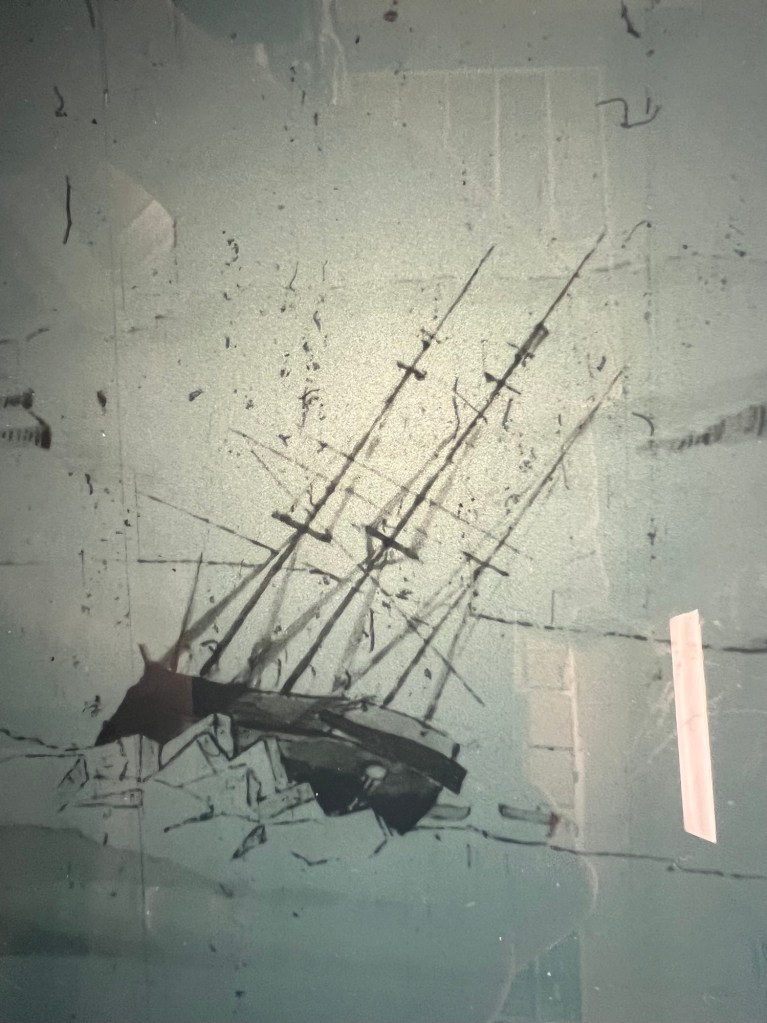
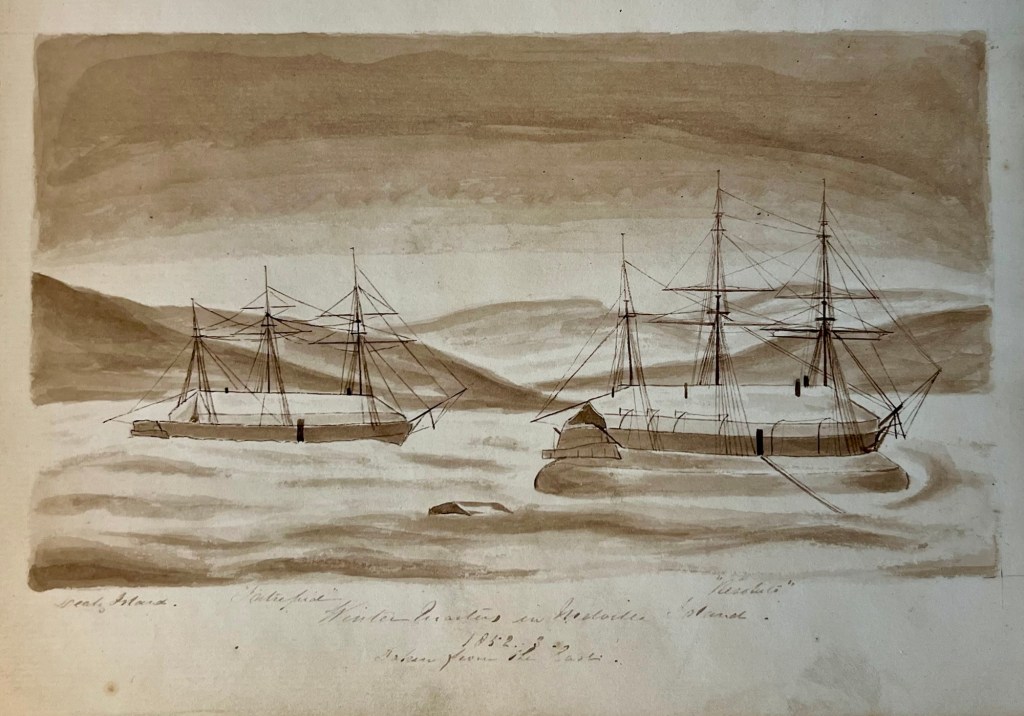
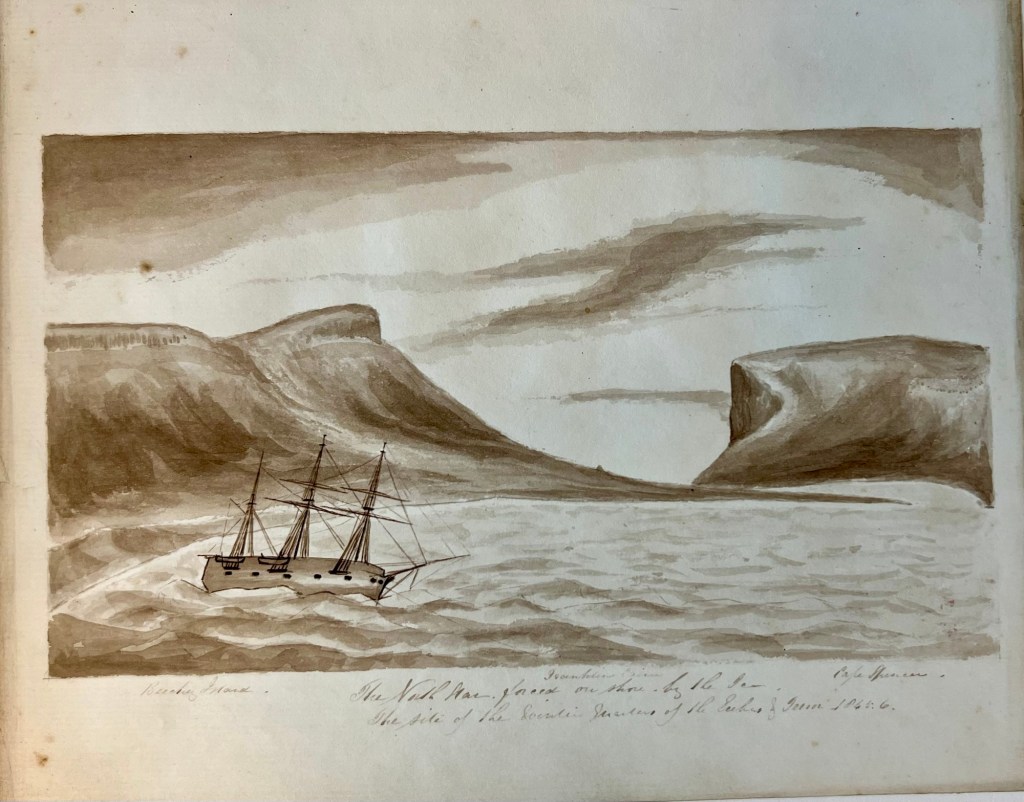
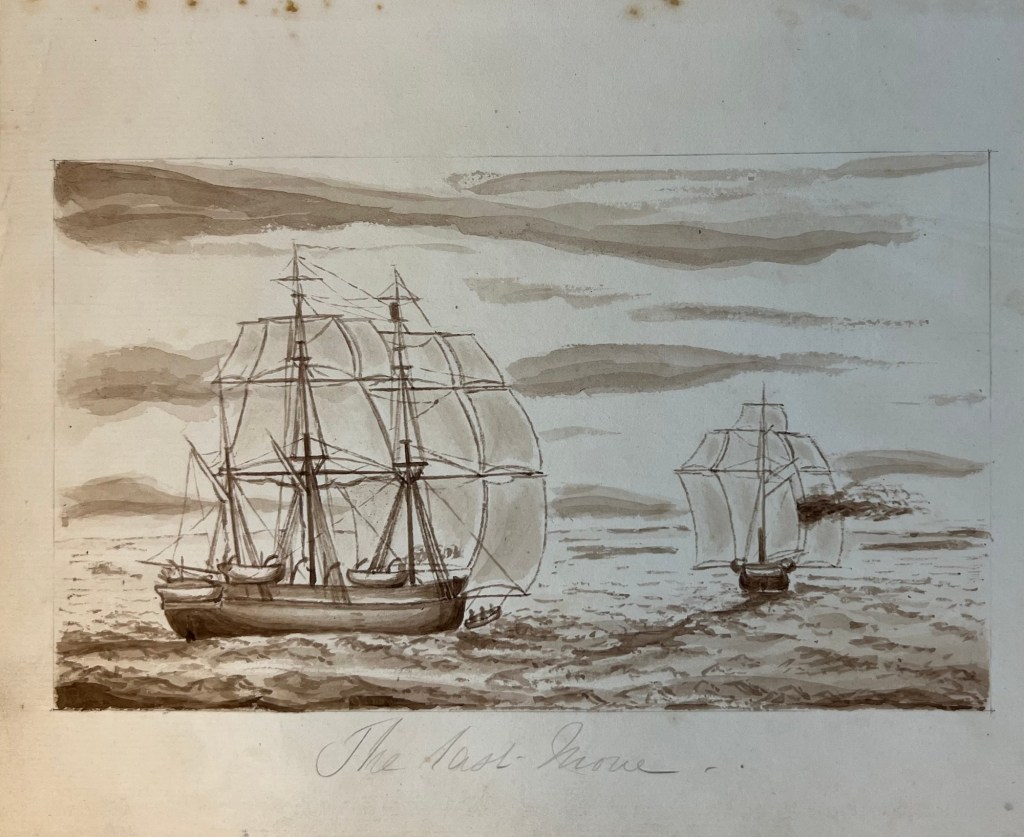
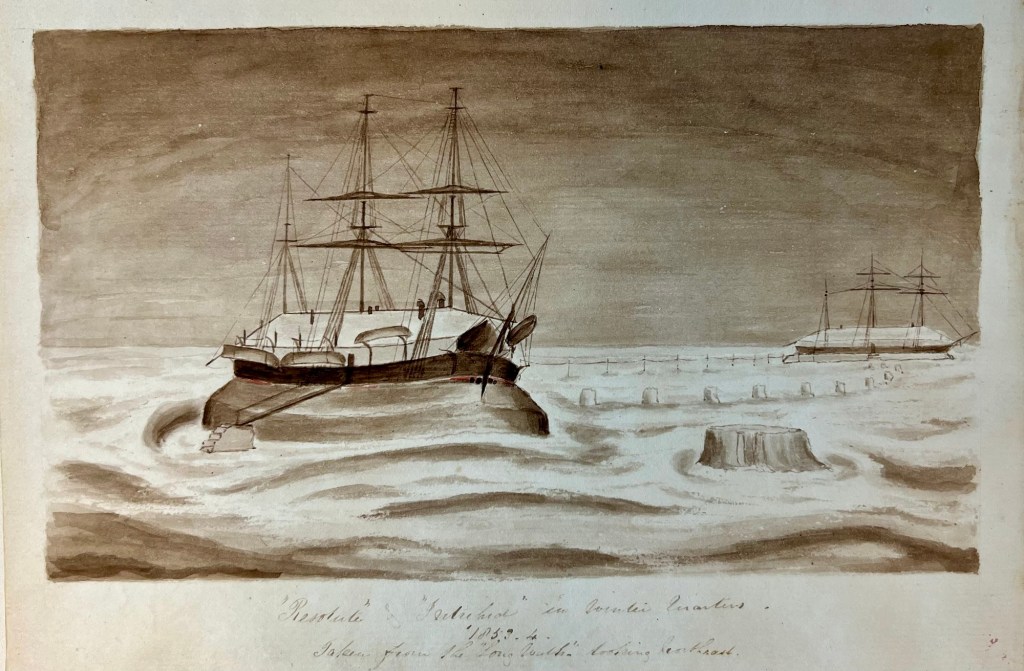
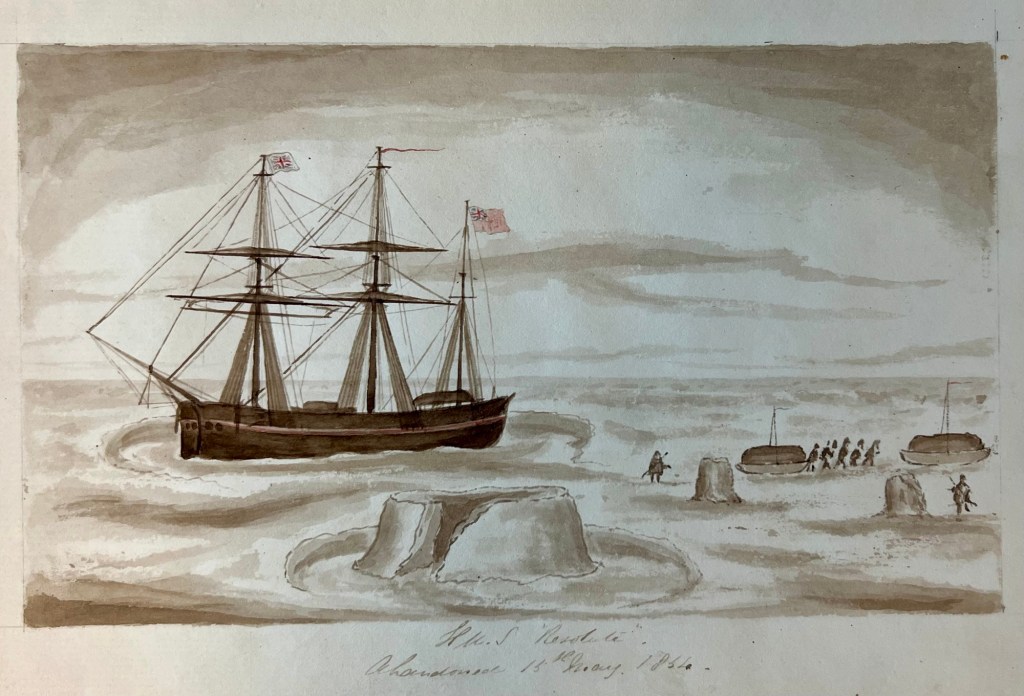
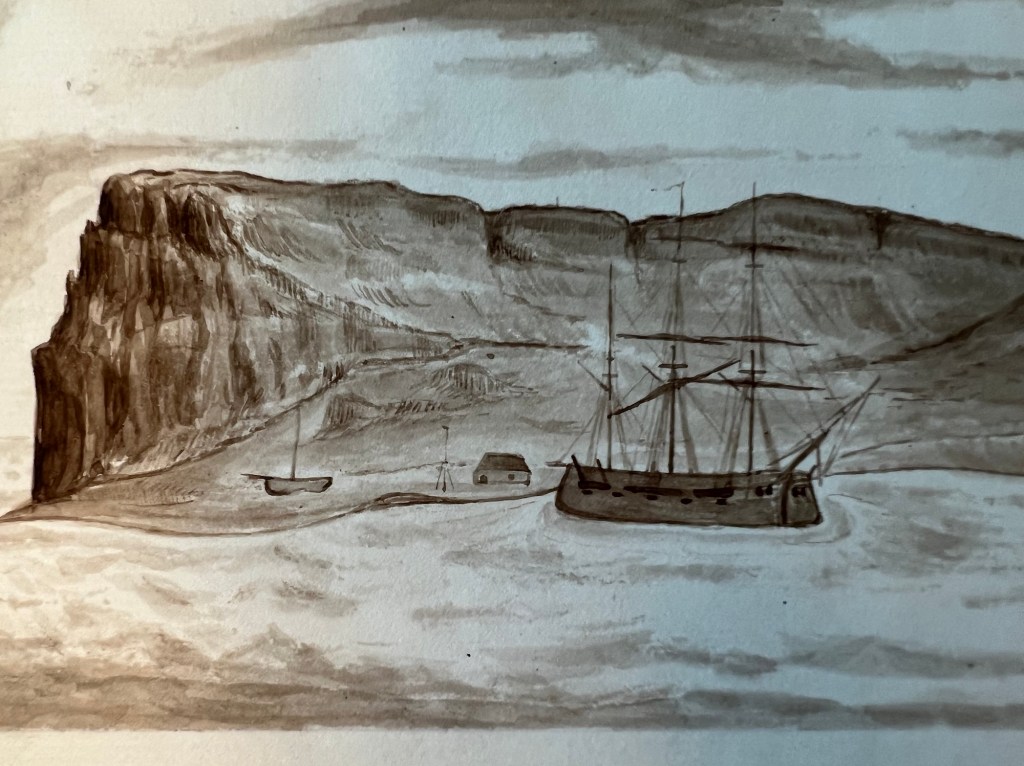
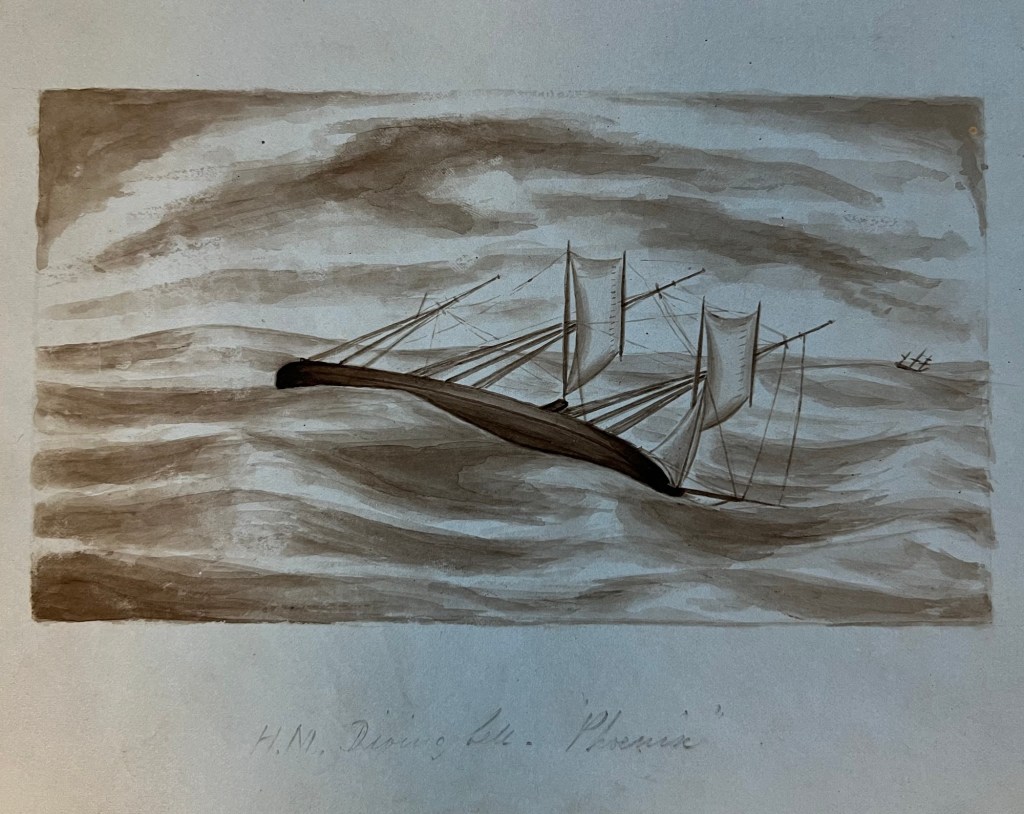
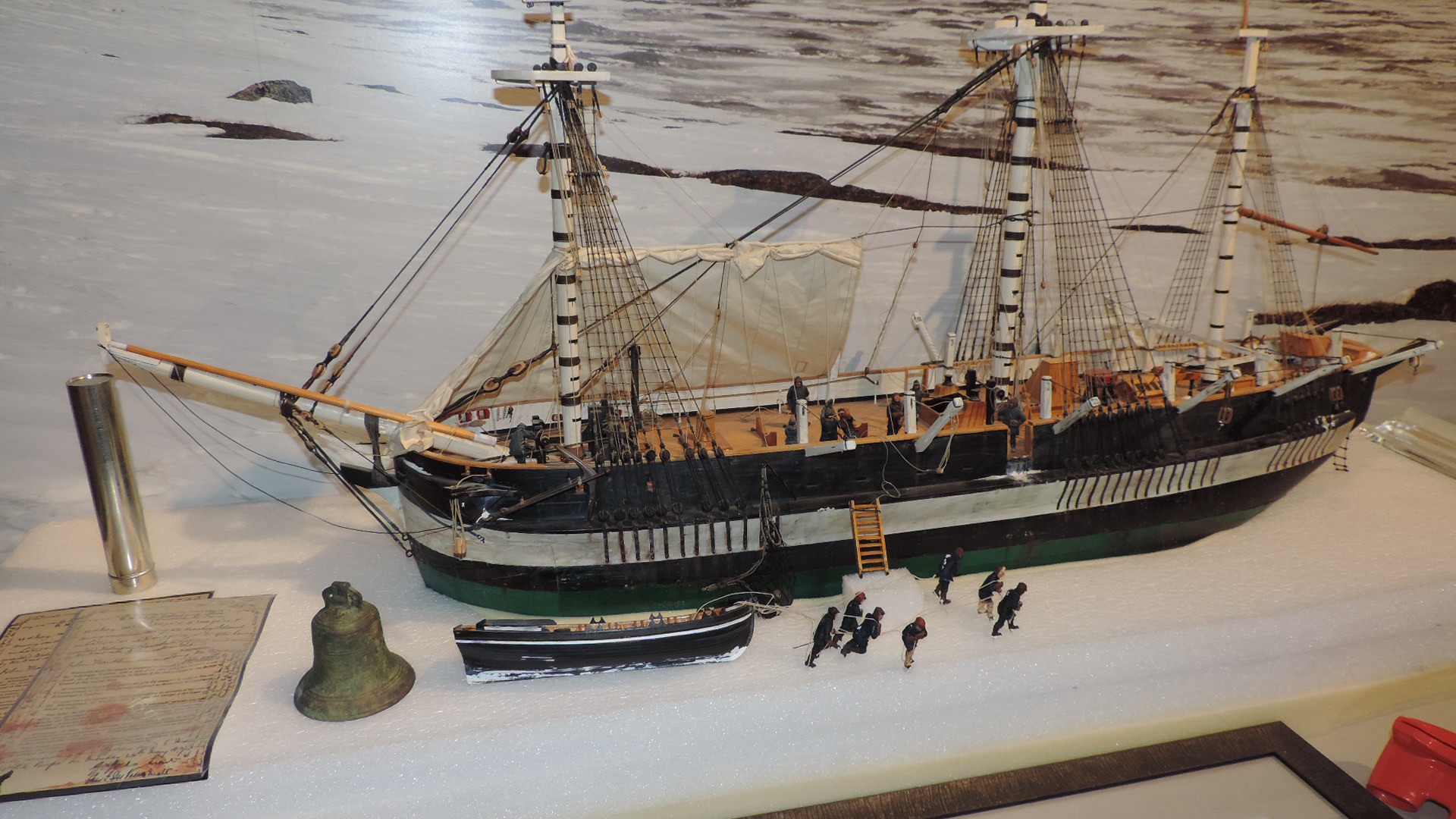
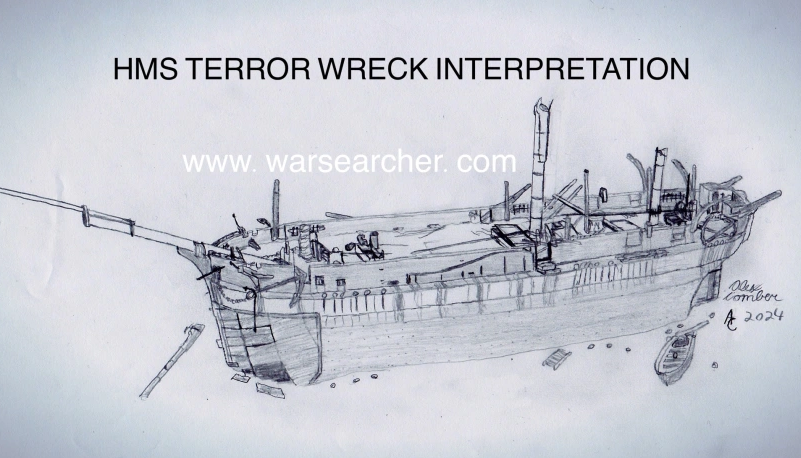
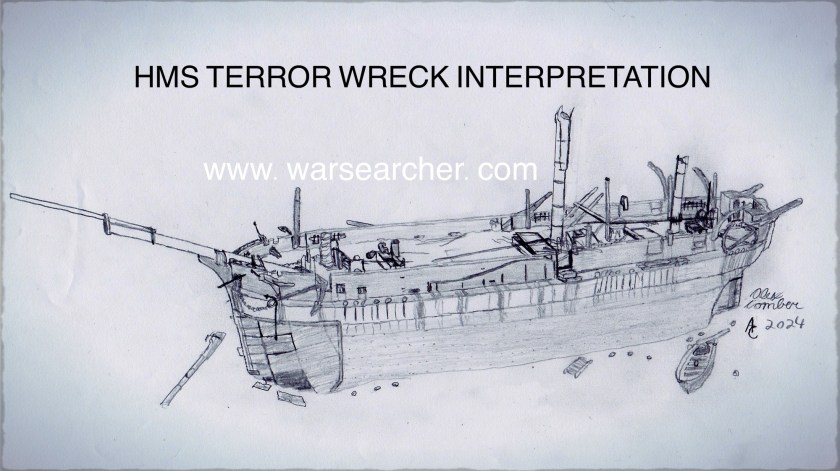
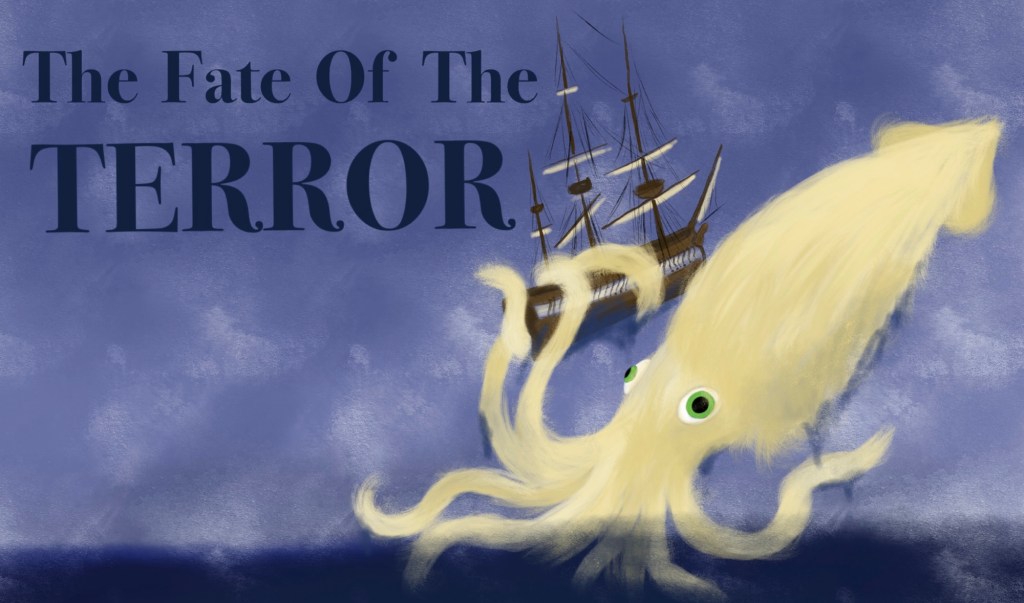
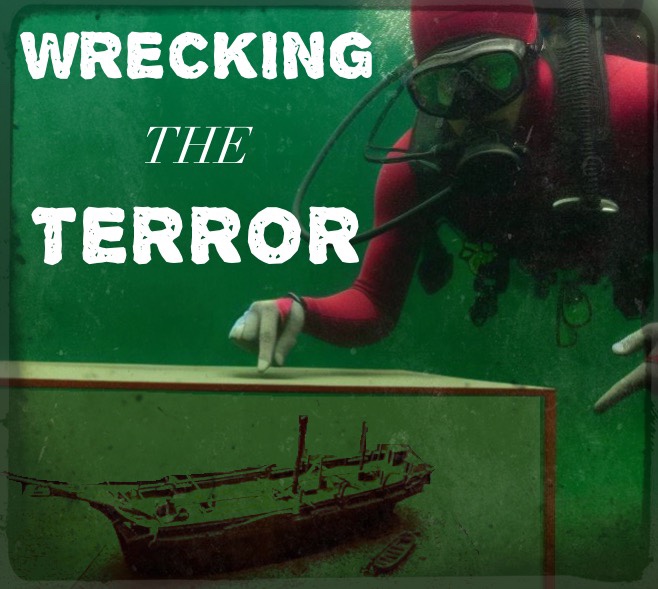
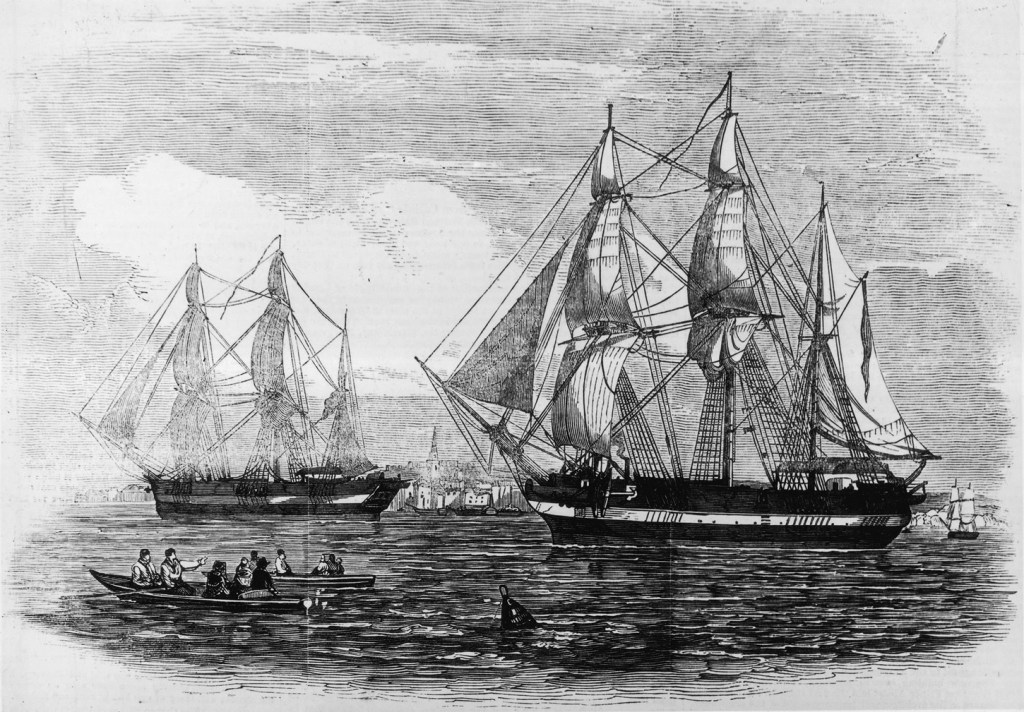
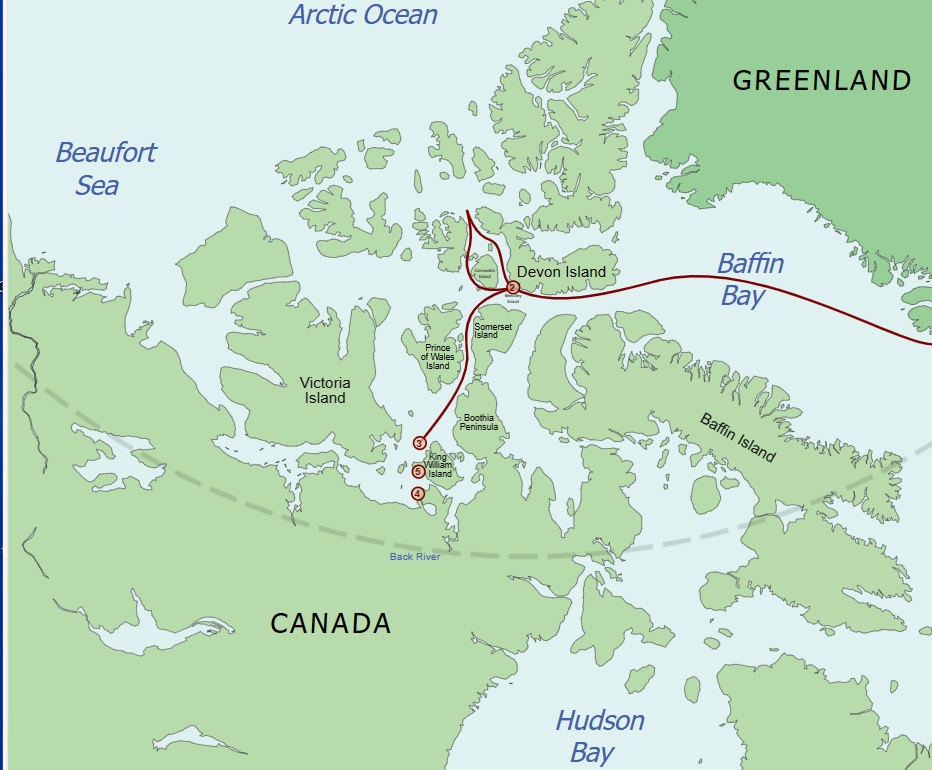
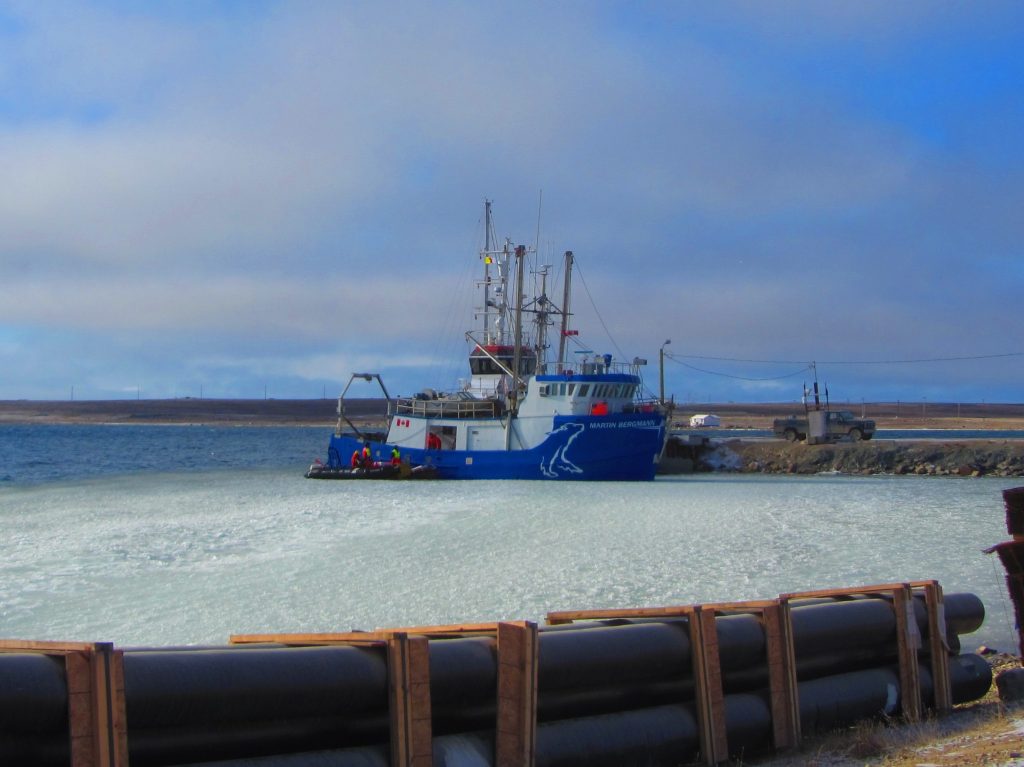
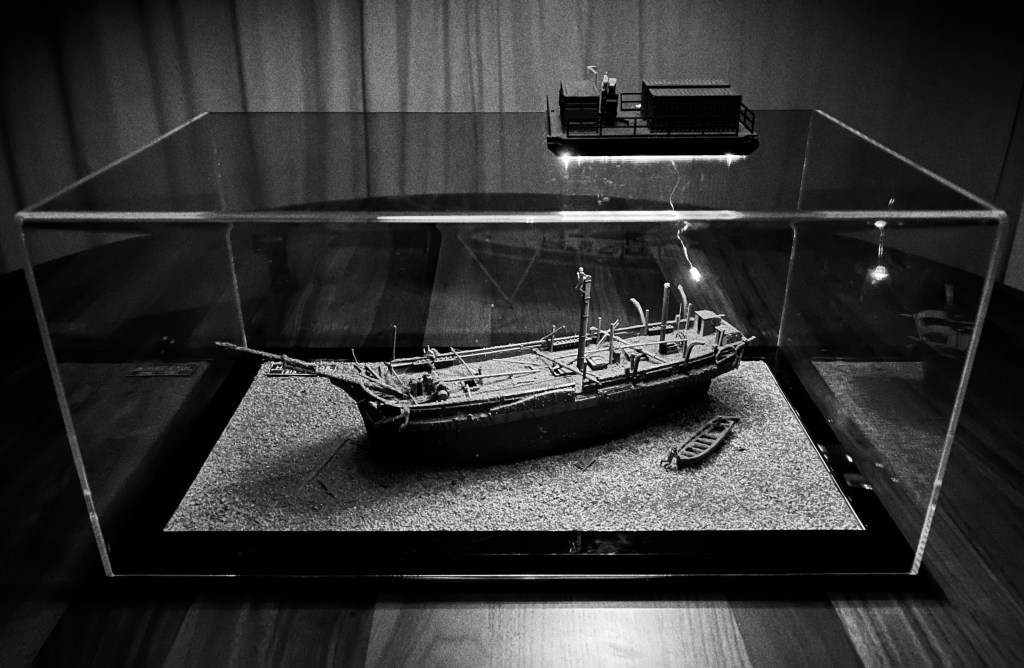
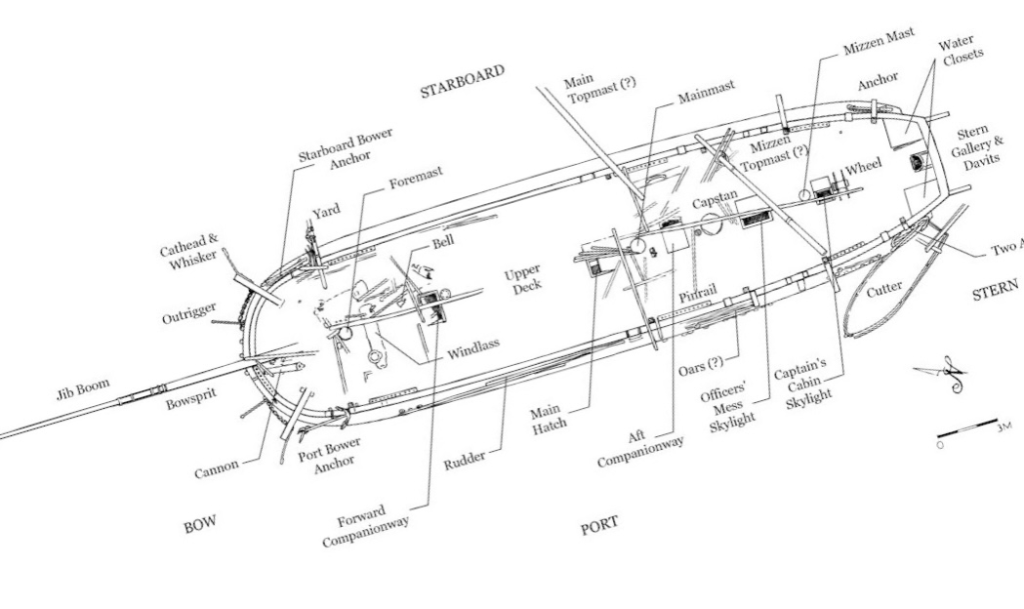
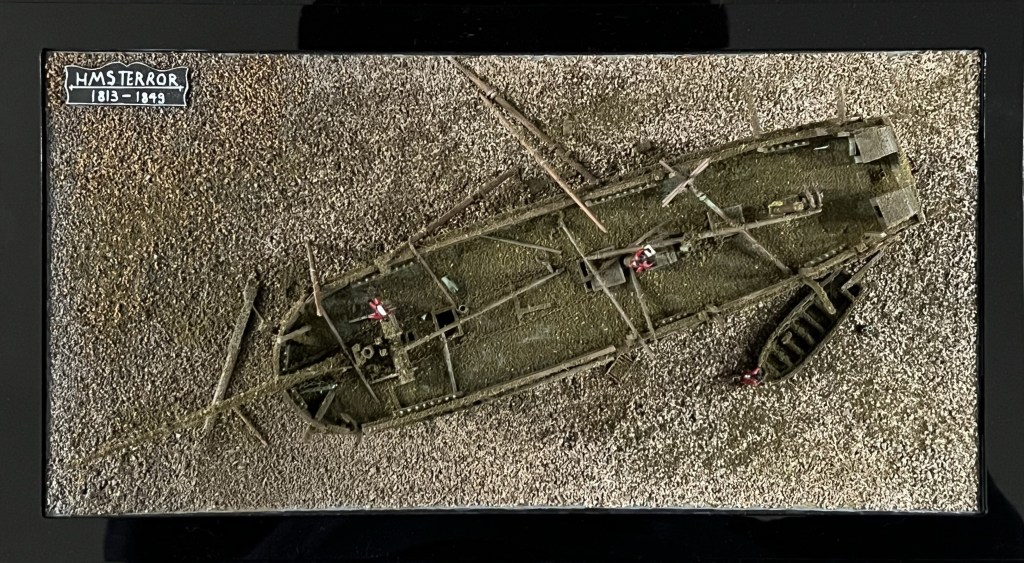
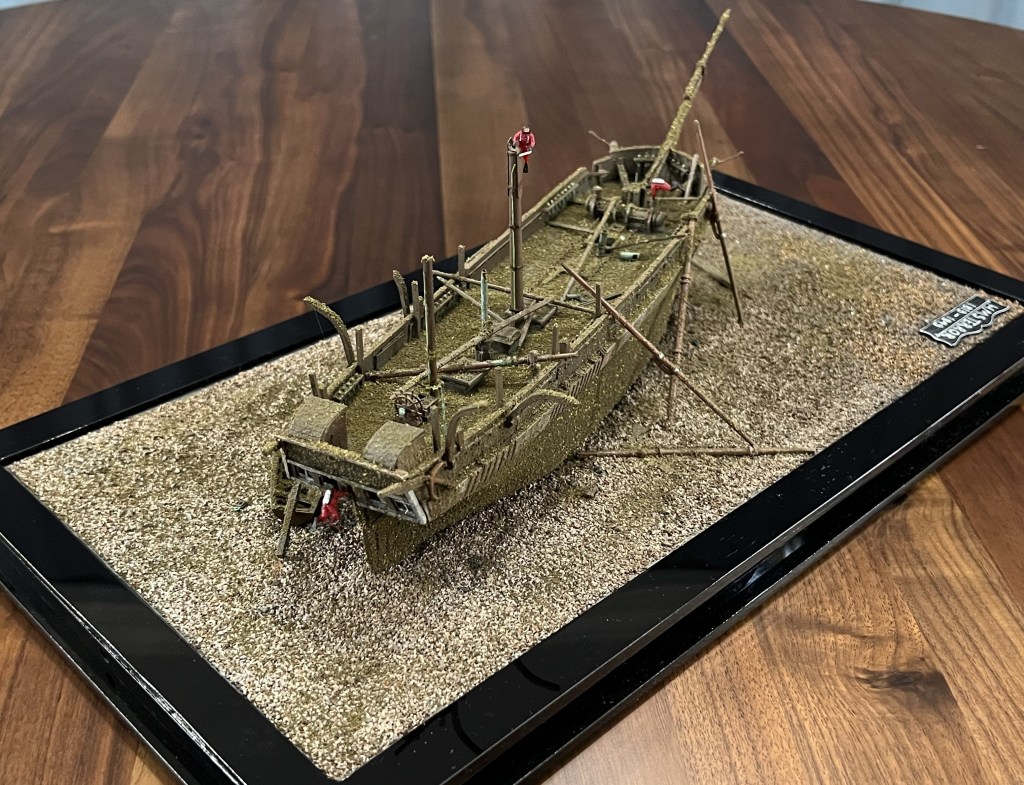
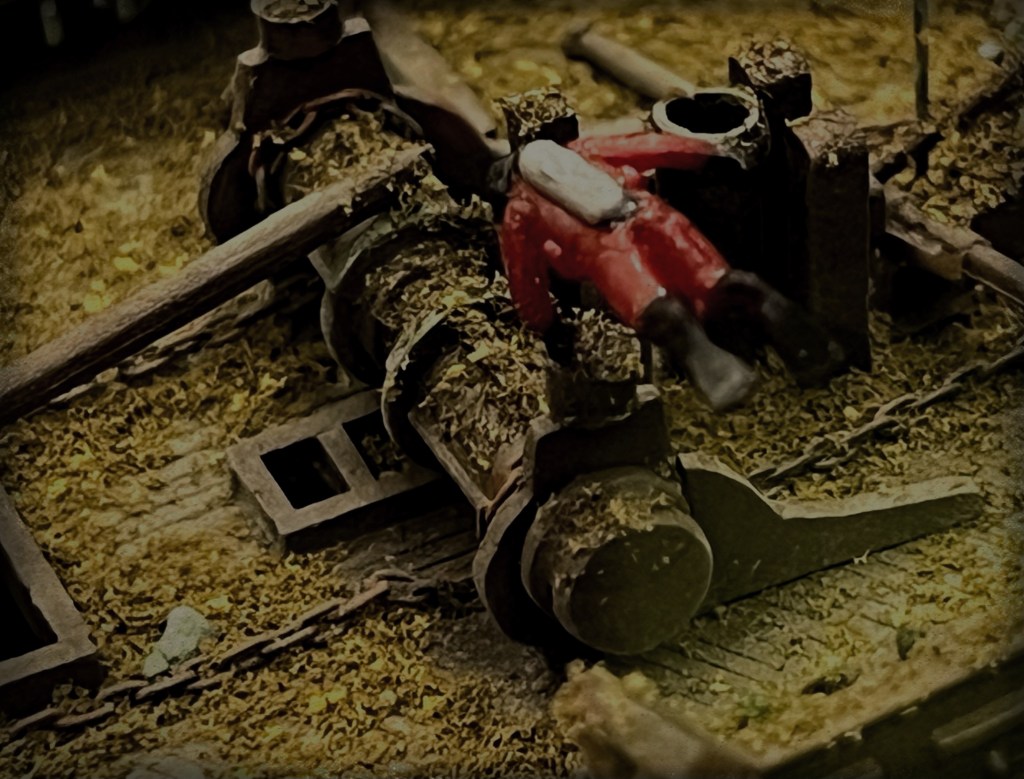
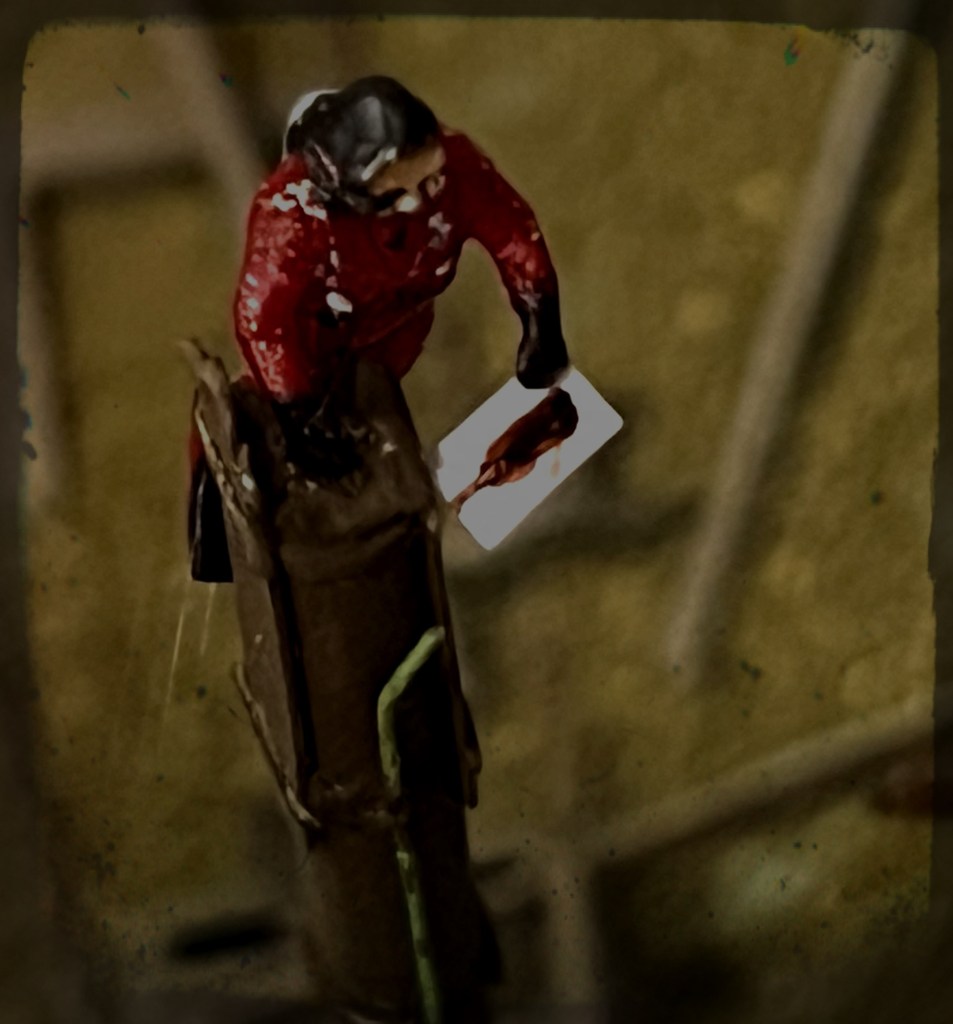
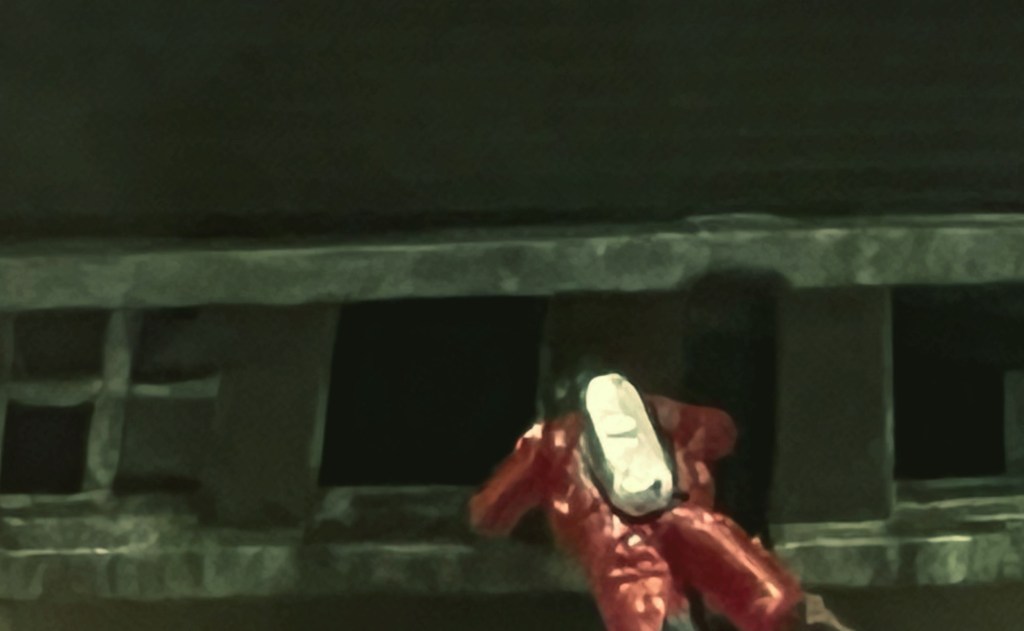
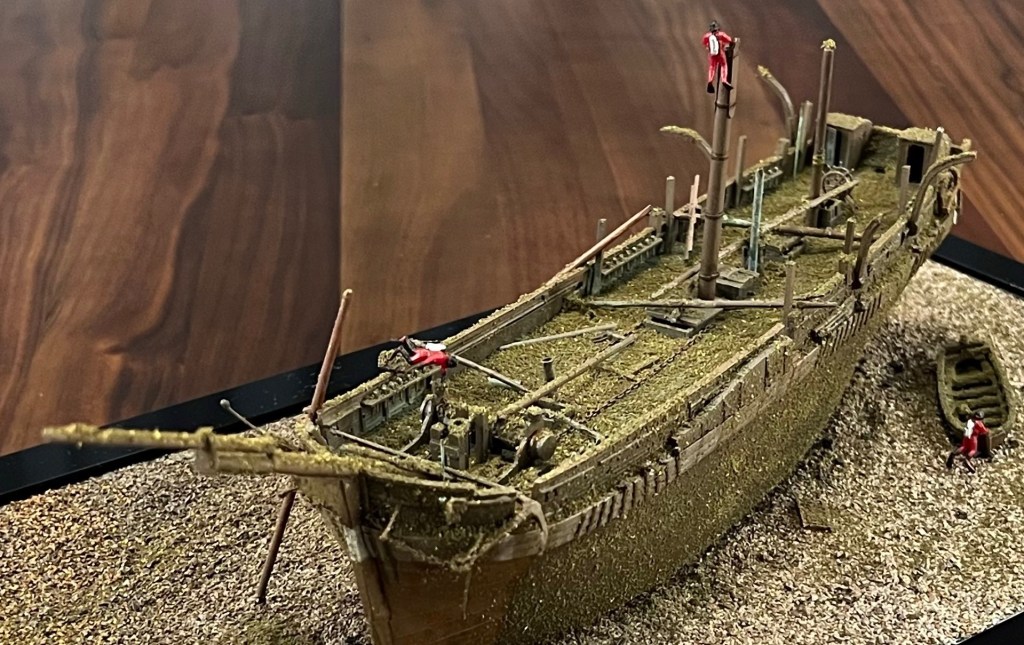
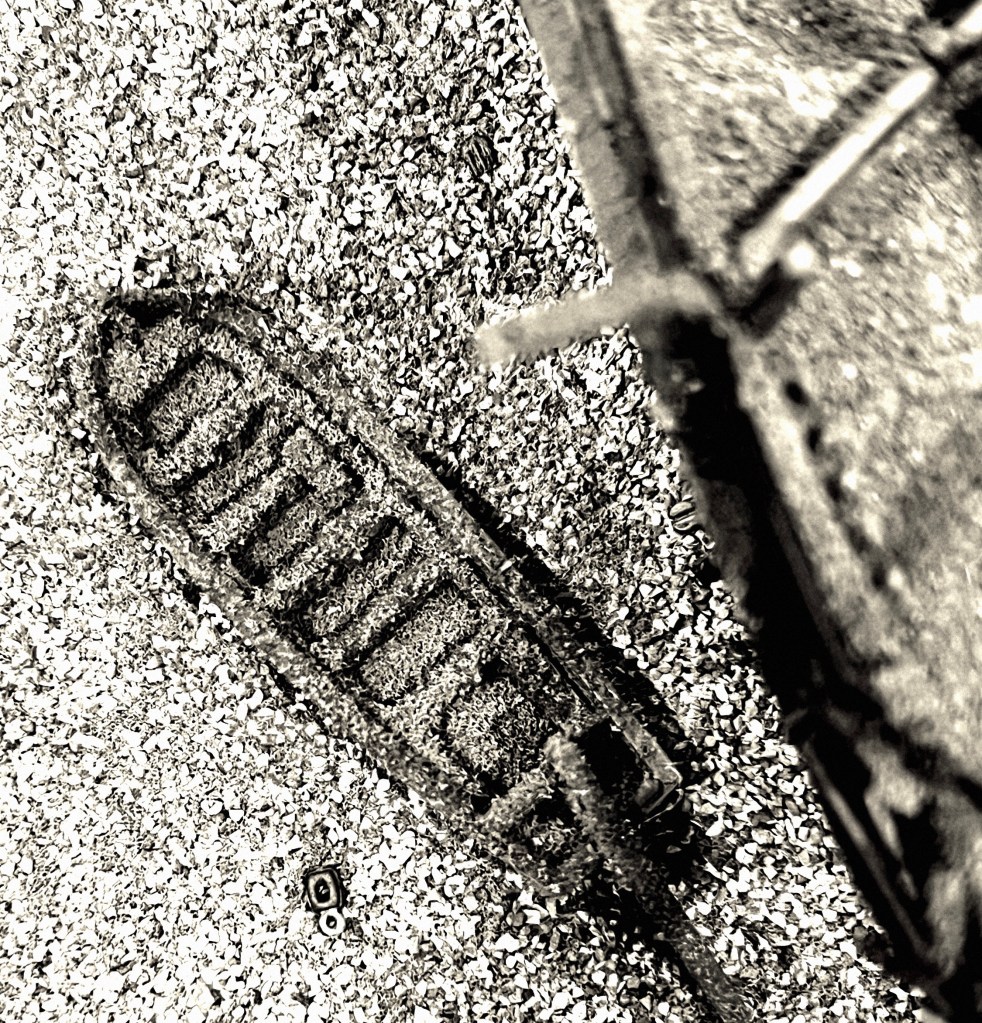
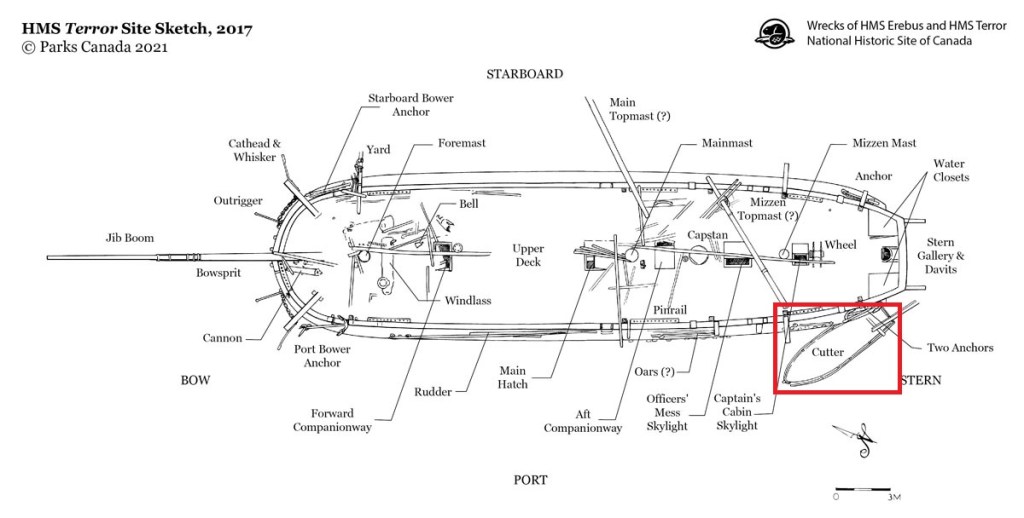
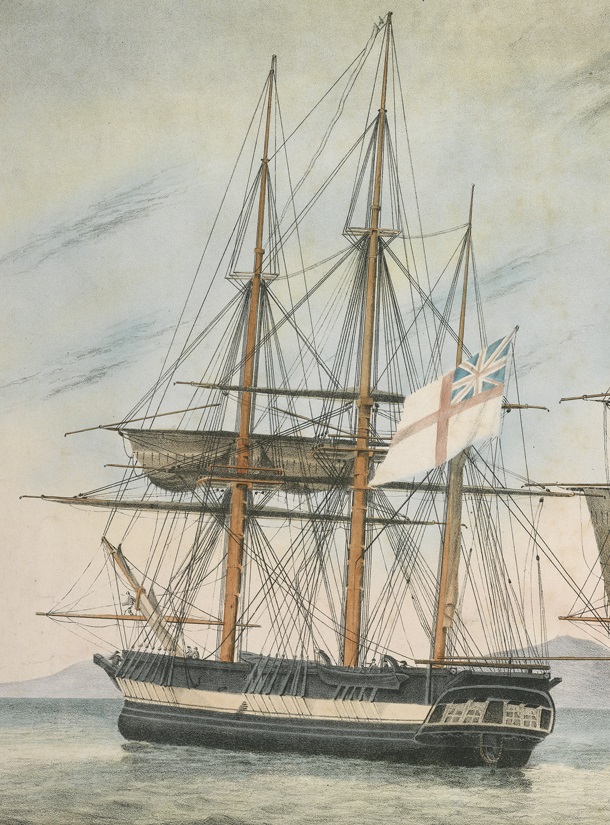
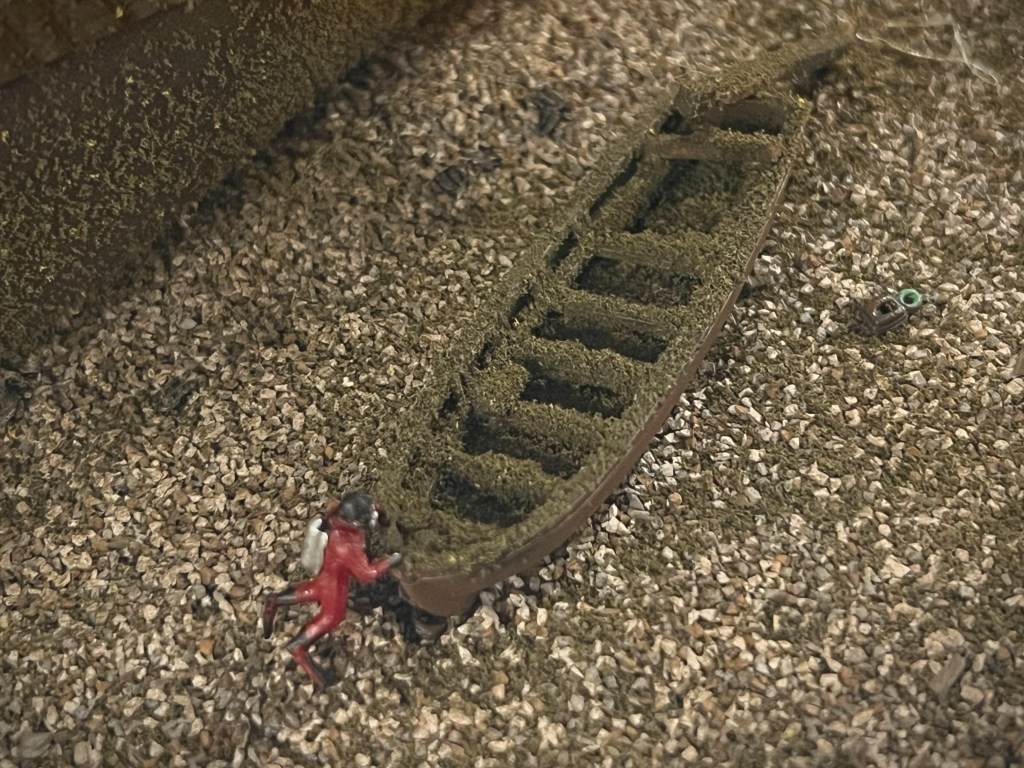
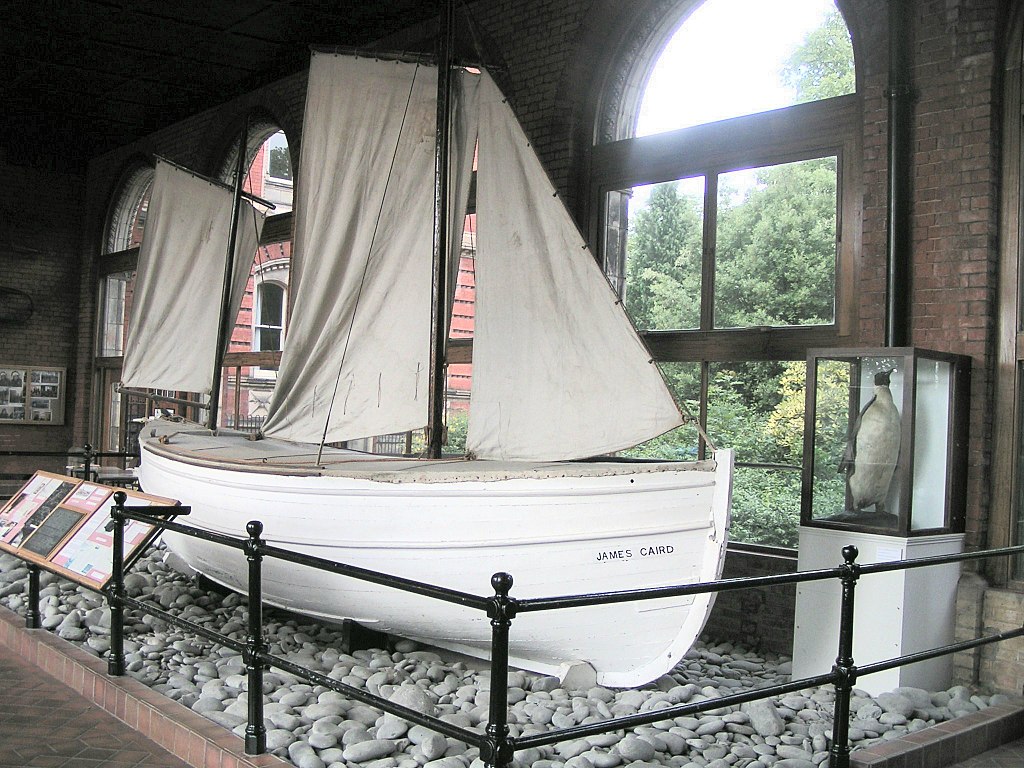
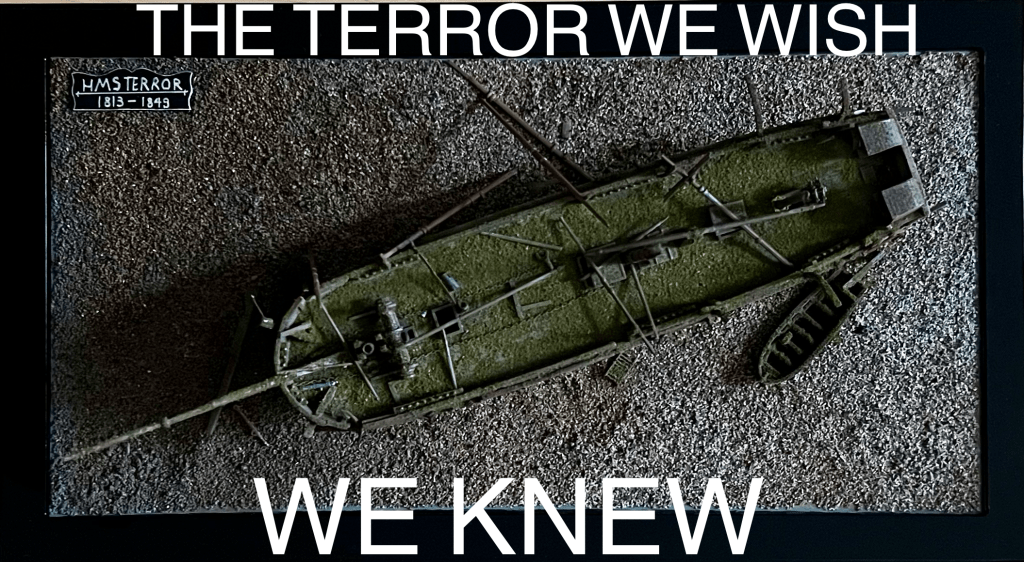
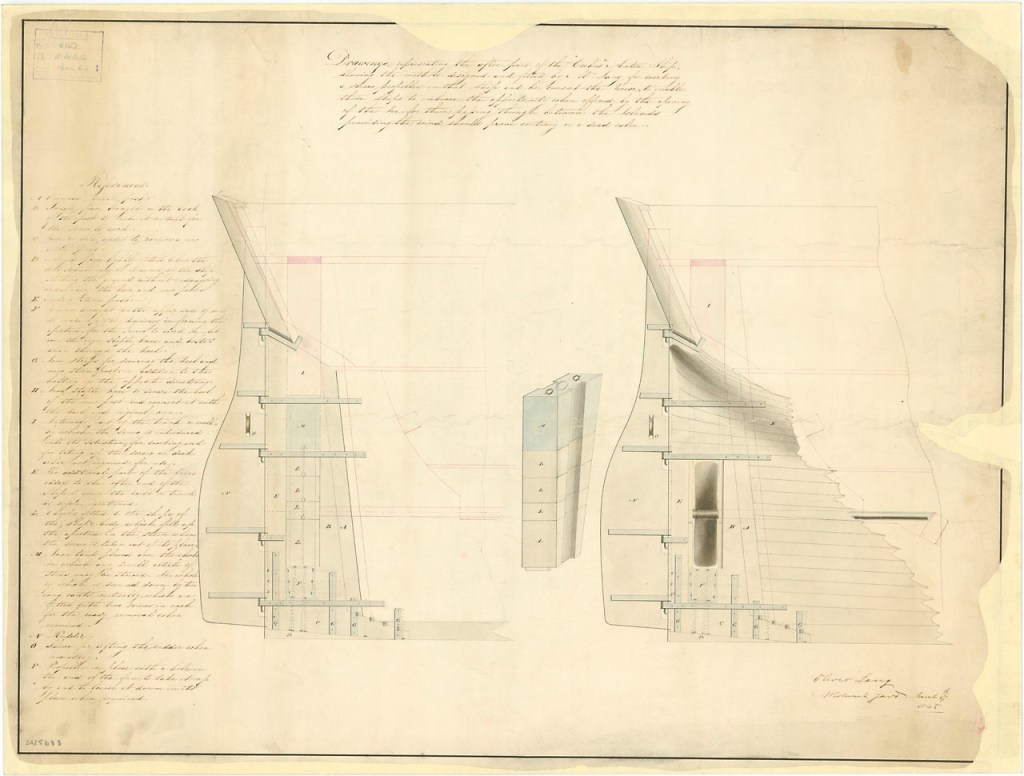
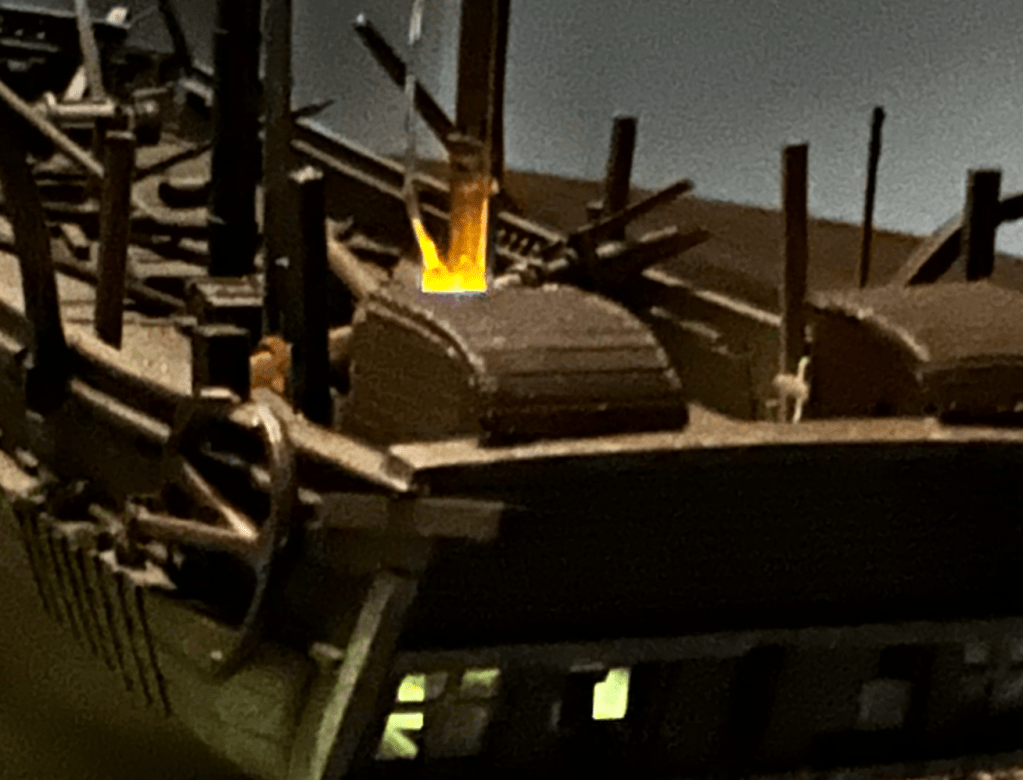
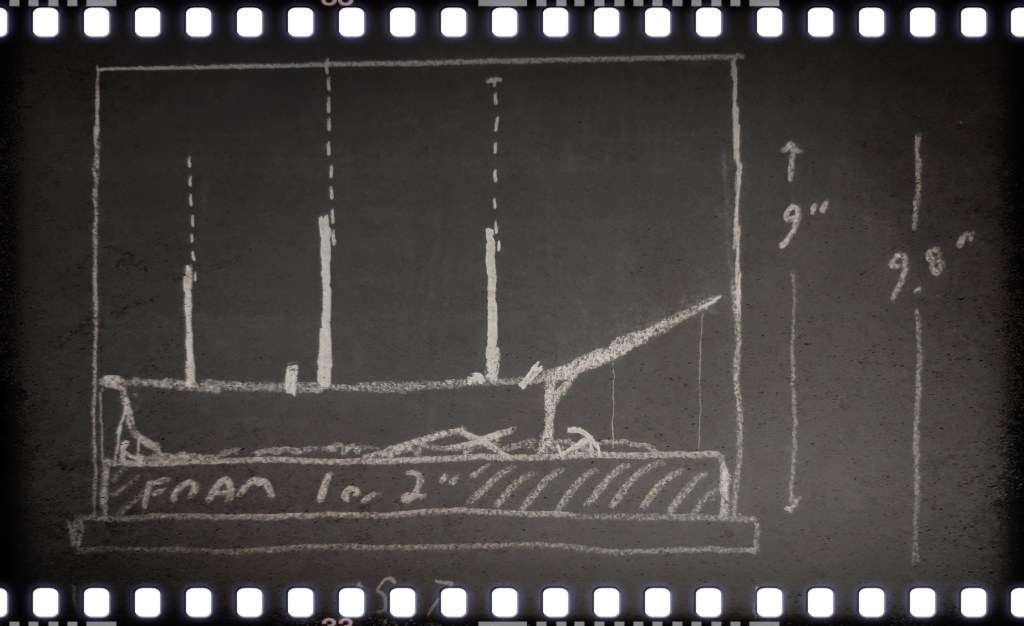
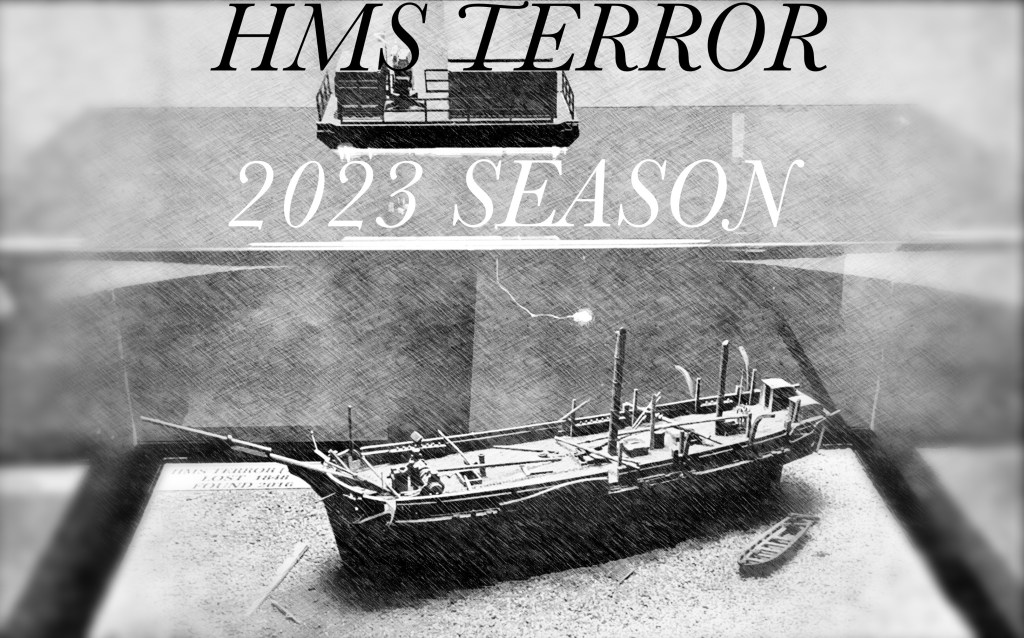
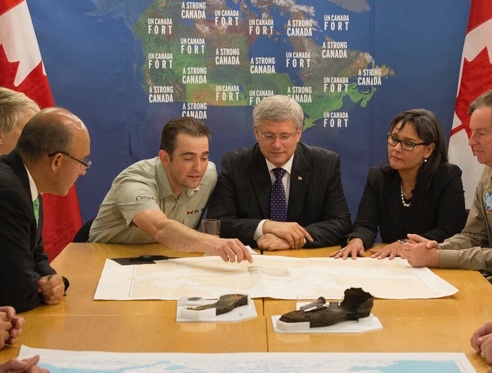
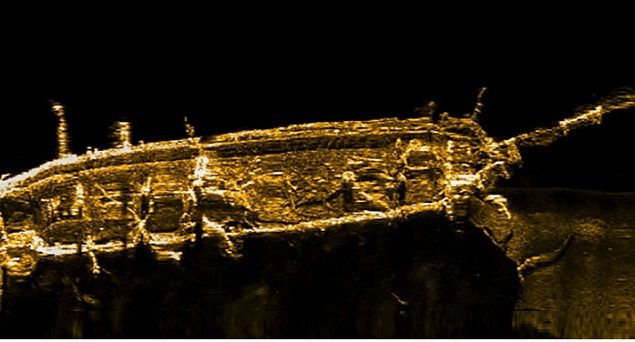
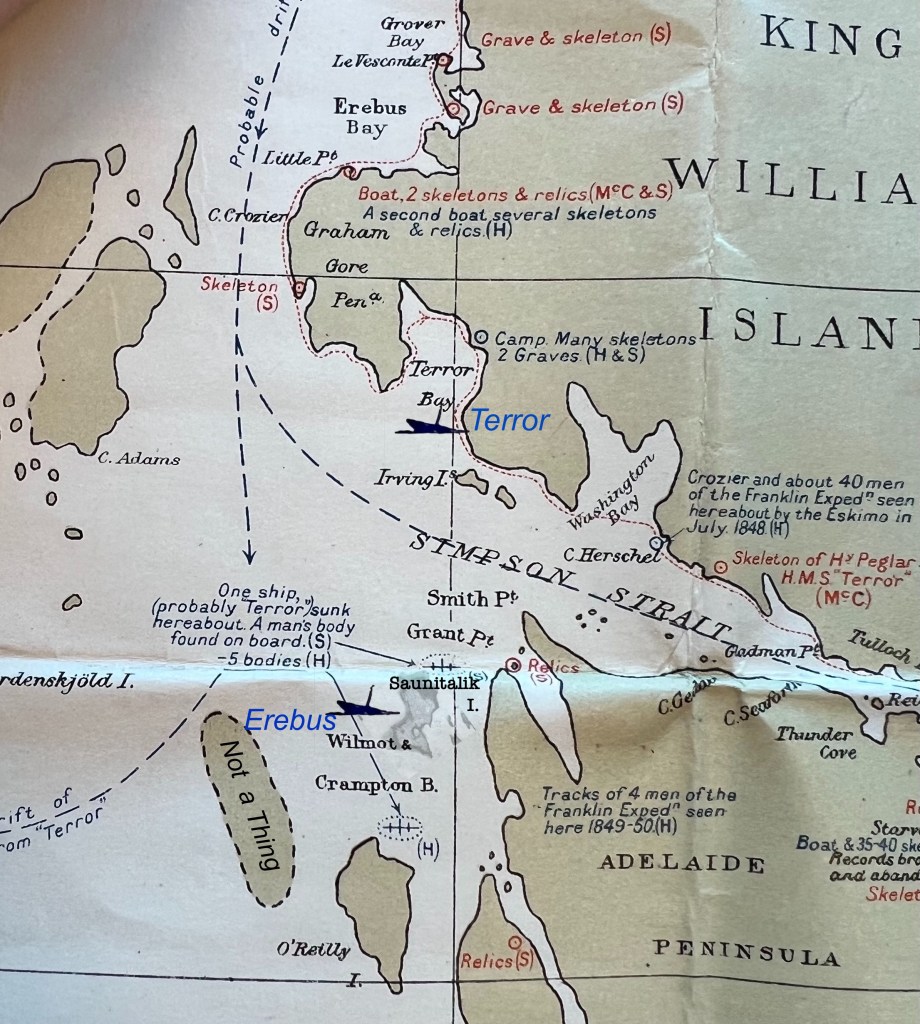
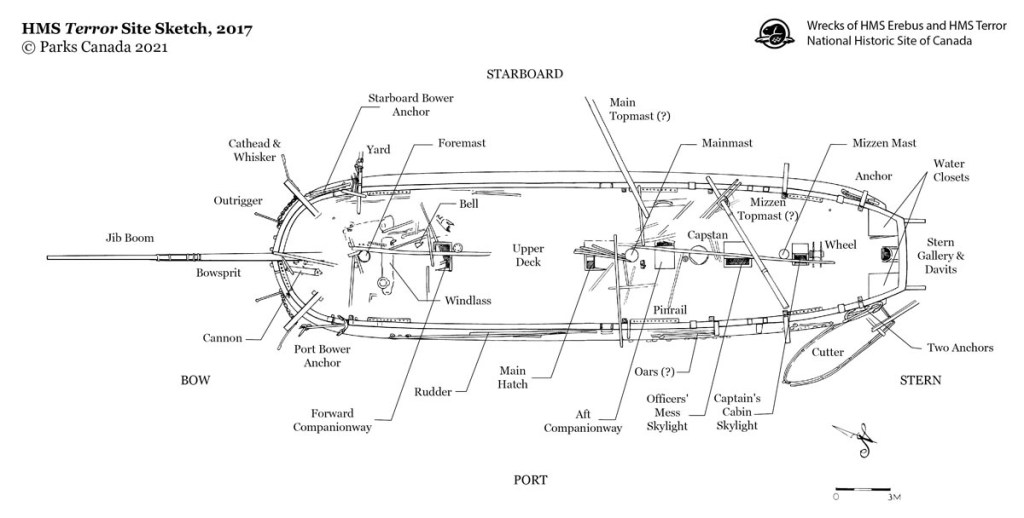
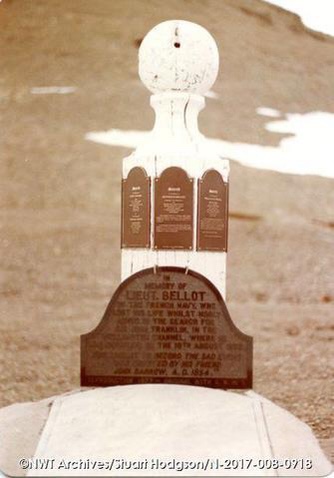
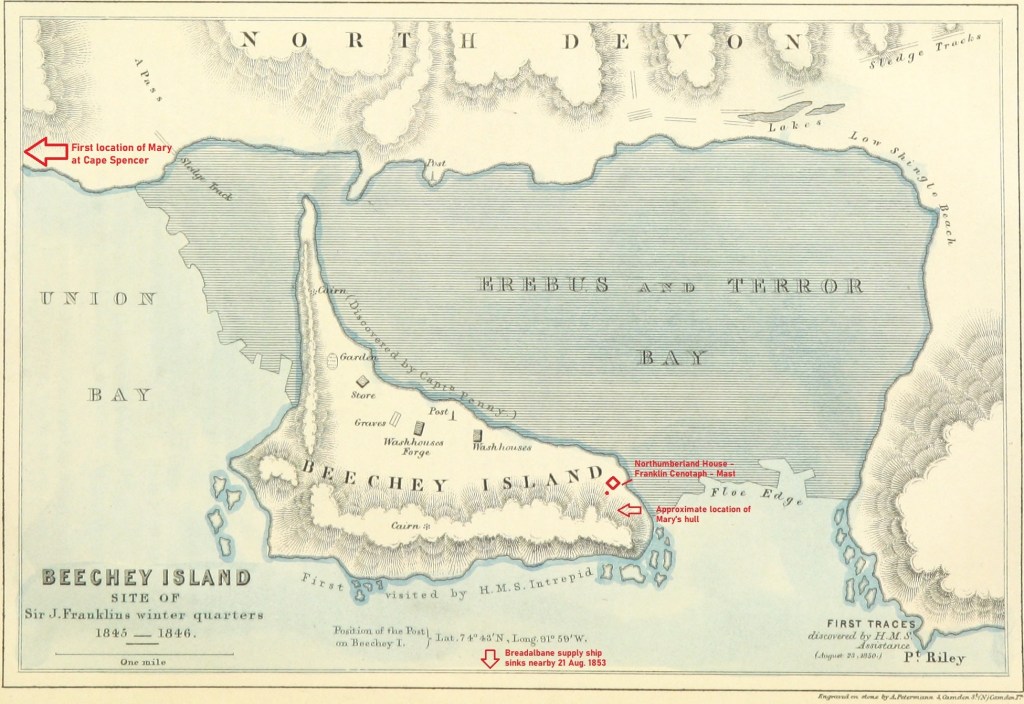
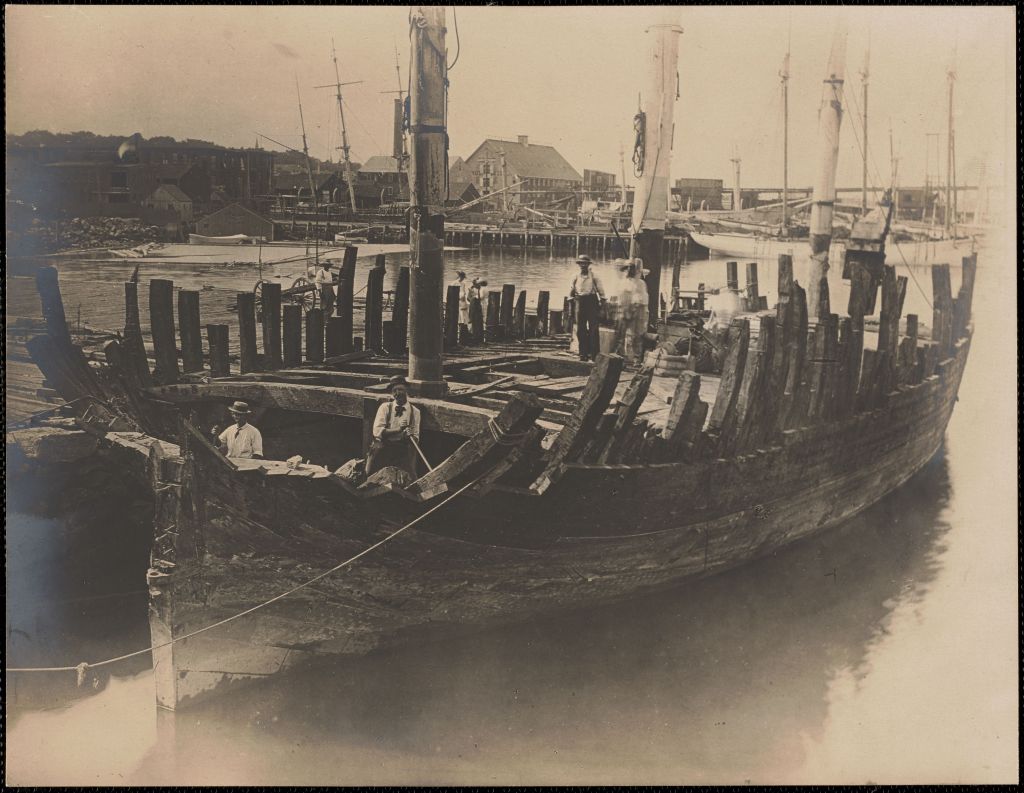
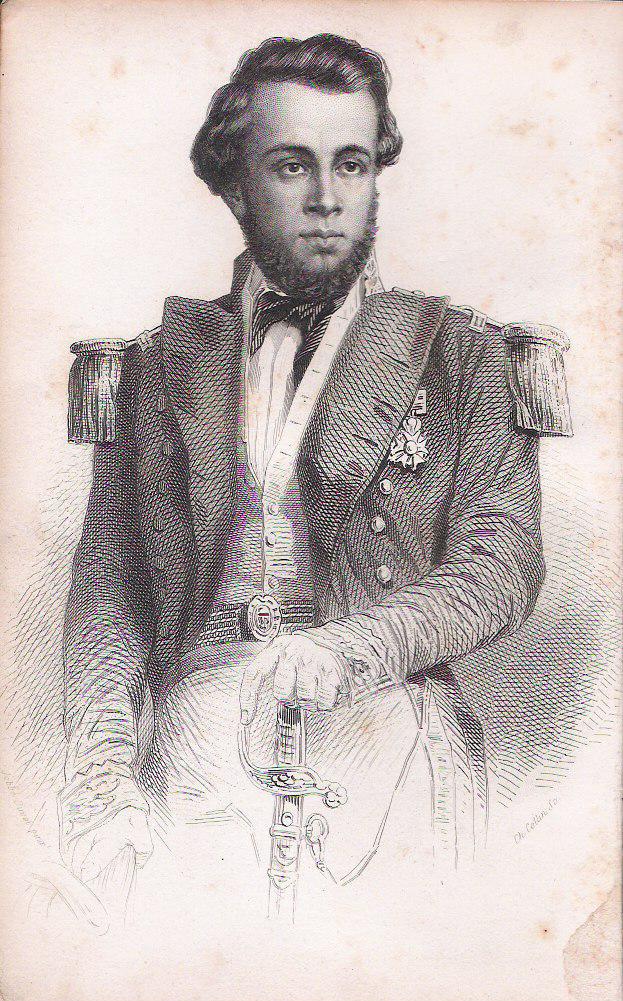
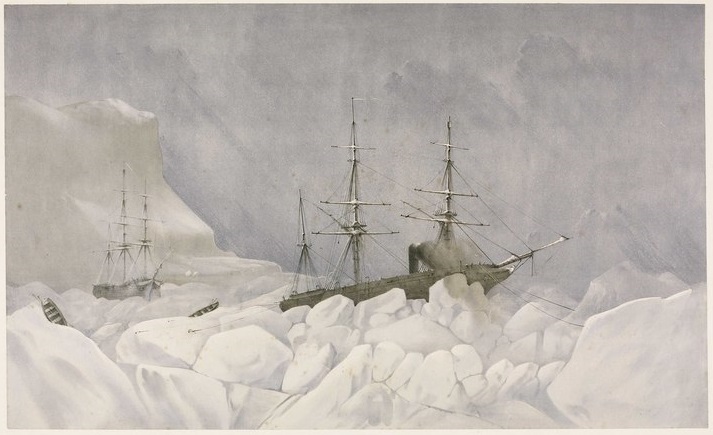
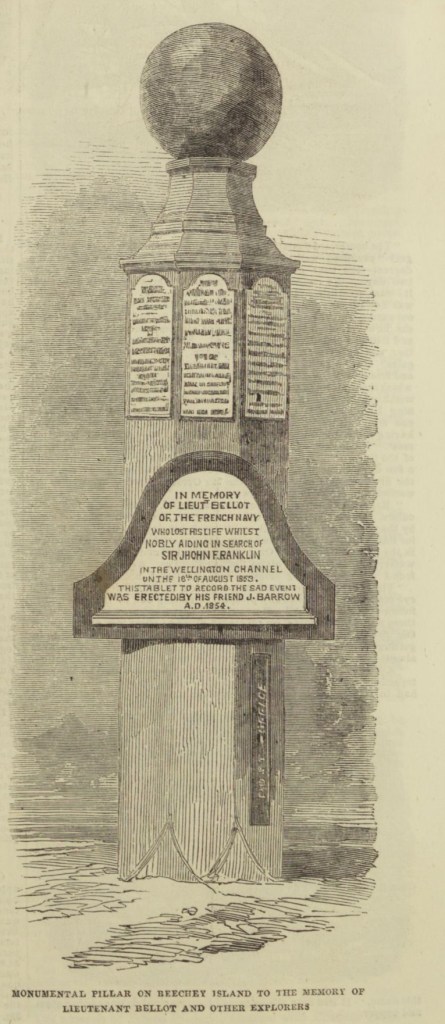
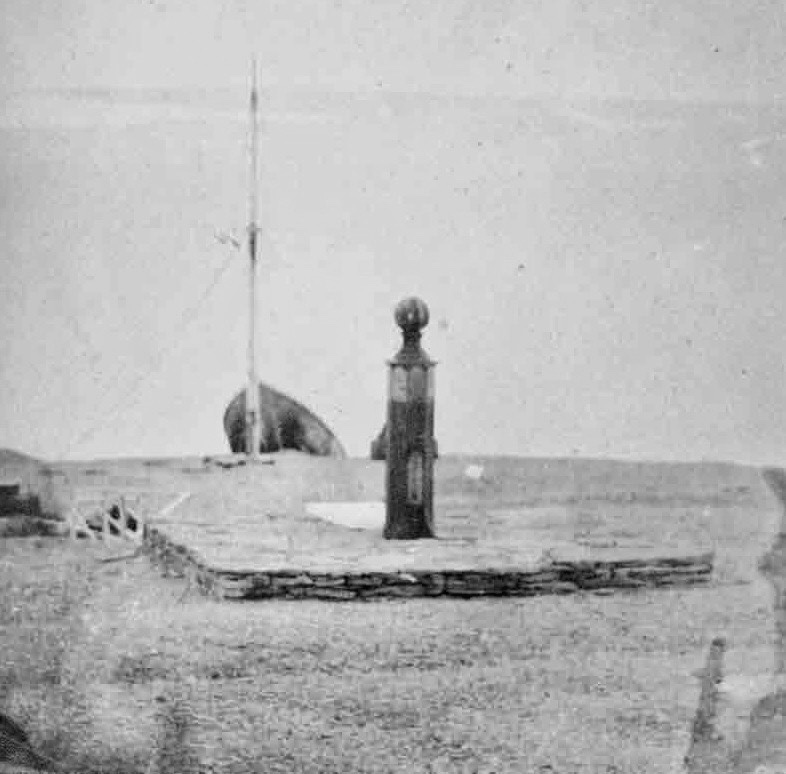
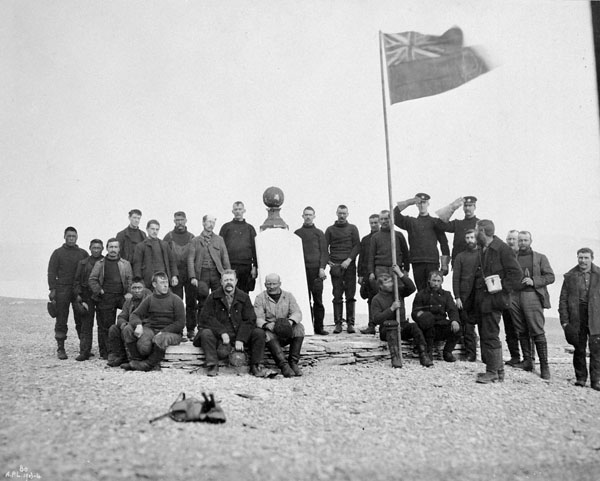

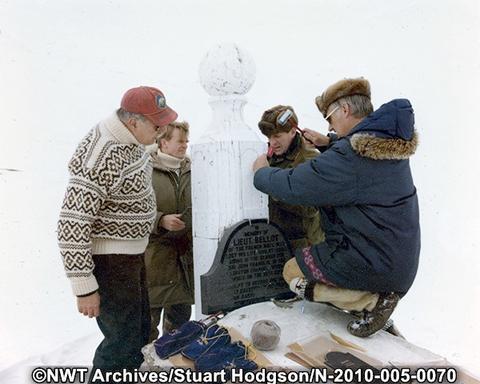
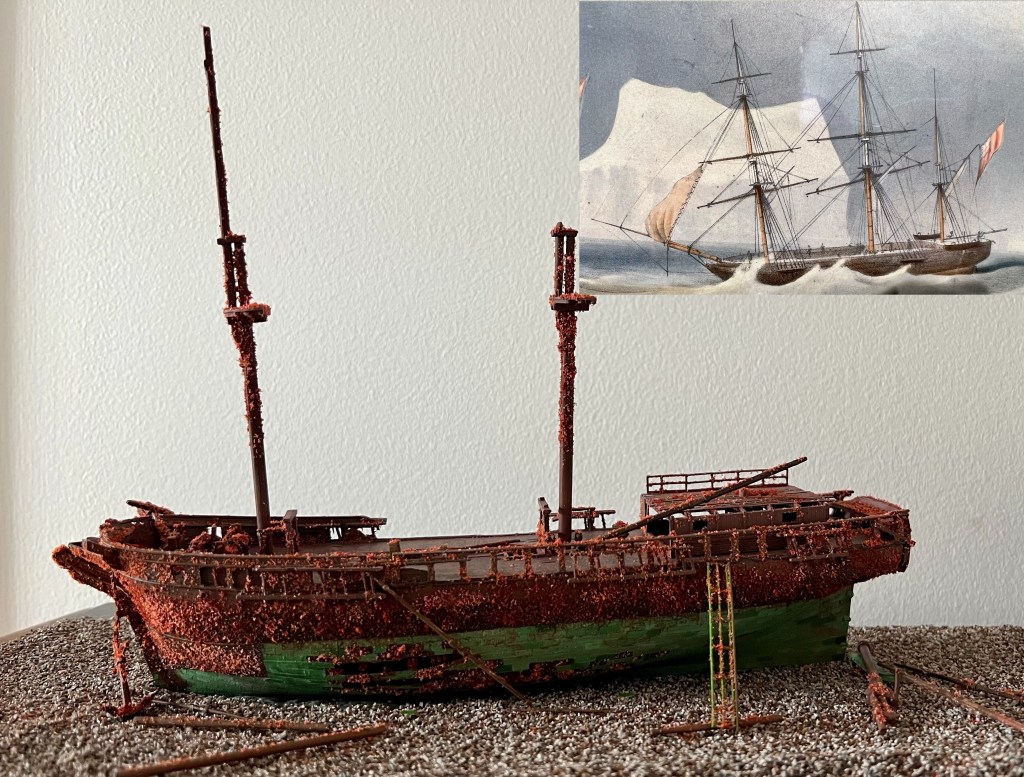
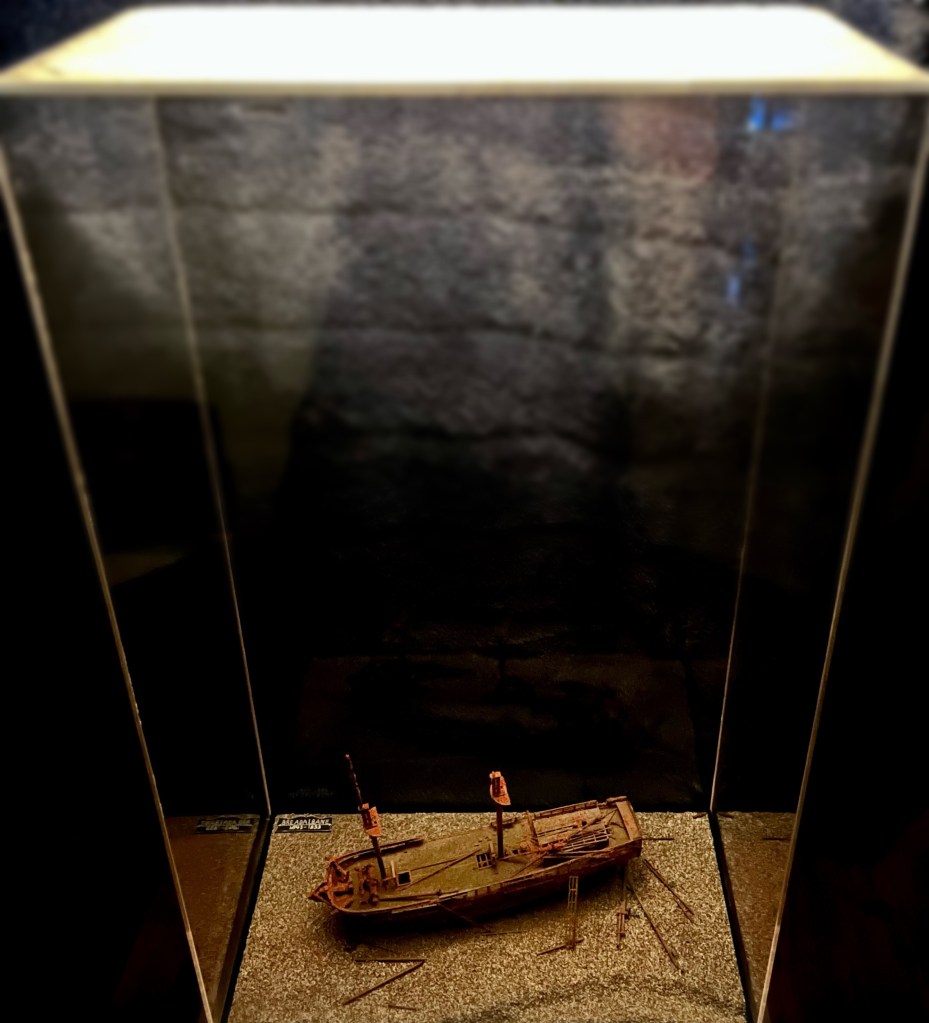
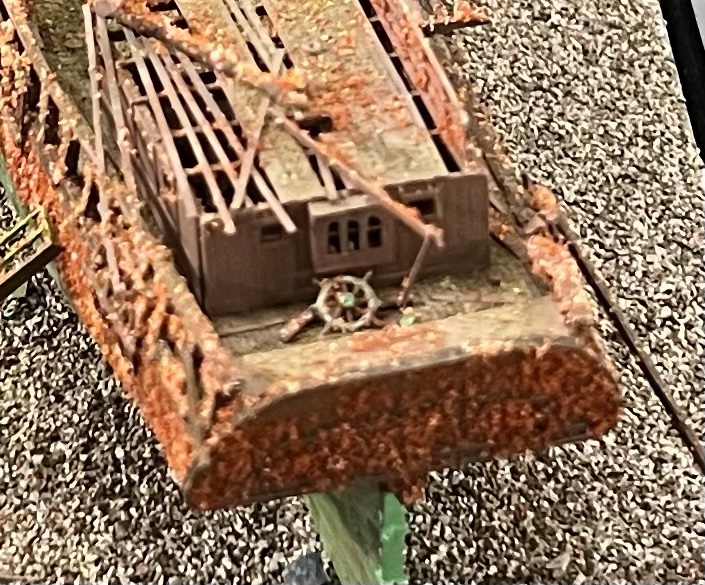
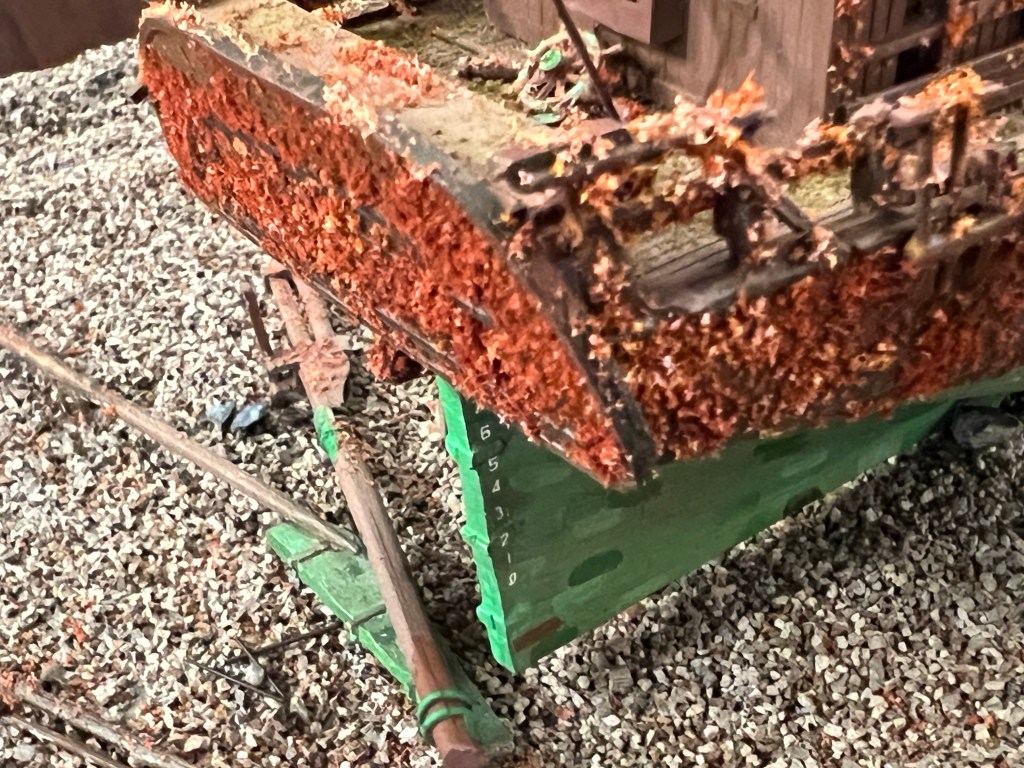
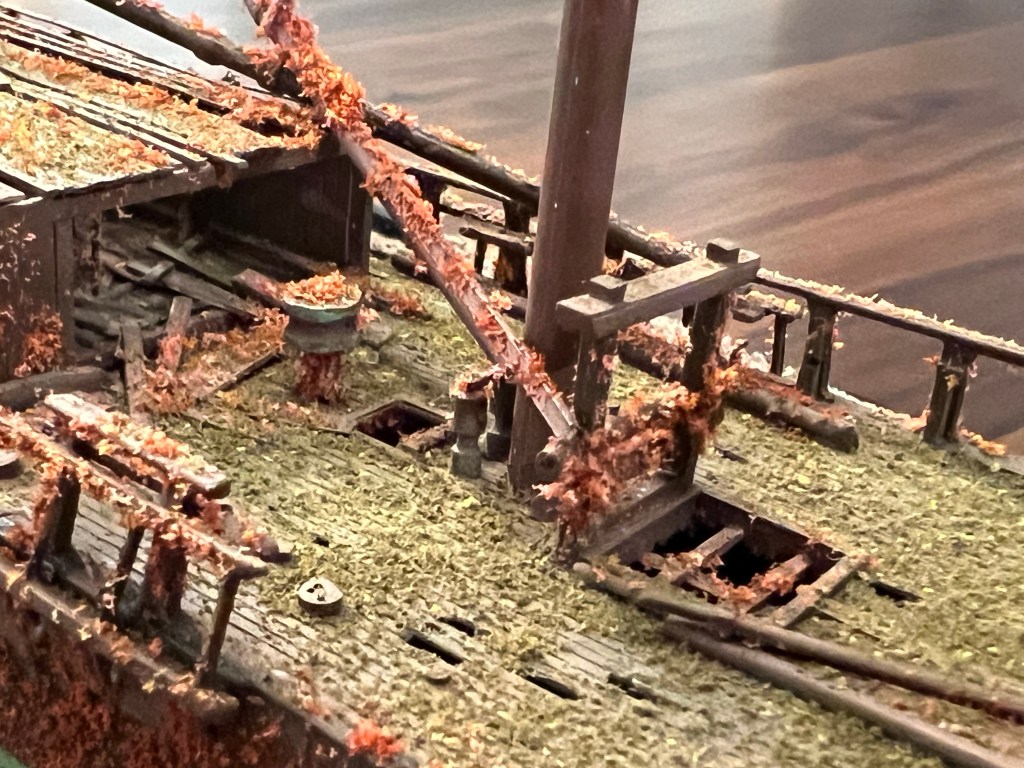
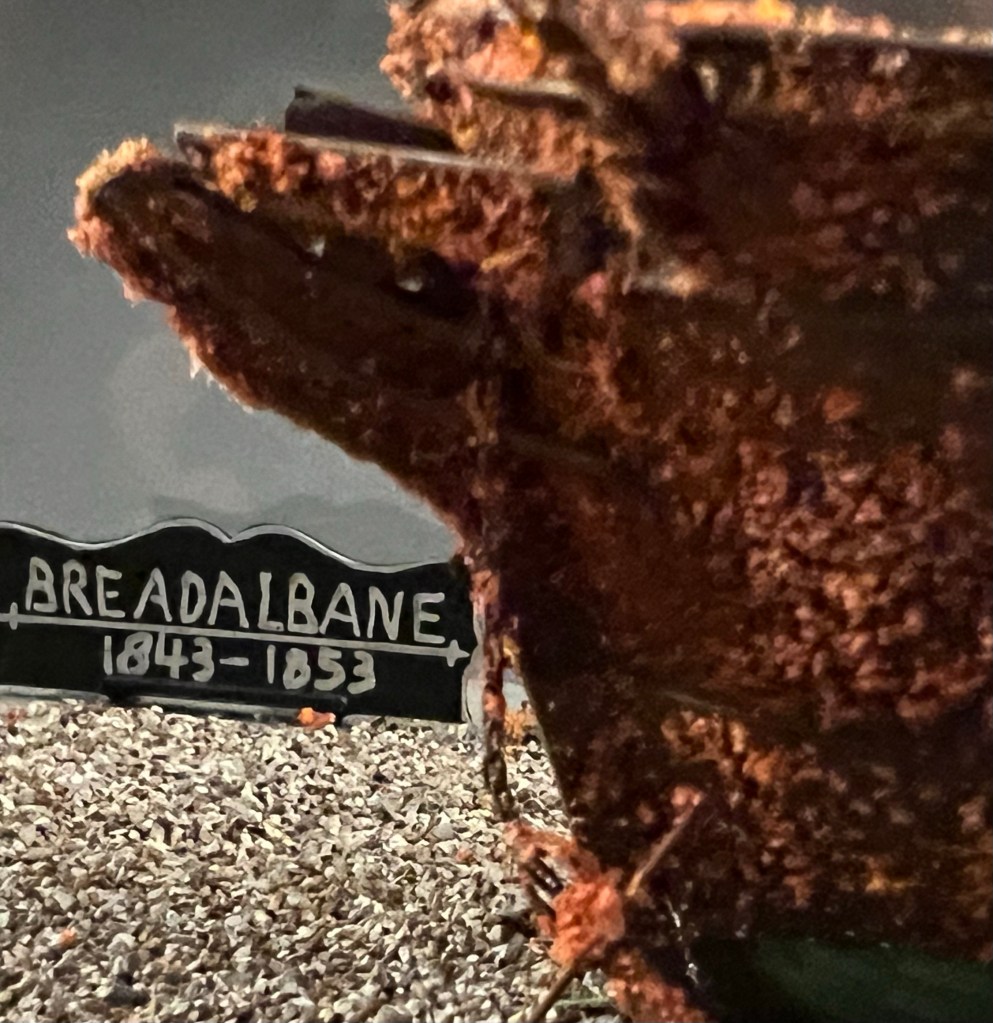
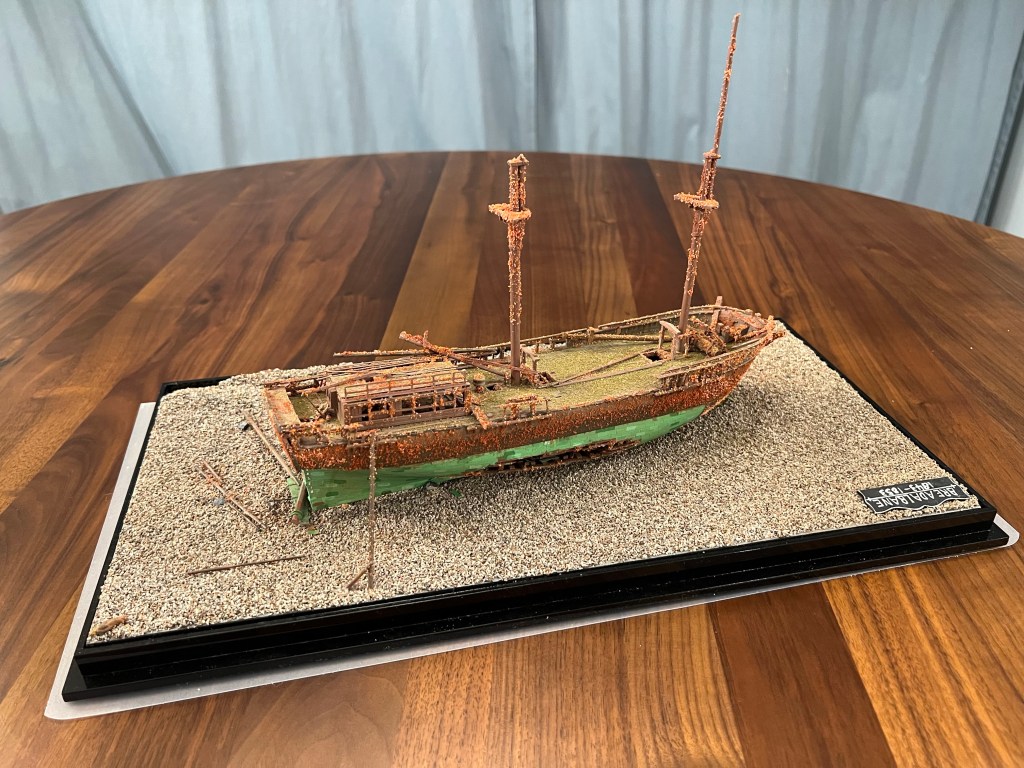
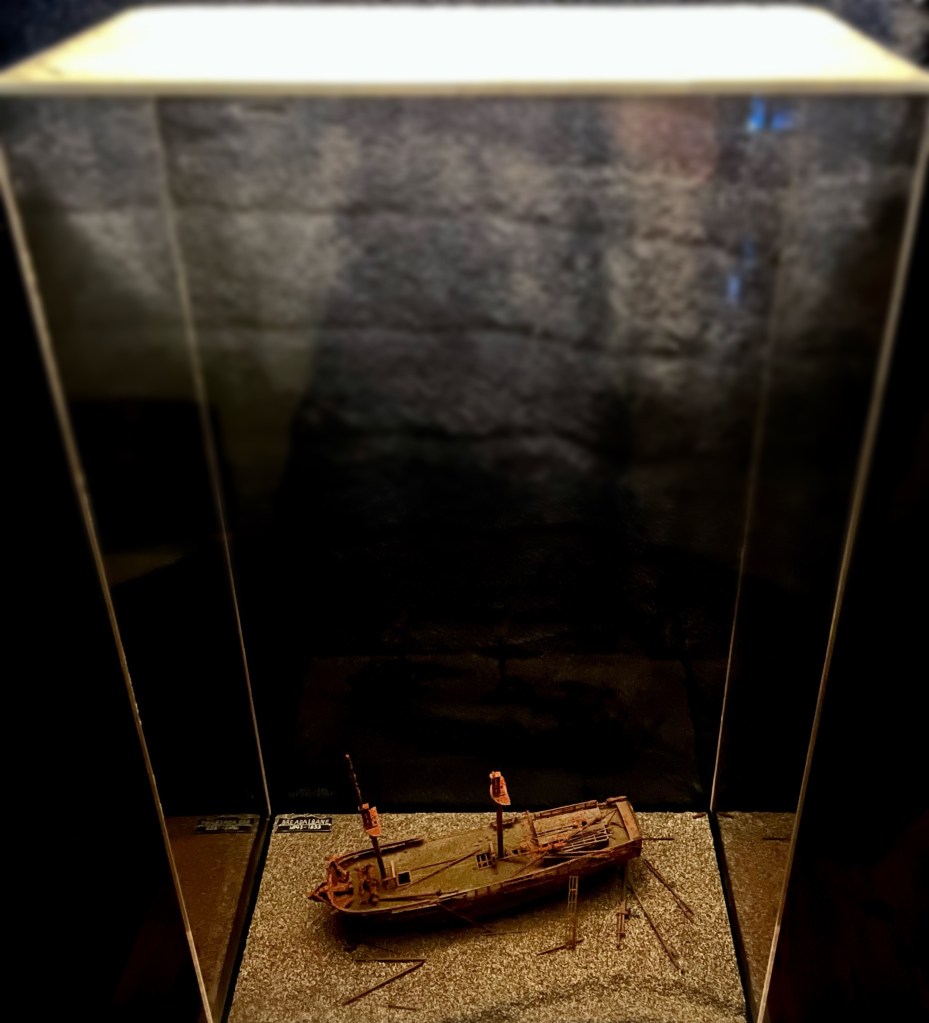
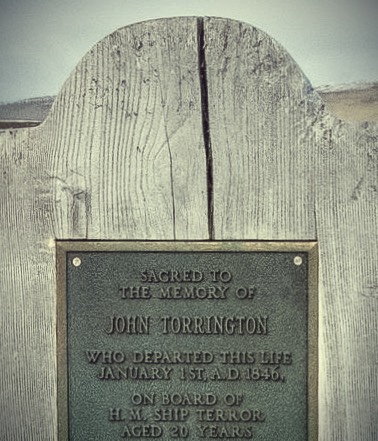
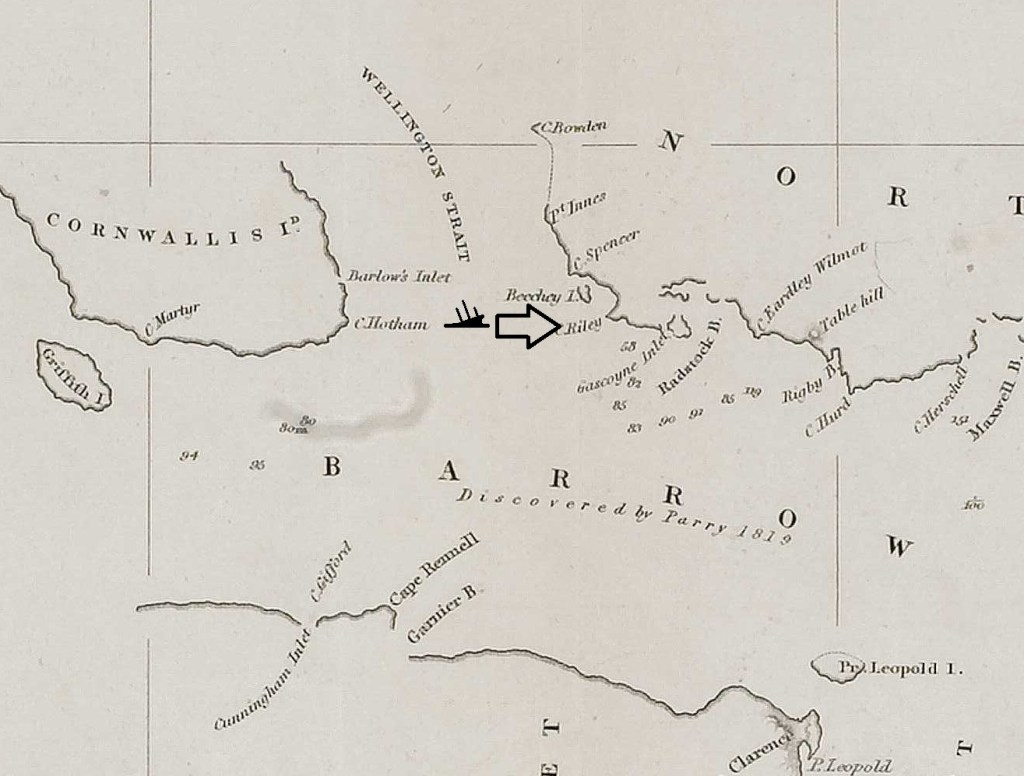
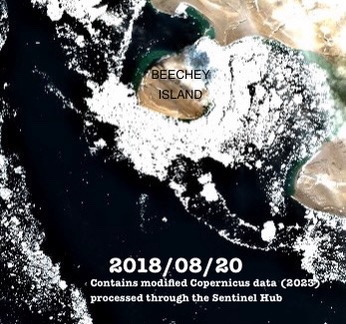
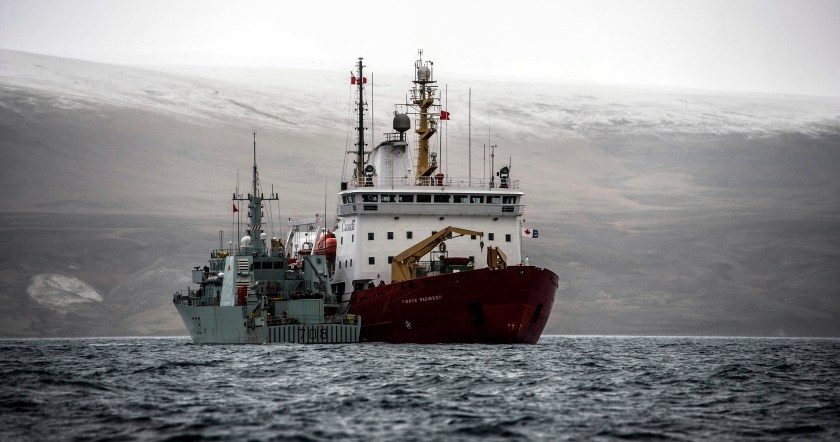
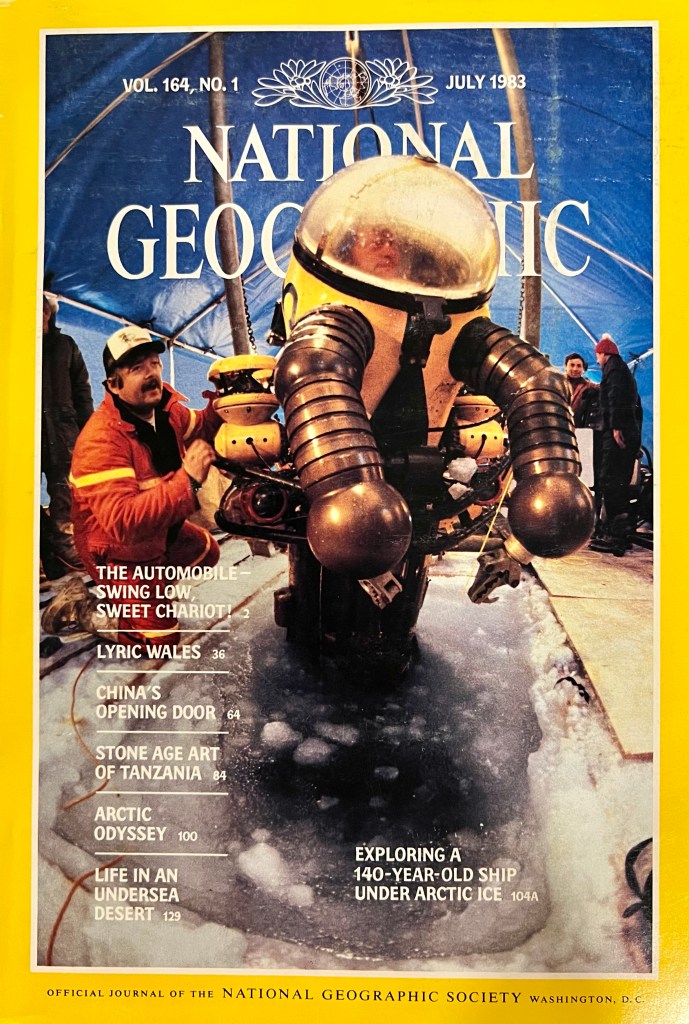
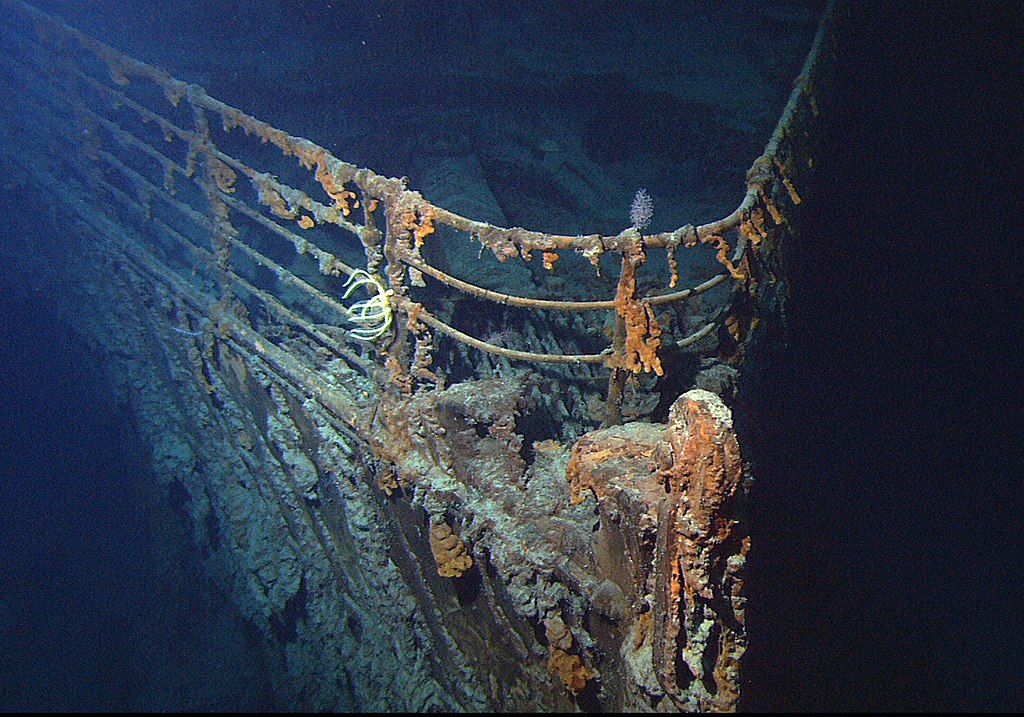
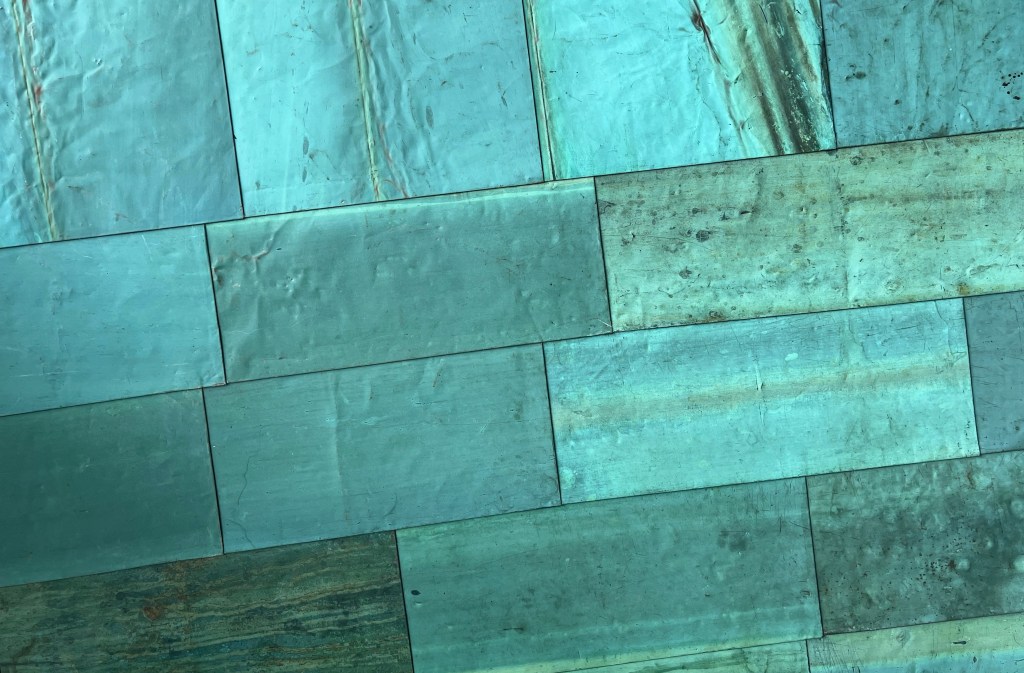
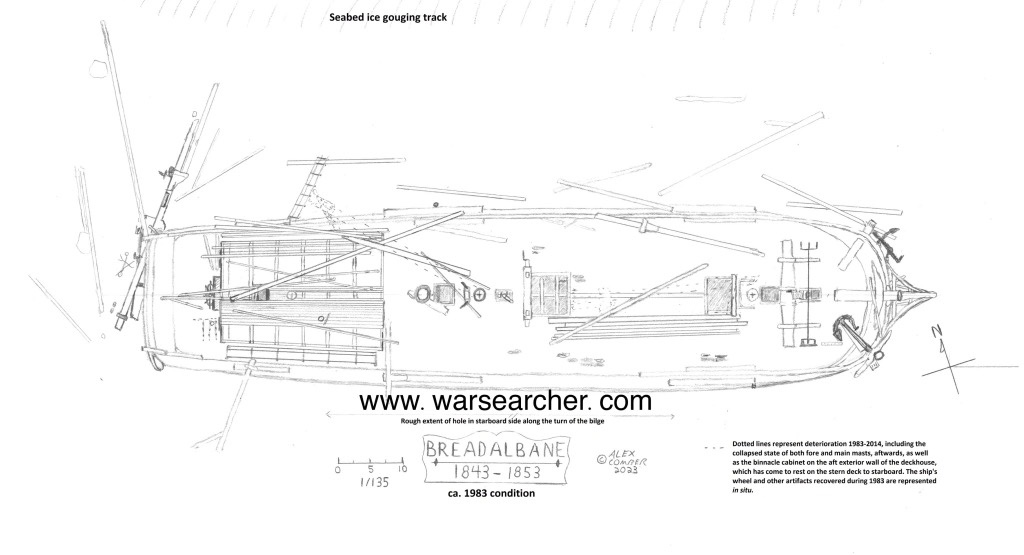
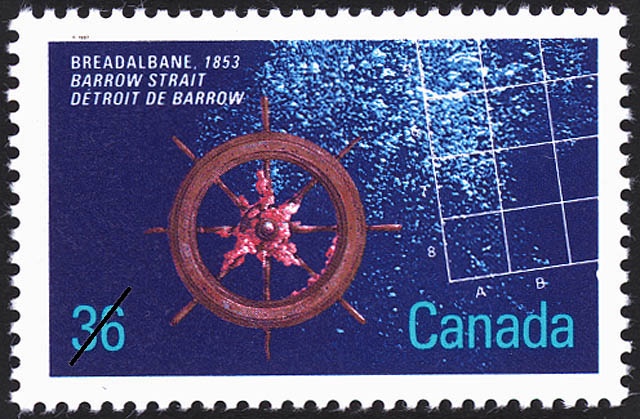
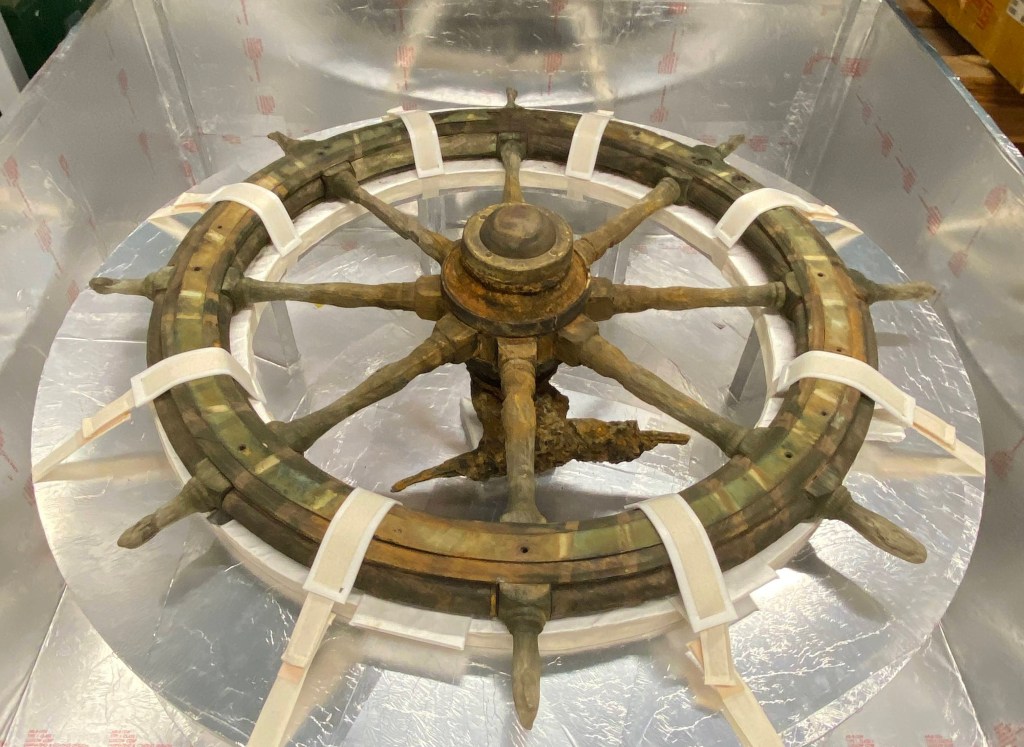
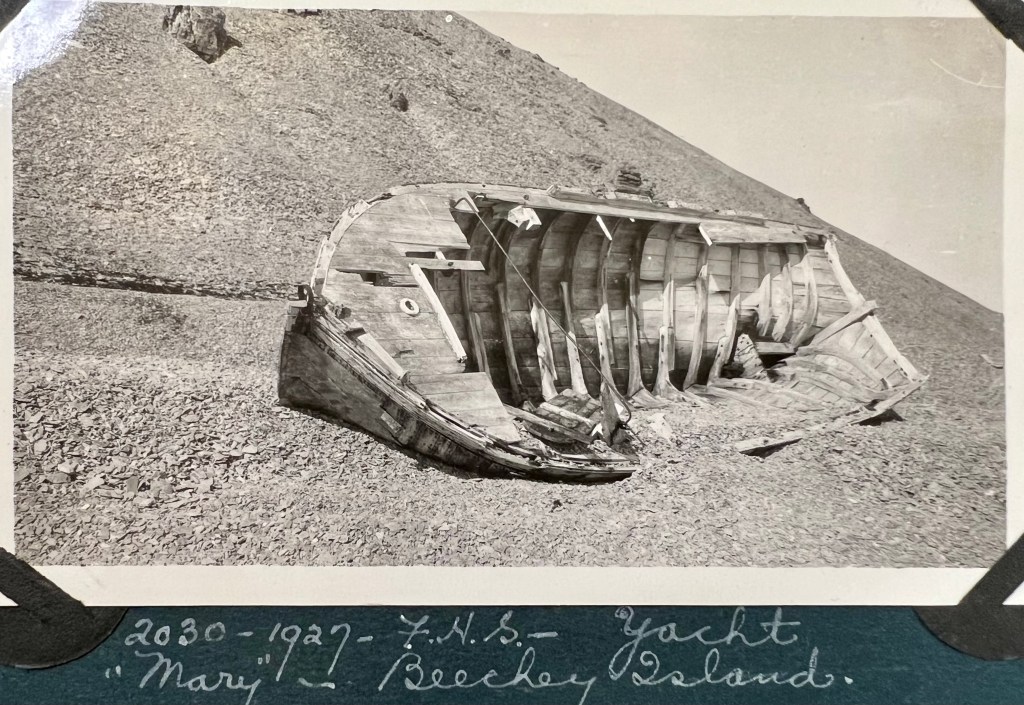
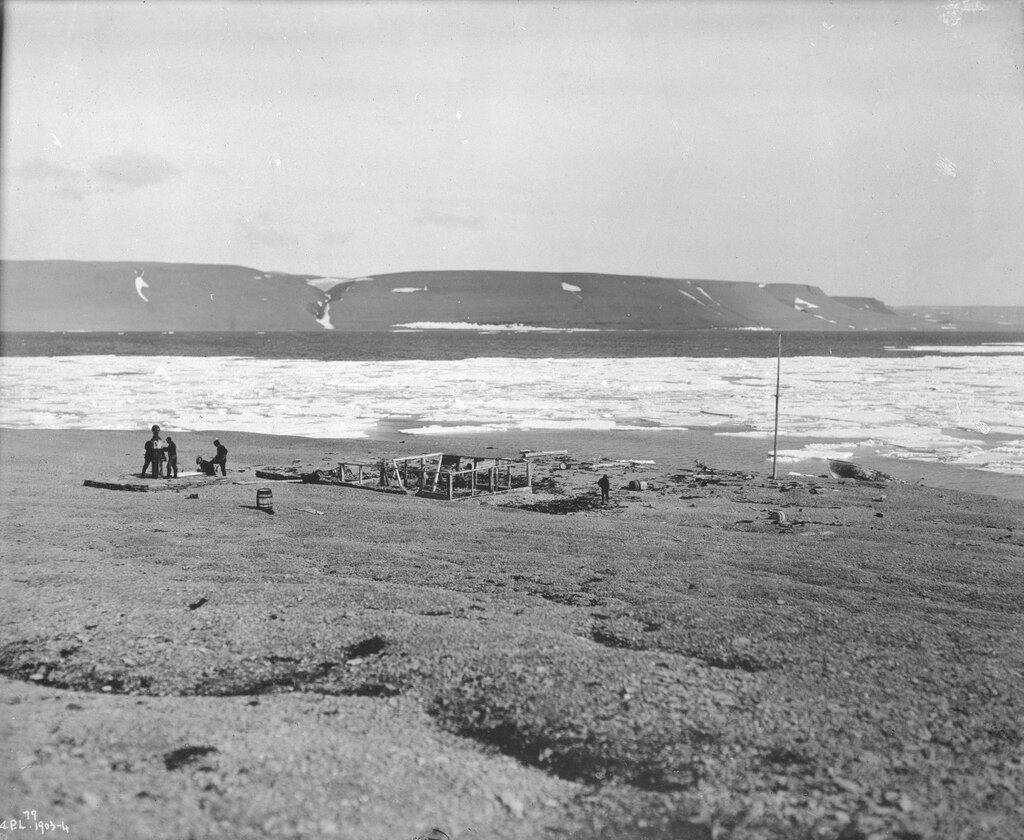
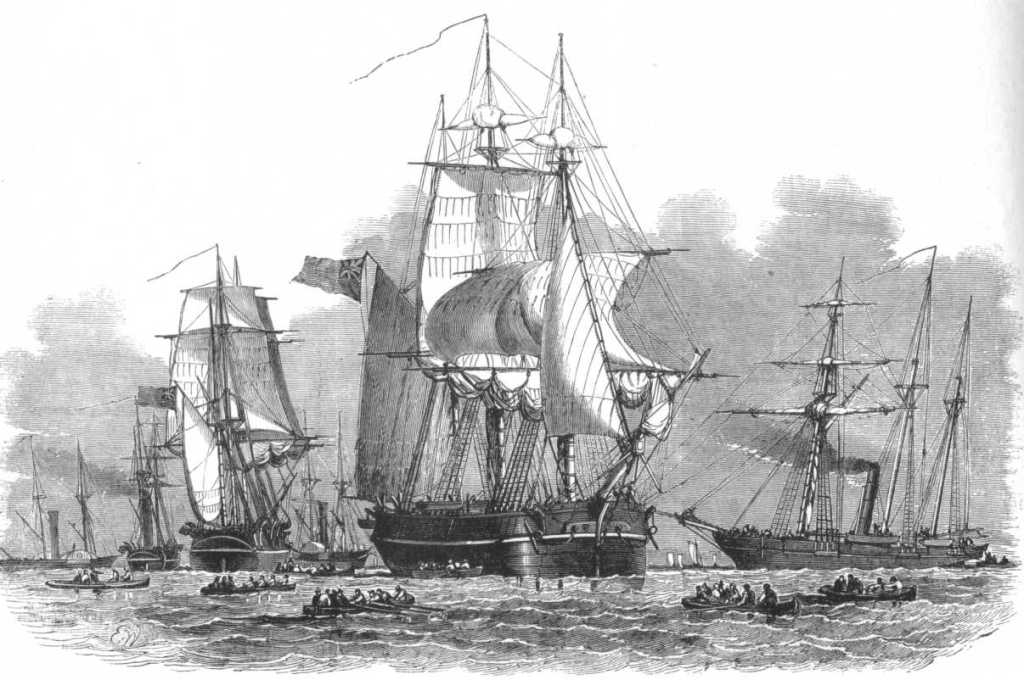
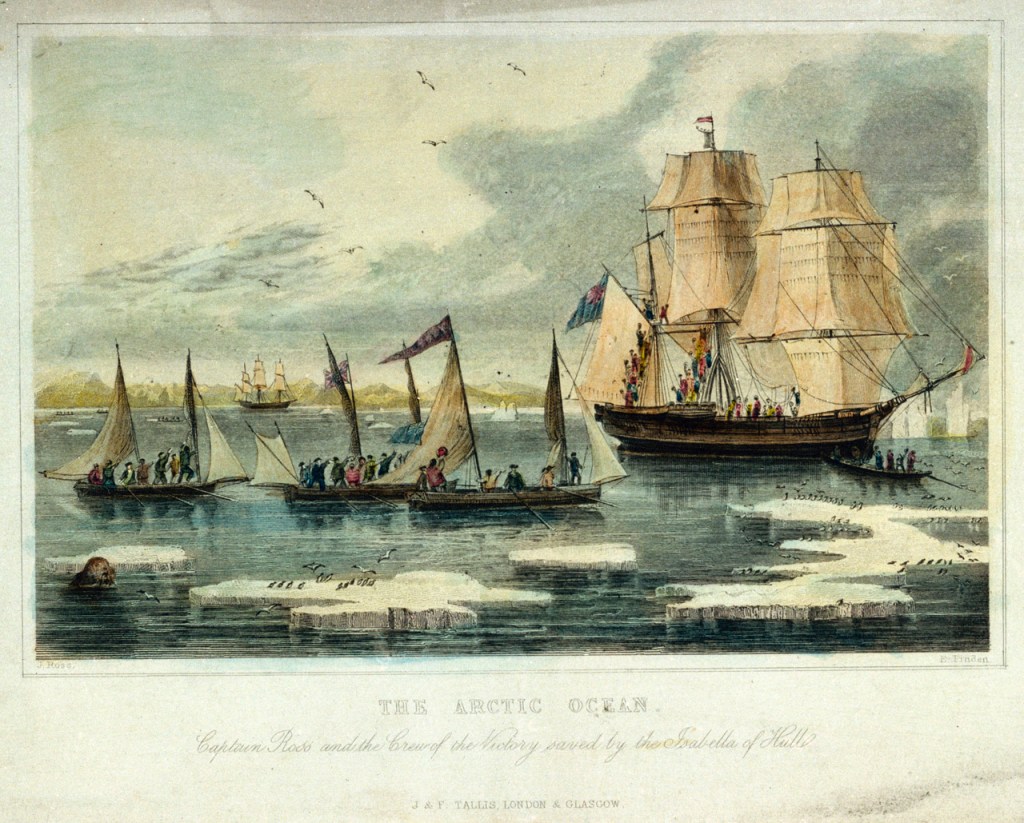

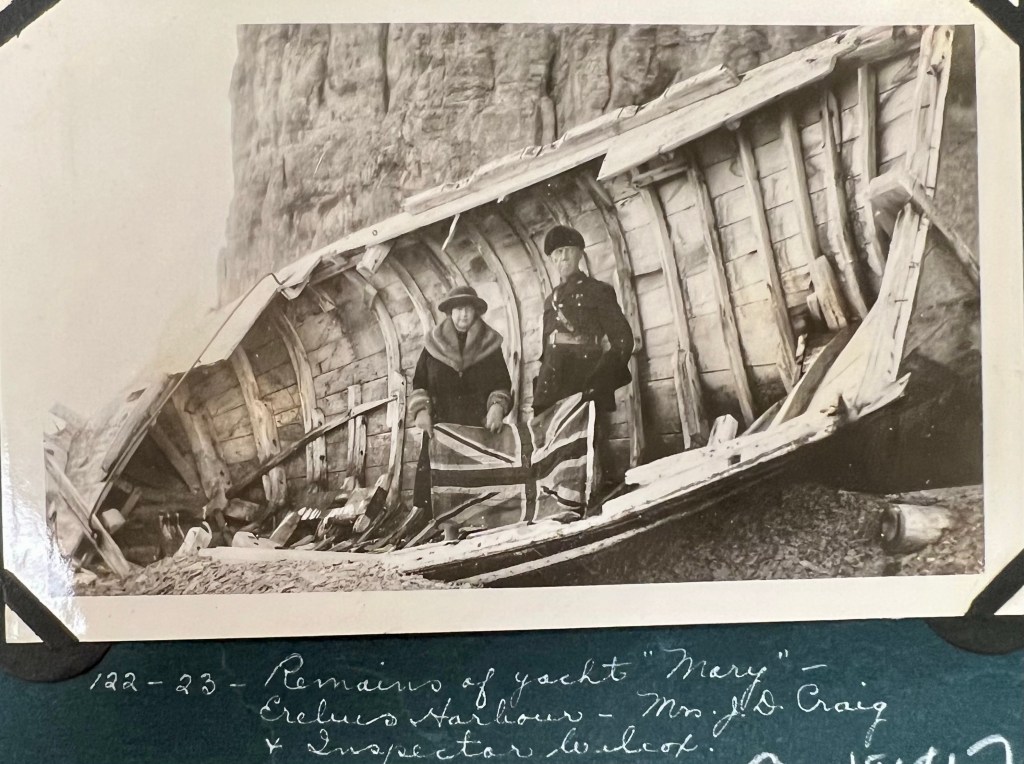
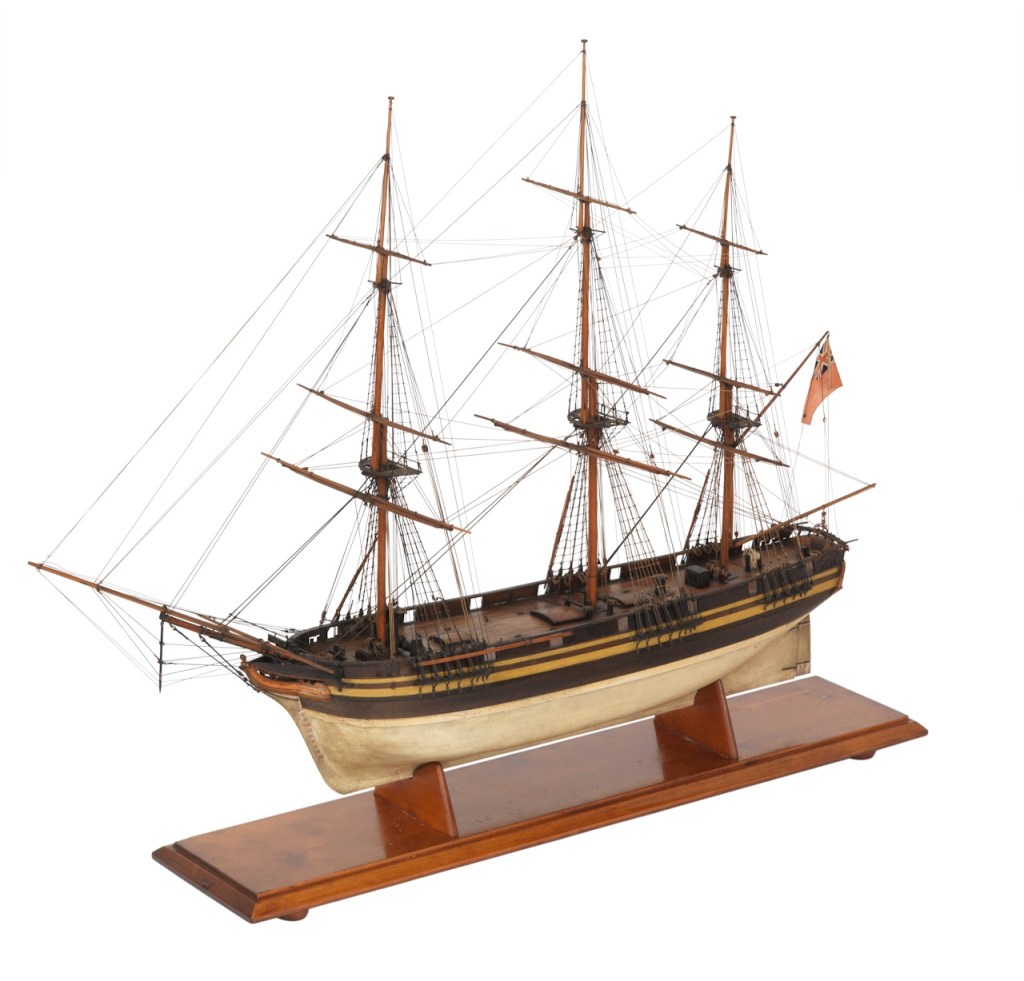

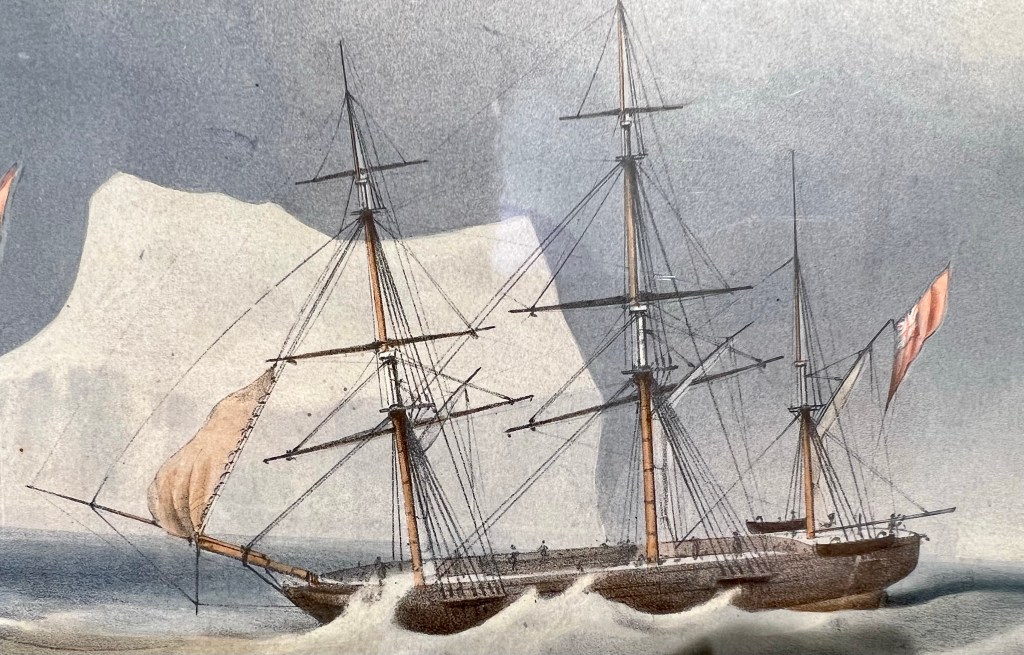
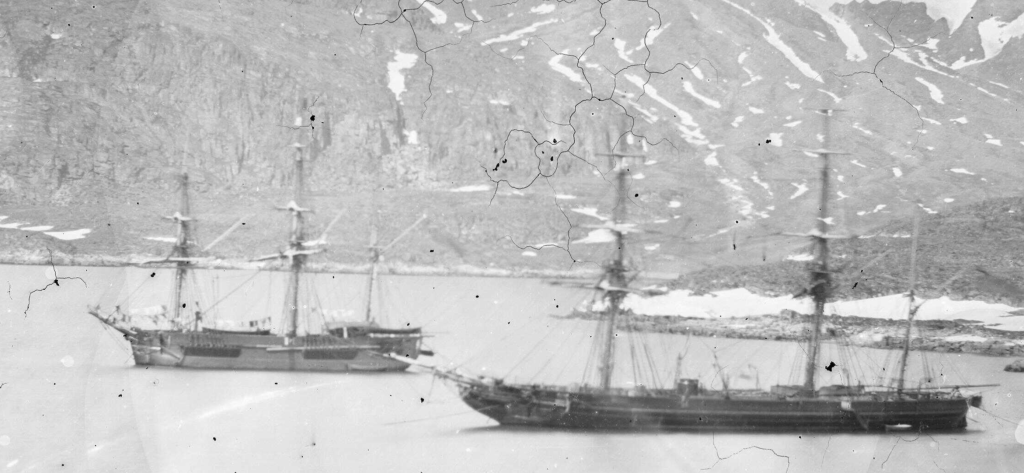
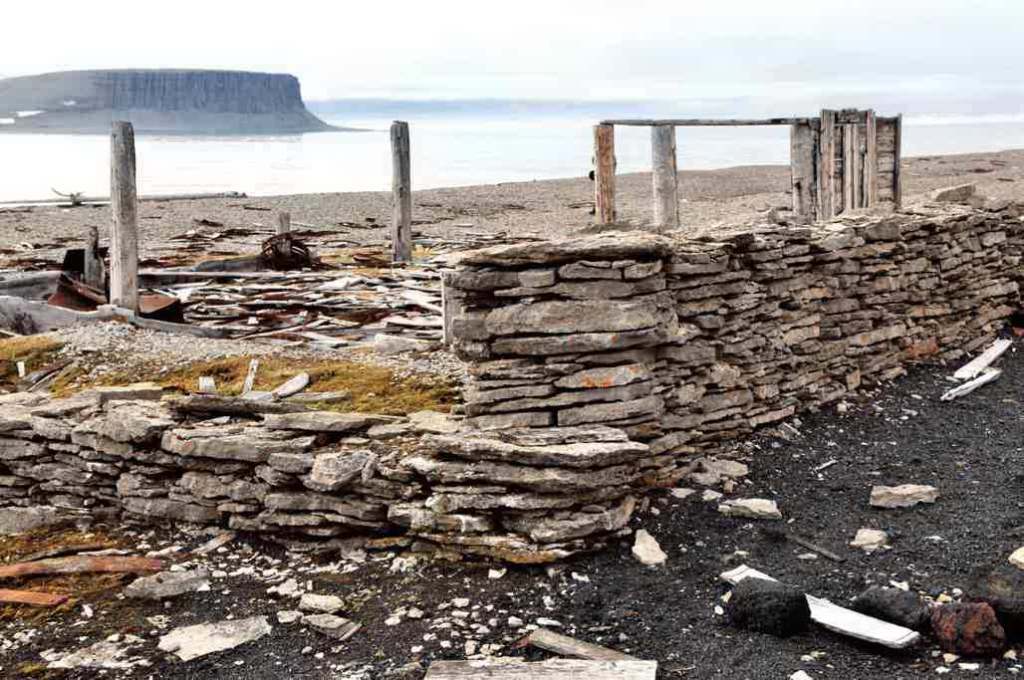
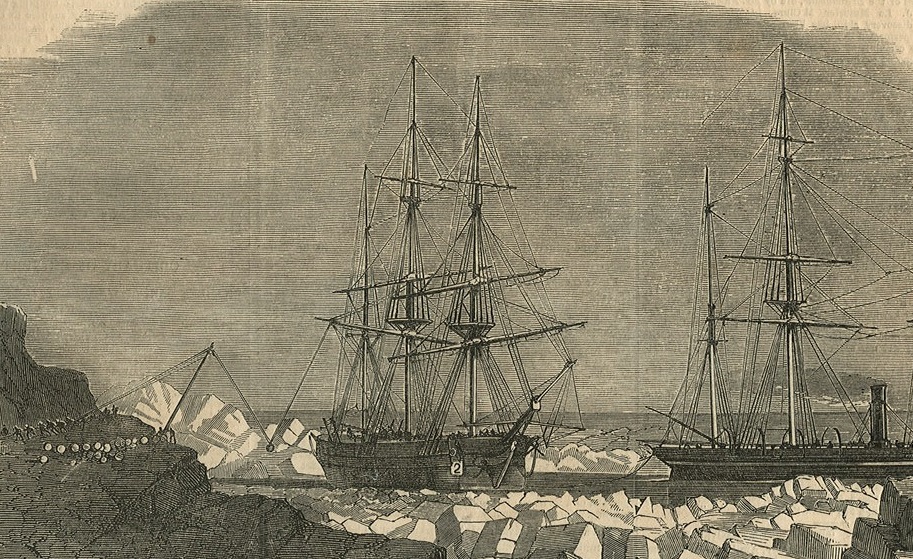
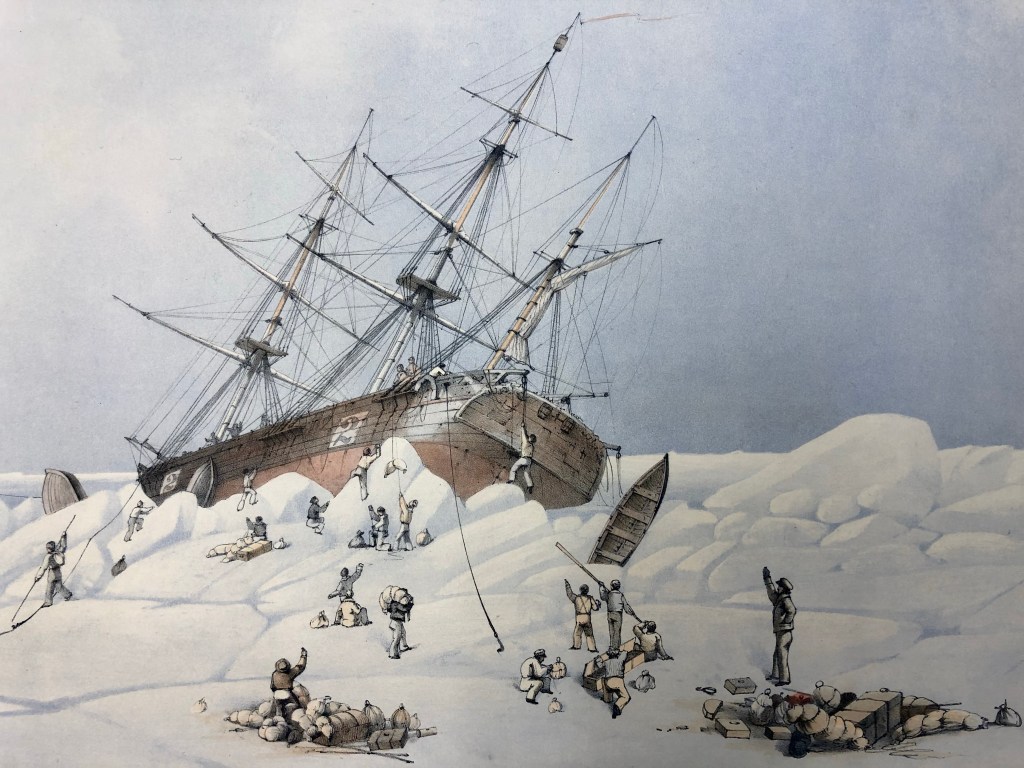
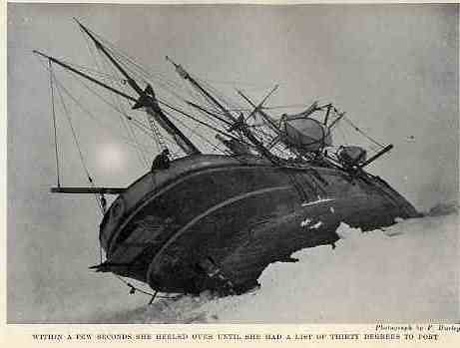
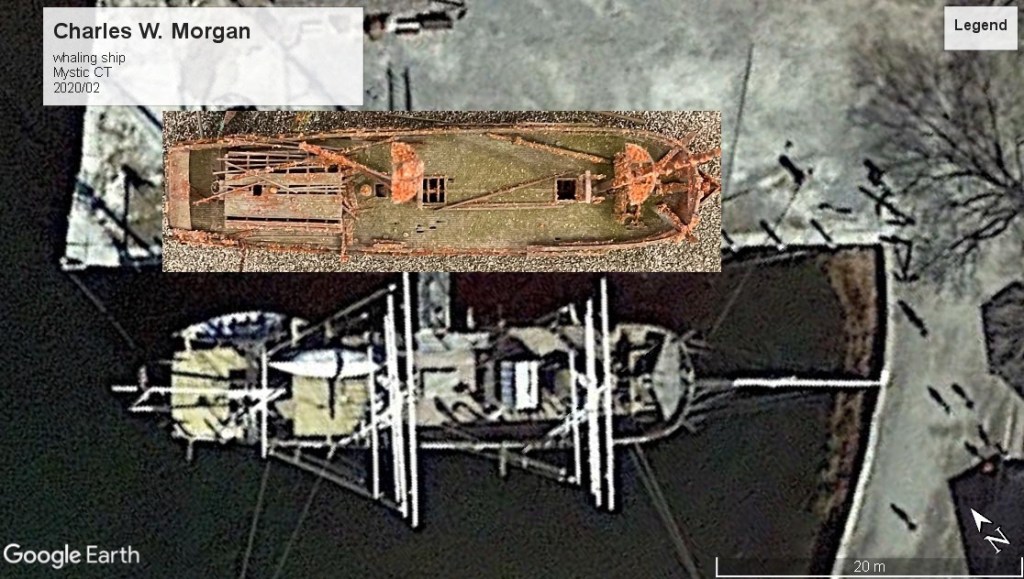




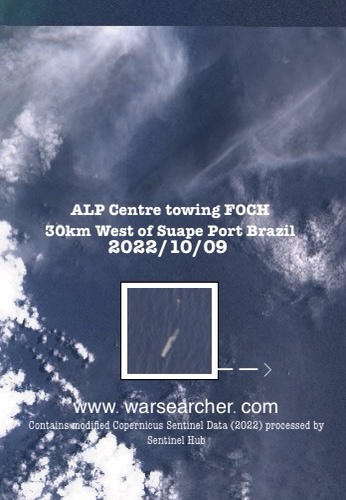
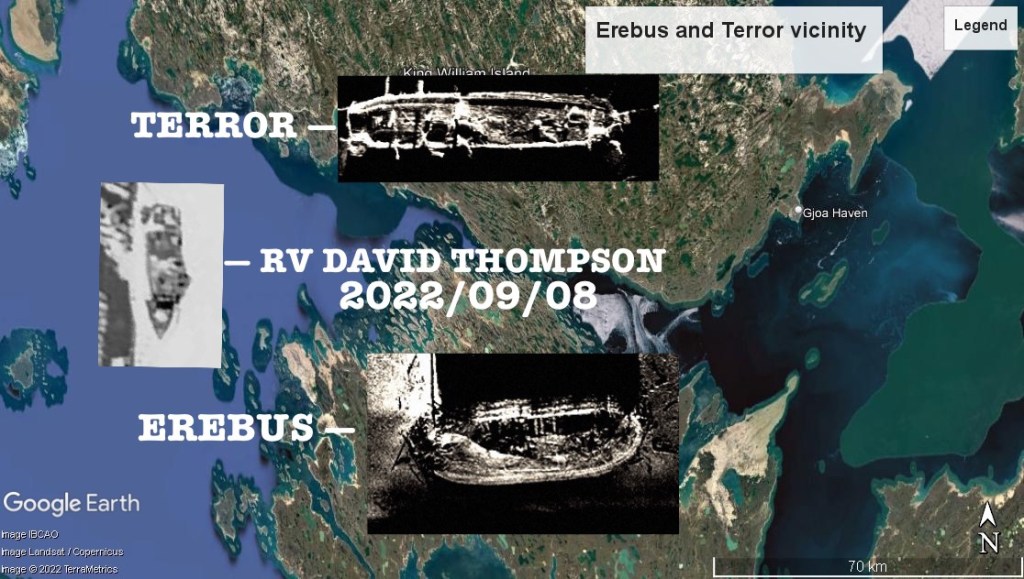
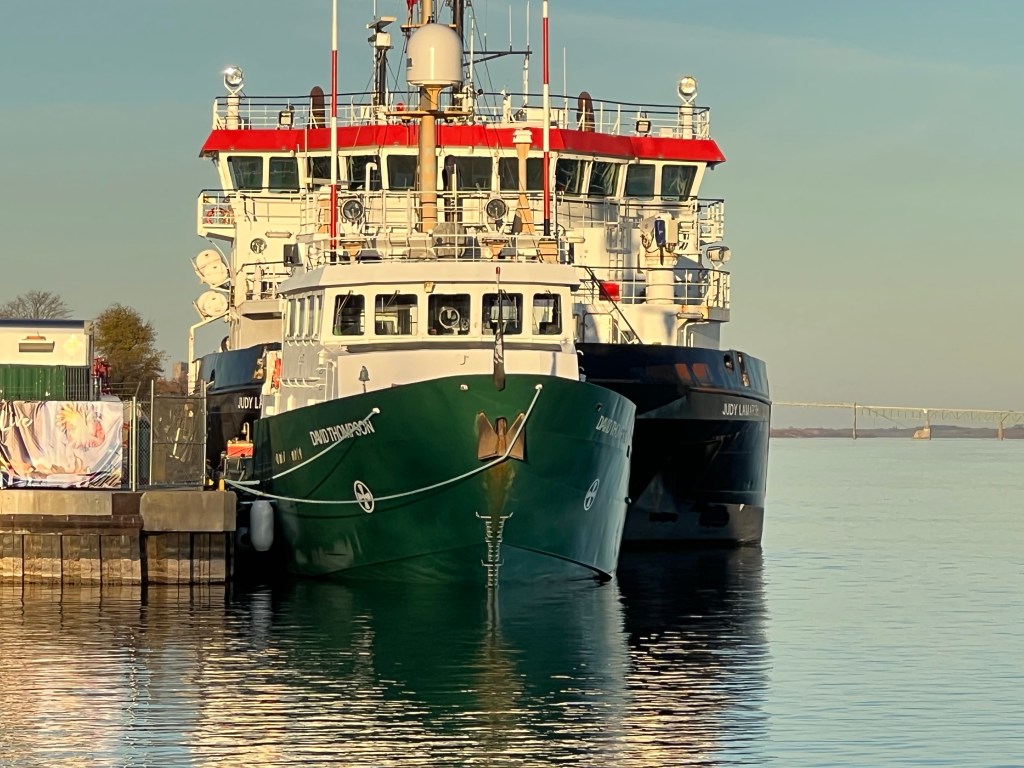
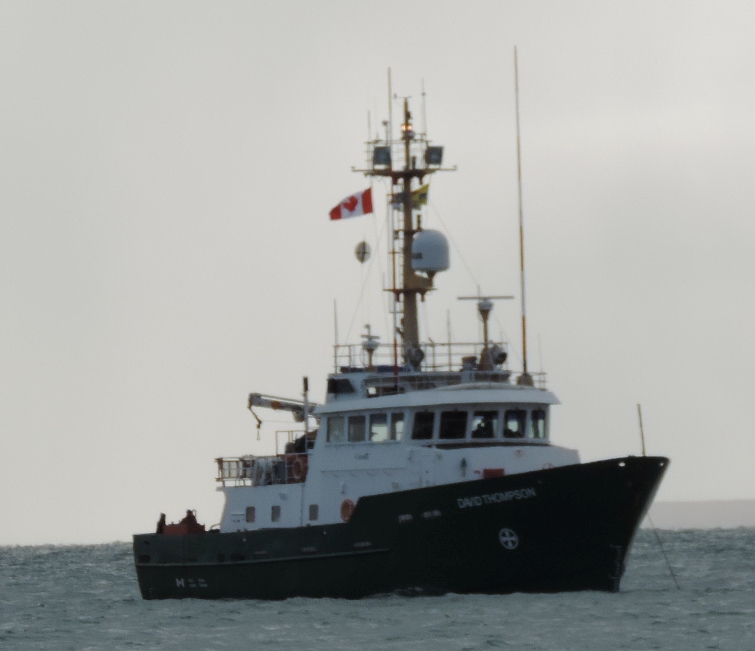
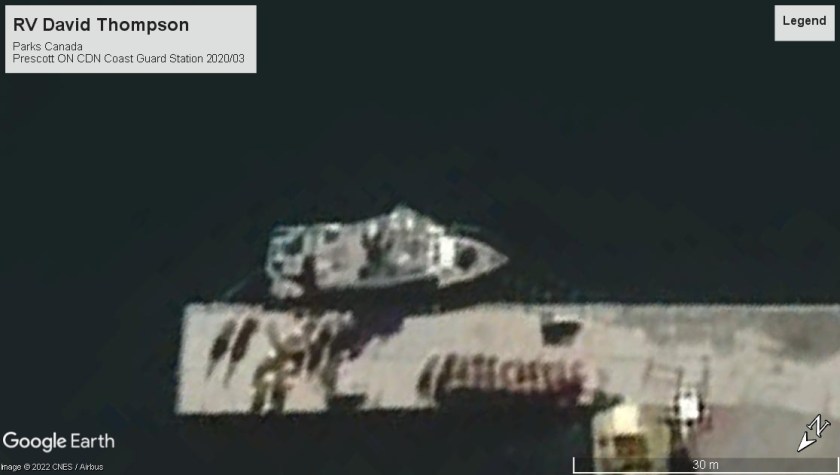
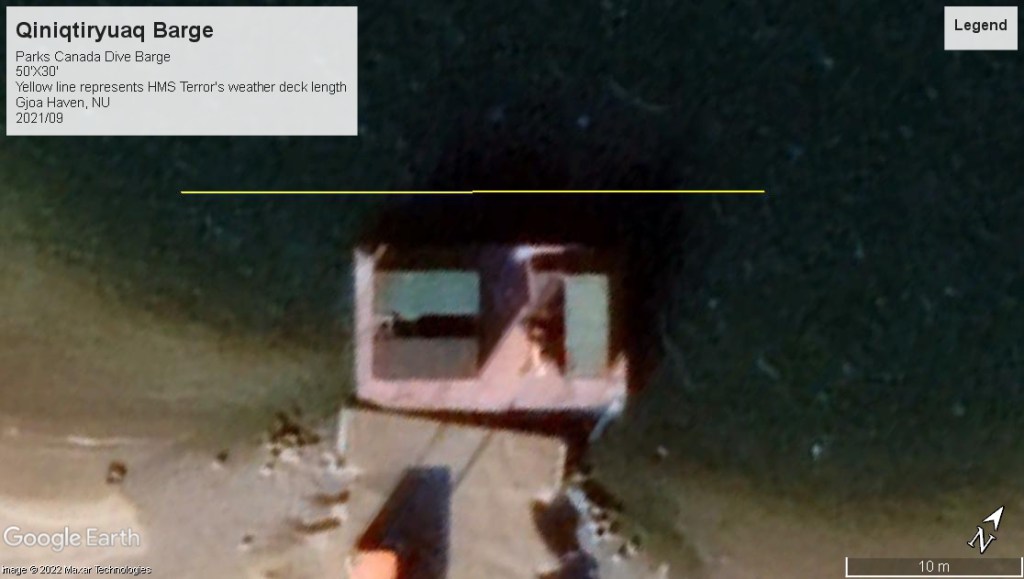
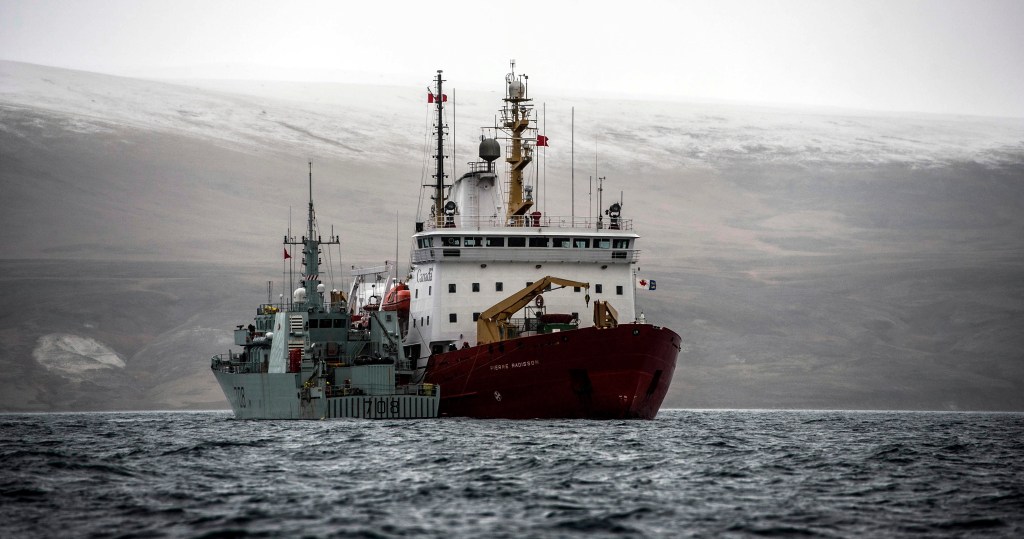
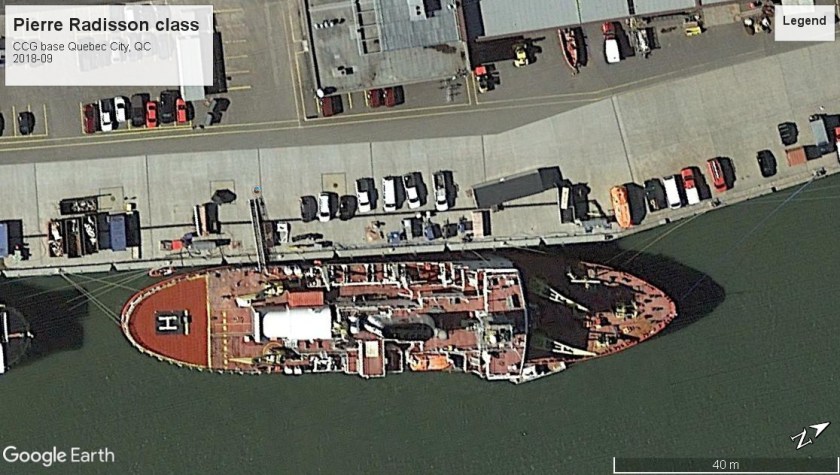
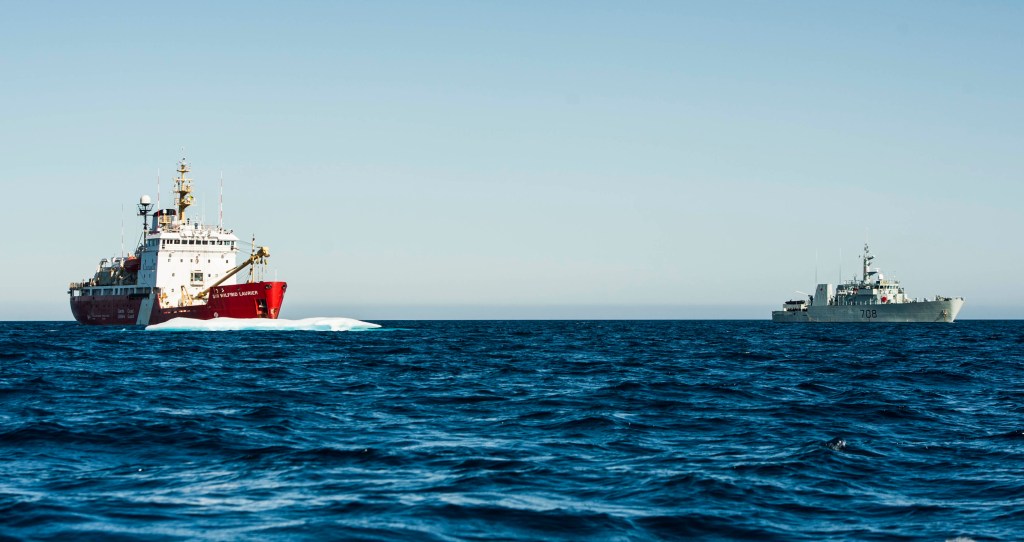
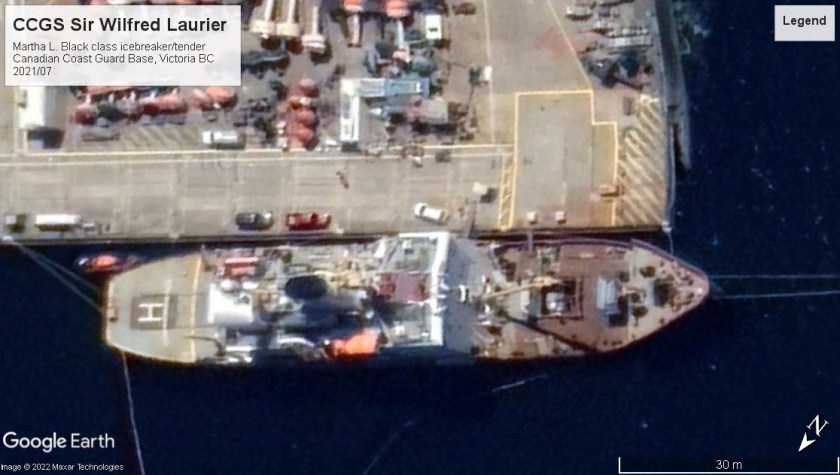
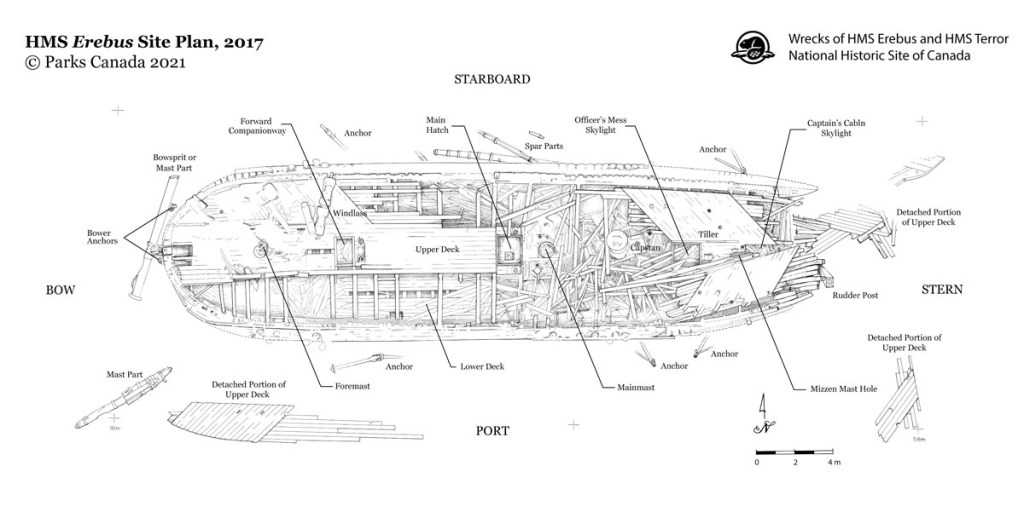





 The Searchers