Traditionally, the Royal Navy’s program of Arctic exploration is represented as having commenced with the Constantine Phipps Expedition towards the North Pole in 1773.1 Phipps and his crews pushed north to above 80° latitude near Spitzbergen, before having to turn for home. Though the Phipps Expedition set many precedents for later polar exploration missions, it is Captain Christopher Middleton who deserves wider recognition for his trailblazing 1741-1742 Hudson’s Bay Expedition .2 This was the first Admiralty mission to search for a Northwest Passage.3 I will argue that Middleton also deserves credit for commanding the first Royal Navy expedition to explore an area north of the Arctic Circle.4 He had reached this far north in the first bomb vessel modified for northern exploration (which set the precedent for a century of discovery missions).5 During his time in Hudson’s Bay, he conducted a program of scientific research spanning several disciplines. After he arrived back in England, a dispute with Arthur Dobbs – his armchair-cartographer nemesis -marred his reputation and cast doubt upon his important discoveries.
Early on the morning of August 7th, 1742, Captain Christopher Middleton nervously paced the quarterdeck of His Majesty’s Ship Furnace.6 He and his crew believed they were on the threshold of a historic discovery: A northwest passage towards the “South Sea” (the Pacific Ocean). These explorers had diligently clawed their way up Roes Welcome Sound, between the northwestern shores of Hudson’s Bay and Southampton Island. Standing into danger, they had picked their way around “islands of ice” (icebergs) and “ledges” (land floes). When they could find no favourable winds, they had even used cables anchored to the ice to haul the ships north from berg to berg.7
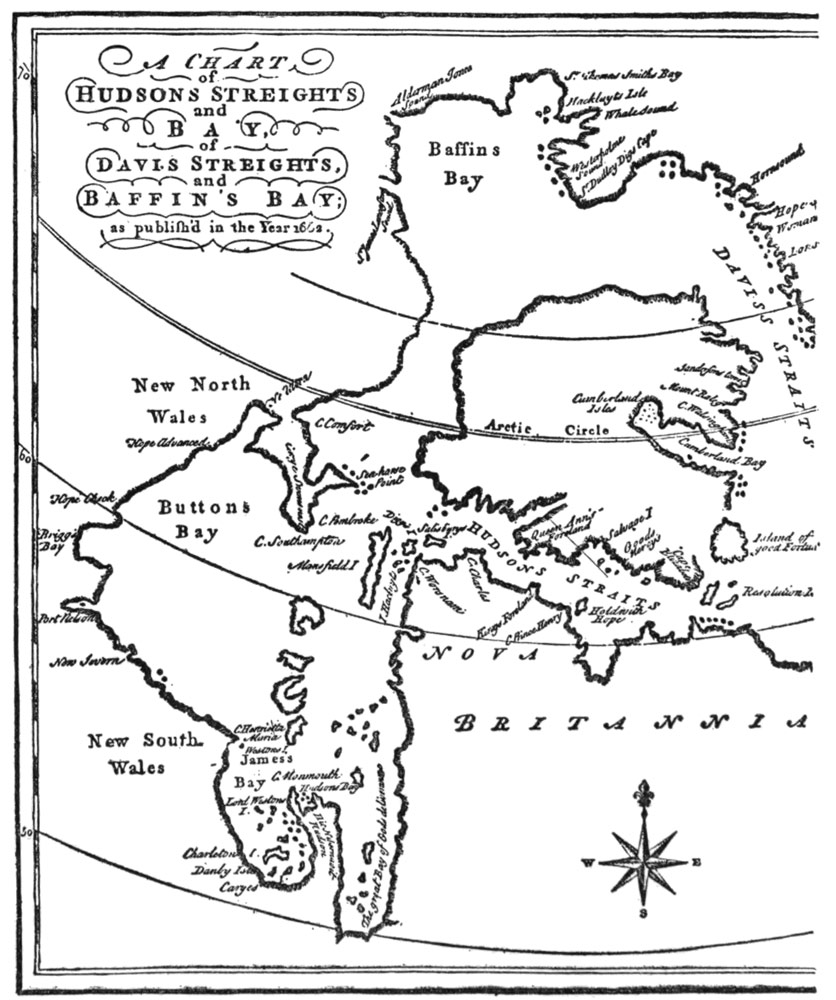
In the hazy morning twilight of those extended northern days, Furnace had been working around a promontory which Middleton had just named “Cape Hope.” He believed this could represent the “extreme part of America,” (or the northern most point of the North American continental landmass) a major milestone along the way of achieving his Admiralty mission to discover the fabled maritime route westwards.9
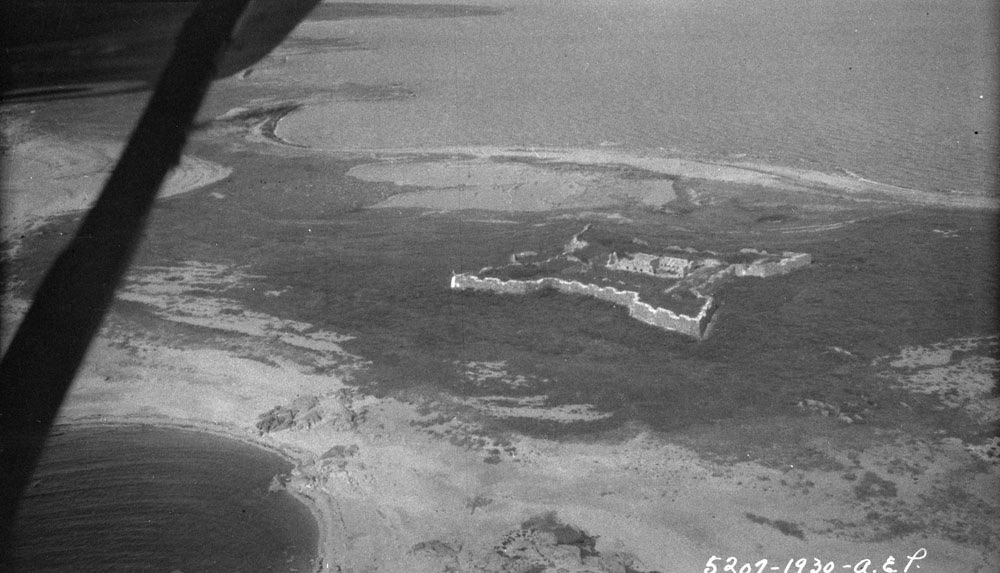
Middleton was a skilled navigator, who had outfitted his ships with the latest navigational devices. He employed these to survey under exceptionally challenging circumstances.10 His career had prepared him for the rigors of commanding a discovery mission in the Bay.11 After early service aboard a privateer in North American waters (during Queen Anne’s War, 1702-1713), he had worked for many seasons as a merchant captain with the Hudson’s Bay Company (HBC), sailing between England and the HBC factories of the Bay on yearly supply missions.12 His experiences commanding HBC sloops had led him to enthusiastically support a popular European belief that the undiscovered shores of the Bay concealed the beginnings of the Northwest Passage.13 In early 1741, with the support of an influential ally and confidant, Arthur Dobbs, he had left HBC service to secure the command of an official Royal Navy exploration mission.14 The crews of his two ships – Furnace and the small tender Discovery – were the first Europeans to navigate these waters (whose adjoining lands were the ancestral territory of the Aivilingmiut Inuit).15 They had endured many hardships since departing England on 8 June, 1741. A dozen of their mates had already perished.16 The dedicated assistance of both the HBC staff and local indigenous communities at and around the post at Churchill, over the winter of 1741-42, had prevented a much greater loss of life.17
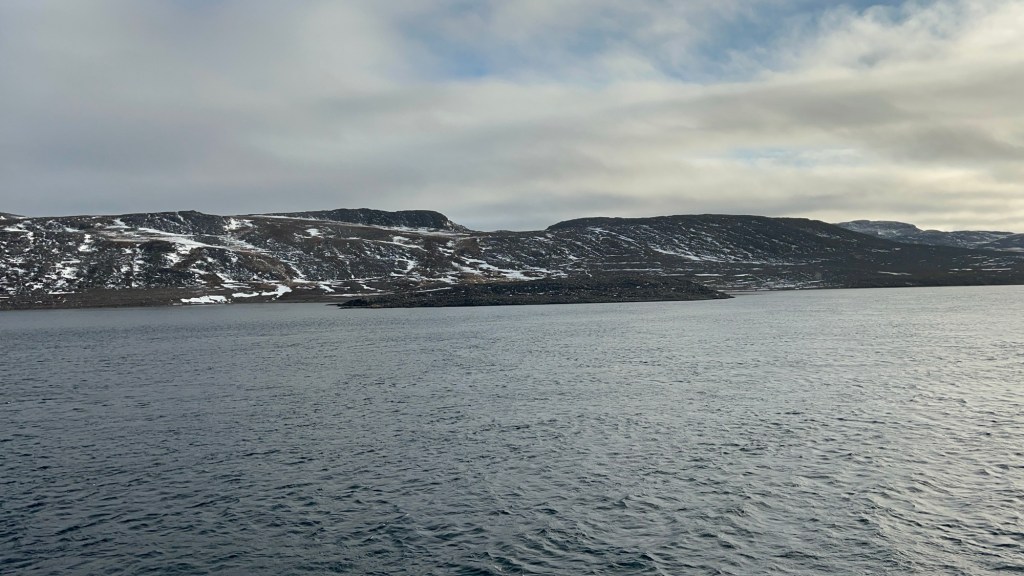
As the sun burned off the haze, the watch on deck sighted high land continuing westwards from under the cape – So far, so good. But then a low shoreline materialized across Furnace’s stout bows. The land stretched around to the starboard beam. This day would bring no happy run far to the west – Christopher Middleton had discovered another bay.19 Disappointed at being “embayed” and turned away from his main objective, he named these waters “the Bay of Repulse” (the Inuktitut name for these enclosed waters is Aiviliup Tariunga). The next few days would see the expedition halted from further progress north by an impassable barrier of ice at the top of Southampton Island. The captain went ashore with two healthy crew members and an indigenous guide, climbed to the highest point he could find, and surveyed the distant shores. From this vantage he saw an iced-over passage extending towards the east, and named this the “Frozen Strait.”20 Given what would befall him upon his return home, Middleton may well have lived to regret ever having been up here in 1742. Today we can acknowledge that he started something in this northwest corner of Hudson’s Bay: An organized program of northern discovery that would eventually see the mapping of vast extents of what would become the Canadian Arctic.

 The Searchers